

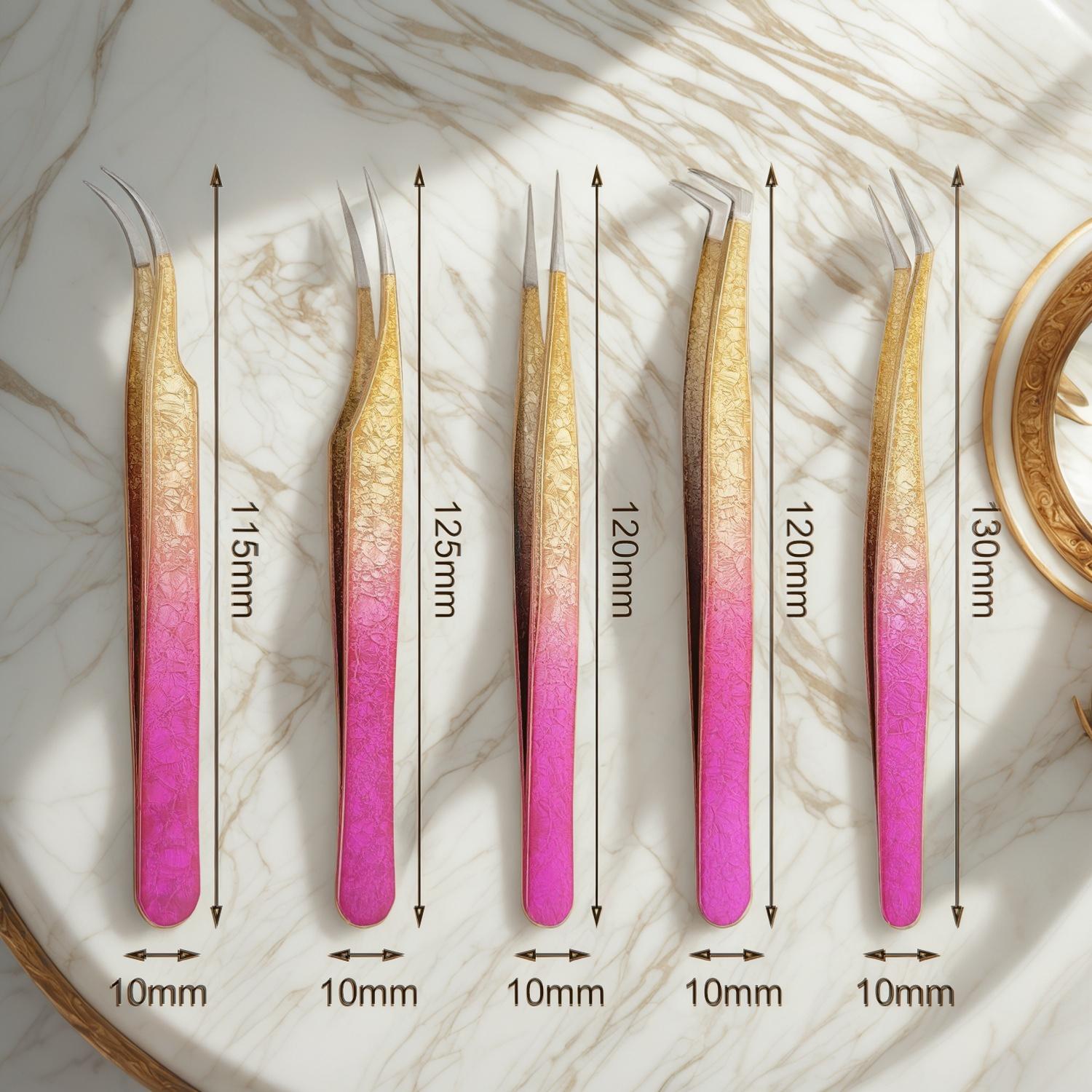
Custom Tweezers for Business: How B2B Buyers Choose the Right Tool
Custom tweezers for business are small products with a big influence on customer experience. For beauty distributors, salon suppliers, private-label buyers and professional grooming brands, tweezers are not simply accessories; they are daily-use precision tools that need consistent grip, clean alignment and a finish that matches the brand’s positioning. A tweezer that feels balanced and removes hair cleanly can become a repeat-purchase item, while a poorly aligned tool can damage trust quickly.
Olimor Beauty supplies beauty tools for business buyers who need practical sourcing options rather than one-size-fits-all retail products. When planning a B2B tweezer order, the strongest results usually come from matching the tweezer type, customization level and packaging plan to the exact sales channel. A distributor serving salons may focus on durability and hand comfort. A gift-set buyer may care more about appearance, color and packaging. An e-commerce seller may prioritize consistent quality and clear product differentiation.

Why Custom Tweezers Work Well for B2B Beauty Sales
B2B tweezers are attractive because they are compact, affordable to ship compared with larger tools, easy to bundle with related items and useful across many beauty categories. Brow grooming, lash application, facial hair removal, manicure kits and travel beauty sets can all include tweezers. This broad use makes them a flexible item for distributors and retailers that want steady product movement without relying on seasonal trends.
Customization adds another advantage: it turns a standard utility tool into a branded item. A business can use color, surface finish, logo placement or packaging to create a product that feels consistent with its broader line. For companies building private-label assortments, this can help the tweezer sit naturally beside scissors, lash tools, nail tools or grooming kits.
The business benefits are strongest when customization is connected to a clear sales purpose. A salon supply company may choose a simple, professional finish that looks clean in a workstation. A cosmetics brand may prefer a softer color or gradient that fits a makeup collection. A distributor may keep multiple variants available so buyers can select from angled, curved or pointed styles depending on their use case.
Key Selection Criteria Before Ordering Bulk Tweezers
Bulk buying should begin with the intended user. A professional esthetician, a retail beauty customer and a lash technician may all use tweezers differently. The tool must feel controlled in the hand and meet the task it is being sold for. Before discussing bulk tweezers price, buyers should define the functional details that matter most.
- Tip shape: Slanted tips are common for brow shaping and general hair removal. Pointed tips may suit detailed precision work. Curved or angled options can be useful for specialized beauty tasks.
- Tip alignment: The two tips should meet evenly. Poor alignment reduces grip and makes the product feel unreliable.
- Grip tension: Tweezers should close with enough resistance for control but not so much that users feel hand fatigue during repeated use.
- Material and finish: The original product information highlights stainless steel as a durability factor. Buyers should compare finish quality, surface smoothness and resistance to everyday handling.
- Ergonomics: A comfortable body shape matters for salon and professional users who repeat the same motion many times per day.
- Packaging compatibility: The tweezer should fit the chosen sleeve, card, pouch, box or set layout without rattling or damaging the finish.
For buyers comparing multiple beauty tools, it can help to review Olimor’s wider beauty tool products and consider whether the tweezers will be sold alone or as part of a coordinated range.
What Influences Bulk Tweezers Price?
Bulk tweezers price is shaped by more than order quantity. Although larger orders often improve per-unit economics, the final cost structure depends on the product design and the amount of customization required. A buyer comparing quotes should make sure each supplier is quoting the same assumptions; otherwise, the lowest price may not represent the same tool, finish or packaging.
| Price factor | Why it matters for B2B buyers |
|---|---|
| Material choice | Stainless steel is valued for repeated beauty use, but buyers should compare finish, weight and working feel rather than judging by material name alone. |
| Tip style and precision | More demanding tip shapes or stricter alignment expectations can affect production control and inspection time. |
| Surface finish or color | Polished, matte, coated or gradient finishes can create different brand impressions and may require different processing steps. |
| Logo and branding method | Logo size, placement and durability expectations should be confirmed before sampling. |
| Packaging format | Simple bulk packing differs from retail-ready packaging, gift packaging or multi-tool set packaging. |
| Shipping requirements | Destination, packing volume and delivery method all influence landed cost. |
A practical approach is to calculate the landed cost per sellable unit, not just the factory unit price. Include packaging, carton quantity, freight, import-related costs if applicable, warehousing and expected defect handling. This gives distributors and retailers a clearer view of margin and resale competitiveness.
Customization Choices That Add Real Business Value
Not every custom option is worth paying for. The best customization decisions make the product easier to sell, easier to recognize or better suited to the buyer’s audience. For tweezers, the highest-value choices usually involve appearance, usability and packaging presentation.
Color is often the most visible difference. Neutral metallic finishes can work well for professional channels, while colored or gradient finishes may suit cosmetic retail, gifting and social media-driven product pages. Logo placement should be clear without interfering with grip comfort. If the tweezer will be sold as part of a set, the color and finish should coordinate with the other items so the collection feels intentional.
Tip design is another important customization area. A brand focused on eyebrow care may prefer a slanted tweezer as its main product. A lash-focused seller may explore angled or curved variants. A distributor may carry several styles to cover different customer needs. When selecting variants, avoid offering too many nearly identical versions at launch. It is usually better to start with a focused assortment that sales teams can explain clearly.
Packaging also carries branding value. A retail buyer may need a product that can hang on a display, sit in a small box or fit into a beauty kit. A professional buyer may prefer simpler protective packaging that reduces waste and keeps tools organized. Packaging should protect the tips, because damage during storage or shipping can turn a good tweezer into an unsellable item.
Quality Checks for Distributors and Private-Label Buyers
Tweezers for distributors need consistent quality across repeated orders. A single sample can look good, but B2B success depends on whether the delivered batch matches the approved sample. Buyers should build a simple inspection checklist before placing a larger order.
- Check tip closure: The tips should meet evenly without visible gaps when lightly pressed.
- Test gripping performance: Use fine fibers or sample hairs to see whether the tweezer grips cleanly without slipping.
- Inspect surface finish: Look for scratches, uneven coating, sharp edges, discoloration or rough areas.
- Review logo clarity: Confirm that branding is positioned correctly, readable and consistent across samples.
- Assess hand feel: Open and close the tweezer repeatedly to judge tension and comfort.
- Verify packaging protection: Make sure the tips are protected and the product does not move excessively inside the package.
These checks help buyers communicate requirements clearly and reduce misunderstandings. If your team is comparing several designs, you can send an inquiry with your preferred tweezer type, target channel and packaging expectations so the discussion starts with practical details.
How to Position Tweezers for Different Sales Channels
The same custom tweezer can be marketed differently depending on the channel, but the product choice should support that positioning. For salons and professional users, emphasize grip, alignment, comfort and durability. Product descriptions should explain the intended use clearly, such as brow shaping or detailed grooming, without making unsupported claims.
For retail and e-commerce, visual presentation matters more. Clear images, concise feature bullets and packaging that looks credible can improve buyer confidence. If the tweezer is part of a beauty set, explain how it complements the other tools. For distributors, selling points should be simple enough for wholesale customers to understand quickly: tip type, finish, packaging, branding options and target use.
Gift and promotional channels may prioritize appearance and brand imprint area. In these cases, the tweezer still needs to function well, but buyers may choose colors or packaging that feel more presentation-ready. For a product collection strategy, review related product collections to decide whether tweezers should be sold as a standalone SKU, a set component or an add-on item.
Maintenance Guidance to Reduce Customer Complaints
Even a well-made tweezer needs basic care. Including simple use and maintenance guidance in packaging or product pages can reduce avoidable complaints. Customers should keep the tweezer dry after cleaning, store it with tip protection when possible and avoid dropping it on hard surfaces because the tips can become misaligned. If the tweezer has a colored finish, abrasive cleaning tools should be avoided unless the supplier has confirmed suitability.
For professional environments, cleaning practices should follow the salon’s hygiene procedures and local requirements. The important point for B2B buyers is to set realistic expectations: tweezers are precision tools, and the tip area must be protected. A small instruction card can make the product feel more professional while helping customers maintain performance.
Making a Better B2B Tweezers Buying Decision
Custom tweezers for business are most successful when buyers combine product function, brand presentation and cost planning. Start with the user and task, then choose the tip style, finish, logo method and packaging format that support that use. Compare bulk tweezers price on a like-for-like basis, including packaging and landed cost, not only the unit quote.
Olimor Beauty works with business buyers looking for practical beauty-tool sourcing options, including customizable tweezers for distributor, retail and professional channels. If you are planning a new tweezer line or adding tweezers to an existing beauty assortment, prepare your preferred style, branding goal, packaging idea and target market before you contact Olimor. Clear requirements make sampling and quotation discussions more efficient and help you build a product that customers can trust in daily use.
Tag: