

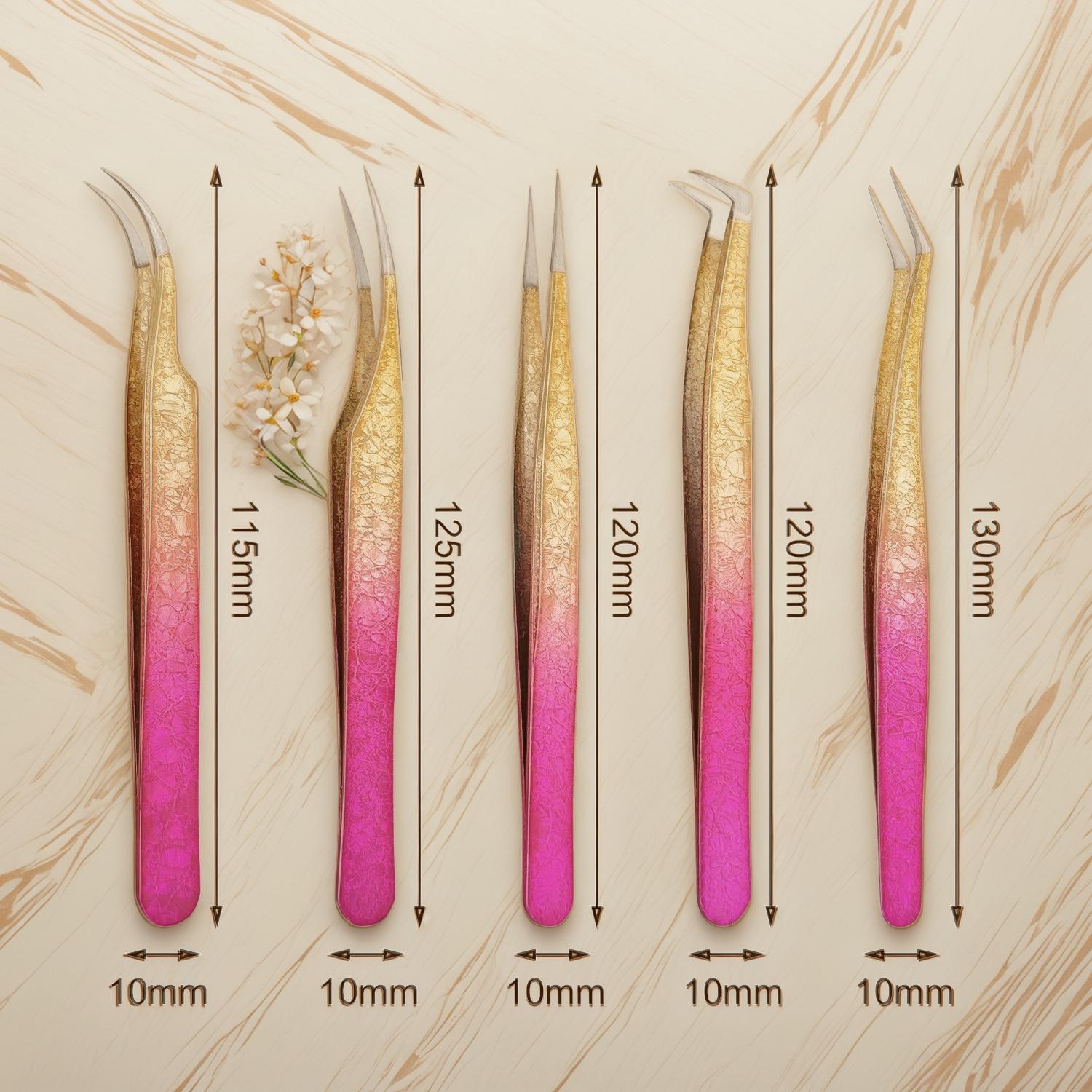
Custom Tweezers for B2B Beauty Distributors and Private Label Buyers
Custom tweezers for business are small products with a large impact on customer satisfaction. For beauty distributors, lash supply companies, salon chains and private label buyers, tweezers are not only accessories; they are daily-use precision tools that influence comfort, repeat purchase and brand perception. A tweezer that feels balanced, closes evenly and grips reliably can help professionals work with confidence, while a poorly selected tool can lead to complaints, returns and weak reorder rates.
Olimor Beauty supports B2B buyers looking for tweezers that can be purchased for distribution, resale or branded programs. The right sourcing decision should consider more than the lowest bulk tweezers price. Buyers need to evaluate material, tip shape, alignment, finish, packaging, branding area and consistency from batch to batch. This guide explains how to choose custom tweezers for business use without relying on generic claims or unnecessary specifications.
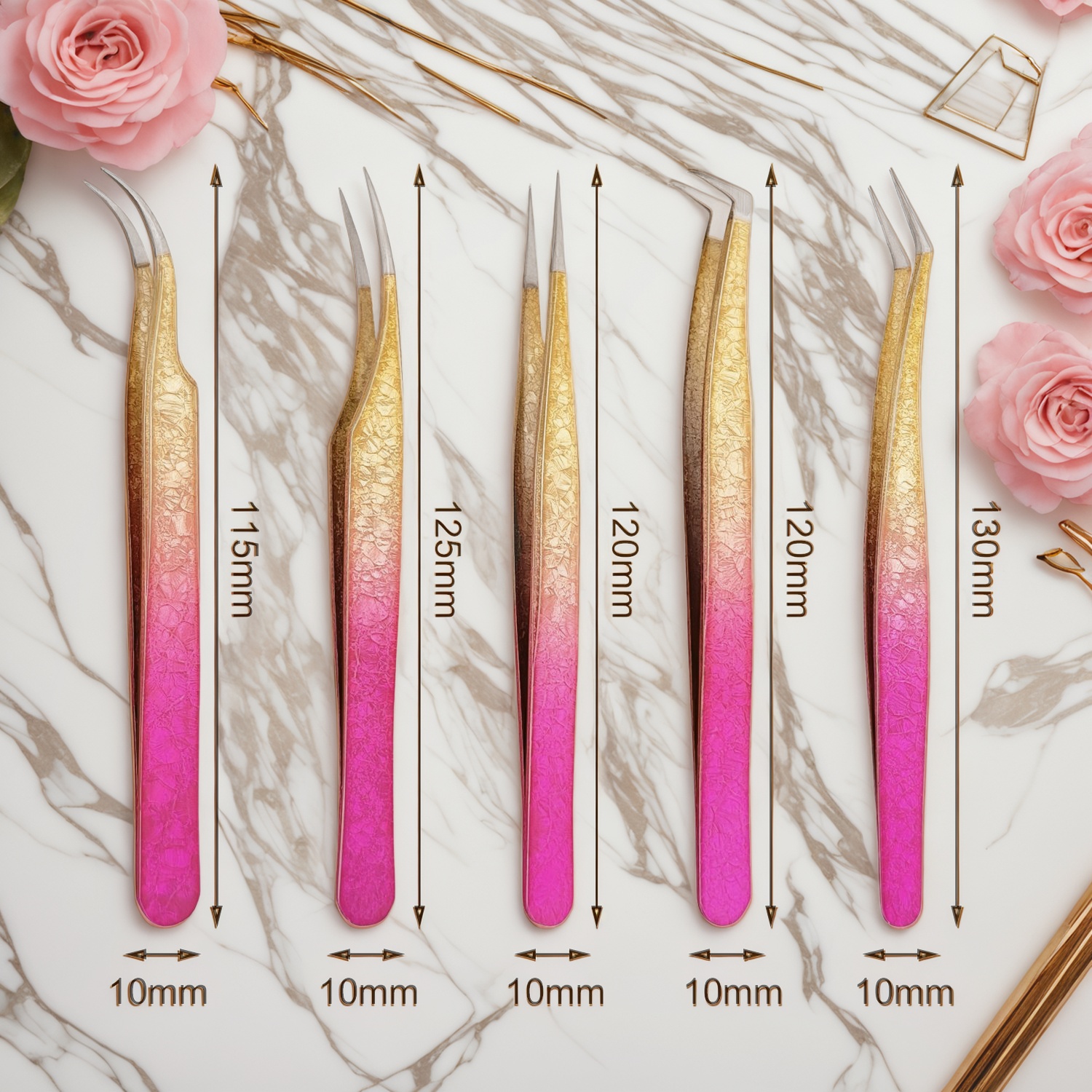
Who Buys Custom Tweezers in B2B Beauty Markets?
B2B tweezers are purchased by several types of beauty businesses, and each has a different buying priority. A distributor may care most about consistent quality across a broad wholesale order. A salon training academy may need practical, durable tools for students. A lash brand may want a tweezer that fits its visual identity and feels professional in the hand. An online retailer may focus on clear packaging, strong product images and a specification that is easy for customers to understand.
Before comparing suppliers or bulk pricing, define the intended sales channel. Tweezers for distributors often need a balance of professional quality and scalable cost. Tweezers for salon resale may need attractive presentation and clear usage instructions. Tweezers for lash extension professionals must place more attention on tip precision, grip stability and hand comfort during long service sessions. Custom tweezers for business success begin with matching the tool to the buyer’s real working environment.
Key Product Criteria Beyond Bulk Tweezers Price
Bulk tweezers price matters, but it should not be evaluated separately from performance. A low unit cost can become expensive if the product creates high defect rates, weak reviews or dissatisfied professional users. For beauty tools, the most important checks are practical and visible: how the tips meet, whether the tweezer feels stable, whether the finish is comfortable, and whether the product can be packaged and presented consistently.
Olimor Beauty offers tweezers described for precision and reliability, with ergonomic designs and durable stainless steel referenced in the product information. For buyers, these are useful starting points, but they should still be assessed against the application. Lash extension tweezers, brow tweezers and general beauty tweezers do not all require the same tip shape or tension. A professional who isolates lashes may prefer a different grip point than a customer who uses tweezers for brow grooming at home.
- Tip alignment: The tips should close evenly without visible gaps that reduce grip accuracy.
- Hand comfort: The body shape should be comfortable for repeated use and should not require excessive squeezing force.
- Surface finish: Smooth finishing helps the tool feel clean, professional and suitable for beauty retail.
- Application fit: Choose tip style and tension according to lash, brow or general beauty use rather than selecting one generic design for every channel.
- Packaging readiness: Confirm whether the tool presentation supports wholesale, retail display or private label shipment.
Customization Options That Actually Matter
Customization should support the commercial goal of the order. Many B2B buyers are interested in logo placement, colors, finish styles and packaging. These can help a brand look consistent across its beauty tool products, but customization should not weaken usability. A striking finish is only useful if the tweezer still closes accurately and feels balanced.
For private label tweezers, think about three layers of customization: the tool, the packaging and the sales information. The tool may include branding or a selected finish. The packaging may need to match your retail channel, whether that means a compact sleeve, a display-ready package or a more premium presentation. The sales information should explain the intended use clearly so the end customer chooses the correct tweezer.
Buyers building a wider product line can compare tweezers with other beauty tool products to keep materials, finishes and packaging direction consistent. If the tweezer will sit inside a larger retail program, reviewing related product collections can also help keep the assortment coherent rather than treating each tool as a separate one-off purchase.
How Distributors Should Compare Samples
Samples are one of the most useful tools in B2B tweezer sourcing. Instead of evaluating only by photos or descriptions, distributors should test how the tweezers perform in the hand. This is especially important for precision eyelash extension tweezers, where tip closure and grip feel can affect daily work. A simple comparison process can make decisions more objective and reduce the risk of choosing a product based only on appearance.
- Inspect the tips under good lighting. Check whether both sides meet evenly and whether the tips look clean and symmetrical.
- Test grip on the intended material. For lash tools, test with lash fibers or similar fine materials rather than thick paper.
- Compare tension. The tweezer should not feel too loose or too stiff for repeated professional use.
- Evaluate finish and edges. Run a careful visual and hand-feel check to ensure the product feels comfortable and properly finished.
- Review branding placement. A logo or mark should be visible and clean without interfering with the grip area.
- Check packaging fit. The package should protect the tips and present the product appropriately for the sales channel.
This process helps buyers compare custom tweezers across several options in a structured way. It also creates a record that purchasing, branding and sales teams can discuss together before moving into a larger order.
Bulk Purchasing and Scalability Considerations
When exploring bulk tweezers price options, buyers should look at the complete commercial picture. Price is affected by customization, finish, packaging complexity and order planning. A distributor launching a new product may prefer to validate demand before expanding volume, while an established beauty brand may focus on repeatability and timely replenishment. In both cases, the goal is to protect margin without sacrificing the tool quality that customers notice immediately.
A useful sourcing plan includes the target channel, expected selling price range, packaging needs and the level of customization required. If multiple tweezer styles are planned, consider whether they should share a common packaging system or visual identity. This can reduce confusion for end users and make the assortment easier for sales teams to present.
Businesses can send an inquiry when they are ready to discuss a custom tweezer program, including the intended application, packaging direction and branding needs. For broader sourcing questions or support in choosing a direction, buyers may also contact Olimor with details about the market they serve.
Quality Checks Before a Distributor Commits
Olimor Beauty’s product information refers to quality assurance from raw materials to packaging. For B2B buyers, quality control should be translated into practical checkpoints that match the sales channel. A beauty distributor does not need vague promises; it needs confidence that products will arrive in a condition suitable for resale and that repeat orders will feel consistent to the customer.
Before confirming a custom tweezer order, create a checklist that covers inspection, packaging and product presentation. This helps prevent misunderstandings and gives the supplier and buyer a shared standard. The checklist does not need to be complicated, but it should be specific enough to catch the issues that matter most.
| Checkpoint | Why it matters for B2B buyers |
|---|---|
| Tip closure and alignment | Directly affects grip precision and professional usability. |
| Tweezer tension | Influences hand comfort during repeated use. |
| Surface finish | Supports a clean, professional retail impression. |
| Logo or branding clarity | Protects brand image in private label programs. |
| Protective packaging | Helps prevent tip damage during storage and shipping. |
| Carton and labeling plan | Makes warehouse handling and distribution easier. |
Building a Stronger Beauty Tool Assortment
Custom tweezers for business work best when they are part of a clear assortment strategy. A distributor may offer a focused range of tweezers for lash professionals, brow grooming and retail beauty kits. A private label brand may choose one hero tweezer first, then expand after customer feedback. A salon supplier may bundle tweezers with other beauty tools for training or resale. Each path requires a different balance of cost, presentation and performance.
The strongest B2B programs are usually built on practical product decisions: clear intended use, reliable sample evaluation, appropriate customization and packaging that protects the tool. By focusing on these factors, buyers can choose B2B tweezers that support repeat orders and customer trust. Olimor Beauty provides a relevant sourcing option for companies that need custom tweezers for distribution, resale and branded beauty tool programs.
Tag: