

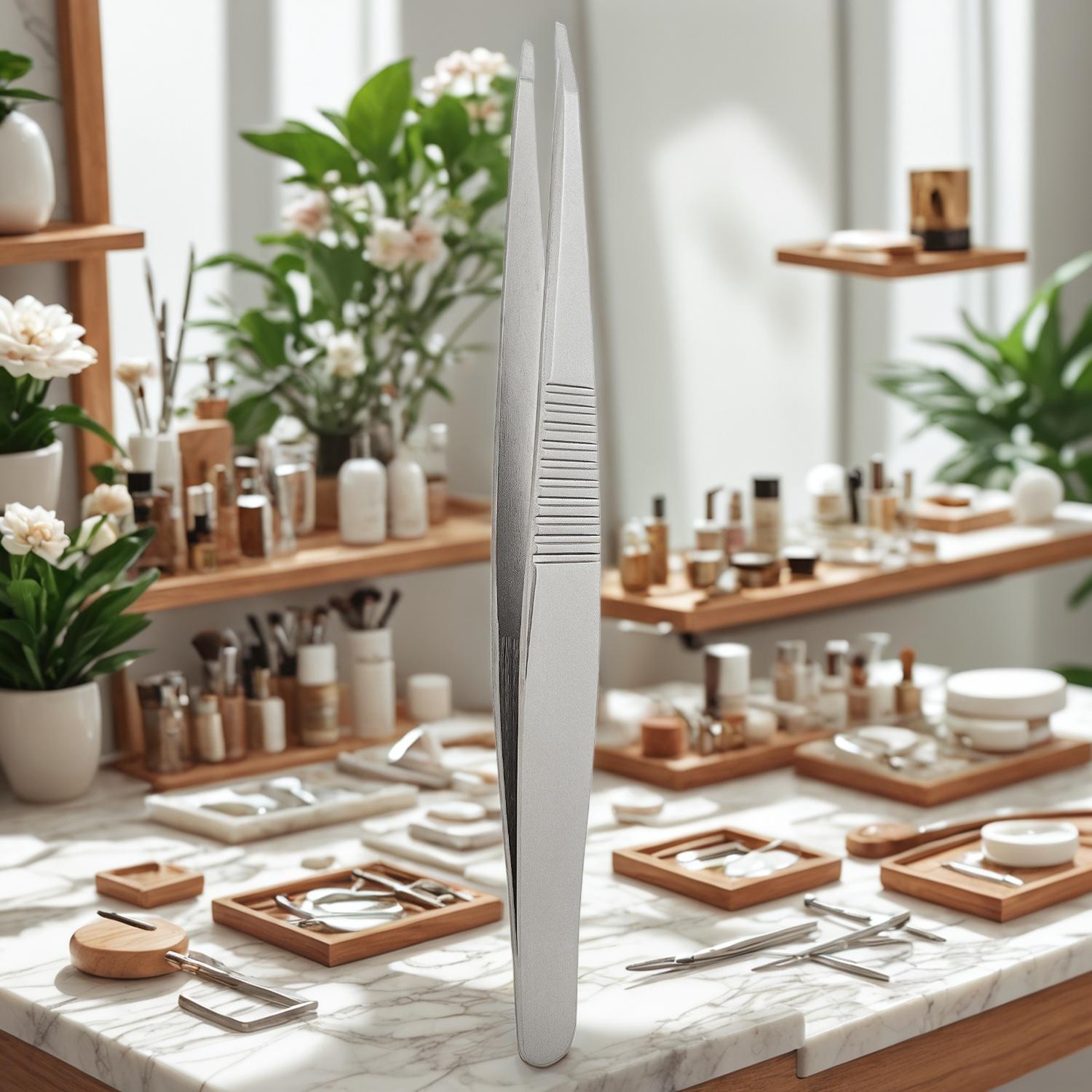
Custom Tweezers for Resellers: How to Source Better Beauty Tools
Custom tweezers look simple, but for a beauty business they can affect product reviews, repeat orders, return rates, and how customers judge the rest of your range. A pair of tweezers that feels weak, loses tip alignment, or arrives with inconsistent finishing can make a private label product seem cheap even when the packaging looks polished. For resellers, wholesalers, salon suppliers, and beauty brands, sourcing custom tweezers should be treated as a product development decision rather than a quick accessory purchase.
This guide explains how to evaluate B2B tweezers, what to consider before comparing bulk tweezers price, and how to choose specifications that match your audience. Whether you sell eyebrow grooming tools, add-ons for lash services, beauty kits, or retail accessories, the goal is the same: a tool that is consistent, comfortable, and appropriate for your brand promise.

Start With the User, Not the Lowest Unit Price
Before discussing customization, identify who will use the tweezers and how often. A consumer buying a grooming kit for home use has different expectations from a brow technician using a tool throughout the day. A reseller supplying salons may need a more durable, professional-feeling product than a brand building a low-cost promotional bundle. The best sourcing decision begins with the use case.
For eyebrow shaping, tip alignment and grip control matter most. For lash work, buyers may care about fine tips, steady hand feel, and repeatable tension. For general beauty retail, appearance and packaging may influence purchase decisions, but poor performance will still lead to complaints. Custom tweezers for business should therefore balance appearance, usability, and long-term reliability.
When reviewing possible products, consider these selection points:
- Tip purpose: Slanted tips, pointed tips, or other shapes should match the intended grooming or beauty application.
- Alignment: The two tips should meet evenly so users can grip fine hair or small items without repeated attempts.
- Tension: The squeeze should feel controlled, not overly stiff or too loose.
- Surface feel: A non-slip grip or textured area can help users maintain control, especially in salon settings.
- Material choice: Stainless steel is commonly preferred for beauty tools because it supports durability and a clean professional appearance.
- Finish consistency: Color, polish, coating, and printed or engraved branding should look uniform across the order.
What Makes B2B Tweezers Different From Standard Retail Supply?
Buying tweezers from a standard retail channel is usually designed for immediate consumer convenience. B2B sourcing is different. Businesses need repeatable quality, packaging options, branding control, and a supply partner that understands larger order requirements. A reseller cannot inspect every pair after customers receive them; consistency must be built into the manufacturing and quality control process.
Olimor Beauty focuses on beauty tool products for business buyers that need dependable presentation and performance. Compared with generic off-the-shelf supply, a B2B approach gives buyers more room to define the product around the end market. That might include handle finish, packaging format, logo placement, or the overall look of the tool within a beauty kit.
For tweezers for resellers, consistency is especially important. If one batch feels smooth and the next batch feels rough or misaligned, customers may question the reseller rather than the factory. This is why buyers should evaluate not only a sample, but also the supplier’s ability to maintain standards from raw material handling through final packaging.
Custom Options That Actually Matter to Buyers
Customization is useful when it improves recognition, merchandising, or user confidence. It should not be limited to putting a logo on a tool. For custom tweezers, the most valuable decisions are the ones that make the product easier to sell and more suitable for the customer’s routine.
Common areas to review include:
- Tip style and function: Choose the shape based on the intended use, not only appearance. A beauty retailer selling brow kits may prioritize a slanted tip, while a lash-focused business may need a different shape.
- Grip design: Non-slip grips can support control and help the tool feel more professional in the hand.
- Finish and color: The surface finish should match your brand positioning. A simple stainless look can feel clean and practical, while a colored finish may help shelf visibility.
- Logo method: Printing, engraving, or other branding methods should be selected according to the desired look, durability expectations, and available surface area.
- Packaging: A pouch, sleeve, box, or set packaging can change how customers perceive value and how easily resellers merchandise the product.
Buyers comparing beauty tool products should think about how tweezers fit into the wider assortment. If the tool will be sold with scissors, lash tools, mirrors, or nail accessories, visual consistency can make a line easier to present to retailers and end customers.
How to Compare Bulk Tweezers Price Without Sacrificing Quality
A low bulk tweezers price can be attractive, especially for resellers managing margins. However, price only tells part of the story. A cheaper tool may cost more over time if it creates returns, negative reviews, damaged packaging, or inconsistent repeat orders. For business buyers, the better question is not “What is the lowest price?” but “What quality level supports the selling price and customer expectation?”
The table below shows practical factors to compare when reviewing quotations:
| Decision Area | Why It Matters | What to Check |
|---|---|---|
| Tip alignment | Directly affects performance and customer satisfaction | Tips should meet cleanly and hold fine items with minimal effort |
| Material and finish | Influences durability, appearance, and perceived value | Look for consistent surface treatment, clean edges, and professional finishing |
| Grip and tension | Controls comfort during use | Test whether the squeeze feels stable across multiple samples |
| Branding quality | Reflects on your business name | Check logo placement, clarity, and resistance to obvious defects |
| Packaging condition | Affects retail presentation and returns | Confirm that packaging protects the tool and supports your sales channel |
When reviewing prices, separate the cost of the tool from the cost of customization and packaging. A plain tweezer in bulk and a branded retail-ready product are not the same commercial offer. If you sell through online marketplaces, packaging durability may be as important as the tweezer itself. If you sell to salons, professional feel and repeat use may carry more weight than decorative packaging.
Quality Control Questions for Resellers and Private Label Buyers
Quality control should be discussed before placing a larger order. Olimor Beauty’s approach emphasizes stainless steel beauty tools, precision tips, non-slip grips, and internal quality control from materials to final packaging. For buyers, the practical step is to define what “acceptable” means for the intended market.
A useful buyer checklist may include:
- Are the tweezer tips aligned consistently across several samples?
- Does the tool grip fine hair or small test materials without slipping?
- Is the tension comfortable for repeated use?
- Are there sharp unintended edges, rough surfaces, or uneven finishes?
- Is the logo positioned correctly and readable?
- Does the packaging prevent movement, scratching, or visible damage during handling?
- Does the final appearance match the product images or approved sample?
Documenting these expectations helps avoid misunderstandings. For repeat orders, keep an approved sample or written reference so future batches can be compared against the same standard. This is especially important when selling under your own label, because customers associate every detail with your brand.
Packaging and Merchandising for Different Sales Channels
The right packaging depends on where the tweezers will be sold. A salon supplier may prefer practical protective packaging that is easy to store and distribute. A beauty retailer may need hangable packaging, a small box, or a format that works with a display. An e-commerce seller may care about compact size, protection during shipping, and how the product appears in listing photos.
For resellers, packaging is not just decoration. It communicates product positioning, protects the tool, and can reduce customer service issues. If tweezers arrive scratched, loose, or difficult to identify, the reseller may spend more time handling complaints. Good packaging should support the price point and make the product easy to understand at first glance.
If you are developing a wider beauty tool line, browse Olimor product collections to consider how tweezers can coordinate with other items. Matching finishes, packaging language, and product functions can make your range easier to present to retail buyers or online customers.
When Custom Tweezers Are the Right Business Move
Custom tweezers make sense when your business needs more control than a generic retail product can provide. They are useful for private label launches, salon supply programs, promotional beauty kits, subscription boxes, and resellers building a recognizable product range. They are also a practical choice when you need consistent batches and a product that supports repeat purchasing.
However, customization should be planned carefully. Avoid adding features only because they look interesting on a sample. Focus on the end user, the sales channel, and the quality level your brand can stand behind. A well-sourced tweezer may be a small item, but it can help customers trust the rest of your beauty tool offering.
To prepare for sourcing, define your target user, preferred tip style, branding needs, packaging format, and expected sales channel before requesting options. If you need help matching custom tweezers to a reseller or private label project, you can contact Olimor or send an inquiry with your product requirements. Clear information at the start makes it easier to compare solutions, review samples, and choose a tool that supports long-term business value rather than only a low upfront price.
Tag: