

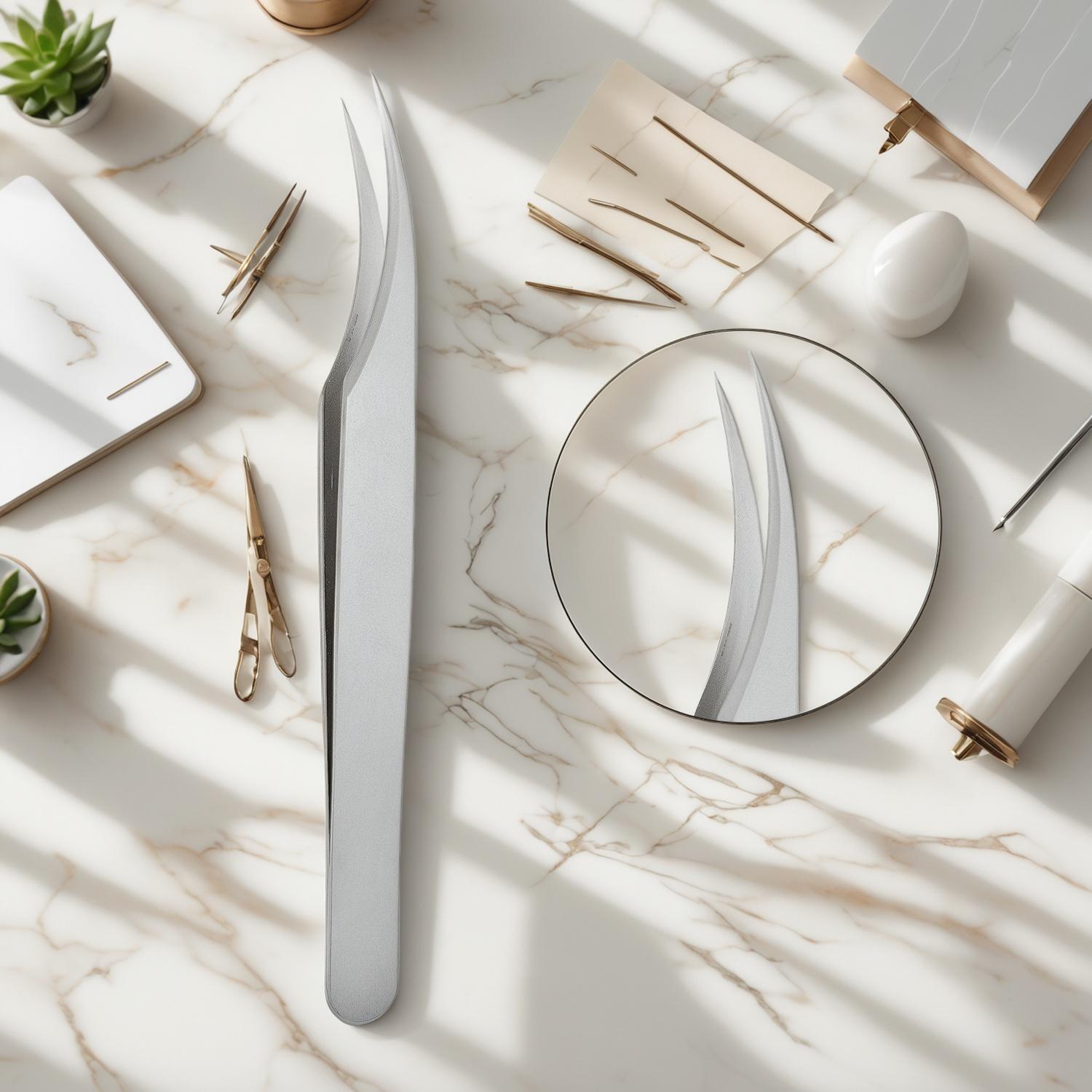
Custom Tweezers for Business: Sourcing Precision, Consistency and Value
For beauty brands, salon suppliers and distributors, tweezers are small tools with a large impact on customer trust. A pair that grips cleanly, aligns correctly and feels controlled in the hand can support precise brow shaping, lash work and retail beauty routines. A pair that slips, pinches unevenly or corrodes quickly can create returns, complaints and damage to a product line. That is why sourcing custom tweezers for business should be treated as a product development decision, not only a purchasing task.
The right B2B tweezers supplier helps you balance performance, appearance, packaging and commercial value. Buyers often begin with the bulk tweezers price, but the lowest unit cost is rarely the whole story. Tip accuracy, material choice, finishing, inspection, packaging protection and repeat-order consistency all influence the real cost of a tweezer program. This guide explains how to evaluate tweezers for distributors, beauty retailers and professional supply channels before placing a bulk order.

Start with the End User and the Sales Channel
Before comparing samples, define who will use the tweezers and where they will be sold. A professional lash technician, a brow bar, a cosmetic retailer and a gift-set buyer may all need different priorities. Professional users often care most about grip precision, hand comfort and repeatable alignment. Retail customers may also focus on appearance, packaging and ease of use. Distributors need a product that can be explained clearly, stocked efficiently and reordered with confidence.
For example, tweezers intended for lash extension work may require a different tip shape from tweezers intended for general grooming. Brow shaping often benefits from a slanted tip that offers visibility and control. Intricate work may require a curved or fine tip, depending on the task. Rather than selecting one shape because it looks popular, connect each design to a use case. This makes your product range easier to sell and reduces mismatches between customer expectations and actual performance.
If you are building a wider beauty tool assortment, compare tweezer choices with related categories in Olimor’s beauty tool products and product collections. Reviewing tools as a coordinated range can help you keep finishes, packaging and quality expectations consistent across the line.
What Makes B2B Tweezers Worth Sourcing?
Business buyers should evaluate tweezers through measurable details. The tool may look simple, but performance depends on how well the two arms align, how the tips meet, how stable the tension feels and how the surface is finished. Stainless steel is widely used in beauty tweezers because it can offer durability and resistance to corrosion, but buyers should still confirm the exact material requirements, surface finish and care expectations for their market.
Useful evaluation points include:
- Tip alignment: The tips should meet evenly without visible gaps when closed under normal pressure.
- Grip performance: The tweezer should hold fine hair or lash materials without excessive force or slipping.
- Hand tension: Resistance should feel controlled, not too loose for precision and not too stiff for repeated use.
- Edge finishing: The working edges should be precise while avoiding roughness that can scratch skin or damage packaging.
- Surface consistency: Polished, matte or coated finishes should look even across a shipment.
- Protective packaging: Tips should be protected during transport to reduce bending, chipping or contamination.
For distributors, consistency across cartons is especially important. A sample that performs well is only useful if production units match it closely. When reviewing B2B tweezers, ask for a clear sample approval process and compare production pieces against the approved sample before accepting a shipment.
Choosing Tip Styles for Brow, Lash and Retail Assortments
Tip design is one of the most important decisions in a custom tweezer project. It affects not only performance but also how the product is marketed. A single all-purpose tweezer may work for a basic retail item, while a professional or distributor range may need multiple tip styles for different users.
| Tip or design focus | Common business use | Buyer evaluation point |
|---|---|---|
| Slanted tip | Brow shaping and general grooming | Check that the slant closes evenly from edge to edge and grips fine hairs cleanly. |
| Pointed or fine tip | Detailed work where visibility matters | Review sharpness, safety, protection during shipping and suitability for the intended market. |
| Curved tip | Intricate beauty work, including some lash applications | Confirm angle, control and comfort for users who need precision at close range. |
| Ergonomic body | Professional salon or repeated-use settings | Assess hand fatigue, tension and whether the shape supports long sessions. |
Do not select a tip style only from a catalogue image. Test the tool in the actual application. For lash-related use, review how the tweezer handles light materials and repeated picking movements. For brow use, test fine and coarse hair grip. For retail, consider whether the average customer can use the shape safely and confidently without professional training.
Custom Options That Add Commercial Value
Customization should support your brand strategy, not distract from function. For tweezers, common business priorities include finish, color direction, logo placement, packaging format and assortment planning. A minimalist professional line may need clean branding and protective sleeves. A retail beauty line may need carded packaging, a compact box or a set presentation. A distributor may prefer neutral packaging that works across multiple sales channels.
When considering custom tweezers for business, separate visual decisions from performance decisions. Logo placement, finish and packaging can make the item more attractive, but they should not compromise alignment, grip or durability. Coatings and decorative finishes should be evaluated for appearance consistency and whether they affect the feel of the tool. Packaging should protect the tips and prevent movement during shipping, especially for pointed or fine-tip tweezers.
A practical customization brief should include the intended user, preferred tip style, desired finish, packaging concept, market positioning and inspection expectations. If you are unsure which option best fits your range, you can contact Olimor with your use case or send an inquiry for a business sourcing discussion.
How to Judge Bulk Tweezers Price Without Losing Quality
Bulk tweezers price matters, particularly for distributors and private-label buyers. However, price should be compared against the full value of the product. A slightly cheaper tweezer can become more expensive if it creates higher defect rates, customer complaints, repacking work or inconsistent repeat orders. The goal is to understand what is included in the price and what risks remain.
When comparing quotations, look beyond the unit number. Consider whether the price includes the selected finish, packaging, tip protection, logo process, inspection requirements and export packaging. Also clarify the sample process and whether production will match the approved sample. If your business sells to salons or beauty professionals, a reliable grip and consistent tension may be more important than a minor cost saving.
For distributors, the best value often comes from a stable product that is easy to reorder. Consistency supports sales teams because they can confidently present the same quality to retailers and professional accounts over time. It also helps with reviews and repeat customers, which are more valuable than a one-time low purchase cost.
Quality Control Questions to Use Before Ordering
Olimor Beauty emphasizes internal quality control from raw material inspection to final packaging. As a buyer, you can make that process more effective by defining what matters for your product. Vague instructions such as “good quality” are difficult to inspect. Specific acceptance points make it easier to review samples, approve production and reduce misunderstandings.
- Define the use: Is the tweezer for brow shaping, lash application, retail grooming or a mixed assortment?
- Approve a physical sample: Keep one approved sample for comparison when reviewing production units.
- Check closure and alignment: Confirm that the tips meet evenly and do not twist under normal pressure.
- Test grip with realistic materials: Use fine hair, lash materials or other relevant items instead of relying only on visual inspection.
- Review finish under good lighting: Look for scratches, uneven coating, discoloration or rough edges.
- Inspect packaging protection: Make sure tips cannot be damaged easily during transport and handling.
- Document acceptable tolerances: Record what is acceptable for appearance, tension and packaging so future orders remain consistent.
This checklist is useful for both first orders and repeat orders. It also helps purchasing teams communicate with sales, quality and warehouse staff. Everyone involved should know what the approved tweezer looks and feels like.
Building a Tweezer Range for Distribution
Distributors often perform better with a clear range rather than a random collection of similar tools. A simple structure might include one everyday slanted tweezer, one precision style for detail work and one professional option with a focus on comfort. The exact lineup should reflect your customers, but each item should have a distinct purpose. This prevents internal competition within your own catalogue and makes it easier for sales teams to explain the differences.
Packaging and naming should also be clear, but avoid making claims that the product has not been tested to support. Instead of relying on broad claims, describe the intended use, tip style and care instructions accurately. Provide retailers with concise product information so they can reduce customer confusion at the point of sale.
Care guidance can reduce complaints. Recommend that users keep the tips protected, avoid dropping the tool, clean it according to the material and finish, and store it dry. For professional environments, care instructions should align with local hygiene practices and the user’s normal salon procedures.
Final Sourcing Takeaway
Custom tweezers for business should be selected through performance, consistency and brand fit. The best sourcing decision is not simply the lowest bulk tweezers price; it is the option that gives your customers reliable grip, your sales team a clear story and your purchasing team repeatable quality. By reviewing tip style, material expectations, ergonomic feel, packaging protection and inspection standards before ordering, brands and distributors can build a tweezer program that supports long-term trust.
Whether you are adding a single retail tweezer or developing a broader professional beauty tool range, start with the user’s task and work backward to the product details. A well-sourced tweezer may be small, but it can represent the precision and reliability customers expect from your brand.
Tag: