

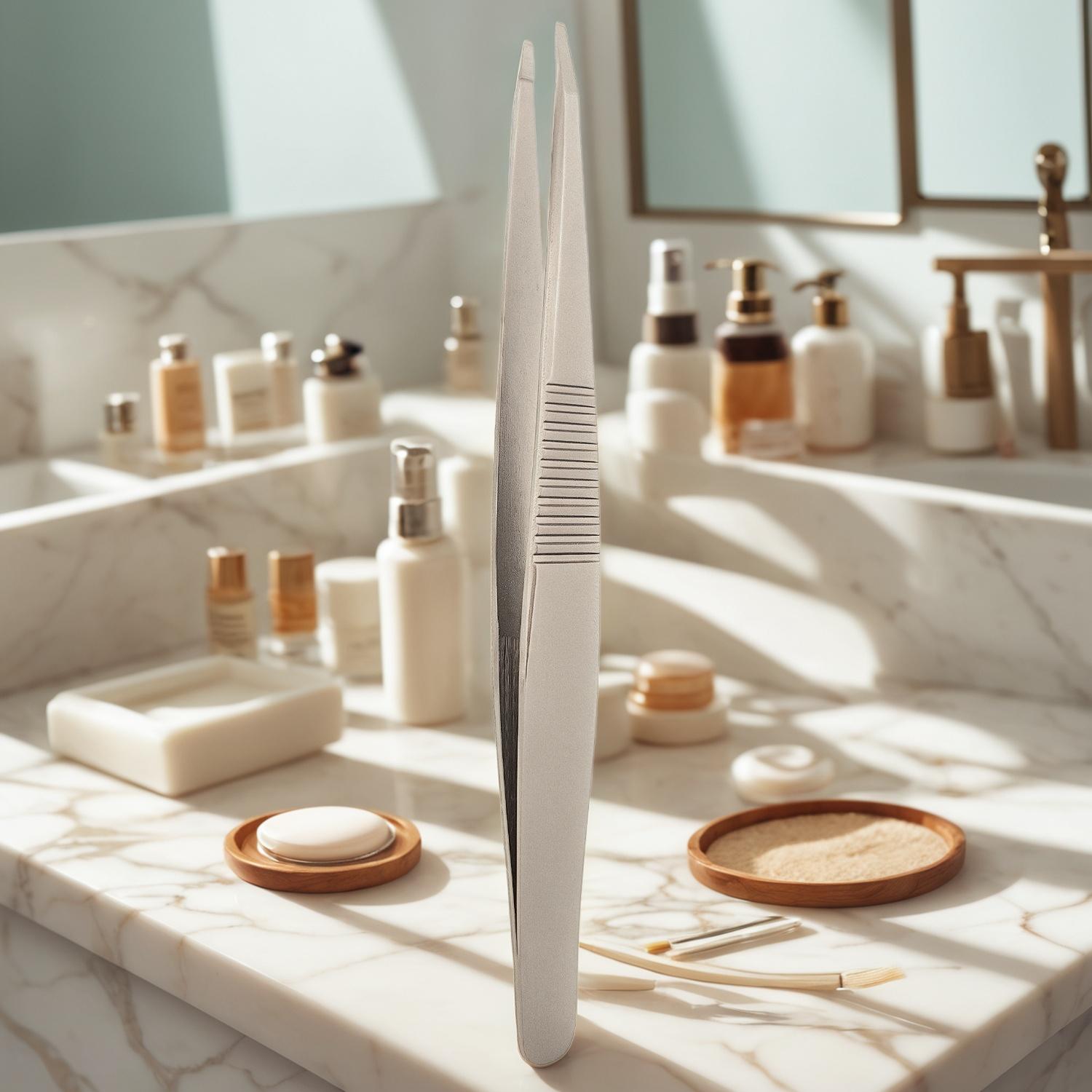
Custom Tweezers for Business: How to Balance Quality, Cost and Brand Value
For beauty resellers, salon suppliers, brow studios, cosmetics brands and promotional buyers, custom tweezers are more than a small accessory. They are a product that customers use close to the skin, often under bright light, and sometimes in a professional treatment setting. A tweezer that looks acceptable in a catalog can quickly damage confidence if the tips do not meet evenly, the grip feels unstable or the finish wears poorly after regular use.
The decision is often framed as quality versus quantity: buy the lowest-priced bulk tweezers and maximize volume, or invest in a better-made tool that supports a stronger brand position. In practice, the best sourcing decision considers both. A business needs a workable unit cost, but it also needs a product that is consistent enough to reduce complaints, protect repeat sales and justify the brand name printed on the tool or packaging.
Why Bulk Tweezer Price Is Only the Starting Point
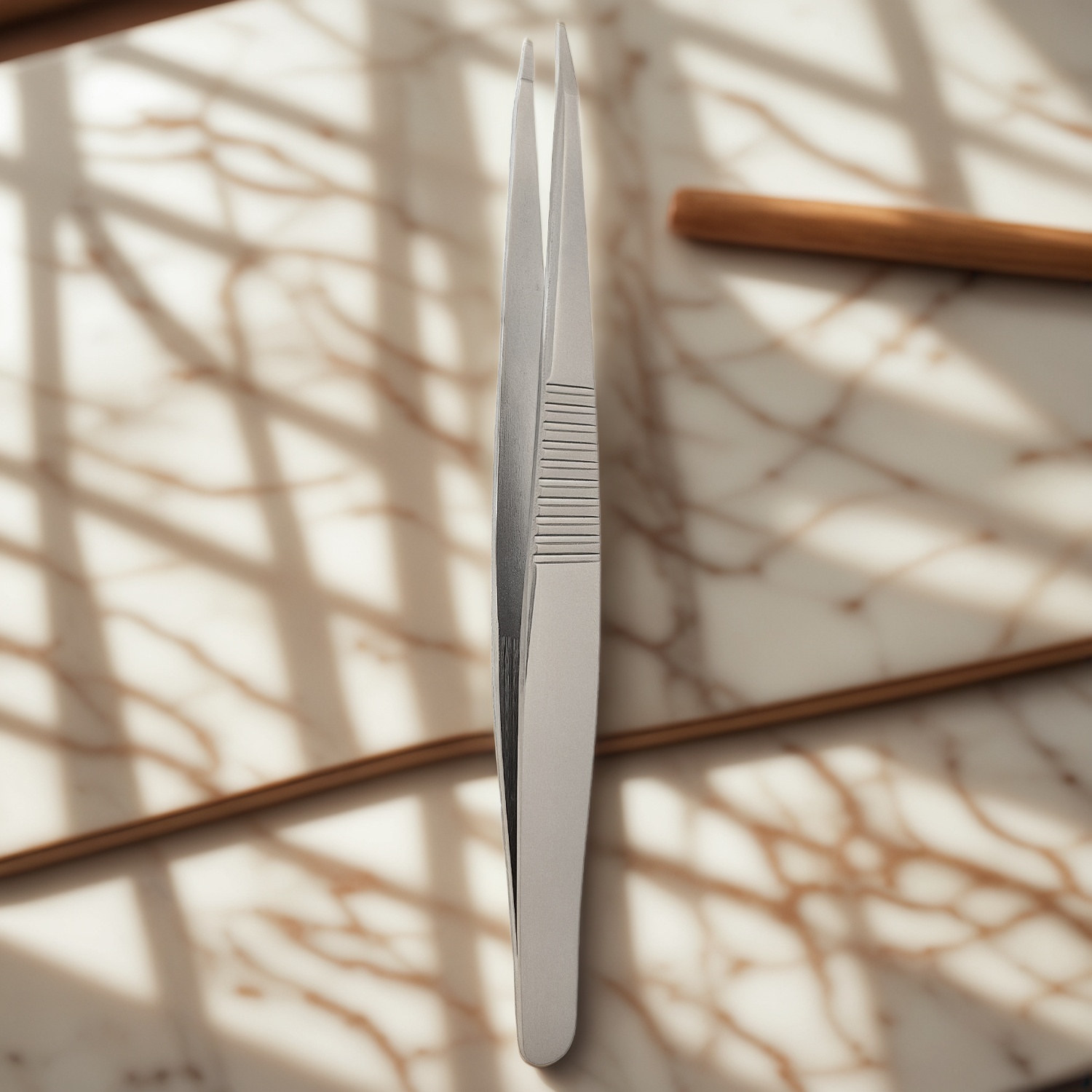
Bulk pricing matters, especially for resellers managing margins across a wider beauty tool range. However, the cheapest offer is rarely the full cost of ownership. Tweezers that arrive with inconsistent alignment, rough edges or weak tension can create hidden costs: extra inspection time, unsellable inventory, customer returns, negative reviews and lost confidence from wholesale accounts.
When comparing B2B tweezers, it is useful to separate the visible cost from the commercial risk. The visible cost is the quoted unit price. The commercial risk is the chance that the product will not perform to the level your customers expect. For a low-cost giveaway, the acceptable risk may be different from a retail tweezer sold as part of a brow care range. For a salon-focused product, precision and durability carry more weight because professionals may use the tool repeatedly throughout the day.
A better purchasing question is not simply, “Which supplier has the lowest bulk tweezers price?” It is, “Which supplier can provide a consistent tool at a price that fits the product’s intended market?” That shift helps buyers avoid overpaying for unnecessary features while also avoiding underbuilt tools that weaken a brand.
Quality Criteria That Matter for Custom Tweezers
Small differences in tweezer production can have a large effect on the user experience. Before placing a custom order, evaluate the qualities that influence performance, appearance and customer perception.
- Tip alignment: The two tips should meet cleanly without twisting, crossing or leaving a visible gap. Poor alignment makes it difficult to grasp fine hairs.
- Tip finish: Edges should feel precise but not harsh. Rough or uneven tips can feel uncomfortable and may reduce control.
- Tension and spring: The tweezer should open and close smoothly. Excessive stiffness can tire the hand, while weak tension can feel cheap and imprecise.
- Body shape: A practical ergonomic design improves handling, especially for brow artists and frequent users.
- Surface finish: Coating, polishing or color treatment should be visually consistent, with no obvious blemishes that reduce shelf appeal.
- Packaging fit: The packaging should protect the tips and present the product clearly. A good tweezer can still look low-value if the packaging is flimsy or poorly matched.
Stainless steel tweezers are commonly preferred in beauty tool sourcing because they offer a professional appearance and are suitable for precision tools. The exact material choice, finish and customization method should match the sales channel and end user. A promotional set, a private-label retail item and a professional brow tool may all require different trade-offs.
Choosing Tweezers for Resellers, Salons and Beauty Brands
The right custom tweezer depends on how it will be sold and used. A reseller supplying value-focused retail shops may need a clean, reliable design with simple packaging. A salon distributor may prioritize tip performance, comfortable handling and packaging that protects the tool between uses. A cosmetics brand may want a tweezer that coordinates with a wider product story, gift set or launch campaign.
For resellers, consistency across cartons is especially important. Wholesale buyers expect repeatable quality because they are often selling to multiple downstream customers. One good sample is not enough if the bulk order varies from piece to piece. For salons, the tool must feel dependable in the hand; a brow technician will notice immediately if the tweezer pulls poorly or lacks control. For beauty brands, the tool also carries visual responsibility. Color, logo position and packaging should support the brand identity without distracting from performance.
Businesses building a wider sourcing plan can compare related beauty tool products to understand how tweezers fit into a broader assortment. If the goal is to develop a cohesive range, viewing product collections can also help buyers think about matching finishes, packaging approaches and retail positioning.
Customization Decisions That Affect the Final Result
Custom tweezers can include several layers of personalization, but more customization is not always better. Each choice should serve a commercial purpose. A minimalist logo on a polished tweezer may suit a professional brand, while bolder color may work for a youth-oriented retail range. Packaging may be more important than the tool color if the product is intended for peg displays or online photography.
Key customization decisions include logo placement, finish, color direction, tweezer type, protective cap or sleeve, and retail packaging. The ideal combination depends on whether the product is sold individually, included in a kit or used as a promotional item. A private-label retail product needs strong shelf presentation. A salon tool may benefit more from comfort and tip protection. A gift set may require the tweezer to coordinate with other beauty accessories.
Buyers should also consider whether the customization method is suitable for the chosen finish and expected use. A design that looks attractive in a mockup should still remain legible and appropriate on the actual tweezer surface. Sampling and pre-production review help confirm that logo scale, color contrast and packaging layout work in real conditions.
A Practical Checklist Before Placing a B2B Tweezer Order
A structured evaluation reduces sourcing mistakes. The following checklist helps compare suppliers and samples beyond price alone.
- Define the use case: Decide whether the tweezers are for professional use, retail resale, gifting, kits or promotional distribution.
- Inspect sample alignment: Test whether the tips meet evenly and can grip fine material without slipping.
- Check comfort: Open and close the tweezer repeatedly to assess hand feel, tension and control.
- Review finish consistency: Look for scratches, uneven coating, discoloration or rough edges.
- Confirm branding layout: Make sure the logo size, position and contrast are appropriate for the tool.
- Evaluate packaging protection: Ensure tips are protected and the product can be handled, stored and shipped without easy damage.
- Clarify quality expectations: Set practical acceptance criteria for alignment, appearance and packaging before bulk production.
- Consider after-sale impact: Estimate the cost of complaints, replacements and negative reviews if quality is inconsistent.
This approach does not eliminate the importance of unit price. Instead, it places price in the right context. A slightly higher unit cost may be worthwhile if it reduces reject rates and supports a stronger retail price. On the other hand, a simple design may be perfectly suitable when the buyer’s goal is an affordable but dependable accessory.
How Quality Control Protects Brand Trust
For custom tweezers, quality control should focus on the details customers notice immediately: tip alignment, closing action, surface appearance and packaging condition. Because tweezers are small precision tools, inconsistency is easy to overlook during a quick visual check but obvious during use. A structured inspection process helps reduce that gap.
Olimor Beauty emphasizes quality-focused manufacturing and internal checks from raw materials through final packaging. For business buyers, this matters because the product is not anonymous once it carries your brand identity. If a customer receives a tweezer that fails to grip properly, the disappointment is associated with the reseller or brand printed on the product, not only with the factory that produced it.
Reliable quality also supports better sales conversations. Distributors can present the product with confidence, salons can recommend it to clients, and online retailers can reduce the risk of performance-related reviews. Over time, consistency becomes part of the brand value.
Building a Better Supplier Partnership
Sourcing custom tweezers for business is not just a one-time purchase. For resellers and beauty brands, the strongest results often come from working with a manufacturer that understands the intended market, the branding goal and the performance standard required. Clear communication at the beginning helps avoid costly changes later.
Prepare information such as target sales channel, expected user, preferred finish, branding needs, packaging style and quality priorities. If you already have a benchmark product, use it to explain the level of tension, tip shape or presentation you want. If you are comparing options, request guidance on which choices are practical for your budget and positioning.
For a new custom tweezer project or a broader beauty tool sourcing plan, you can send an inquiry with your requirements or contact Olimor to discuss suitable directions. A thoughtful supplier conversation should help you balance cost, quantity and product reliability rather than pushing the cheapest option by default.
The Smarter Balance: Quantity With Consistency
The best custom tweezer sourcing strategy is not simply to choose quality over quantity or quantity over quality. It is to choose a product level that fits your market and can be repeated consistently in bulk. For a business, that consistency protects margins, supports customer satisfaction and strengthens the value of the brand on the tool.
When comparing B2B tweezers, look past the first number on the quotation. Evaluate how the tool performs, how it looks in packaging, how well it represents your brand and what happens if customers are not satisfied. A carefully selected custom tweezer can be a small product with a large influence on trust, repeat purchases and professional reputation.
Tag: