

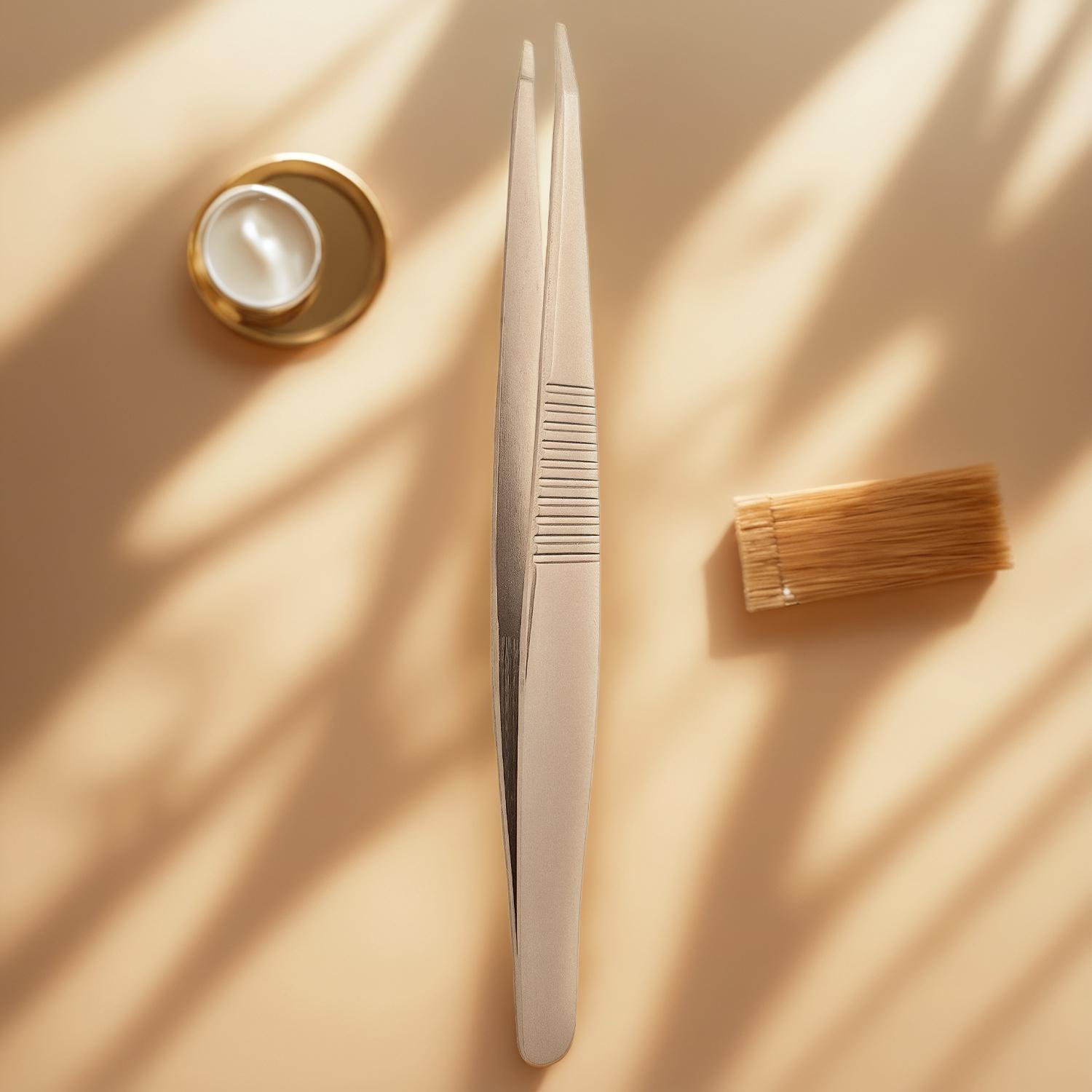
Custom Tweezers for Business: Choosing Precision Tools for Resale, Salon Use and Branding
Custom tweezers look simple, but for a beauty business they carry more responsibility than their size suggests. A tweezer may be used by a brow technician all day, included in a retail grooming kit, sold under a private label, or supplied to a distributor that expects repeatable quality across many units. If the tips do not meet cleanly, the tension feels inconsistent, or the finish looks uneven, the problem becomes a reflection of the brand that supplied it.
For business buyers, the sourcing decision should not be based only on the lowest bulk tweezers price. Price matters, especially for resellers and kit builders, but the better question is whether the tool can deliver consistent performance across an order and support the brand experience you want customers to associate with your company. Olimor Beauty focuses on professionally crafted beauty tools, including tweezers designed for reliable handling, ergonomic use and internal quality checks. This guide explains what to evaluate before placing a custom tweezer order for B2B use.
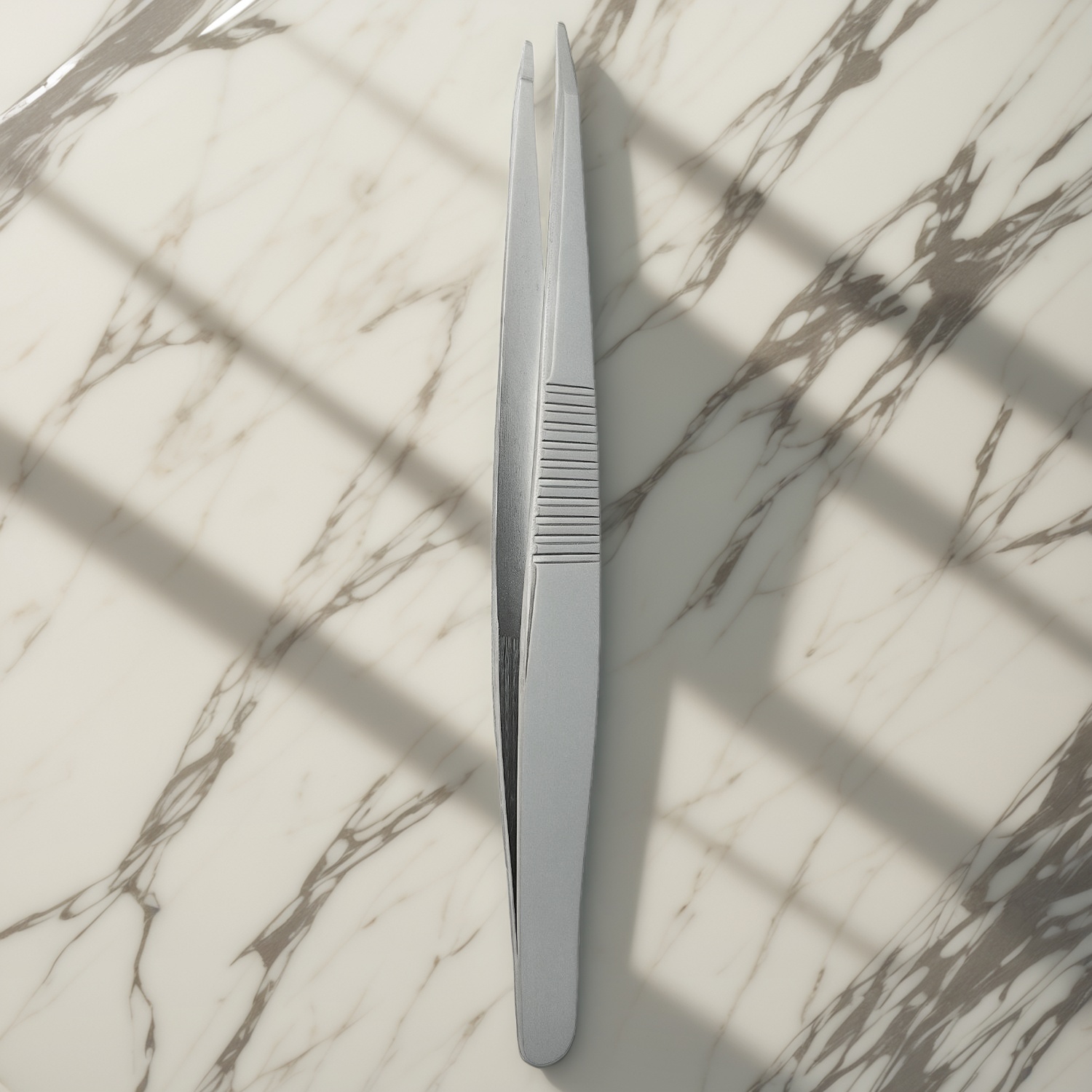
Why Business Buyers Need More Than Generic Tweezers
Generic tweezers can appear attractive when a purchasing team is comparing only unit cost. However, the real cost of a low-grade tool often appears later: more returns, poor reviews, inconsistent technician feedback, or a retail product that fails to encourage repeat purchase. In beauty retail and professional grooming, precision is not a luxury detail. It is the main function of the tool.
Business buyers also have requirements that individual consumers usually do not. They need consistent shape, stable tip alignment, a presentable surface finish, packaging compatibility, and a product that can support brand identity. A reseller may want a tweezer that looks polished in an online listing. A salon group may need tools that staff can use comfortably during repeated services. A beauty brand may need a tweezer that feels appropriate inside a grooming set or promotional kit.
When reviewing beauty tool products, look at custom tweezers as part of your overall customer promise. If your brand is positioned around careful grooming, professional results or dependable daily tools, the tweezer must match that message in both appearance and performance.
Core Performance Criteria for B2B Tweezers
A useful sourcing discussion starts with function. Decorative finishes and branding can matter, but they cannot compensate for weak alignment or uncomfortable handling. The following criteria help buyers compare samples in a structured way.
- Tip alignment: The two tips should meet evenly without visible gaps. Poor alignment makes it difficult to grip fine hairs and can lead to breakage instead of clean removal.
- Grip precision: A professional tweezer should hold fine or short hairs without requiring excessive force. This is especially important for brow shaping and detail work.
- Tension and spring: The arms should have enough resistance for control, but not so much that extended use causes hand fatigue.
- Edge finish: The gripping edges should feel controlled and clean, not rough or poorly finished. Rough edges may affect comfort and performance.
- Surface consistency: Visible scratches, uneven polishing or inconsistent coloring can reduce perceived value, particularly for retail products.
- Ergonomic feel: The tool should sit securely in the hand and be easy to control. Olimor Beauty places technical emphasis on ergonomic design, which is important for both professional and consumer use.
For procurement teams, sample testing should involve more than visual inspection. Test several pieces, not just one. Use them on realistic grooming tasks and note whether the performance feels consistent from piece to piece. This helps reveal whether the supplier can meet B2B expectations rather than simply provide an attractive sample.
Custom Branding Decisions That Affect the Final Product
Custom tweezers for business are often purchased for private label programs, retail assortments, gift sets or professional salon ranges. Branding can add commercial value, but it needs to be planned around the tool’s shape, finish and intended use. A logo that looks clear on a flat handle may not work as well on a curved or narrow surface. A finish that looks premium in photos should also resist looking worn too quickly during handling and packaging.
Before approving a branded tweezer, define what the customer will see first: the tool itself, a retail box, a pouch, a kit insert or an online product image. Each scenario changes the branding priority. For online resale, clean photography and finish consistency are important. For salon use, comfort and durability may matter more than a highly decorative surface. For a promotional set, the logo may need to be immediately visible while still appearing neat and professional.
Useful branding questions include:
- Will the tweezer be sold as a standalone item or included in a kit?
- Does the logo need to be subtle, highly visible or matched to other tools?
- Will the finish suit your retail price point and brand positioning?
- Is the packaging designed to protect the tips during shipping and storage?
- Do your product images need a reflective, matte or colored appearance?
If your team is comparing multiple custom beauty tools at the same time, browsing Olimor Beauty product collections can help you consider how tweezers fit with related grooming and beauty accessories.
Price vs. Value for Resellers and Distributors
Bulk tweezers price is a reasonable concern, but it should be evaluated alongside defect risk, customer satisfaction and brand positioning. A very low price may reduce the purchase order total, yet it can create hidden costs if the product leads to returns, replacement requests or weak reviews. For distributors, inconsistent quality can also make reordering difficult because customers expect the next batch to match the previous one.
Olimor Beauty’s approach is to provide professionally engineered tools with internal quality checks and a focus on consistent performance. The original material choice noted for these tweezers is high-grade stainless steel, a common preference in beauty tools because buyers value a clean, durable and professional feel. Since exact specifications can vary by sourcing requirement, buyers should confirm the details that matter to their market before production.
| Buyer priority | What to check in samples | Why it matters |
|---|---|---|
| Professional salon use | Tip alignment, tension, comfort during repeated use | Technicians need control and reduced hand strain |
| Retail resale | Finish consistency, packaging fit, perceived value | Customers judge quality before and after purchase |
| Private label branding | Logo placement, surface finish, color consistency | The tweezer must support the brand image |
| Distributor supply | Batch consistency, inspection process, reorder reliability | Repeat buyers expect stable quality over time |
The best value is usually not the cheapest tool or the most decorative one. It is the option that matches your sales channel, customer expectations and acceptable quality standard while keeping the total program commercially practical.
Quality Control Points Before Bulk Production
For B2B tweezers, quality control should be discussed before a full order is produced. A clear approval process helps reduce misunderstandings and gives both parties a practical reference. Instead of relying only on general descriptions such as “premium” or “professional,” define the observable features that matter.
A buyer checklist may include tip closure, symmetry, grip feel, tension range, surface appearance, logo clarity, packaging protection and labeling requirements. If the tweezer will be sold internationally or through regulated retail channels, the buyer should also prepare any documentation or compliance requirements relevant to their market. Avoid assuming that one sample approval covers every commercial need; the final use case should guide inspection priorities.
It is also important to think about transport and storage. Tweezer tips can be affected by poor packaging, heavy pressure or movement inside a kit. Even a well-made tool can arrive with issues if the packaging does not protect the working edge. For kits, the insert or pouch should hold the tweezer firmly enough to prevent damage while still allowing the customer to remove it easily.
When Custom Tweezers Are a Strong Fit
Custom tweezers are especially useful when your business needs a tool that carries your brand beyond a single transaction. They work well for brow and lash businesses, beauty retailers, salon groups, grooming kits, promotional beauty sets and distributors serving professional markets. A well-chosen tweezer can also complement other tools, helping a product line feel more complete without adding unnecessary complexity.
However, customization should have a clear purpose. If your customers care most about professional performance, prioritize tip quality and ergonomic handling first. If your sales channel is retail gifting, finish and presentation may have greater influence. If you sell to salons, durability, comfort and consistency should lead the conversation. Matching the product to the buyer’s real use case is the simplest way to avoid overpaying for features that do not affect satisfaction.
How to Prepare a Better Tweezer Inquiry
A strong inquiry saves time and helps the supplier respond with relevant options. Instead of asking only for a bulk price, prepare a short project brief. Include the intended sales channel, estimated order size if known, preferred finish or branding needs, packaging expectations, and any sample evaluation criteria. You do not need to have every technical answer ready, but you should know what your customers will expect from the finished product.
If you are comparing custom tweezers for business, Olimor Beauty can help you review practical options for resale, salon supply or branded beauty programs. You can send an inquiry with your project details, or contact Olimor to discuss the most relevant information for your sourcing plan.
The right tweezer should feel precise, look consistent and support the reputation of the company selling or using it. By evaluating alignment, tension, finish, branding and packaging before focusing on price alone, business buyers can select a custom tweezer that performs well in real use and represents their brand with confidence.
Tag: