

Custom Tweezers for Business: How to Choose Precision Tools for Salons, Distributors and Beauty Brands
Custom tweezers for business are not just small accessories in a beauty-tool catalog. For salons, lash artists, brow studios, spas, distributors and private-label buyers, tweezers affect daily speed, comfort, hygiene workflow and customer satisfaction. A tweezer that feels balanced in the hand, grips cleanly at the tip and remains consistent across repeat orders can make professional services easier to perform and easier to sell.
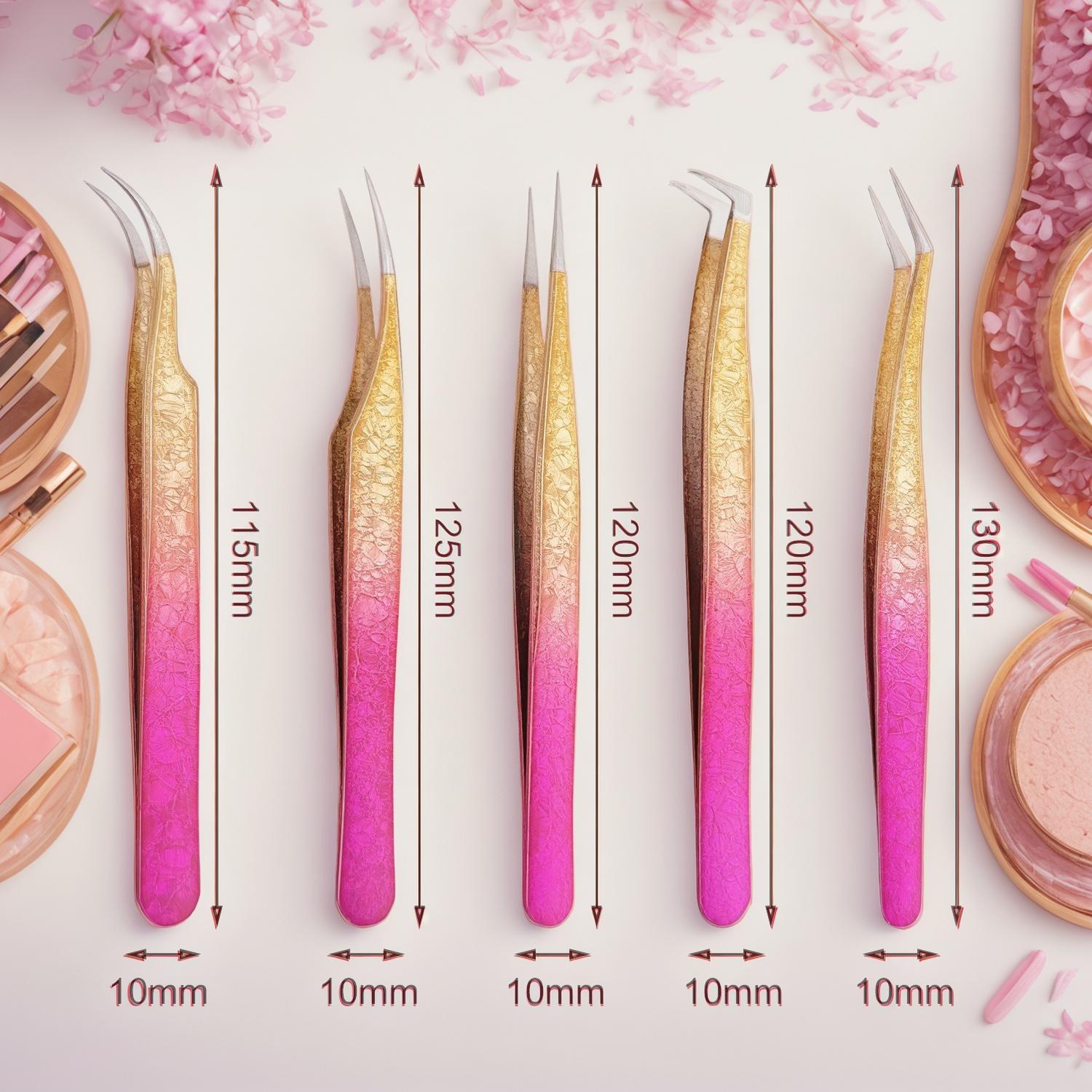
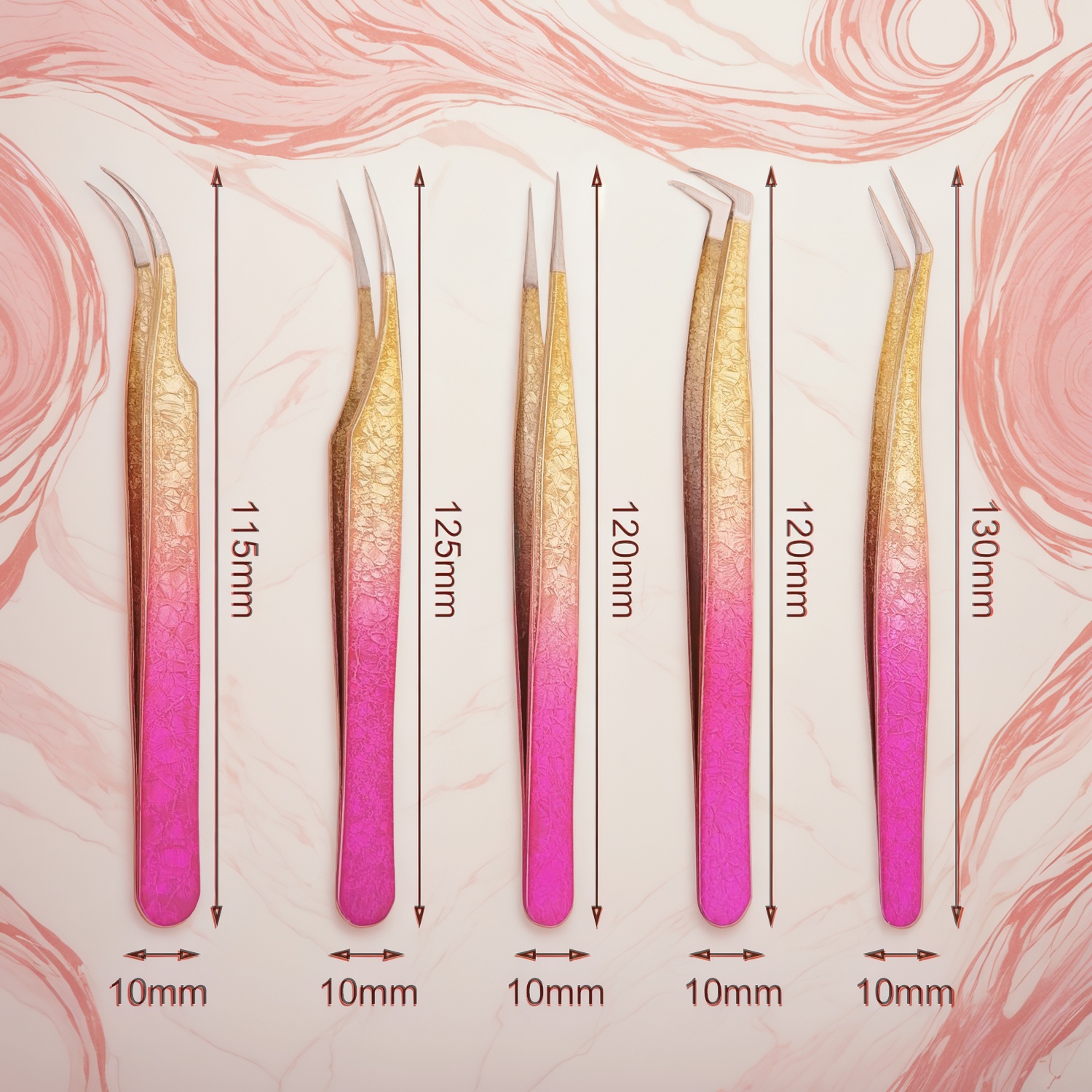
For B2B buyers, the goal is different from buying one pair for personal use. You may need tools that support multiple technicians, fit a retail display, suit a distributor assortment or match the look of a branded beauty kit. Olimor Beauty offers stainless steel tweezers for professional beauty use, including options in different lengths such as 115mm and 125mm, multiple tip styles and ombre designs. The best choice depends on the work your customers perform, the quantity you need and the quality checks required before tools enter your inventory.
Why Business Buyers Treat Tweezers as a Performance Tool
Professional tweezers are handled repeatedly throughout the day. A brow technician may use them for detailed hair removal, while a lash artist needs dependable tip contact for isolating and placing lashes. A distributor needs products that can be reordered with consistent appearance and function. In each case, the value of a tweezer is not only its unit cost but how well it performs over time.
Precision matters because the tip is the working surface. If the two sides do not meet cleanly, the user may squeeze harder, repeat the same movement or lose control during delicate tasks. Comfort matters because repeated pressure can create hand fatigue. Appearance matters because beauty professionals often display their tools in front of clients, and retailers need a design that feels intentional rather than generic.
That is why custom tweezers for business should be evaluated as part of a wider supply decision. The right product should match service use, staff skill level, packaging plans, brand presentation and reorder expectations. Buyers comparing beauty tool products should look beyond shape and color and consider how each detail affects the end user.
Match Tweezer Length and Tip Style to Real Use Cases
Olimor Beauty’s tweezer range includes lengths such as 115mm and 125mm, which can suit different handling preferences. A shorter tool may feel more compact and responsive for detailed brow work. A slightly longer tool may provide additional reach or a different balance point for lash services. There is no universal best length; the right choice depends on the technique, hand size and service environment.
Tip style is equally important. While a catalog image can show the general shape, B2B buyers should think about the exact task the tweezer is expected to complete. A beauty distributor may need several tip styles in one assortment so customers can choose according to their work. A salon chain may prefer a narrower selection to simplify staff training and replacement purchasing.
| Buyer scenario | What to prioritize | Why it matters |
|---|---|---|
| Lash extension studio | Accurate tip contact, comfortable grip, suitable length | Supports isolation and placement during repetitive detailed work |
| Brow salon or spa | Clean gripping edge, easy control, reliable tension | Helps technicians remove fine hairs with fewer repeated motions |
| Beauty distributor | Variety of tip styles, consistent appearance, reorder reliability | Allows a practical product range for different professional customers |
| Retail beauty kit supplier | Visual finish, packaging compatibility, general-purpose usability | Creates a more cohesive customer-facing product offer |
When selecting B2B tweezers, it helps to test samples in the same setting where they will be used or sold. A tool that looks appealing in product photography should also feel stable during actual service movements. For distributors, feedback from a few professional users can reveal whether a specific length, pressure level or tip style deserves a larger place in the assortment.
Bulk Tweezers Price Should Be Evaluated with Long-Term Value
Bulk tweezers price is a natural concern for business buyers, but the lowest unit price is not always the best purchasing decision. In professional environments, replacement frequency, defect handling, user acceptance and brand presentation all affect the real cost. A tweezer that requires frequent replacement can become more expensive than a better-made option that supports consistent service use.
For distributors, the cost question also includes sell-through. A product that looks professional, feels comfortable and has clear use cases is easier to explain to buyers. Ombre designs, for example, can add visual appeal for salons and retail kits without changing the practical need for precision. Appearance should support the buying decision, not replace performance checks.
Before placing a bulk order, business buyers can compare options using a simple checklist:
- Service fit: Confirm whether the tweezer is intended for lashes, brows, general beauty grooming or mixed professional use.
- Length preference: Compare options such as 115mm and 125mm against the handling style of the target user.
- Tip consistency: Check whether the tips meet evenly and grip fine material without slipping.
- Tension feel: Make sure the tweezer is not too stiff for long sessions or too loose for controlled work.
- Finish and appearance: Review color, surface finish and design details such as ombre effects for brand or retail suitability.
- Packaging plan: Consider whether the product will be used internally, resold individually or included in a beauty kit.
- Reorder expectations: Choose items that can fit a stable supply plan for repeat business.
This type of evaluation is especially useful for product collections where tweezers may sit alongside other beauty tools. A coherent collection should offer both visual consistency and practical differences between items.
Durability, Stainless Steel and Daily Professional Handling
The original material choice matters because tweezers must maintain their working shape under repeated use. Olimor Beauty offers stainless steel tweezers, a practical material for beauty-tool applications because it is widely used for tools that require structure, clean edges and professional handling. For business buyers, the question is not simply whether a tool is stainless steel, but whether the finished product delivers reliable tip alignment, smooth edges and an acceptable hand feel across the order.
Durability also depends on how the tweezers are used and stored. Even a well-made tweezer can lose precision if dropped, forced open, stored loose with heavier tools or used for tasks outside its intended purpose. Salons and spas can extend tool life by training staff to keep precision tweezers in protective storage when not in use and to separate service tools from general workstation items.
For distributors, durability should be communicated honestly. Avoid promising unrealistic performance claims. Instead, provide clear care guidance and match each tweezer style with the correct use case. Customers appreciate practical information: how to hold the tool, what services it is suitable for and how to avoid damaging the tip.
Ergonomics: Small Differences That Affect Long Sessions
Ergonomic design is especially important for professionals who perform detailed services for hours at a time. A tweezer that requires excessive force can tire the hand quickly. A tool with poor balance can feel awkward during precise movements. A shape that looks attractive but lacks control may frustrate technicians in real service conditions.
When comparing custom tweezers for business, consider how the tool performs during repeated opening and closing. Tension should feel controlled and predictable. The grip area should allow a stable hold without making the user pinch too hard. The length should match the technician’s preferred working distance from the client. These details are difficult to judge from specifications alone, which is why sample review is valuable before expanding into bulk purchasing.
For salons with multiple staff members, it may be useful to test more than one length or tip style before standardizing. One technician may prefer a compact 115mm tool, while another may find a 125mm option more comfortable. Standardization can reduce purchasing complexity, but only after the team confirms that the selected tool supports the services they perform most often.
Quality Checks for Distributor and Salon Purchasing
Olimor Beauty emphasizes quality checks from raw materials to final packaging. For B2B buyers, quality control should be translated into practical inspection points that can be understood by purchasing, warehouse and sales teams. The goal is to reduce surprises before products reach technicians or retail customers.
A useful incoming inspection process may include reviewing tip alignment, surface finish, tension consistency, visible defects and packaging condition. For larger orders, buyers can define acceptable inspection steps internally so that every shipment is reviewed in the same way. This does not require complicated language; it requires clear expectations and repeatable checks.
Key questions to settle before ordering include:
- Which tweezer length and tip style will be purchased?
- Will the tweezers be used by professionals, resold to beauty businesses or included in kits?
- What finish or appearance is appropriate for the target customer?
- How will the tools be packaged, stored and distributed?
- What inspection points will be checked before products are accepted into inventory?
If your business is building a new assortment or comparing several options, you can send an inquiry with your intended use, desired quantity range and preferred design direction. For broader sourcing questions, you can also contact Olimor to discuss professional beauty-tool needs.
Building a Better Tweezer Assortment for Business Growth
A strong tweezer assortment does not need to be complicated. It should give customers enough choice to match their service needs while avoiding unnecessary overlap. For many business buyers, a practical mix may include different lengths, different tip styles and at least one visually distinctive finish for customers who care about presentation. The assortment should be easy for sales teams to explain and easy for buyers to reorder.
For salons, the best approach is to choose tools that support the services performed most often, then keep backups available so damaged or worn tools can be replaced without disrupting appointments. For distributors, the best approach is to organize tweezers by use case rather than only by appearance. Buyers respond better when they can see which tool fits lash work, brow shaping or general grooming.
Custom tweezers for business deliver the most value when precision, durability, ergonomics, appearance and bulk purchasing are considered together. By focusing on real use conditions and clear quality checks, beauty businesses can choose tweezers that perform reliably, support professional presentation and fit long-term sourcing plans.
Tag: