

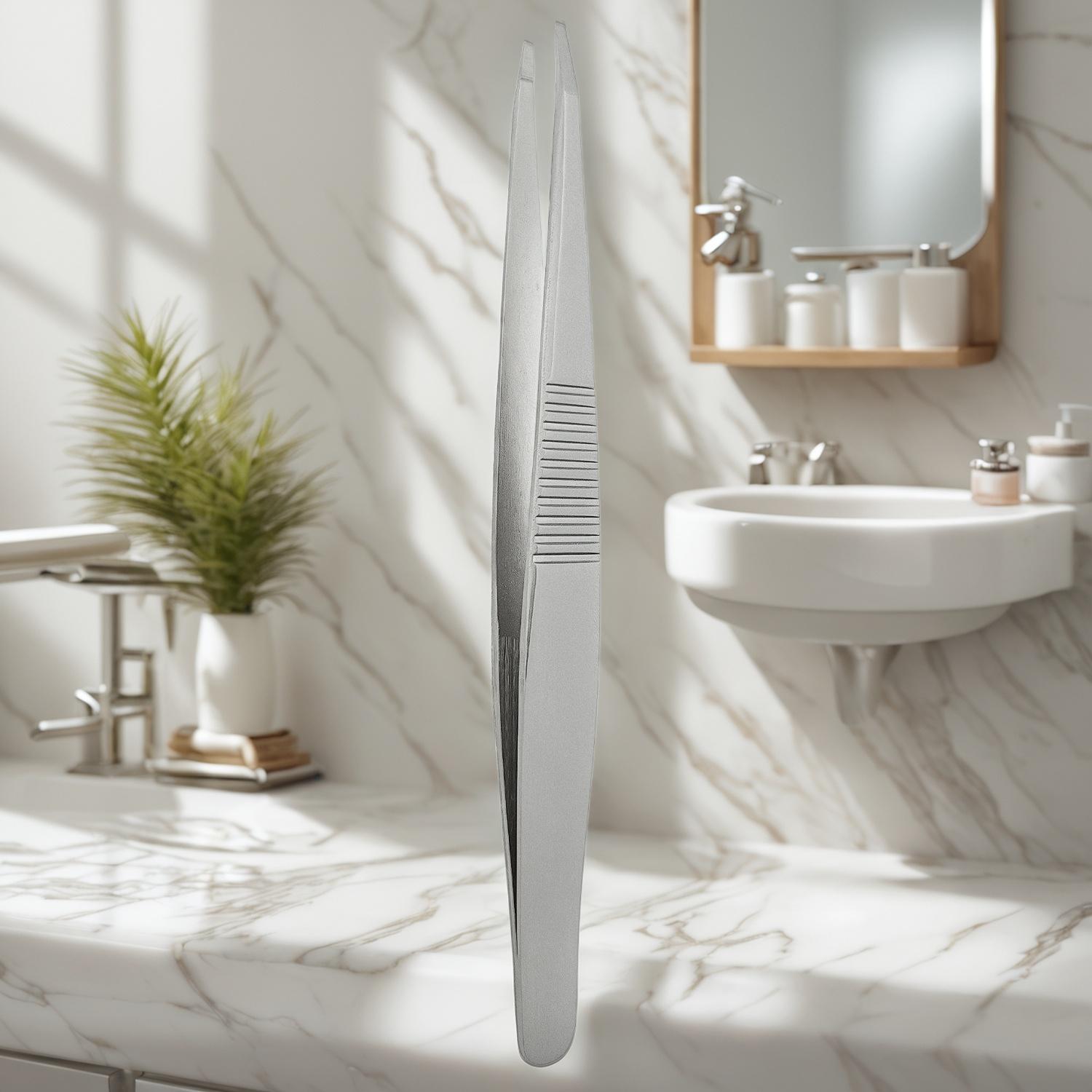
Custom Tweezers for Business: How to Source Precision Tools That Protect Your Brand
For salons, brow studios, beauty retailers and resellers, tweezers are small tools with a large impact. A technician notices immediately when the tips do not meet evenly, when the grip feels awkward, or when the tool loses precision after repeated use. Customers may not know the technical reason, but they can feel the difference during brow shaping, lash work, facial hair removal or product use at home.
That is why custom tweezers for business should be evaluated as professional beauty tools, not only as low-cost accessories. The right pair supports clean work, consistent handling and a more reliable customer experience. The wrong pair can lead to missed hairs, pinching, complaints, returns and weaker brand perception.
This guide explains how business buyers can compare B2B tweezers with a practical sourcing mindset: precision first, then material, ergonomics, branding, packaging and total value. If you are building a retail line, refreshing salon tools or comparing tweezers for resellers, these criteria will help you make a more confident purchasing decision.
Why Business Tweezers Need a Higher Standard
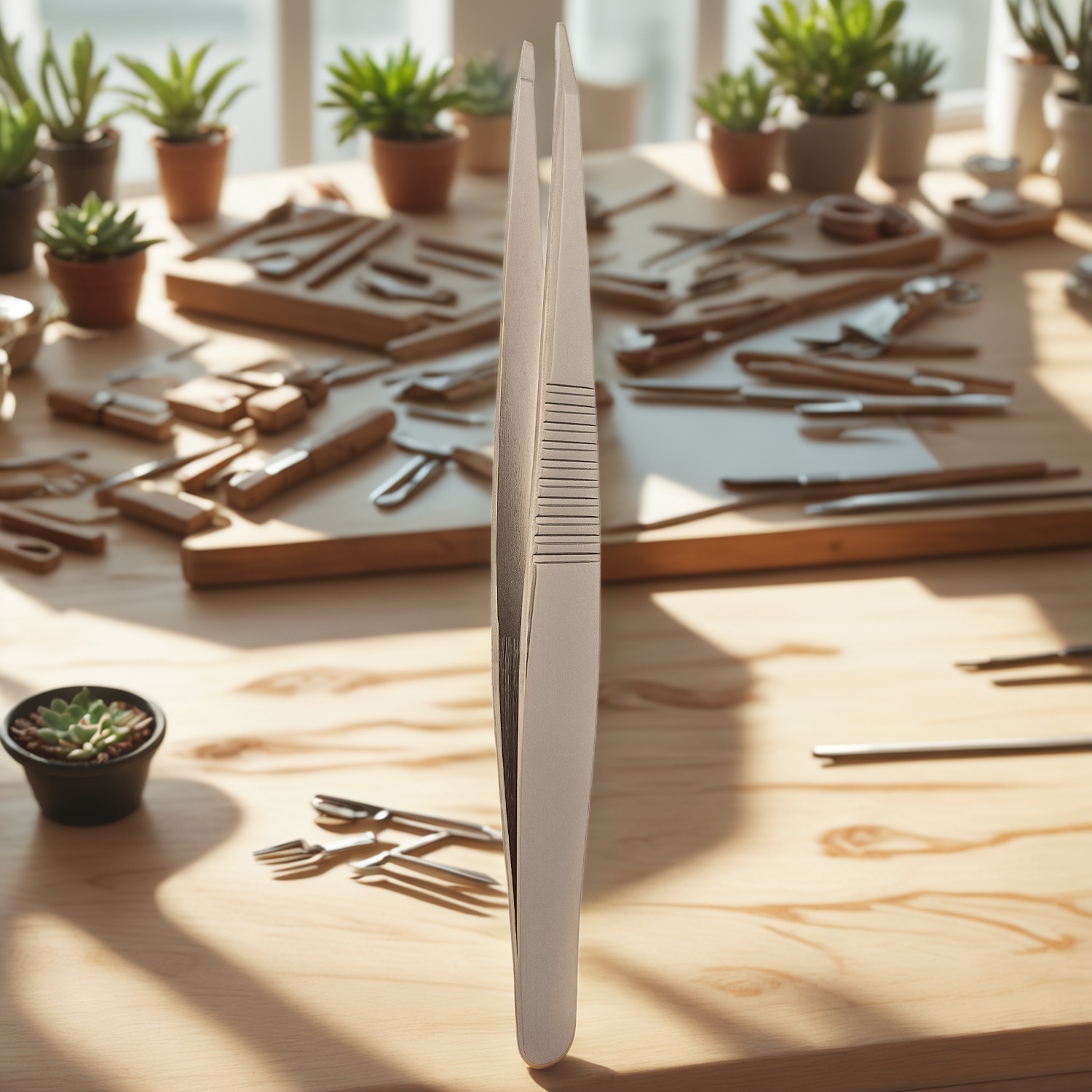
Consumer tweezers can be acceptable for occasional use, but commercial buyers have different requirements. A salon tool may be used many times in a day. A reseller product must satisfy different hand sizes, habits and expectations. A private-label item must look consistent across a batch, because packaging, finish and tool shape all reflect the brand behind it.
For business purchasing, the tweezer is not just a functional object. It is part of your service quality, merchandising strategy and customer trust. A well-made tool helps technicians work with more control. A neatly finished retail product can support repeat orders. A poorly aligned tool, however, creates problems that are often more expensive than the initial saving from choosing the lowest bulk tweezers price.
Olimor Beauty focuses on beauty tools for professional and commercial needs, including stainless steel tweezers designed around precision and usability. Buyers can review related beauty tool products to compare product types and identify which tweezer style fits their sales channel or service setting.
Key Precision Checks Before Ordering B2B Tweezers
The most important feature of a tweezer is the point where the two tips meet. If the tips are misaligned, too sharp for the intended use, too blunt, unevenly finished or difficult to close, performance will suffer. For bulk purchasing, do not judge the tool only by its shape in a product photo. Build a checklist that considers how the tweezer behaves in the hand and how consistently it can grip fine hair or small beauty materials.
| Selection point | What to examine | Why it matters for business buyers |
|---|---|---|
| Tip alignment | Tips should meet evenly without visible gaps | Improves grip consistency and reduces missed hairs |
| Closing tension | Tool should close smoothly without excessive force | Supports comfort during repeated salon or retail use |
| Edge finish | Tip edges should feel clean and controlled | Reduces snagging and supports a better user experience |
| Body shape | Handle width and angle should match the intended use | Affects control for brow, lash, facial or general grooming work |
| Surface finish | Coating or polish should be consistent across the batch | Helps retail presentation and perceived quality |
Different users may prefer slant, pointed, flat or other tweezer tip profiles depending on the task. A brow studio may prioritize a slant tip for general hair removal control, while a retail beauty kit may require a balanced shape suitable for a broad audience. Before placing a larger order, define the use case clearly so the tool can be evaluated against the right performance standard.
Material, Durability and Everyday Handling
Stainless steel is commonly chosen for professional beauty tweezers because it supports durability, a clean appearance and dependable tool structure. The supplied product information highlights stainless steel tools and ergonomic grip as important value points. For business buyers, those features should be considered in connection with how the tweezers will actually be used, stored, cleaned and packaged.
A durable tweezer should maintain its closing action and tip contact through normal use. If the tweezer bends easily, corrodes quickly, or has a finish that chips or stains in typical handling conditions, the product may create after-sales problems. Retailers also need to consider how tools will look after transportation and display. A tweezer that arrives with inconsistent polishing, rough edges or visible defects can affect both customer confidence and sell-through.
Ergonomics matter as much as material. If the body is too stiff, users may apply extra pressure, which can cause fatigue. If it is too flexible, control may be reduced. If the grip area is slippery or uncomfortable, a salon technician may avoid using the tool even if it looks attractive in packaging. For professional sourcing, handling comfort is not a luxury feature; it is part of the product’s practical value.
Custom Branding Without Sacrificing Tool Performance
Custom tweezers can help a business create a more complete brand presentation. A salon may want branded tools for retail add-on sales. A beauty distributor may need consistent packaging for multiple stores. A reseller may want a tool that feels more professional than a generic option. Customization can include visual choices such as logo placement, color direction, finish style or packaging approach, depending on the project and product availability.
However, branding should never distract from function. A tweezer can look impressive in a box but still fail if the tips do not align or the tension feels poor. When reviewing customization, prioritize performance approval first, then confirm decoration and packaging decisions. This order helps prevent a common sourcing mistake: approving a beautiful product that does not meet the expectations of working professionals or repeat retail customers.
Useful branding questions include:
- Will the logo remain readable at the actual size used on the tool or packaging?
- Does the finish match the audience, such as salon professionals, gift buyers or value-focused retail customers?
- Can the packaging protect the tips during shipping and storage?
- Does the overall presentation match nearby products in your line?
- Will the tool still feel comfortable after any decorative finish is applied?
Buyers comparing options can browse Olimor product collections to understand how different beauty tools can be grouped for retail, salon or promotional programs.
Looking Beyond Bulk Tweezers Price
Bulk tweezers price is an important part of any sourcing discussion, but it should not be the only decision point. A lower unit cost may appear attractive until returns, replacements, customer complaints, poor reviews or inconsistent repeat orders are included. A tool that performs reliably can produce better long-term value even when the initial price is not the lowest available.
For resellers, quality has a direct effect on brand reputation. Customers often remember small frustrations: a tweezer that cannot catch fine hairs, tips that feel rough, or a tool that looks worn too quickly. When these problems occur under your label, they become your problem, even if the original decision was made to reduce cost.
A more useful way to compare value is to look at the total business impact. Consider the expected sales channel, user expectations, packaging needs, after-sales risk, repeat purchase potential and the role of the tweezer in your wider assortment. If the product is part of a professional brow kit, a premium retail set or a salon resale program, reliable performance should carry more weight than a small price difference.
A Practical Sourcing Checklist for Salons, Retailers and Resellers
Before committing to a custom tweezer order, prepare a clear evaluation process. This helps align buyers, product managers, salon trainers and sales teams before final decisions are made. It also makes communication with the manufacturer more precise and reduces the chance of approving a tool based only on appearance.
- Define the user. Decide whether the tweezers are for salon technicians, home beauty customers, brow specialists, gift sets or general retail buyers.
- Choose the intended task. Identify whether precision brow work, general grooming, lash support or kit completion is the main use.
- Evaluate the tip profile. Compare how the shape performs with fine hair, short hair and controlled picking motions.
- Check hand comfort. Test the grip, tension and closing motion during repeated use rather than a single squeeze.
- Inspect finish consistency. Look for uniform polishing, clean edges and stable visual presentation across samples.
- Review packaging protection. Confirm the tips are protected well enough for shipping, display and storage.
- Compare value, not price alone. Weigh performance, appearance and customer satisfaction against the quoted cost.
If you are preparing specifications or comparing options for a purchasing project, you can send an inquiry with your intended use, target audience and customization goals. For broader guidance on product selection, you may also contact Olimor directly.
Building a Better Tweezer Program for Your Brand
A strong tweezer program starts with clear priorities. Precision determines whether the tool works. Stainless steel construction and careful finishing support durability and appearance. Ergonomic handling affects daily comfort. Branding and packaging help the product fit your market. Price matters, but it should be judged alongside the experience your customers will have after purchase.
For beauty businesses, custom tweezers are a small product category with meaningful influence. The right tool can support professional services, strengthen retail credibility and help resellers offer a more dependable beauty accessory. By focusing on measurable quality points instead of generic claims, your business can choose tweezers that serve both users and your brand over the long term.
Tag: