

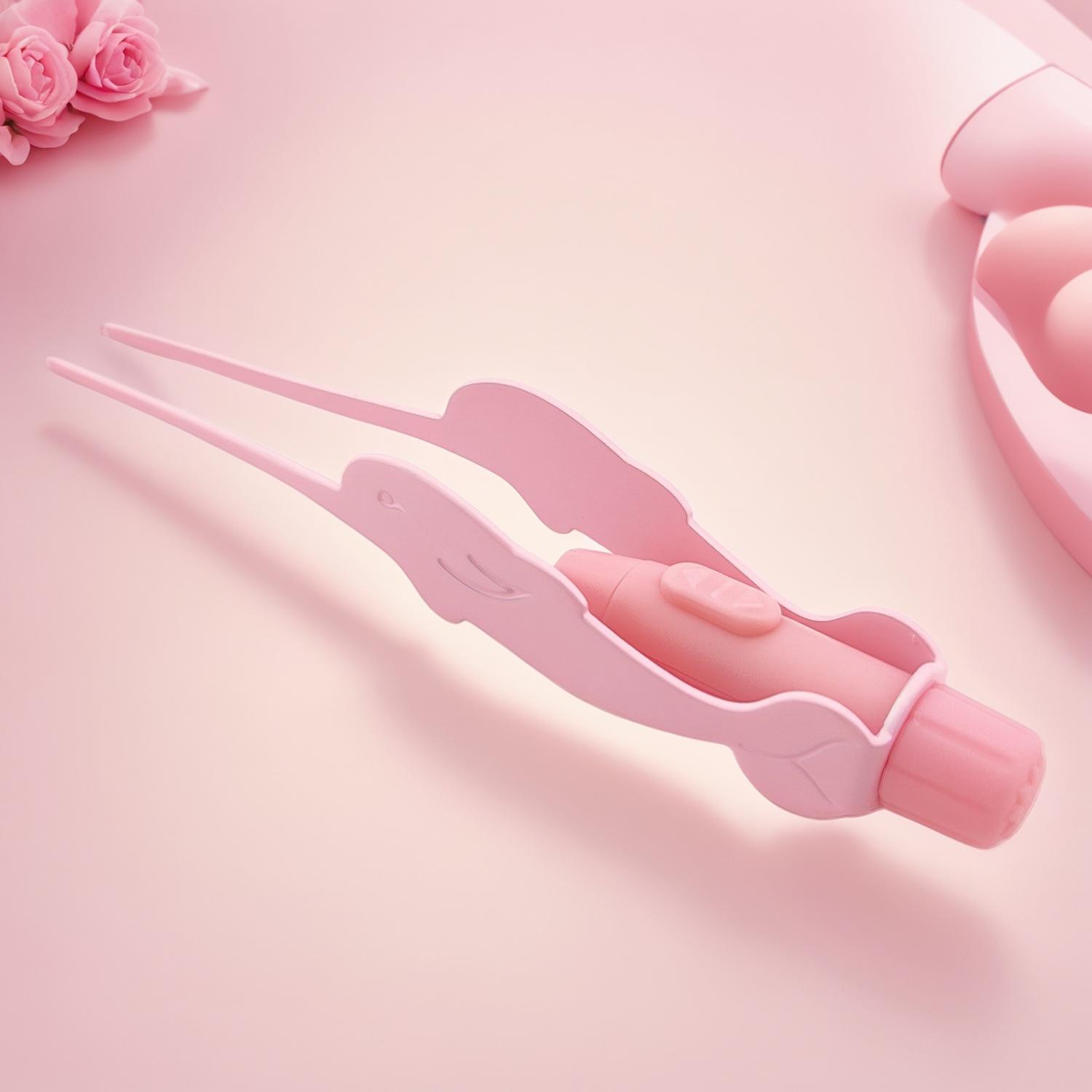
Custom Tweezers for Business: How to Source for Global Trade
Custom tweezers may look simple, but for a beauty brand, salon supplier, retailer, or private label buyer, they carry more responsibility than many small accessories. A pair of tweezers needs clean alignment, reliable grip, comfortable handling, durable finishing, and packaging that fits the market. If the tips do not meet evenly or the surface coating scratches too easily, customers notice quickly.
For companies planning custom tweezers for business, the global market offers many opportunities. Buyers can compare manufacturing locations, finishes, handle styles, packaging formats, and branding options. At the same time, international tweezers trade can be difficult to navigate if decisions are based only on unit price. The better approach is to evaluate suppliers by product consistency, communication, customization support, inspection process, and export readiness.
This guide explains how to make practical sourcing decisions when you import tweezers from China or work with a tweezers global supplier for international distribution.
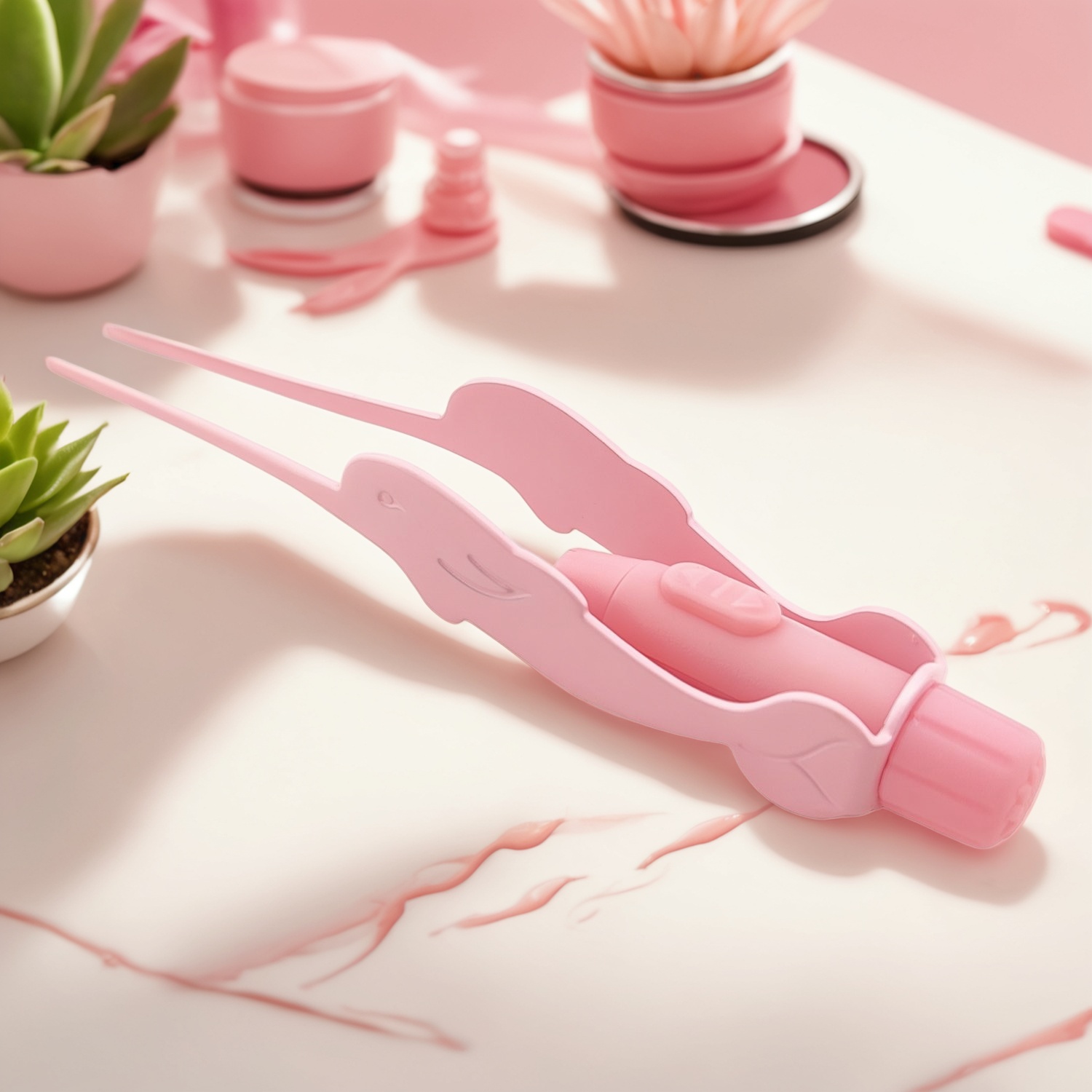
Understand the Role of Tweezers in Your Product Line
Before comparing suppliers, define what the tweezers must do for your business. A beauty retailer may need an affordable but dependable item for daily eyebrow grooming. A salon supplier may prioritize precision and comfort for frequent professional use. A gift set brand may place more emphasis on matching finishes and packaging presentation. An e-commerce seller may focus on product photography, unboxing, and low defect rates because customer reviews are highly visible.
Different users expect different tweezer features. Slant-tip tweezers are often chosen for eyebrow shaping and general grooming. Pointed tips may be used for more detailed tasks that require accuracy. Flat or straight tips can suit certain cosmetic and beauty applications. The correct choice depends on the audience, selling channel, and price position of your product line.
When you review beauty tool products, look beyond appearance. Consider grip strength, tip contact, edge smoothness, hand feel, and whether the shape is easy for the end user to control. For private label or wholesale programs, the best tweezer is not always the most decorative one; it is the one that can be produced consistently and accepted by your target customer.
Supplier or Partner: What the Difference Means in Practice
A basic supplier may quote quickly and offer a low price, but low-cost sourcing can become expensive if the product has uneven tension, rough edges, inconsistent color, weak packaging, or poor batch control. Tweezers are small tools, yet their quality depends on fine details. Even a slight issue with tip alignment can make the item feel unreliable.
A sourcing partner takes a more complete view of the order. Instead of simply selling an available item, the partner helps you connect the design, function, packaging, and inspection expectations. This matters when you want custom tweezers for business rather than a generic tool with a logo added at the last step.
When comparing potential suppliers, look for signs that they understand beauty tool requirements, not only metal goods production. Useful questions include: How is tip alignment checked? What surface finishes are available? How are samples reviewed before production? Can the packaging be adapted for retail, e-commerce, or set assembly? How are defects separated before shipment? Clear answers to these questions are often more valuable than a slightly lower quotation.
Customization Choices That Affect Buyer Satisfaction
Customization should support product performance and market fit. It is easy to focus on color and logo placement, but the most important decisions usually involve tip shape, tension, finish durability, and packaging protection. A tweezer that looks attractive but pinches unevenly will not support repeat sales.
Use the checklist below to organize your customization brief before you request samples or compare quotations:
- Tip type: Choose slant, pointed, flat, or other styles based on the intended grooming task and user skill level.
- Grip and tension: Confirm that the tweezer closes smoothly without feeling too loose or too stiff.
- Surface finish: Consider whether your market needs a polished, matte, coated, or colored finish, and how that finish will handle normal use.
- Branding method: Decide where the logo should appear and whether subtle branding or high-visibility marking better suits your sales channel.
- Packaging format: Match the packaging to retail display, online shipping, professional kits, or promotional sets.
- Safety and edge feel: Check that corners and contact areas are comfortable and cleanly finished.
- Consistency target: Define what an acceptable sample looks and feels like so production can be compared against it.
If you sell multiple grooming tools, it may also help to plan tweezers as part of a wider assortment. Matching color, finish, and packaging across tools can make your product collections look more coherent without inventing unnecessary features.
Quality Control Points for Custom Tweezers
Quality control for tweezers should be specific. A general visual inspection is not enough. The product must be reviewed for both function and appearance because customers judge it by how it works in the hand.
A practical inspection plan may include checking tip alignment, closing action, surface condition, edge smoothness, logo position, color consistency, packaging cleanliness, and carton labeling. For international orders, packaging strength also matters because the product may pass through multiple handling stages before reaching the final warehouse or customer.
| Inspection Area | Why It Matters | What to Check |
|---|---|---|
| Tip alignment | Directly affects grip and precision | Tips meet evenly without visible gaps |
| Tension | Determines comfort during use | Opening and closing feel controlled |
| Surface finish | Influences perceived value | No obvious scratches, chips, stains, or uneven coating |
| Edges and corners | Protects user experience | No rough or uncomfortable contact points |
| Branding | Supports retail identity | Logo position, size, and clarity match approval sample |
| Packaging | Reduces complaints and returns | Clean, secure, correctly printed, and suitable for shipping |
For custom orders, an approved pre-production sample is especially important. It gives both buyer and supplier a physical reference for shape, finish, grip, and packaging. If changes are made after sampling, document them clearly so the final production standard is not open to interpretation.
Planning to Import Tweezers from China
Many beauty brands import tweezers from China because the country has a broad supply base for beauty tools, packaging, finishing processes, and export coordination. However, importing successfully requires more than finding a factory listing. Buyers should prepare product requirements, target quantities, packaging needs, labeling expectations, shipment timing, and destination market requirements before placing an order.
International tweezers trade also involves practical documentation and logistics. The exact requirements depend on your destination country, sales channel, and product positioning. Your internal checklist should include commercial documents, carton information, product descriptions, barcode or label needs, and any retailer-specific packaging rules. If the tweezers are part of a kit, check how the complete set will be packed and inspected.
Communication is another important part of sourcing. Share clear reference photos, drawings if available, acceptable tolerances where relevant, packaging artwork, and any restrictions for materials or finishes in your market. Avoid vague instructions such as “premium quality” without explaining what that means in measurable terms. A clear brief reduces sampling delays and helps the supplier quote more accurately.
How to Compare Quotes Without Choosing the Wrong Product
Price matters, but it should not be reviewed alone. Two quotations for tweezers may look similar while covering different finishing standards, packaging levels, inspection expectations, or branding methods. If one quote is much lower, confirm what is excluded before assuming it is the better option.
When evaluating a tweezers global supplier, compare the complete offer: product construction, customization support, sample quality, communication speed, packaging options, inspection process, export experience, and ability to maintain consistency across repeat orders. A supplier that helps prevent defects can protect your margin more effectively than a supplier that only reduces the first invoice.
For beauty brands, reputation is built through small details. Customers may not know the manufacturing process behind a pair of tweezers, but they can feel when the grip is weak, the finish is rough, or the packaging looks careless. That experience influences reviews, repeat purchases, and retailer confidence.
Build a Sourcing Brief Before You Send an Inquiry
A strong sourcing brief makes communication faster and reduces misunderstandings. Include your intended user, target sales channel, preferred tip shape, finish direction, branding requirements, packaging style, expected order plan, destination country, and any inspection priorities. If you are not certain about a detail, provide the use case and target market so the supplier can recommend practical options.
Olimor Beauty works with buyers who need beauty tool sourcing support and product customization discussions. You can explore related categories through the beauty tool products page or contact Olimor to discuss a custom tweezer project. If you already have specifications, artwork, or a reference sample, you can also send an inquiry with the relevant details.
The smartest sourcing decision is not simply choosing the lowest price or the most decorative design. It is choosing a product that fits your customer, can be produced consistently, and supports your brand in global trade. With clear requirements, careful sampling, and a quality-focused supplier relationship, custom tweezers can become a reliable part of a beauty product line rather than a source of avoidable complaints.
Tag: