

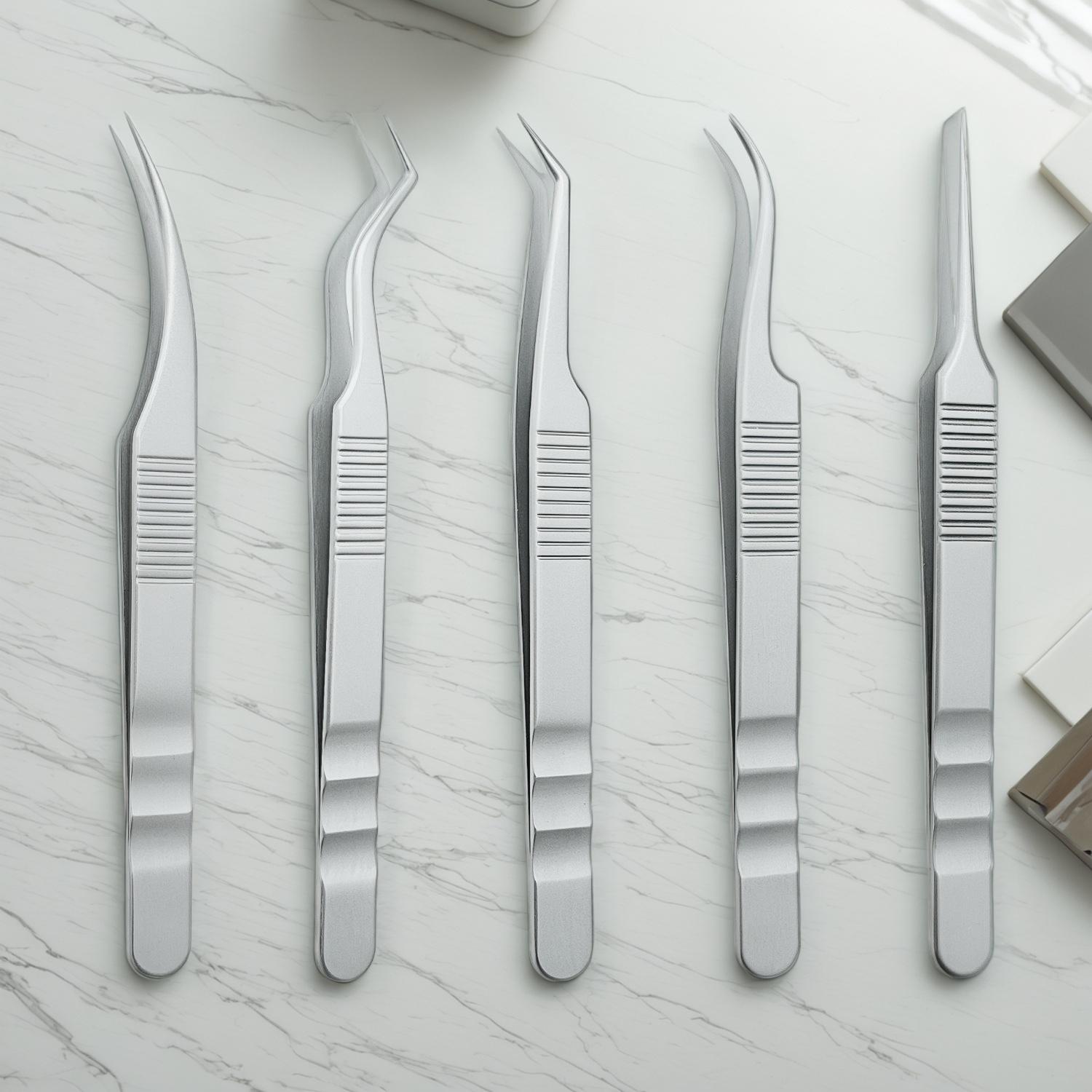
Custom Tweezers for Beauty Businesses: How to Source Tools Customers Will Trust
For beauty retailers, distributors, salon suppliers, and private-label brands, tweezers may look like a simple SKU. In practice, they are one of the small tools that reveal whether a brand understands precision, comfort, and repeat-use quality. A tweezer that grips cleanly, aligns properly, and feels controlled in the hand can become a dependable add-on product, a kit component, or a professional tool that clients replace and reorder.
Custom tweezers for business buyers need to do more than look polished in packaging. They must fit the intended use, suit the target price segment, withstand normal handling, and arrive with consistent finishing. Olimor Beauty offers stainless steel tweezers for B2B buyers who need practical sourcing options for retail assortments, distributor catalogs, salon supply programs, and beauty tool kits.
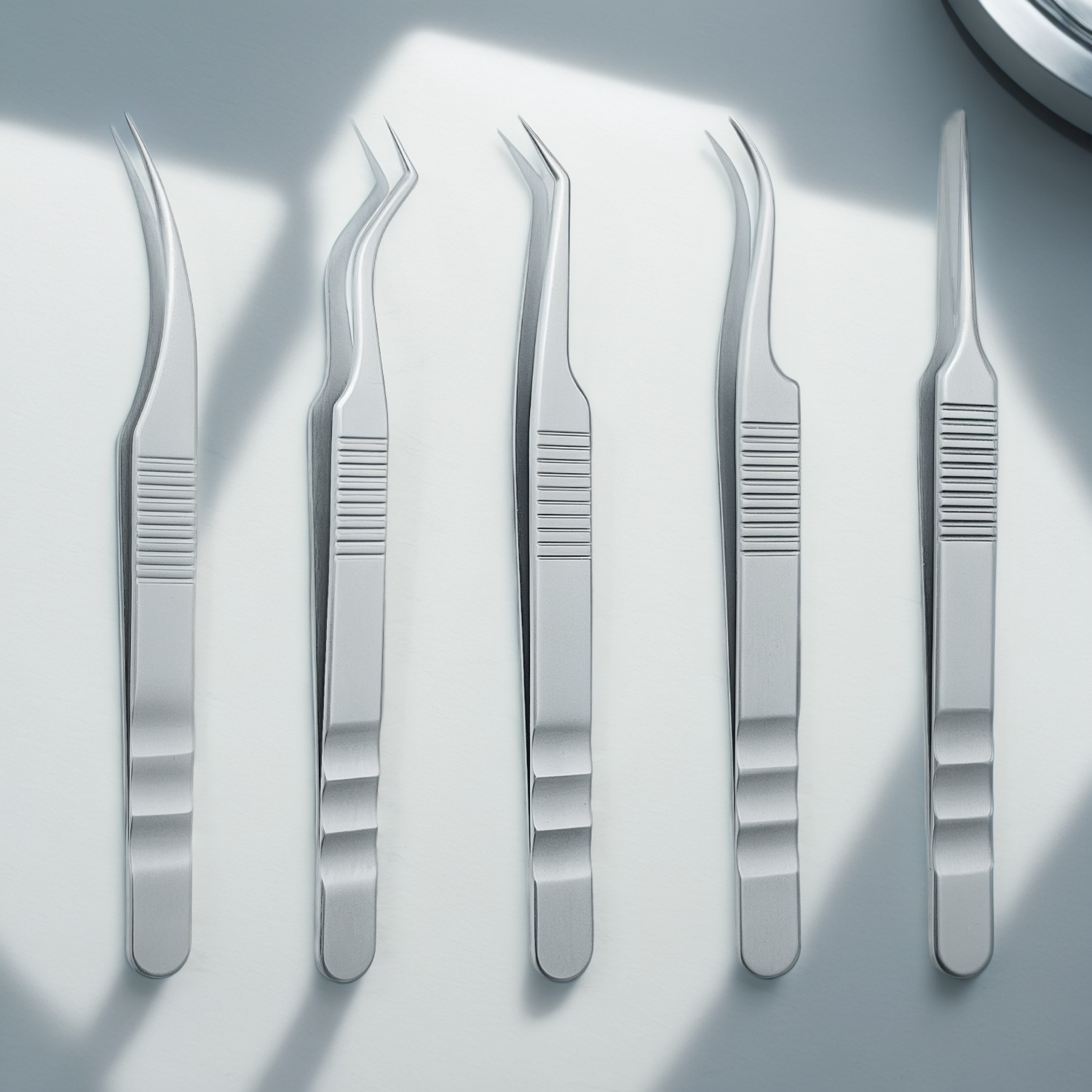
Why Tweezers Deserve Careful B2B Selection
In many beauty product ranges, tweezers sit at the intersection of personal care, grooming, brow maintenance, lash preparation, and professional beauty services. Because they are often used on small hairs and delicate facial areas, users quickly notice poor alignment, weak tension, rough edges, or tips that fail to meet evenly. A low-quality tweezer may be inexpensive to buy, but it can create returns, negative reviews, and weak confidence in the broader product line.
For a business buyer, the goal is not simply to find the lowest unit cost. The better question is whether the tweezer can support the selling channel. A salon professional may value accurate grip and comfort during repeated use. A retailer may need attractive, easy-to-understand packaging and a finish that feels giftable. A distributor may care most about stable quality across bulk orders and clear product differentiation for different customer groups.
When comparing beauty tool products, treat tweezers as performance tools rather than filler accessories. Even small improvements in tip alignment, edge finishing, and hand feel can make the product easier to sell and easier for customers to recommend.
Key Selection Criteria for Custom Stainless Steel Tweezers
The original product description highlights stainless steel construction, precision manufacturing, ergonomic design, and quality checks. These are useful starting points, but buyers should translate them into practical inspection criteria before ordering for a business program.
- Tip alignment: The two tips should meet evenly without visible gaps. Misalignment is one of the most common reasons users reject tweezers.
- Grip performance: A tweezer should hold fine hairs securely without requiring excessive pressure. Weak grip makes grooming frustrating and reduces perceived value.
- Hand tension: The tool should open and close smoothly. Tension that is too stiff can cause fatigue, while tension that is too loose may reduce control.
- Edge finishing: Surfaces should feel clean and comfortable, with no sharp burrs along the arms or handle area.
- Material impression: Stainless steel is valued for durability and a clean professional appearance. Buyers should still evaluate finish consistency and surface quality.
- Packaging fit: The package should protect the tips and communicate the intended use clearly, especially for retail display or e-commerce.
- Branding space: For custom tweezers, consider where a logo, color treatment, label, or printed insert would be visible without interfering with handling.
These checks are especially important when sourcing B2B tweezers for multiple sales channels. A tool that looks acceptable in a photo may still fail if the tips are not finished accurately or if the packaging does not protect the product in transit.
Matching Tweezer Types to Business Use Cases
Before discussing customization, define the role of the tweezer in your assortment. Different buyers may need different positioning even when the base product category is the same.
| Business scenario | What matters most | Buyer focus |
|---|---|---|
| Retail beauty aisle | Clear visual appeal, easy use explanation, protective packaging | Choose a finish and pack format that shoppers can understand quickly. |
| Distributor catalog | Consistent quality, practical range planning, repeat availability | Build a simple assortment for different customer budgets and uses. |
| Salon or brow service kit | Precision grip, comfortable tension, professional appearance | Prioritize hand feel and performance during repeated use. |
| Private-label beauty set | Brand consistency, color coordination, compact presentation | Make the tweezer match the rest of the tool kit without sacrificing function. |
| E-commerce product page | Strong images, clear feature copy, low return risk | Describe the use case honestly and include care guidance. |
This type of planning helps avoid over-customizing a product before the commercial need is clear. For example, a minimalist stainless steel finish may work well for professional positioning, while a branded color or custom presentation may be more suitable for a retail gift set. Browse Olimor product collections to think about how tweezers could sit alongside other beauty tools in a coordinated range.
Customization Decisions That Affect Customer Perception
Custom tweezers can support brand recognition, but customization should strengthen the buying experience rather than distract from tool performance. The most effective programs often begin with a reliable base tweezer, then add branding elements that fit the audience.
Common customization decisions include surface appearance, logo placement, packaging style, instruction copy, and assortment configuration. A distributor may prefer a restrained look that can serve many resellers. A retailer may want bolder visual differentiation on a display rack. A salon supply brand may choose a cleaner professional presentation that emphasizes precision and durability.
When evaluating custom options, think through the full customer journey. Will the logo remain visible after repeated handling? Does the packaging explain the tweezer’s use clearly? Are the tips protected before purchase? Does the product feel consistent with the rest of your beauty tool line? These questions matter because tweezers are often judged both visually and physically. A buyer may first notice the finish, but long-term satisfaction depends on how the tips perform.
It is also wise to avoid excessive claims on packaging. Instead of making broad promises, focus on practical benefits: stainless steel construction, precise tip alignment, comfortable handling, and suitability for grooming or professional beauty use where appropriate.
Bulk Tweezers Price: What Buyers Should Compare
Bulk tweezers price is important, but comparing quotes only by unit cost can lead to poor sourcing decisions. A more useful approach is to compare the total value of the product as it will be sold: the tweezer itself, finishing consistency, packaging, branding work, inspection expectations, and shipping preparation.
When reviewing a B2B offer, prepare a comparison sheet that includes:
- Product structure: Confirm the tweezer style, finish, and intended use.
- Material and appearance: Record the stated material and inspect visible finish quality on samples.
- Tip performance: Test alignment, grip, and tension across more than one sample.
- Customization scope: Identify what is included, such as logo application, color treatment, carding, pouching, or packaging artwork support.
- Packaging protection: Check whether the tips are protected and whether the package suits retail, distribution, or kit assembly.
- Quality expectations: Define acceptable appearance standards, functional checks, and packing requirements before placing a repeat order.
- Commercial fit: Compare the landed cost with your planned margin, customer segment, and after-sales risk.
This process helps buyers distinguish between a product that is simply cheap and one that is commercially reliable. For retailers and distributors, fewer complaints and better repeat orders can matter more than a small difference in starting price.
Quality Checks Before Committing to a Larger Order
A sample review should be systematic. Do not only photograph the product; handle it as the end user would. Open and close the arms repeatedly, test the tips on fine fibers or hair-like material, inspect the edges under bright light, and check whether multiple units feel consistent. If the product will be sold online, photograph it in packaging and outside packaging to see whether the finish and shape read clearly on screen.
For professional channels, invite someone familiar with brow grooming or beauty services to evaluate comfort and control. For retail channels, consider whether the packaging communicates the product quickly enough for a shopper who is comparing several tools. For distributor channels, check carton labeling, product identification, and repeat-order clarity so that future purchasing is not confused by vague descriptions.
Olimor Beauty positions its stainless steel tweezers for business buyers who value precision, durability, ergonomic handling, and quality assurance. Buyers can use those priorities as a framework for sample approval and internal product sign-off.
How to Build a More Sellable Tweezer Program
A strong tweezer program is usually simple, clear, and easy to reorder. Rather than offering too many similar items, group products by use case or customer level. For example, a brand might separate everyday grooming tweezers from professional brow tools, or create a compact beauty kit where tweezers complement other personal care tools.
Product copy should be specific. Explain who the tweezer is for, how to care for it, and how to protect the tips. Basic care guidance can reduce dissatisfaction: keep the tips clean and dry, store the tool with the tips protected, avoid dropping it on hard surfaces, and do not use the tweezer for tasks that can damage alignment.
If you are planning a custom tweezer line for retail, distribution, salon supply, or private-label use, review your target customer first, then select the tool and packaging around that need. To discuss suitable B2B options, contact Olimor or send an inquiry with your intended channel, branding needs, and packaging expectations.
Final Buying Perspective
Custom tweezers for business buyers should balance appearance, function, and repeat-order reliability. Stainless steel construction, clean finishing, accurate tips, comfortable tension, and suitable packaging all contribute to whether the product succeeds after purchase. For distributors and retailers, the right tweezer can be a dependable addition to a beauty tool range. For salons and private-label brands, it can reinforce professional quality in a small but highly visible way.
By treating tweezers as precision tools instead of generic accessories, buyers can make better sourcing decisions, reduce product risk, and offer customers a tool that earns trust through everyday performance.
Tag: