

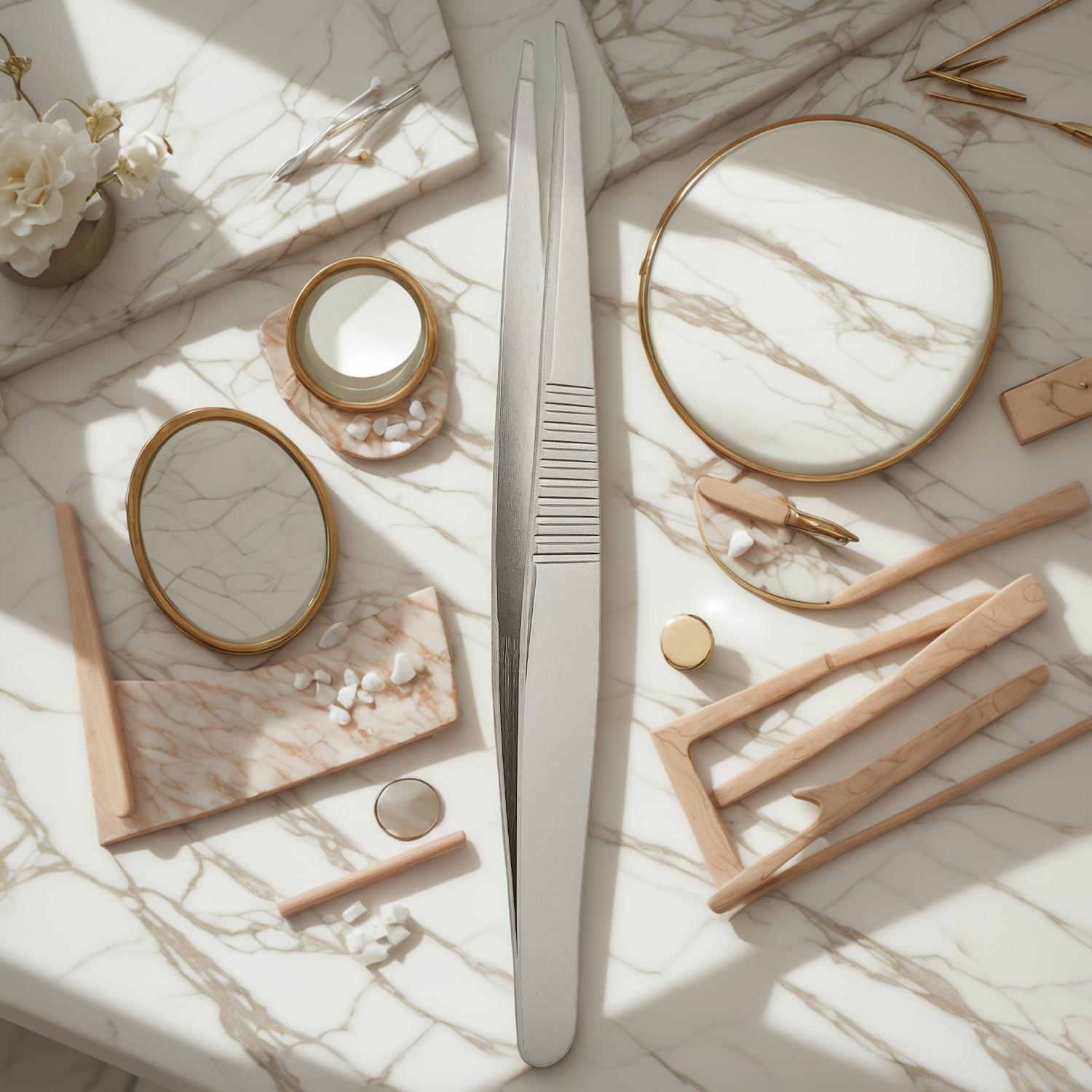
Custom Tweezers for Business: How to Source Branded Tools That Protect Your Reputation
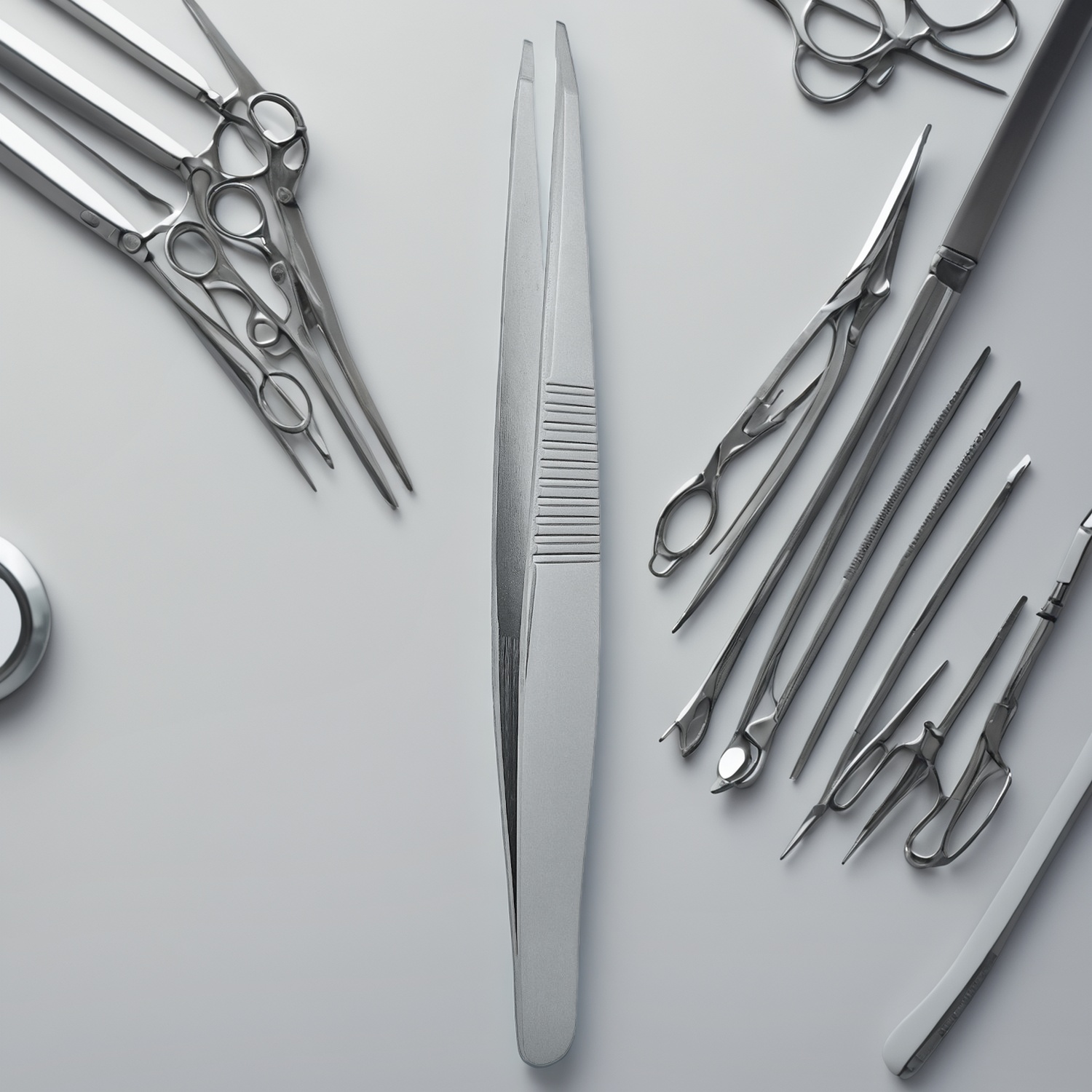
Custom tweezers for business buyers are more than small beauty accessories. They are tools that customers hold in the hand, use close to the skin, display in retail packaging, or rely on during repeated salon services. For salons, spas, brow studios, retail beauty brands, distributors, gift-set planners and resellers, the performance of a tweezer can influence how people judge the wider brand.
The main sourcing question is not simply which supplier offers the lowest bulk tweezers price. A low-cost tool that slips, feels uncomfortable, has uneven tips, rusts easily or arrives with inconsistent branding can create returns, complaints and damaged trust. A well-selected custom tweezer can support repeat orders, a more credible private label range and a better professional service experience.
This guide explains how to evaluate custom tweezers with a B2B buyer’s mindset: start with the user, check the working tip before approving the branding, understand the full cost of quality, and choose a supplier that can discuss materials, finish, packaging and inspection in practical terms.
Start With the User, Channel and Commercial Role
The right tweezer depends on who will use it and where it will be sold. A salon professional may care most about tip alignment, controlled tension and practical cleaning. A retail customer may first notice shape, color, packaging and perceived value. A reseller may need a product that photographs well, ships safely and earns positive reviews. A promotional buyer may prioritize clear logo visibility and consistent presentation across a batch.
Before selecting a design, define the commercial role of the tweezer. Is it a hero retail product, a kit component, a gift-with-purchase item, a travel accessory, a professional salon tool or a reseller SKU? The answer affects the level of customization, packaging and quality threshold you need.
- Retail beauty brands: focus on finish consistency, logo placement, packaging appearance, consumer comfort and shelf appeal.
- Salon and professional suppliers: prioritize grip, control, durability, repeatable handling and cleaning considerations.
- Resellers and distributors: look for stable batches, clear product descriptions, reliable repeat supply and easy merchandising.
- Gift-set planners: match the tweezer finish with related tools, pouches, mirrors, brow products or cosmetic items.
- Promotional programs: keep branding legible, packaging simple and the product easy to explain to the end user.
If you are building a broader beauty tool range, review tweezers alongside related items in Olimor beauty tool products so the finish, presentation and quality level feel consistent across your offer.
Generic Tweezers vs Custom Branded Tweezers
Generic tweezers can look attractive because they are easy to compare by unit price. However, generic supply often limits control over appearance, packaging and perceived value. If the same unbranded product is available from many sellers, it becomes harder to defend a retail price, build recognition or encourage repeat orders.
Custom tweezers give a business more control over how the tool represents the brand. Customization may include logo placement, color direction, surface finish, protective packaging and assortment planning. The goal is not decoration for its own sake. The goal is to make the product feel intentional and suitable for the buyer’s channel.
Branding should never hide weak performance. A neat logo cannot compensate for tips that do not meet evenly, a tweezer that requires excessive force, or edges that feel rough in the hand. The strongest B2B product combines dependable function with a clear visual identity.
Quality Factors to Check Before Ordering Custom Tweezers
Because tweezers are small, buyers sometimes underestimate the importance of precision. Yet the details are exactly what users notice. Tip alignment, tension, edge finishing and material choice all affect whether the tool grips fine hair cleanly without slipping. Packaging affects first impression and helps protect the tips during handling and shipping.
The original Olimor beauty tool focus includes stainless steel construction and precisely aligned, ultra-fine tips. For buyers, those details matter because the working end of the tweezer determines whether the product performs well in real use. A polished surface can hide poor alignment, and a heavier tool is not automatically better. Samples should always be handled, opened, closed and tested under good light before approval.
Practical Sample Review Checklist
| Selection point | Why it matters | What buyers should review |
|---|---|---|
| Tip alignment | Controls gripping accuracy and user satisfaction | Check whether both tips meet evenly without visible gaps, twisting or offset contact. |
| Tip shape | Different shapes suit different tasks | Match slant, pointed or other shapes to the target user’s main application rather than choosing by appearance alone. |
| Grip performance | Determines whether the tool catches fine hair cleanly | Test the tweezer on fine hair or similar fibers and compare samples using the same action. |
| Tension | Affects comfort during repeated use | Open and close the sample repeatedly to see whether it feels controlled rather than too stiff or weak. |
| Material suitability | Influences durability, appearance and cleaning expectations | Review available material options and do not assume all stainless steel tools perform the same. |
| Finish consistency | Shapes perceived quality at retail | Look for rough edges, burrs, uneven color, coating inconsistency or surface defects. |
| Logo application | Connects the product to the brand | Confirm logo size, position and readability without interfering with grip or cleaning. |
| Packaging fit | Protects the tool and supports merchandising | Check whether tips are protected and whether the pack presents the product clearly for the sales channel. |
Material, Finish and Manufacturing Details Buyers Should Discuss
Stainless steel is commonly preferred for beauty tweezers because it supports a durable, clean and professional feel. However, buyers should still ask practical questions about the actual tool construction, finish process, edge finishing and handling expectations. A supplier should be able to explain what options are available and how those choices affect appearance, grip feel, packaging and cost.
For professional or salon-focused tweezers, tip performance should lead the specification. The tips should meet evenly, close without excessive force and grip with control. For retail or gift products, visual finish and packaging may carry more weight, but they should not reduce the working quality of the tool.
Surface finish can influence both product appearance and user perception. Color, polish and coating choices should be reviewed on physical samples rather than only on digital images, because lighting, photography and screen color can be misleading. If you plan to coordinate tweezers with other beauty accessories, compare real samples side by side before confirming the range.
Edge finishing also matters. Rough edges, sharp burrs or inconsistent surfaces can make a product feel cheap even when the overall shape looks acceptable. For a retail brand, these small defects may appear in reviews. For a professional buyer, they can affect daily handling and confidence in the tool.
Understanding Bulk Tweezers Price Without Choosing the Cheapest Option
Bulk tweezers price is important for resellers, distributors and private label buyers managing margins. But the lowest quote is not always the most profitable option. A low unit cost can become expensive if it creates returns, negative reviews, repacking work, discounting, replacement requests or inventory that does not meet your quality threshold.
Separate visible and hidden cost factors when reviewing quotations. Visible costs may include the tweezer, branding, packaging and freight. Hidden costs may include additional inspection, rejected goods, customer service time, poor online ratings, product replacements and reduced confidence in the rest of your beauty line.
Use positioning to decide where to spend. A professional brow tool should emphasize precision, alignment and durability before decorative packaging. A retail gift item may need a stronger balance between appearance and function. A tweezer inside a beauty kit should support the perceived value of the set without creating unnecessary cost imbalance.
Cost-Factor Comparison for Business Buyers
| Buyer concern | Low-price risk | Better sourcing approach |
|---|---|---|
| Tip performance | Slipping, uneven grip or poor precision | Approve samples based on real handling tests, not photos alone. |
| Brand reputation | Negative reviews, weak trust or lower repeat sales | Match the quality level to your brand promise and sales channel. |
| After-sales cost | More complaints, replacements and support work | Evaluate long-term durability and user satisfaction, not unit price only. |
| Retail presentation | Generic packaging that competes only on price | Use packaging that protects the tips and explains the use case clearly. |
| Repeat supply | Inconsistent batches or difficulty matching previous orders | Discuss batch consistency, approved samples and communication before ordering. |
Customization Decisions That Help Sales
Custom branding works best when it is practical. A logo that is too large may look awkward on a narrow handle. A color that looks attractive on screen may not match other tools after production. Packaging that looks premium but fails to protect the tips can create damage before the product reaches the customer.
The most useful customization decisions usually involve logo placement, finish, color direction, protective packaging and product assortment planning. A brow studio may prefer a clean professional look that matches treatment-room tools. A reseller may want a retail-ready tweezer with packaging that communicates value quickly. A travel or gift kit may require compact packaging that secures the tool and matches the rest of the set.
When planning branded tweezers, ask these questions before approving artwork:
- Will the logo remain readable on the available handle area?
- Does the decoration interfere with the grip area or cleaning expectations?
- Does the finish match other tools in the same product range?
- Does the packaging protect the tip and support the sales channel?
- Will the final product be easy for customers or sales teams to understand?
For assortment planning, buyers can review broader Olimor product collections to consider how tweezers may sit beside other beauty tools in a private label or retail line.
Inspection and Supplier Evaluation for B2B Orders
A good sourcing process should include a physical sample review, clear approval criteria and practical communication with the supplier. Do not rely only on catalog photos or product renderings. Handle the tweezer, examine the tips under good light, test opening and closing tension, review the finish, and check packaging fit.
For larger orders, buyers may discuss inspection plans with their supplier. ISO 2859-1 is a widely referenced public standard for sampling procedures in inspection by attributes, but buyers should verify the applicable version, sampling level and acceptance criteria with their own quality team and supplier documentation. Mentioning a standard is not the same as proving compliance; always request the documents and process details relevant to your order.
Supplier evaluation should also include communication quality. A suitable partner should be able to discuss available materials, finish limitations, packaging options, logo placement and sample approval steps without vague promises. If a supplier avoids practical questions about alignment, tension, packaging protection or repeat batch consistency, that is a warning sign.
Questions to Ask a Branded Tweezers Supplier
- What material and finish options are available for the tweezer style we are considering?
- How should we evaluate tip alignment and tension on pre-production samples?
- What logo placement options are suitable for the handle shape?
- How will packaging protect the tip during shipping and storage?
- Can approved samples be used as a reference for bulk production?
- What quality checks are normally performed before shipment?
- What customization details may affect cost, production planning or lead time?
Olimor works in the beauty tools category and can support practical sourcing conversations around design, finish, packaging and quality consistency. If you are preparing a private label or reseller project, you can send an Olimor sourcing inquiry with your target channel, preferred style and packaging needs.
How to Build a Reliable Custom Tweezers Brief
A clear product brief helps reduce misunderstanding and speeds up supplier feedback. Instead of asking only for a quotation, describe the intended user, channel, branding goal and required sample review points. This allows the supplier to recommend a suitable specification rather than quoting a tool that does not fit your market.
Your brief should include the sales channel, target customer, preferred tip shape, finish direction, logo needs, packaging type, expected use case and quality concerns. If you already sell related beauty tools, share the style direction so the new tweezer can match the existing line. If the tweezer is for a kit, explain the other items in the set so the supplier can consider size, protection and presentation.
It is also useful to rank priorities. For example, a professional supplier might rank tip alignment first, then hand comfort, then finish, then packaging. A retail gift-set buyer may rank visual coordination and packaging higher, while still requiring dependable grip. Clear priorities help avoid over-customizing features that do not improve sales.
Common Sourcing Problems and How to Prevent Them
Many custom tweezer problems are preventable if buyers evaluate samples carefully and communicate requirements early. Poor alignment often appears when the working tip is not reviewed closely enough before production. Inconsistent finish can happen when color expectations are based only on digital images. Packaging issues arise when the tool is attractive but not secured inside the pack.
To reduce risk, approve physical samples, define what matters most, keep reference samples where possible and confirm packaging before bulk production. If the product will be used by professionals, let an experienced technician handle the sample. If it will be sold online, check how the product and packaging look in photos and whether the description clearly explains the use case.
Buyers should also avoid making the product too complex for its role. A simple add-on SKU may not need elaborate decoration, but it still needs to function properly. A premium private label product may justify more attention to finish and packaging, but only if the working tip supports the same quality message.
When to Contact Olimor About Custom Tweezers
Contact Olimor when you have a defined sales channel, target customer and rough product direction, or when you need help comparing options for a new beauty tool range. A useful first discussion can cover tweezer style, finish direction, branding position, packaging needs, sample review and quality expectations.
A restrained, practical sourcing conversation is better than chasing the lowest quote before the product is defined. Share your intended use, customization ideas and commercial concerns so Olimor can respond with relevant options. To discuss a project, contact Olimor with your brand requirements and any available reference details.
FAQ
Can I request samples before placing a custom tweezers order?
Yes. Business buyers should review physical samples before confirming a bulk order. Samples help you check tip alignment, grip, tension, finish, logo placement and packaging fit. Ask how samples relate to final production and whether approved samples can be used as a reference.
Does Olimor publish fixed MOQ or lead time for every custom tweezer project?
MOQ and lead time can depend on the tweezer style, customization method, packaging, order complexity and production planning. Buyers should confirm current requirements directly with Olimor for the specific project instead of assuming one fixed number applies to all orders.
What customization options should I consider first?
Start with practical options that affect sales and usability: logo placement, finish, color direction, packaging protection and assortment fit. Avoid decoration that interferes with hand comfort, cleaning expectations or tip performance.
How should I compare branded tweezers suppliers?
Compare more than price. Review sample quality, tip alignment, tension, finish consistency, packaging protection, communication quality and willingness to discuss inspection. Ask suppliers to explain what checks are performed and verify any applicable documentation.
What quality checks matter most for tweezers?
The most important checks include tip alignment, grip performance, smooth opening and closing, edge finishing, surface consistency, logo readability and packaging security. For larger orders, buyers may define sampling and acceptance criteria with the supplier and verify the applicable inspection documents.
Tag: