

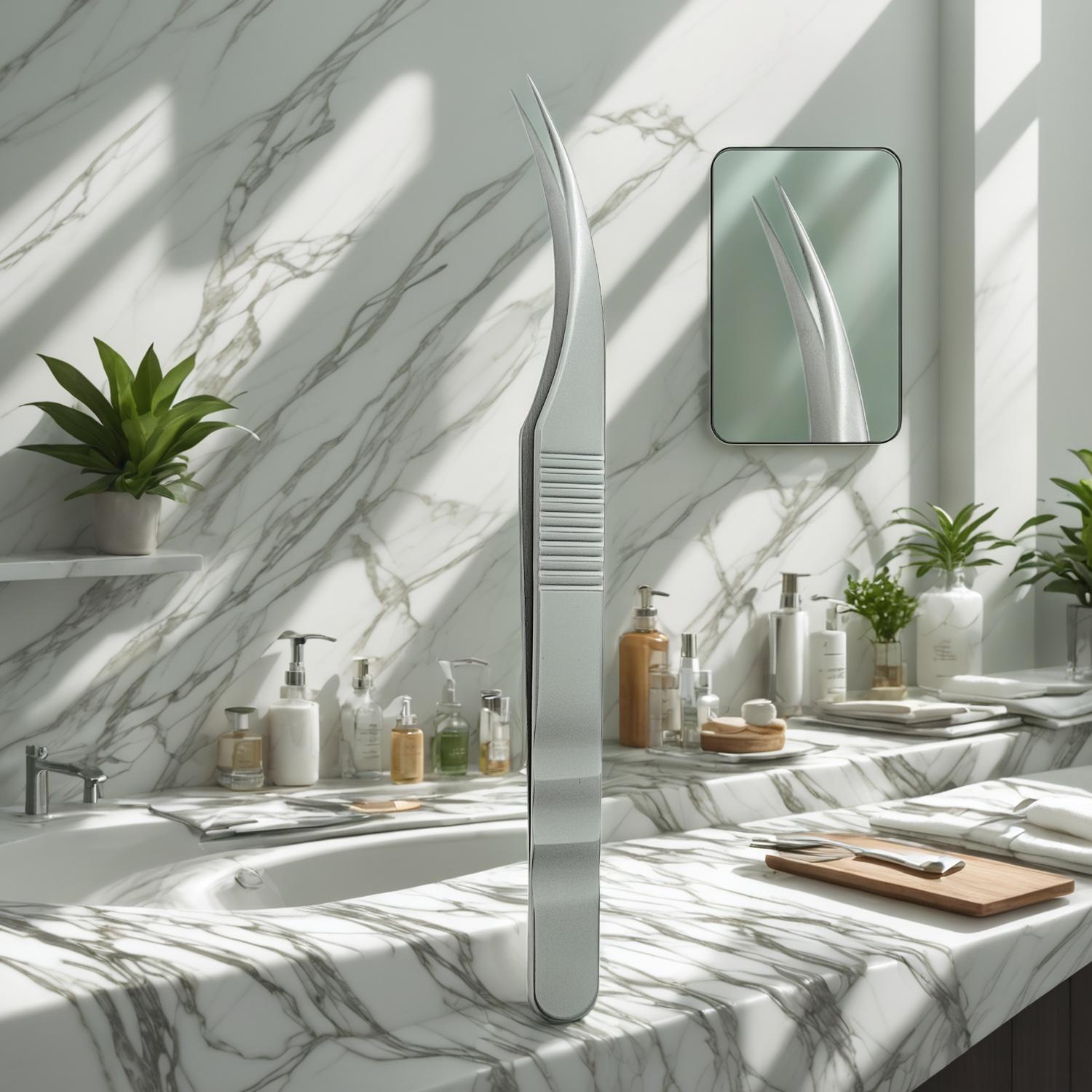
Custom Tweezers for Business: How to Source Tools That Support Your Brand
For beauty brands, salon suppliers, lash educators, grooming retailers and distributors, tweezers are more than small accessories. They are handled closely, used repeatedly and judged immediately by how well the tips meet, grip and release. A tweezer that feels unreliable can weaken customer confidence, even if the packaging looks professional. That is why sourcing custom tweezers for business requires a practical balance of product design, quality consistency, branding options and supply reliability.
Many buyers begin by comparing standard stock tweezers with custom or semi-custom production. Stock tools can be useful when speed and simple assortment are the main priorities. Custom sourcing becomes more valuable when your customers expect a specific tip shape, finish, handle feel, retail presentation or brand identity. The right decision depends on your channel, order planning, target user and quality expectations.
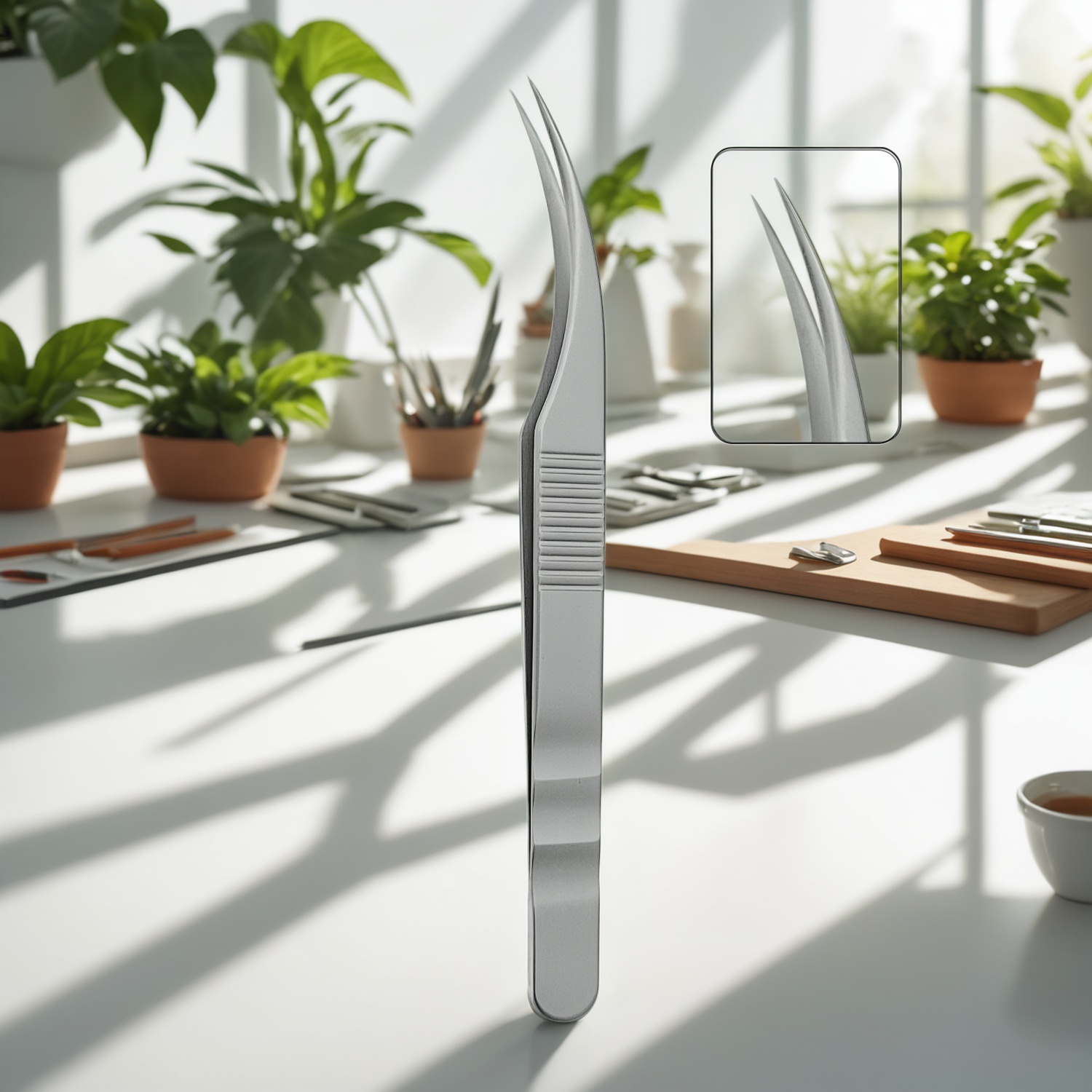
Stock Tweezers vs. Custom Tweezers: What Business Buyers Should Compare
Off-the-shelf tweezers are often attractive because they are simple to source and may be available for fast replenishment. For a new reseller testing a beauty tool category, stock designs can reduce decision time. They can also help a salon supplier understand which shapes customers request most often before committing to a wider branded program.
However, stock tweezers may not fully match the expectations of professional users. Lash artists may prefer one type of curved precision tip, brow specialists may want a different slant or point profile, and retail customers may respond better to coordinated sets. If every competitor can buy the same design, it becomes harder to build a memorable product line. Inconsistent tension, imperfect tip alignment or rough finishing can also create service issues for resellers.
Custom tweezers allow a business to make more deliberate choices. This does not always mean creating a completely new tool from zero. Many B2B buyers work from existing shapes and adjust details such as finish, logo placement, assortment, set composition or packaging. The goal is to create a product that fits the buyer’s audience while maintaining dependable manufacturing quality.
Choosing the Right Tweezer Design for Your Audience
Before discussing colors or branding, define who will use the tweezers and what task they need to perform. A beauty retailer selling to home users has different needs from a lash training academy, a professional salon chain or a distributor building a catalog for wholesale customers. The user’s grip, working angle and tolerance for maintenance all affect the best design choice.
Common selection criteria include:
- Tip type: Slanted tips are often associated with brow grooming, pointed tips with fine detail work, and curved precision tips with applications where visibility and access matter.
- Tip meeting: The two ends should close evenly enough to grip fine hair or delicate materials without excessive hand pressure.
- Tension: Tools that are too stiff can fatigue users during repeated work, while tools that are too loose may feel imprecise.
- Handle shape: A comfortable grip matters for professionals who use tweezers for long sessions, especially in lash, brow or salon settings.
- Finish: A polished, matte or coated look can influence both user feel and retail appearance, but finishing should not compromise function.
- Set logic: A multi-piece set should include shapes that serve different tasks rather than repeating similar tools with little practical difference.
If you are building a resale line, it is useful to separate professional-use tweezers from general grooming tweezers. Professional users are more likely to notice fine differences in tip alignment and tension. General consumers may care more about clarity of use, safe storage and an approachable assortment.
Branding Decisions That Add Value Without Hurting Function
Customization should support the tool rather than distract from it. A logo, color or package can make a tweezer feel like part of a coherent brand, but the working edges remain the main reason customers repurchase. For B2B tweezers, the most effective branding plans start with performance and then add visual identity.
Consider where branding will be seen and how it will wear during normal handling. A logo on the tweezer body should be placed where it remains visible but does not interfere with grip. Packaging should clearly identify the type of tweezer and recommended use, especially for retail assortments. If you sell to salons or training schools, a clean and professional presentation may be more important than decorative packaging.
For resellers, product naming should also be practical. Avoid vague names that do not tell buyers what the tool is for. Clear descriptors such as slant, pointed, curved or set-based descriptions help wholesale customers understand the assortment faster. You can explore broader sourcing options through Olimor Beauty’s beauty tool products and review related categories in the product collections section when planning how tweezers fit into a larger range.
Quality Control Points for B2B Tweezers
The global market for tweezers export from China is large, and quality levels can vary. For business buyers, the most important issue is not only whether one sample looks good, but whether repeated production can remain consistent. A reseller needs tools that customers can trust across batches, while a professional brand needs products that protect its reputation after daily use.
A practical quality review should include both visual and functional checks. Buyers can use the following checklist when evaluating samples or production discussions:
- Inspect tip closure: Confirm that the tips meet evenly and do not show visible gaps when closed under normal pressure.
- Test gripping performance: Check whether the tool can hold fine hair, thread-like material or other delicate items relevant to the intended use.
- Review edges and corners: The body should not have uncomfortable burrs, sharp unfinished areas or rough surfaces.
- Assess tension consistency: Open and close multiple pieces to see whether the hand feel is reasonably consistent.
- Check finish appearance: Look for discoloration, uneven coating, scratches or marks that would affect retail presentation.
- Confirm packaging fit: Ensure each tweezer sits securely in its packaging and is protected during shipping and handling.
- Compare samples to approved references: Keep an approved sample or reference standard so future production can be checked against it.
Olimor Beauty focuses on B2B beauty tool sourcing where details such as precision, finishing and inspection are central to the buying decision. When evaluating custom tweezers, the best conversations are specific: intended user, preferred tip style, finish, packaging, logo needs and target sales channel.
How Resellers Can Build a More Useful Tweezer Assortment
Businesses sourcing tweezers for resellers should avoid building an assortment only around appearance. A colorful display may attract attention, but repeat sales depend on whether each item has a clear purpose. A stronger assortment usually includes a concise range of shapes, each positioned for a different use case.
For example, a brow-focused retail kit might combine a slanted tweezer with simple user instructions and protective packaging. A salon supplier may prefer individual professional tools that can be reordered by type. A lash educator may need consistent curved precision tweezers so students learn with tools that behave predictably. A distributor may require clear product segmentation so wholesale customers can compare options quickly.
When planning an assortment, map each item to the buyer’s need. If two tweezers perform almost the same task, one may be unnecessary. If a set lacks a tool for fine detail work, it may feel incomplete. This kind of product planning helps reduce slow-moving stock and makes marketing copy more useful.
Maintenance Guidance That Improves Customer Satisfaction
Even well-made tweezers need basic care. Including clear maintenance guidance can reduce complaints and help end users understand how to protect the tool. This is especially important for retail packaging, salon training materials and reseller product pages.
Useful care advice may include keeping tips protected when not in use, avoiding drops that can damage alignment, cleaning after use according to the user’s setting, and storing tools in a dry place. Professional users should also check tip condition regularly because a bent or damaged tip can affect both precision and comfort. If your business sells sets, include a sleeve, cap or case when appropriate so the working ends are less likely to be damaged in drawers, kits or travel bags.
Maintenance instructions should match the actual product and sales channel. Do not overpromise durability or performance without support. Clear, modest care guidance often works better than broad claims because it gives customers actions they can follow.
Questions to Settle Before Placing a Custom Tweezer Order
A successful custom tweezer project usually begins with a focused brief. Before finalizing sourcing, define the commercial and technical requirements that matter most to your business. This helps avoid delays, sample revisions and mismatched expectations.
- Which customer group will use the tweezers: retail consumers, salon professionals, lash artists, brow specialists, students or wholesale buyers?
- Which tip shapes are required, and what tasks should each shape support?
- Will the product be sold individually, as a set or as part of a larger beauty tool range?
- What type of logo placement and packaging are appropriate for the sales channel?
- How will samples be evaluated before production is approved?
- What level of visual finishing is necessary for your market position?
- How will tools be protected during storage, shipping and resale?
For companies comparing options, it is helpful to discuss the intended product role rather than only asking for a generic quotation. A professional tweezer for repeated salon use may need different priorities from a promotional retail item. If you are preparing a new beauty tool program, you can send an inquiry with your target use, preferred design direction and packaging needs, or contact Olimor to discuss the sourcing path that fits your business.
Building Brand Value Through Better Tool Decisions
Custom tweezers can support brand value when they are planned around real user needs. The strongest results come from aligning tip design, tension, finish, packaging and quality inspection with the expectations of the customer group. For resellers, that means fewer unclear products and a more confident assortment. For salons and professional brands, it means tools that feel consistent in daily work. For distributors, it means a clearer offer in a competitive beauty tools market.
Whether you begin with stock tweezers or move toward custom B2B production, treat the tweezer as a functional tool first and a branded item second. When the tool performs well and the branding supports that performance, your customers have a better reason to trust the product and return for future purchases.
Tag: