

Custom Tweezers for Beauty Businesses: What to Check Before You Buy in Bulk
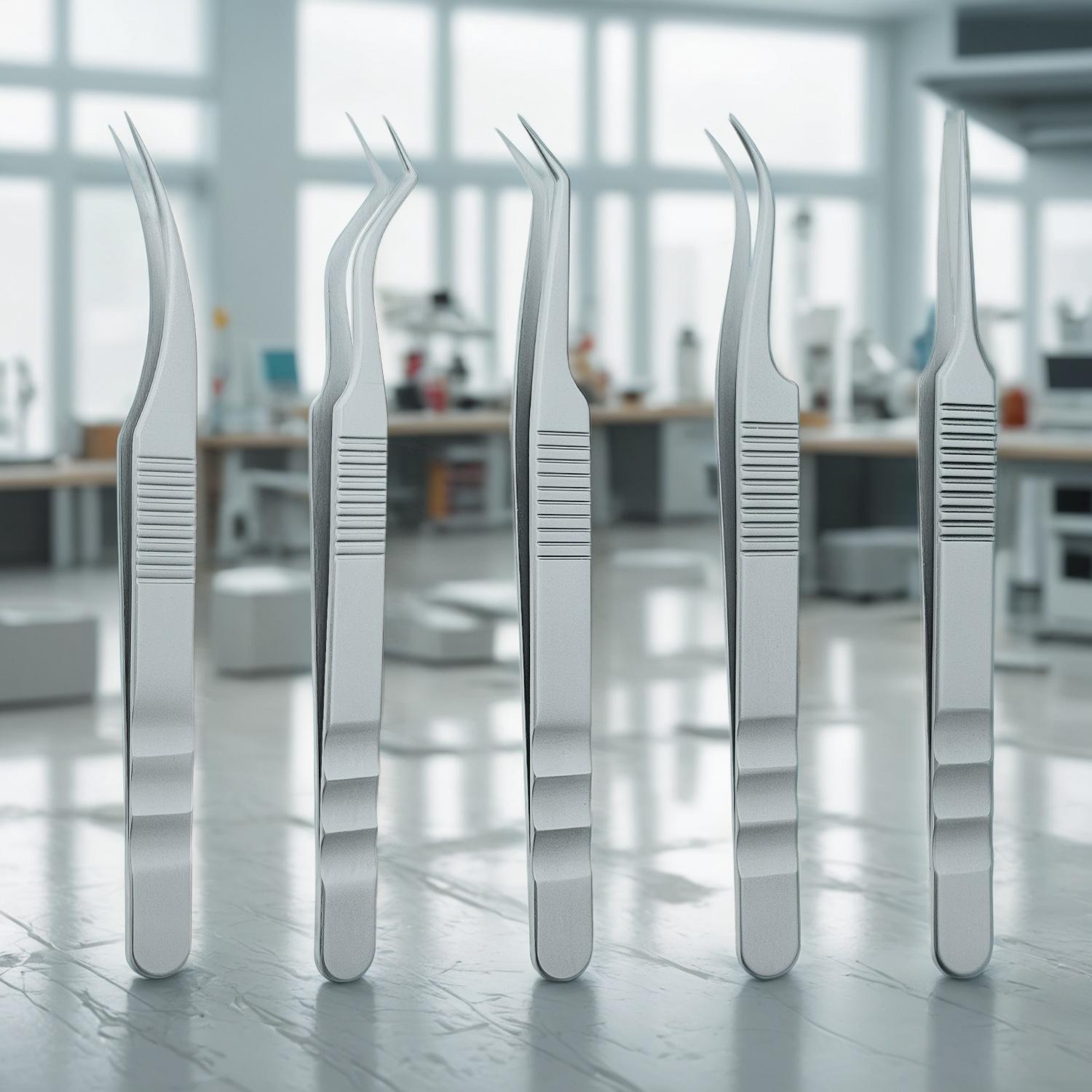
Custom tweezers are small products, but they carry a large amount of responsibility for a beauty brand. A tweezer that grips cleanly, feels balanced in the hand and keeps its tip alignment over repeated use can strengthen customer trust. A poorly finished tool can create complaints, returns and damage to brand perception. For distributors, retailers, salon suppliers and private-label beauty businesses, sourcing tweezers is not only a price decision. It is a product-quality decision, a packaging decision and a repeat-purchase decision.
Olimor Beauty works with businesses looking for professional-grade beauty instruments, including B2B tweezers for bulk purchasing. The best sourcing process starts with a clear understanding of the end user: a retail customer shaping brows at home, a salon professional needing dependable precision, or a distributor building a wider tool range. Once that use case is clear, it becomes easier to compare materials, tip performance, finish, packaging and ordering terms.
Why Custom Tweezers Matter for Retailers and Distributors
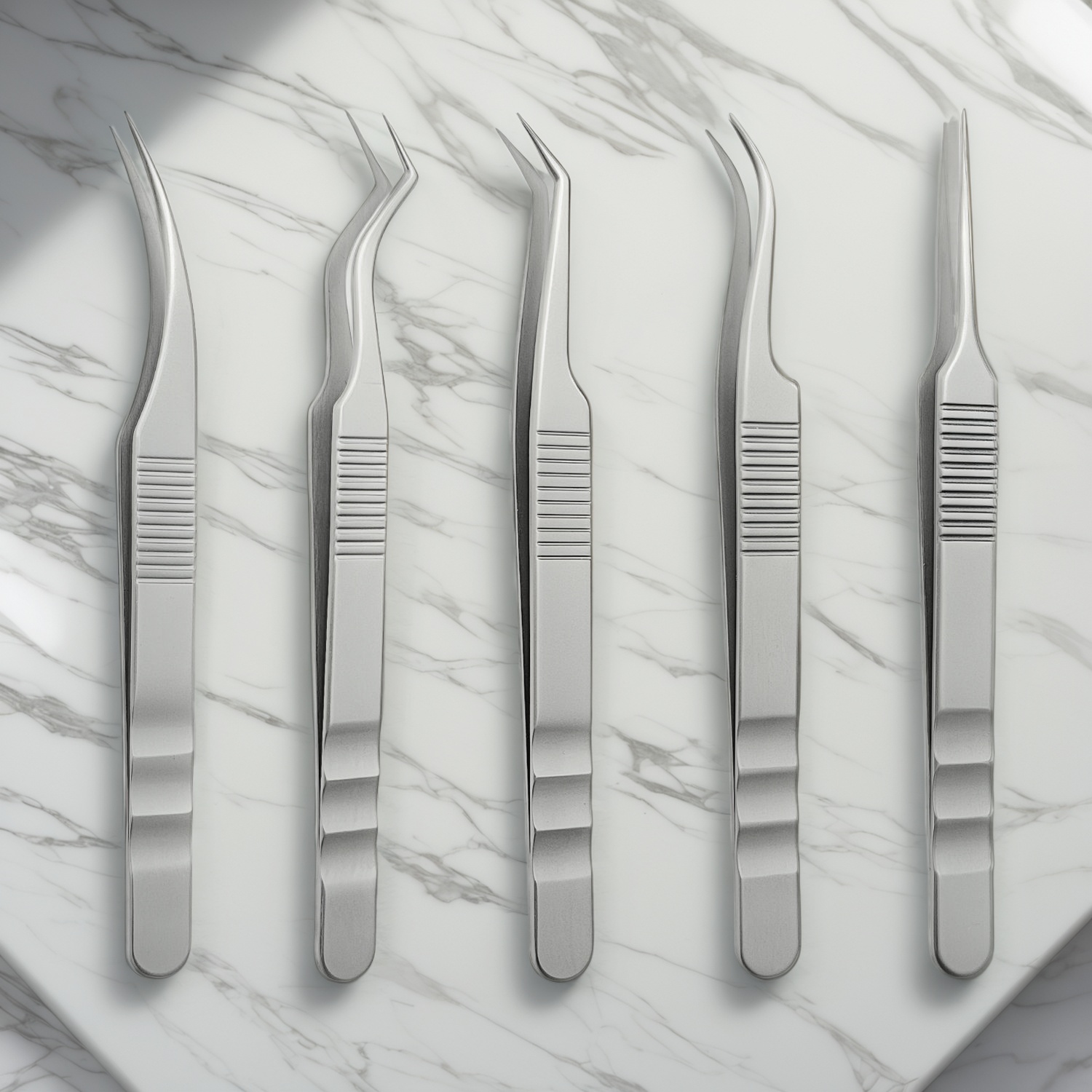
In beauty retail, tweezers are often an entry-level product. They are easy to display, simple to explain and relevant to a wide customer base. That does not mean they should be treated as a low-priority accessory. For many customers, a tweezer is one of the first tools they use from a brand. The feel of the tension, the accuracy of the tips and the durability of the finish all influence whether the customer returns for other beauty tools.
For distributors, tweezers can support different sales channels. A clean, professional-looking tweezer may be suitable for beauty stores, salons, brow studios, cosmetic gift sets or online tool assortments. For retailers, custom tweezers can help create a more consistent shelf presentation when matched with other beauty accessories. If your business is reviewing a broader product range, the beauty tool products section is a useful place to compare tool categories and plan complementary items.
The key advantage of custom tweezers for business is control. Buyers can define the intended quality level, target audience and presentation style instead of choosing a generic item with no connection to their market position. However, customization should not focus only on appearance. The most important custom decisions are the ones that affect product use: grip, alignment, finish, comfort and packaging protection.
Core Quality Factors to Review Before Ordering B2B Tweezers
When comparing B2B tweezers, buyers should examine the tool as a working instrument rather than as a simple metal accessory. Olimor Beauty emphasizes precision, durability and internal quality control, and buyers should use a practical checklist to confirm whether a tweezer is appropriate for their audience.
- Tip alignment: The two tips should meet evenly. Poor alignment reduces grip and can frustrate users trying to remove fine hairs.
- Grip performance: A tweezer should hold hair securely without forcing the user to squeeze excessively. This is especially important for brow shaping and detail work.
- Tension and hand feel: The body should provide enough resistance for control but not so much that it causes hand fatigue.
- Material choice: The supplied information notes high-quality stainless steel. Stainless steel is commonly valued in beauty tools because it supports durability and a clean appearance.
- Surface finish: A sleek, corrosion-resistant finish helps the tool look professional and supports longer product life when handled properly.
- Edge and corner finishing: Edges should feel smooth in the hand and should not snag packaging or feel sharp where the user holds the tool.
- Packaging protection: Tip guards, inserts or structured packaging can help protect alignment during transport and retail handling.
A strong quality review should also include repeated opening and closing of the tweezer, visual checks under good lighting and packaging inspection. The goal is to reduce variation within the bulk order. A single good sample is not enough if the production batch cannot maintain consistent performance.
Choosing Tweezers for Different Business Channels
Tweezers for distributors and tweezers for retailers often need different sourcing priorities. A distributor may need flexible product options that can be offered to multiple customers, while a retailer may need a focused design that fits a specific shelf story or online listing. The product itself may be similar, but the buying logic can differ.
| Business channel | Main priority | What to review |
|---|---|---|
| Beauty retailer | Customer appeal and low return risk | Packaging clarity, finish consistency, grip test and visual presentation |
| Distributor | Reliable repeat supply | Batch consistency, carton packing, product range compatibility and reorder process |
| Salon supplier | Professional hand feel | Tip precision, tension, comfort and corrosion-resistant finish |
| Private-label brand | Brand consistency | Customization options, packaging layout, quality standard and inspection process |
Retail buyers should think carefully about how the tweezer will be sold. A product sold online needs strong photography, clear usage details and packaging that survives shipping. A product sold in-store needs a clean display format and simple feature communication. Distributors may need neutral product positioning that works for several buyer profiles. If you are planning a multi-item offer, review Olimor product collections to think about how tweezers can sit beside other beauty tools.
Customization Decisions That Actually Affect Buyer Satisfaction
Customization can include color, finish, packaging and brand presentation, but the best custom tweezer program begins with function. Customers may notice the look first, but they remember the performance. A tweezer that looks attractive but does not grip properly is unlikely to create repeat sales.
Before choosing decorative elements, define the usage level. Will the tool be marketed as a daily grooming item, a professional brow tool, a travel beauty accessory or part of a gift set? A daily grooming item needs dependable comfort and easy handling. A professional-facing tool needs stricter attention to alignment and tension. A gift-set item may require more emphasis on packaging presentation, but it still needs to perform well when opened.
Packaging should also be treated as part of the product. For tweezers, packaging protects the tips and communicates quality before the customer touches the tool. It can also reduce the chance of damage during shipping and retail handling. Buyers should consider whether the package allows the customer to understand the tool type, whether the tip area is protected, and whether the product can be stored hygienically after purchase.
How to Evaluate Bulk Tweezers Price Without Sacrificing Quality
Bulk tweezers price is important, especially for distributors and retailers working with margin targets. However, the lowest unit price can become expensive if the batch produces returns, poor reviews or inconsistent sell-through. A better approach is to compare total value: product performance, finish quality, packaging protection, inspection standards and suitability for your market.
When reviewing price, divide the decision into practical questions:
- What quality level does the target customer expect? A premium retail customer and a budget accessory customer may have different expectations.
- What level of packaging is required? More protective or customized packaging may affect cost but can reduce damage and improve presentation.
- How consistent must the batch be? For brand programs and repeat retail sales, consistency is often more valuable than a minor price reduction.
- Will the tool be sold alone or in a set? A single-item retail product may need stronger packaging and feature communication than a component in a larger kit.
- What inspection process is appropriate? Raw material checks, production-stage review and final packaging inspection help protect business buyers from avoidable issues.
Olimor Beauty notes strict internal quality control from raw material inspection to final packaging. For buyers, this kind of process matters because tweezers require small tolerances. Even slight variation in tip alignment can change the user experience.
Maintenance Guidance to Support Customer Satisfaction
Product satisfaction does not end when the tweezer is sold. Clear care guidance helps end users keep the tool in better condition and reduces misuse-related complaints. Retailers and distributors can include simple care instructions in packaging, online listings or sales materials.
- Wipe the tweezer after use to remove oil, cosmetic residue or loose hairs.
- Keep the tips protected when storing the tool in a cosmetic bag or drawer.
- Avoid dropping the tweezer, as impact can affect tip alignment.
- Store in a dry place to help preserve the finish.
- Use the tweezer for its intended beauty-grooming purpose rather than as a general household tool.
These instructions are simple, but they protect the user experience. They also help position the product as a proper beauty instrument rather than a disposable accessory.
Building a Better Sourcing Brief for Custom Tweezers
A clear sourcing brief saves time and improves results. Instead of asking only for a quote, buyers should prepare the main commercial and product requirements in advance. This allows the supplier to understand the intended channel and suggest a more suitable direction.
A useful brief may include the target market, retail or wholesale channel, desired finish style, packaging needs, expected order volume, quality priorities and any brand presentation requirements. It should also state whether the tweezer is intended for home users, salons, distributors or retailers. If you are ready to discuss custom tweezers for business, you can send an inquiry with your project details or contact Olimor for sourcing communication.
Custom tweezers can be a strong product for beauty businesses when quality, price and presentation are considered together. Focus on the details that users feel immediately: aligned tips, controlled tension, comfortable handling, stainless steel construction, a corrosion-resistant finish and packaging that protects the tool. With a structured selection process, distributors and retailers can choose tweezers that support their brand reputation and create a more reliable customer experience.
Tag: