

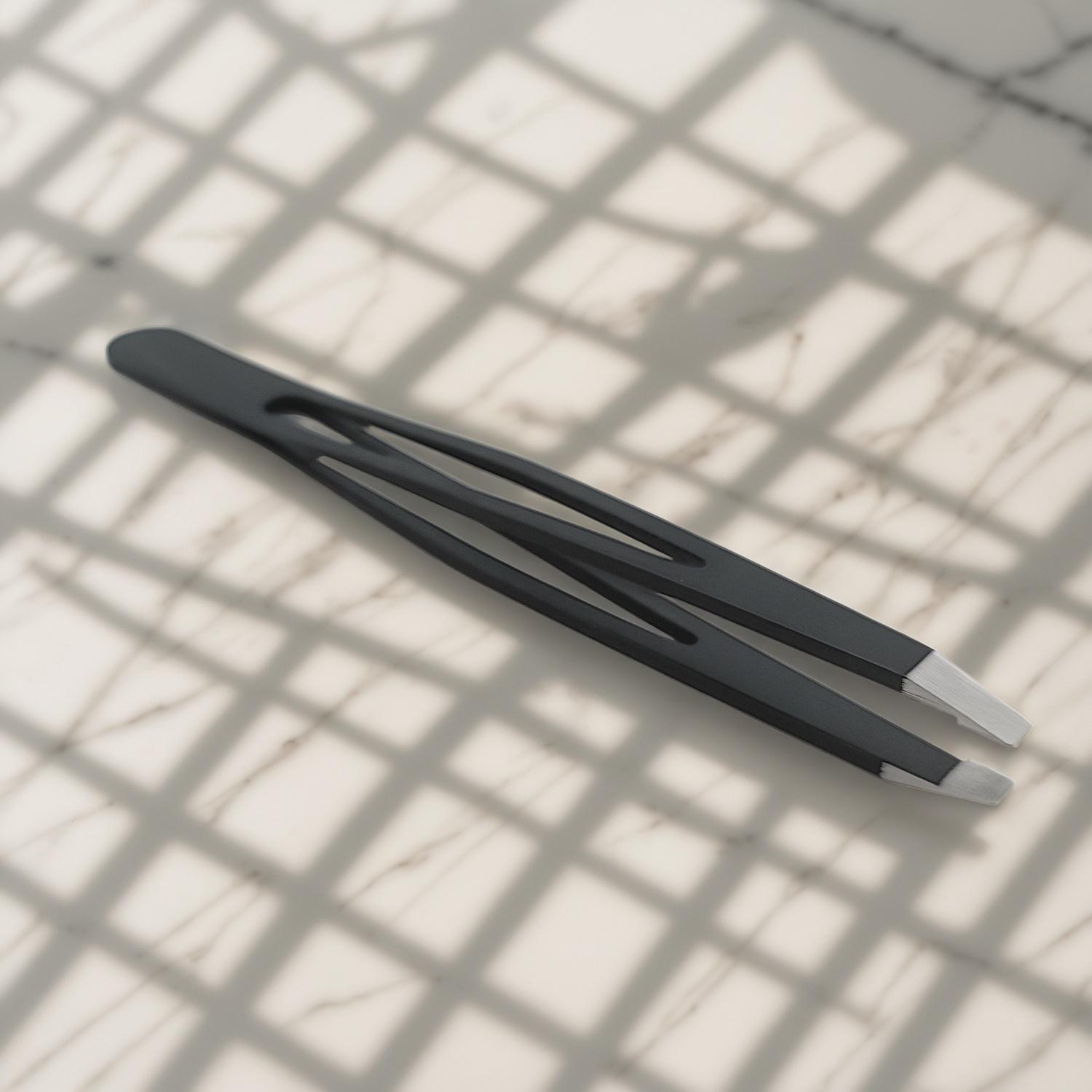
Custom Tweezers for Business: A Practical B2B Sourcing Guide
For beauty brands, salons, distributors and private-label buyers, tweezers are small products with a large influence on customer perception. A tweezer that grips cleanly, feels balanced in the hand and keeps its finish through normal use can support a premium product line. A poorly made tool can lead to frustration, returns and doubts about the rest of your assortment.
That is why sourcing custom tweezers for business should be treated as a product development decision, not only a bulk purchasing task. The right choice depends on your target user, your selling channel, the quality level you want to represent and the custom options that matter most to your market. Whether you are building a salon retail range, adding an accessory to a cosmetics line or purchasing tweezers for distributors, the goal is the same: reliable precision at a cost structure that makes sense over time.
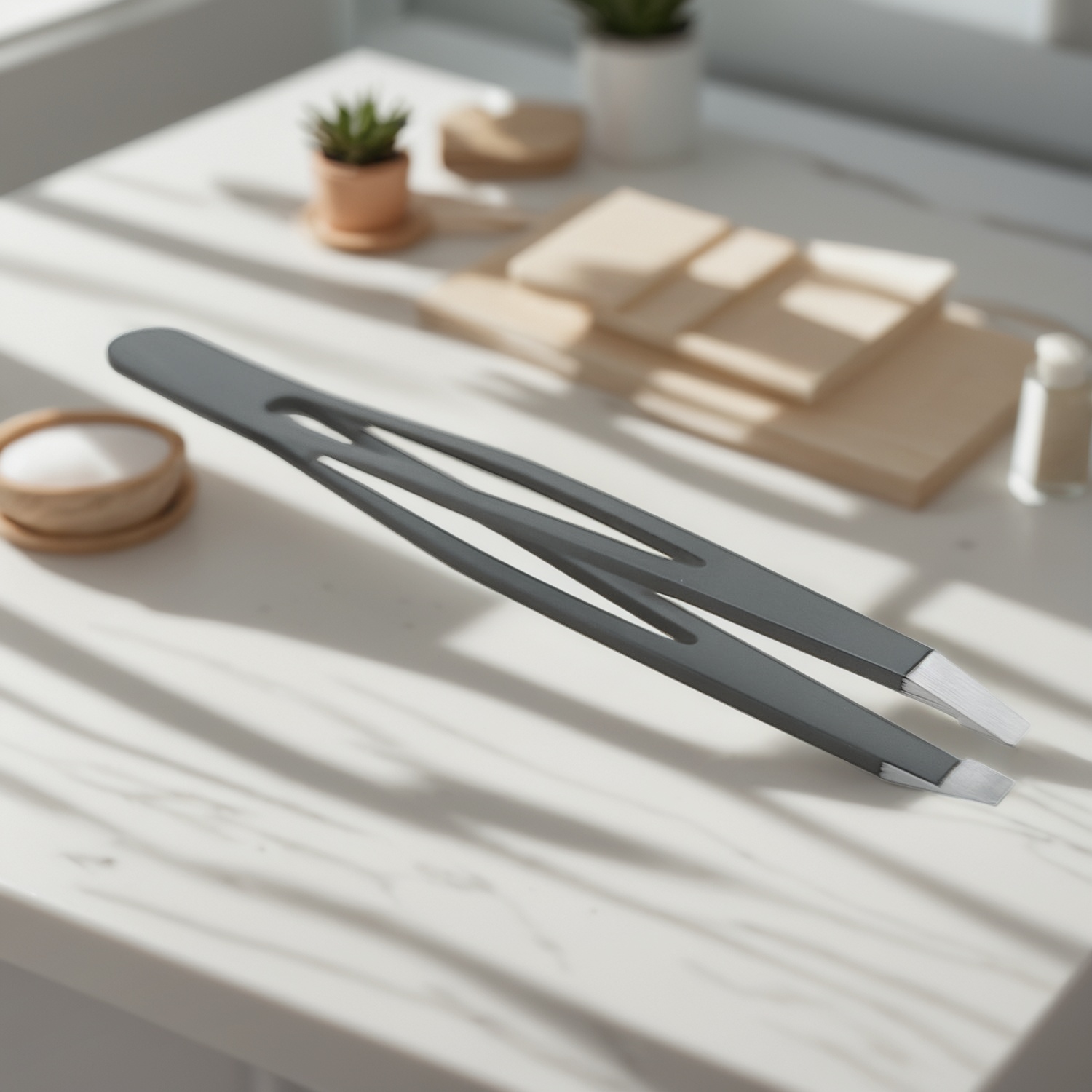
Start With the User, Not the Unit Price
Bulk tweezers price matters, but it should not be the first filter. Before comparing quotes, define who will use the product and what they expect from it. A professional brow artist will judge alignment, tip contact and hand fatigue. A retail customer may notice packaging, finish and whether the tweezer removes fine hair without repeated attempts. A distributor may care about product consistency across cartons because uneven quality creates service issues downstream.
For B2B sourcing, useful questions include:
- Primary use: eyebrow shaping, general grooming, lash application support, facial hair removal or retail gift sets.
- Sales channel: professional salon supply, cosmetics counter, e-commerce, promotional kit or distributor catalog.
- Brand position: entry-level accessory, mid-range retail item or premium beauty tool.
- Customization need: logo, color, finish, packaging, set configuration or private-label presentation.
- Customer tolerance: whether the buyer expects disposable value, repeat-use durability or salon-quality performance.
Once these points are clear, you can judge supplier options more accurately. A very low-cost tweezer may be acceptable for a simple promotional bundle, while a beauty retailer or brow studio may require a more refined tool with stronger grip consistency.
What Makes a Custom Tweezer Worth Branding?
A custom tweezer should not be selected only because it can carry a logo. The product must justify the brand name printed on it. A useful sourcing review looks at both visible and functional details. Buyers should pay close attention to the way the tips meet, the smoothness of the inner gripping edges, the tension of the arms and the comfort of the handle area.
Stainless steel is a common and practical raw material for beauty tweezers because it can support durability and a clean appearance. However, material alone does not determine performance. Manufacturing control, finishing, alignment and quality checks all influence how the tool behaves in the user’s hand. This is where working with a dedicated B2B tweezers supplier can be different from selecting generic wholesale stock.
Important quality criteria include:
- Tip alignment: the tweezer should close evenly so the user can grip fine hairs without pinching skin unnecessarily.
- Consistent tension: the arms should not feel too stiff for repeated use or too loose to control precisely.
- Surface finish: polished, matte or coated surfaces should look consistent and be free from rough edges.
- Edge refinement: tips should be shaped for function, with no visible burrs or uneven contact points.
- Packaging fit: the tweezer should sit securely in its insert, sleeve or box so it does not arrive scratched or misaligned.
If you are comparing options across broader beauty tool categories, browse Olimor Beauty’s beauty tool products to understand how individual items can be evaluated as part of a wider sourcing plan.
B2B Supplier Partnership vs. Generic Wholesale Buying
Generic wholesale purchasing can be useful when speed and low upfront cost are the main priorities. The tradeoff is usually limited control over product details, packaging, finish consistency and long-term repeatability. For a distributor or private-label brand, that uncertainty can become expensive if the next reorder does not match the first shipment.
A dedicated B2B supplier relationship is more suitable when you need a tool that represents your brand over multiple orders. Custom tweezers may require coordination on logo placement, color reference, packaging artwork, carton presentation and inspection standards. These steps are not only cosmetic. They help reduce confusion, protect brand consistency and make reorders easier to manage.
The difference becomes especially important when supplying salons, retailers or regional distributors. These customers may reorder based on a sample they previously approved. If the bulk shipment differs in finish, grip or packaging feel, the issue can affect trust. In B2B beauty sourcing, repeatability is part of product quality.
How to Compare Bulk Tweezers Price More Accurately
Price comparison should include more than the number printed on a quotation. A lower unit cost can be offset by higher defect risk, weaker packaging, poor finish consistency or limited customization support. For distributors, even a small complaint rate can reduce margins because service time, replacement costs and damaged customer relationships are rarely shown in the original price.
The following table gives a practical way to compare sourcing options before placing a bulk order:
| Evaluation Area | What to Check | Why It Matters |
|---|---|---|
| Tip performance | Alignment, grip, edge smoothness and closing contact | Determines whether the tweezer works reliably for end users |
| Material and finish | Stainless steel quality, surface appearance and coating consistency | Affects perceived value and durability expectations |
| Customization | Logo position, color, packaging layout and private-label options | Supports brand recognition and retail presentation |
| Order repeatability | Ability to match approved samples in future production | Protects distributors and brands from inconsistent reorders |
| Total cost | Unit price, packaging, defect risk, replacement handling and freight planning | Shows the real commercial value, not just the cheapest offer |
When comparing quotes, keep approved samples, packaging proofs and written product requirements organized. This gives both buyer and supplier a shared reference and reduces misunderstandings before production.
Customization Decisions That Affect Retail and Distributor Success
Customization should be purposeful. A bright finish or unusual package may attract attention, but the design still needs to match your market. For a salon-focused item, simple professional packaging may be more effective than elaborate retail decoration. For an e-commerce beauty kit, protective packaging and clear product photography may matter more. For distributors, neutral but polished private-label packaging can make the product easier to place with multiple retail accounts.
Common customization areas include logo marking, handle color, surface finish, package structure and the way tweezers are grouped in sets. Buyers should consider how each decision affects lead time, cost and reorder consistency. For example, a custom color may help brand recognition, but it should be controlled carefully so repeat orders do not vary noticeably. A printed package may improve shelf appeal, but it should protect the tool during shipping and storage.
If you are planning a wider assortment, Olimor Beauty’s product collections can help you think about how tweezers fit alongside other beauty tools. A coordinated product range can be easier for distributors and retailers to present than isolated single items.
Inspection and Sample Review Before Bulk Orders
Before committing to a larger order, sample review is essential. Do not judge samples only by appearance. Open and close the tweezer repeatedly, test the grip on fine material, check whether the tips meet evenly and look for rough spots near the gripping area. If packaging is included, review how the product sits inside it and whether movement could cause scratches during transport.
A practical sample review process can follow these steps:
- Confirm the intended use case and quality level before requesting samples.
- Review several sample pieces, not only one, to see whether quality is consistent.
- Check alignment and gripping performance under normal hand pressure.
- Inspect finish, logo placement and packaging for visible inconsistency.
- Record approved details with photos, notes and packaging references.
- Use the approved sample as the benchmark for production and future reorders.
This process is especially important for private-label buyers and distributors because the product may travel through several sales layers before reaching the final user. A clear benchmark makes quality discussions more objective.
Building Long-Term Value Into Your Tweezer Program
The strongest sourcing decisions balance cost, function and brand trust. A well-crafted tweezer made with stainless steel and controlled manufacturing can support a higher-value position than a generic tool selected only for low cost. That does not mean every buyer needs the most expensive option. It means the tool should match the promise your business makes to customers.
For beauty brands, custom tweezers can become a reliable retail add-on, a kit component or a private-label staple. For salons, they can reinforce a professional image when sold or used in service. For distributors, consistent quality can reduce complaints and make reordering easier. In every case, long-term value comes from repeatable performance, suitable packaging and sourcing communication that keeps expectations clear.
If you are comparing custom tweezers for business or planning a distributor program, you can send an inquiry with your product goals, target market and customization needs. For additional sourcing questions, you may also contact Olimor to discuss suitable beauty tool options for your business.
Tag: