

Custom Tweezers for Precise Brow Grooming and Beauty Brand Programs
Custom tweezers are small tools, but they influence how a customer experiences a beauty brand every time they shape brows, remove a stray hair or prepare skin for makeup. A well-made tweezer should close evenly, grip fine hair without excessive pressure and feel comfortable enough for repeated use. For brands, salons, beauty retailers and gifting programs, personalization also matters: color, finish and packaging can turn a practical grooming tool into a recognizable brand item.
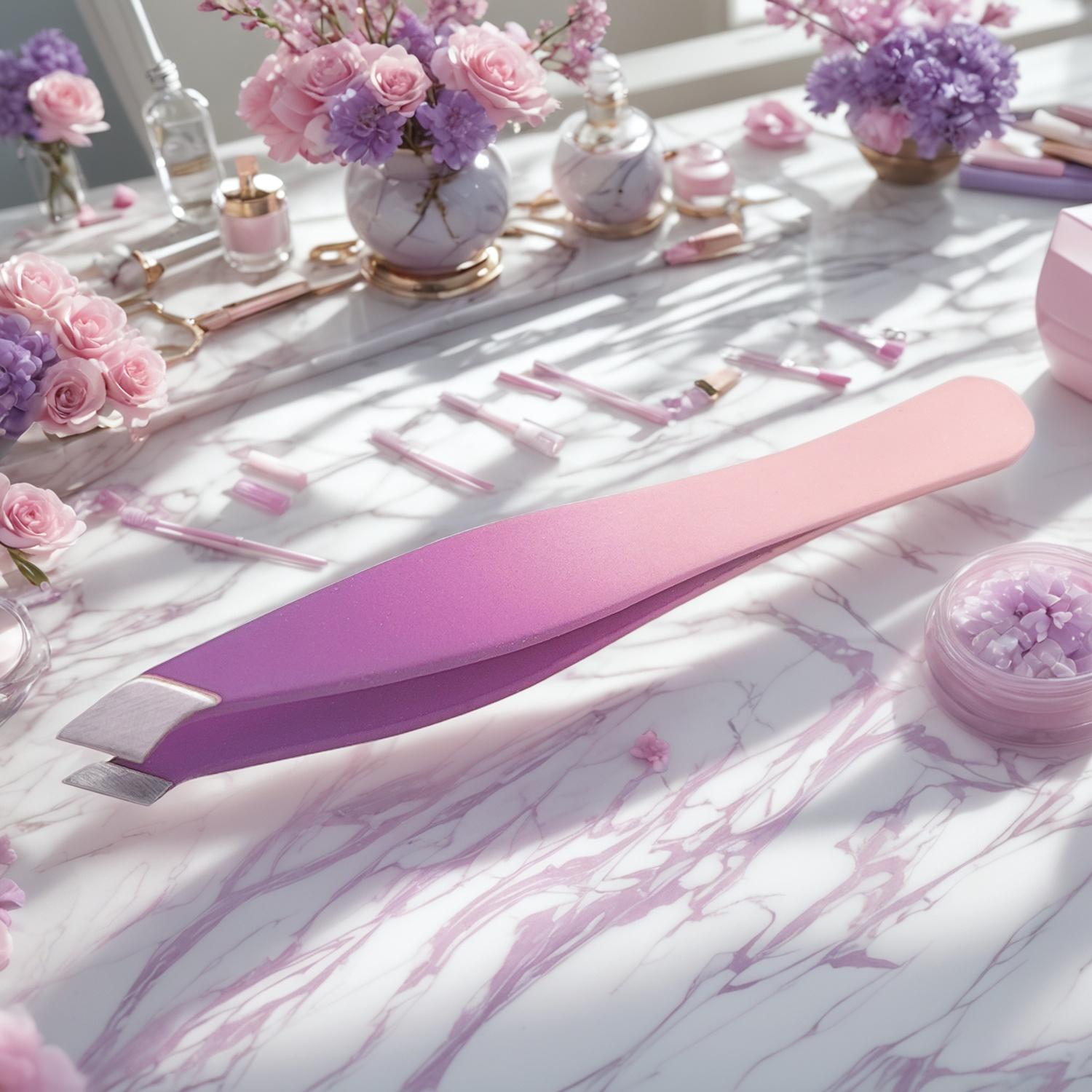
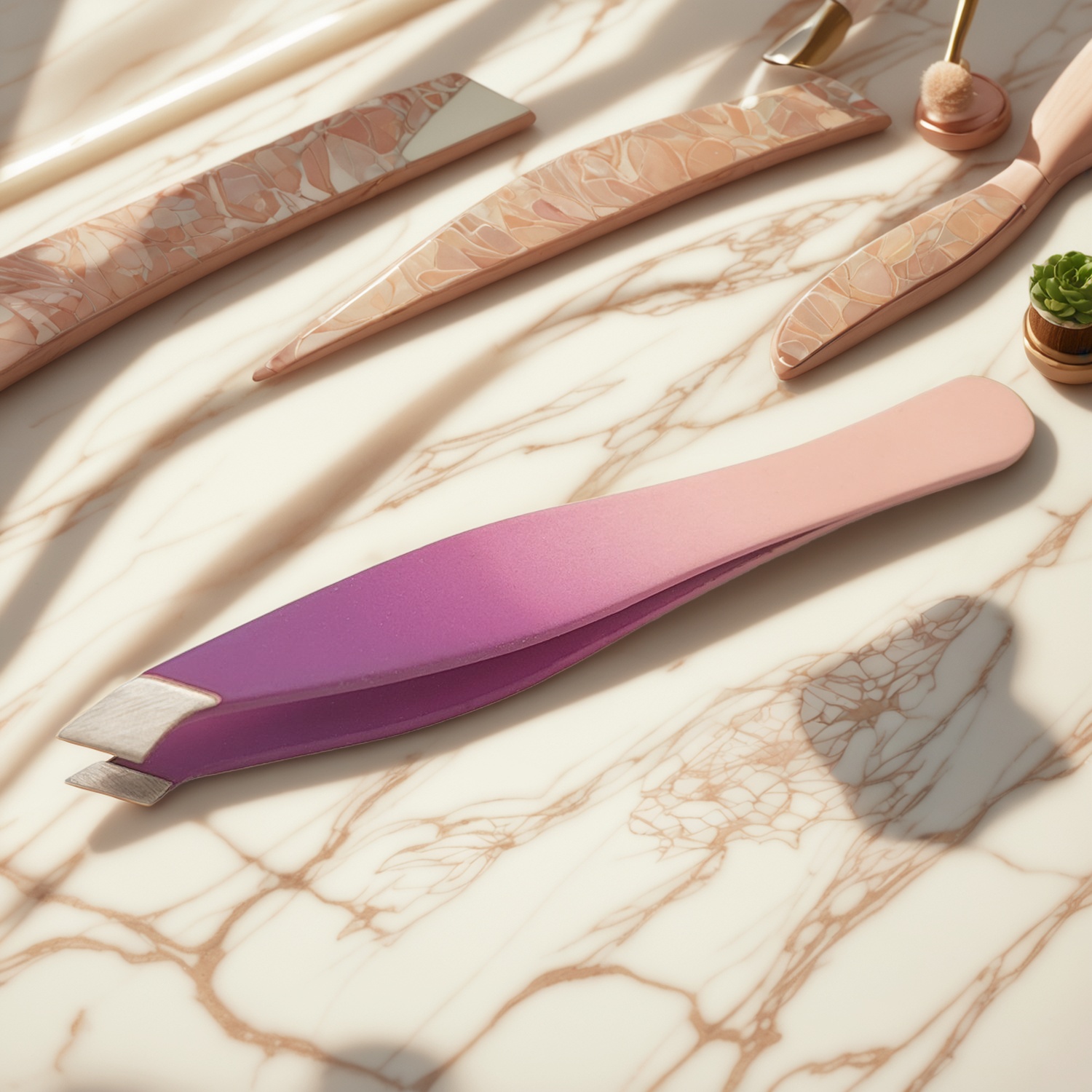
Olimor Beauty offers custom tweezers designed around precision, appearance and everyday usability. The original product concept includes high-grade stainless steel, ergonomic shaping, strict quality checks and personalized styling options such as Gradient Dual-Tone Tweezers with an ombre fade from lilac to blush pink. This guide explains how to evaluate custom tweezers for real grooming performance and how to prepare a clearer sourcing brief before you move into sampling or bulk planning.
What Makes a Custom Tweezer Useful, Not Just Decorative?
Personalized tweezers often attract attention because of color, logo placement or a gift-ready appearance. Those details are important, especially for retail displays and beauty sets, but the working edges matter more. A tweezer that looks attractive but fails to grip cleanly will not earn repeat use. When comparing samples, focus first on alignment, tension and tip finish.
Slant tips are a popular choice because they give users two working angles. The broad angled edge can help remove common brow hairs, while the point of the slant can isolate a single hair more carefully. Olimor Beauty’s custom tweezers include slant tips that are hand-filed for ultra-fine precision, which is especially relevant for brow shaping and removing stray hairs with less discomfort. For professional makeup artists, salon staff or detailed at-home users, this type of control is often more valuable than a heavily decorated handle.
Ergonomic shaping is another practical consideration. A tweezer should not require the user to squeeze too hard to maintain grip. If the arms are too stiff, longer grooming sessions become tiring. If the tension is too soft, the tips may slip or fail to close consistently. A comfortable grip and balanced feel help users work with steadier pressure, which is important around sensitive brow areas.
Choosing Personalization Details for Your Audience
Customization should support the way the product will be sold or used. A salon retail tweezer, a promotional gift and a premium beauty set may all need different design decisions. For example, the Gradient Dual-Tone Tweezers concept, with an ombre transition from lilac to blush pink, is suitable for brands that want a softer, cosmetic-focused appearance. A more neutral finish may be better for professional kits or minimalist retail lines.
Before finalizing a custom tweezer design, consider the buying context. Is the tool being sold as a single item, included in a brow kit or offered as a branded accessory? Will customers choose it online based on product photos, or will they handle it in store? These questions affect the importance of finish, packaging, logo visibility and the overall tactile impression.
- For brow-focused beauty brands: prioritize slant tip precision, smooth closing and a finish that photographs clearly for product pages.
- For salons and makeup artists: emphasize grip comfort, repeat-use durability and a clean appearance that suits professional stations.
- For gift sets: coordinate tweezer color with other tools, packaging inserts and seasonal color themes.
- For private-label retailers: keep the decoration attractive but avoid design choices that hide weak tip alignment or uncomfortable tension.
Olimor Beauty’s broader beauty tool products can also help buyers think about how tweezers fit into a complete tool program rather than a one-item purchase.
Tip Alignment, Grip and Comfort: Sample Checks That Matter
A custom tweezer sample should be evaluated like a working beauty tool, not only like a visual prototype. Even small variations at the tip can change performance. The two arms should meet evenly from the intended gripping area, and the tips should not cross, gape or twist when pressure is applied. Run a simple sample review with several users, because hand size and grooming habits can affect how the tweezer feels.
| Check Point | What to Look For | Why It Matters |
|---|---|---|
| Tip closure | Both sides meet evenly without visible gaps at the gripping edge. | Uneven closure can cause slipping, breakage or missed fine hairs. |
| Slant edge finish | The angled tips feel clean and precise, without rough edges. | A well-finished slant helps isolate brow hairs more accurately. |
| Arm tension | The tweezer opens and closes smoothly with moderate pressure. | Comfortable tension reduces hand fatigue during repeated use. |
| Surface finish | Color and coating appear consistent, especially on visible retail areas. | Cosmetic consistency supports brand perception and shelf appeal. |
| Grip feel | The tool does not feel slippery or awkward in common hand positions. | Stable handling improves control around brows and fine facial hair. |
For a more realistic evaluation, test the tweezer with different hair thicknesses and angles. Do not rely only on pressing the tips together by hand. A tool may appear aligned at first glance but still fail to capture fine hairs consistently. Buyers sourcing for beauty brands should document results from each sample round so changes in tip alignment, surface finish or tension are easy to compare.
Material, Finish and Maintenance Considerations
The supplied product information notes the use of high-grade stainless steel. For tweezers, stainless steel is commonly valued because it supports a cleanable, durable tool structure when properly finished and maintained. However, performance still depends on the quality of shaping, polishing, edge finishing and inspection. Material alone does not guarantee a precise tweezer.
Custom finishes should be chosen with the end user in mind. A gradient or dual-tone effect can strengthen visual identity, especially for beauty retail and social media product photography. At the same time, the finish should not interfere with handling or make the tips harder to inspect. If the tweezer is intended for frequent professional use, buyers may prefer a finish that is easy to wipe clean and visually inspect between uses.
Basic maintenance guidance is also useful for product pages, package inserts and customer service teams. Users should wipe tweezers after use, keep the tips protected from impact and avoid dropping them onto hard surfaces. Tip damage can reduce alignment and cause pulling instead of clean gripping. If a cap or storage sleeve is included in a program, position it as a practical protection feature rather than only a packaging accessory.
- Wipe the tips after grooming to remove oils, cosmetics or skin residue.
- Store the tweezer so the slant tips do not strike other metal tools.
- Avoid using precision brow tweezers for non-beauty tasks that can bend or dull the tips.
- Check the closing edge periodically if the tool is used in a salon or shared professional kit.
Working with a China Tweezers Exporter
Partnering with a China tweezers exporter can be useful for brands that need custom appearance, repeatable production and export experience. Olimor Beauty emphasizes strict internal controls from raw materials through final packaging, which is important because tweezers depend on small tolerances. Even when the design looks simple, the production process must control shaping, finishing, alignment and packaging presentation.
A strong sourcing brief helps both sides avoid vague expectations. Instead of asking only for “custom tweezers,” define the intended user, selling channel, finish direction, packaging format and performance priorities. If the tweezer is part of a broader beauty tool line, include color references and any related items so the finished program feels consistent. You can review Olimor Beauty’s product collections to think through how a tweezer may coordinate with other tools.
Useful sourcing questions include:
- What tip style is best suited for the target use: general brow grooming, detail work or professional kits?
- How will samples be checked for alignment, tension, surface finish and packaging appearance?
- Where should personalization appear so it is visible without affecting comfort?
- What packaging format protects the tips during shipping and presents the product clearly to customers?
- How should color references be confirmed before production to reduce variation between samples and finished goods?
These questions do not replace technical evaluation, but they create a clearer foundation for sampling and approval. For private-label buyers, clear documentation is especially important because small changes in tip feel or finish can affect customer reviews.
When Custom Tweezers Are the Right Product Choice
Custom tweezers are a strong fit when a beauty brand wants a practical tool with frequent repeat visibility. Unlike some accessories that remain in a drawer, tweezers are often used weekly or even daily. That makes comfort, durability and brand presentation especially important. A personalized tweezer can support brow care lines, lash and makeup kits, travel grooming sets, subscription boxes or salon retail programs.
The best result comes from balancing aesthetics with performance. Gradient color, personalized details and a polished retail look can attract attention, but the buyer should still evaluate the tool by how cleanly it grips, how steady it feels and how well the tips are protected. Olimor Beauty’s custom tweezers are positioned around this balance: precision slant tips, ergonomic handling, durable construction and inspected details for personal and professional grooming needs.
If you are planning a custom tweezer program, prepare your intended use, preferred finish, packaging expectations and sample review criteria before beginning. To discuss a project direction, contact Olimor or send an inquiry with your basic requirements. A clear brief will make it easier to compare options and develop a tweezer that looks aligned with your brand while performing reliably in the hand.
Tag: