

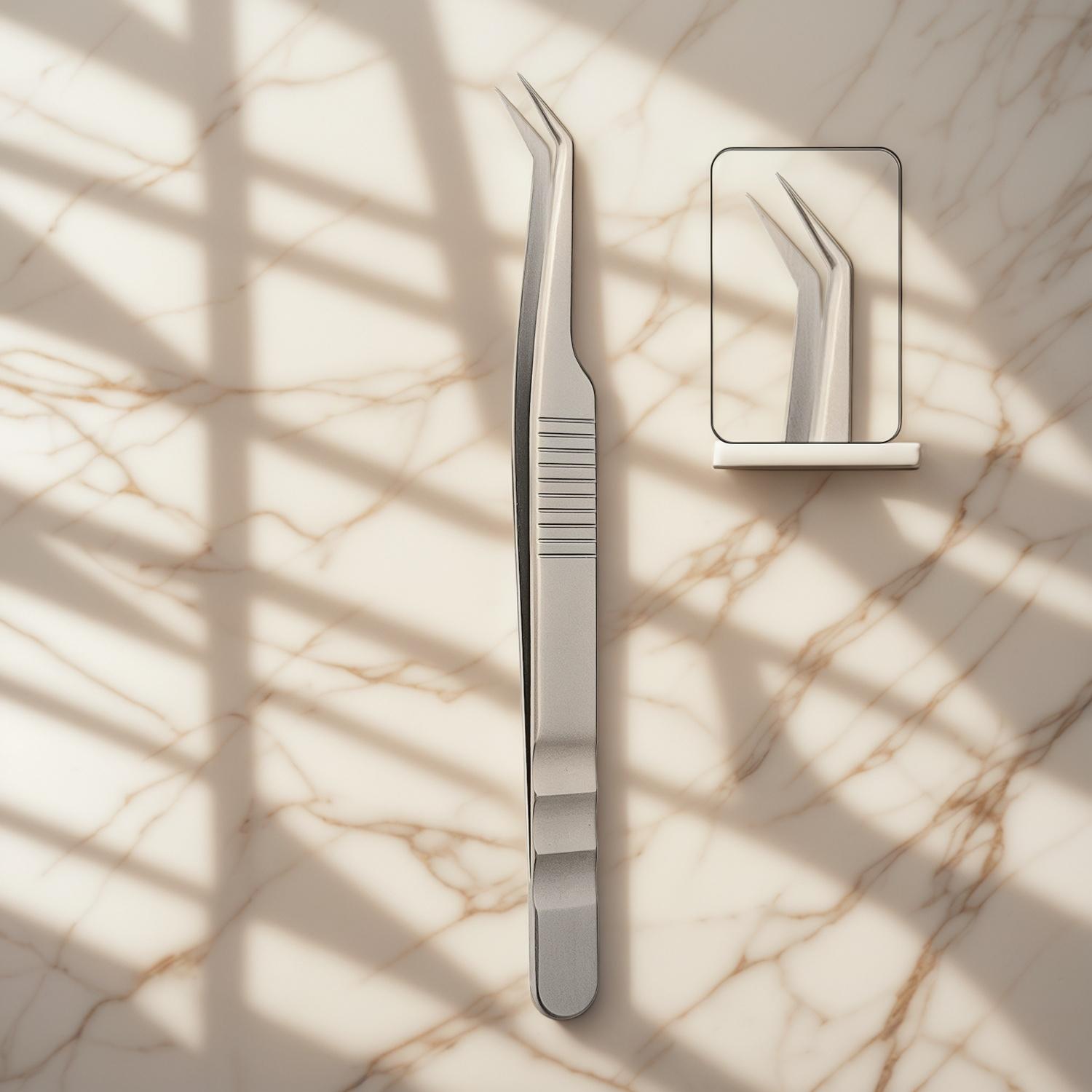
Custom Tweezers for Precise Brow, Lash and Beauty Work
Custom tweezers may look like a small item in a beauty range, but they have a direct effect on comfort, accuracy and the way customers perceive a tool kit. For brow shaping, lash application, facial hair removal and retail beauty sets, the difference between an ordinary tweezer and a well-made custom tweezer is usually felt at the tip: how cleanly it closes, how firmly it grips, and how easy it is to control without hand strain.
For beauty brands, salons, distributors and private label buyers, custom tweezers are also a practical product to differentiate. Shape, finish, handle texture, packaging and branding can all influence whether the tool feels professional or disposable. This guide explains what to evaluate when selecting custom tweezers from a manufacturer or China tweezers exporter, and how to match the tool to real beauty use cases rather than choosing only by appearance.
What Makes Custom Tweezers Different from Standard Tweezers?
Standard tweezers are often selected from an existing catalog with fixed shape, finish and packaging. Custom tweezers allow buyers to refine the product for a specific audience: a brow bar, a lash technician kit, an online beauty brand, a travel grooming set or a salon retail display. The customization does not need to be excessive. In many cases, the most valuable decisions are practical ones: tip angle, grip area, surface finish, color direction and packaging format.
The original purpose of tweezers is simple: to hold and remove small items with control. In beauty applications, however, that simple function requires consistency. The arms need enough spring to return smoothly after each squeeze. The tips should meet evenly so fine hairs or lash segments do not slip. The handle should provide stability, especially when hands are damp from cleansing products or when the tool is used repeatedly in a professional setting.
Olimor Beauty focuses on beauty tools where precision manufacturing steps and quality checks matter to the user experience. When reviewing beauty tool products, buyers should look beyond the product photo and consider whether the tweezer design supports the exact task their customers need to perform.
Tip Shape: The Most Important Selection Decision
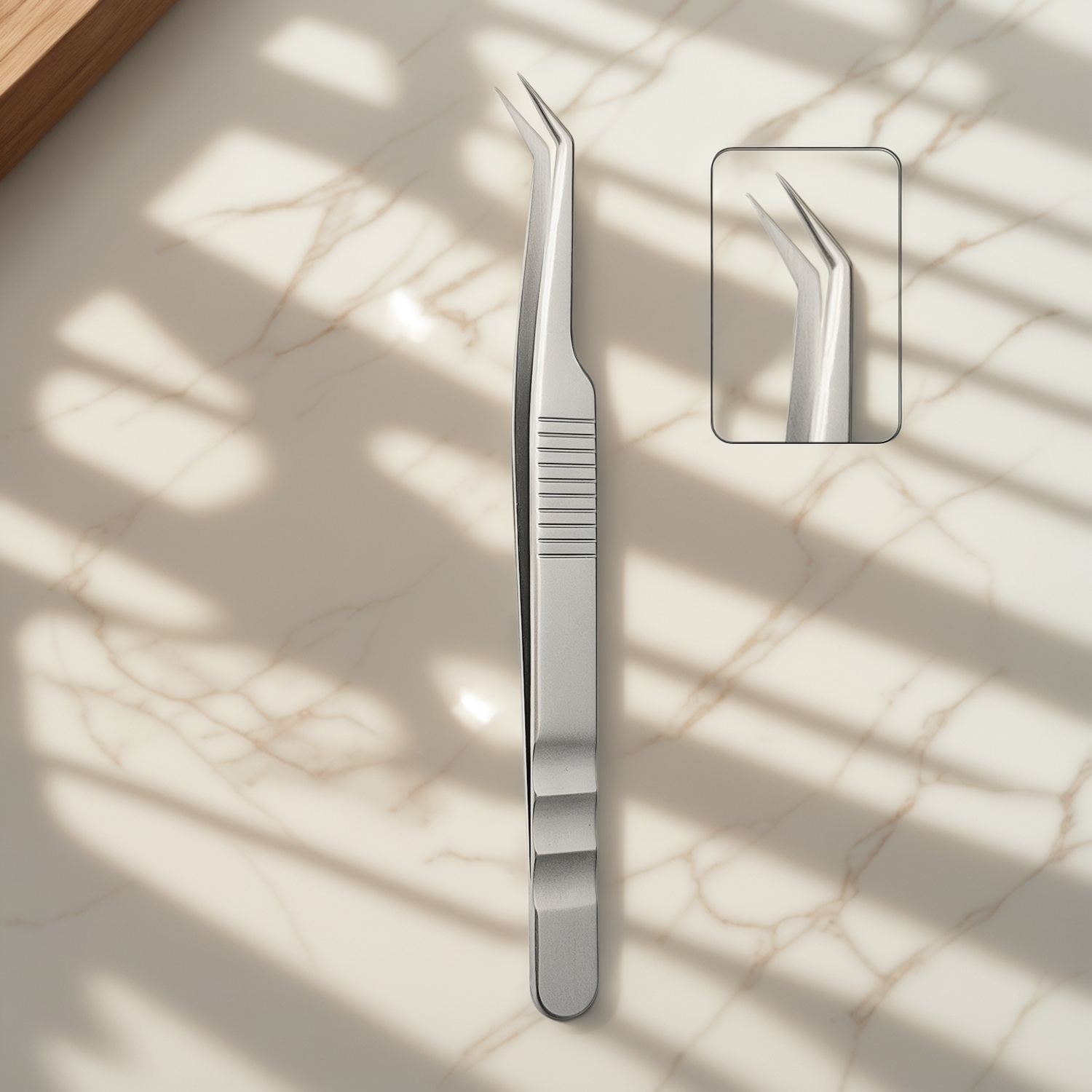
The tweezer tip is the working end of the tool, and it determines the main use case. Slanted tips are commonly preferred for brow shaping because the angled edge helps approach hairs from different directions while maintaining visibility. The supplied product information highlights slanted tips for superior grip, making this type especially relevant for grooming and everyday beauty work.
Different beauty users may need different tip behavior. A consumer brow tweezer should be easy to align and forgiving enough for home use. A salon tweezer may need tighter control for repeated, detailed work. Lash application may require a shape that can pick up delicate lash pieces without crushing them. For custom orders, it is useful to define the task first, then choose the tip geometry.
- Slanted tips: Suitable for brow shaping, general hair removal and controlled grooming.
- Pointed tips: Often considered for very fine work, but they require careful handling and clear user guidance.
- Flat tips: Useful when a wider contact area is preferred, though less precise for individual fine hairs.
- Curved or specialty tips: Considered for lash placement or niche professional use, depending on the target customer.
Whatever shape is selected, alignment is critical. A visually attractive tweezer will disappoint users if the tips do not close evenly. During sampling, test the tips on fine hair-like fibers, thin paper edges or lash strips to see whether the tool grips consistently across the contact area.
Material, Finish and Handle Texture
The supplied product details mention stainless steel construction, textured handles and polished finishes. These are important considerations because beauty tweezers are repeatedly touched, cleaned and stored in bathrooms, salon drawers and retail kits. Stainless steel is widely used for tweezers because it can provide durability and a clean professional look when manufactured and finished properly.
A polished finish can make the surface easier to wipe and maintain. It also gives the product a clean appearance that suits both consumer packaging and professional tool sets. However, a smooth polished body can feel slippery if there is no grip feature. This is where textured handles become useful. A textured area supports non-slip control and helps the user position the fingers consistently during delicate brow or lash work.
When comparing samples, buyers should hold the tweezer as an end user would. Check whether the edges feel comfortable, whether the tension is too stiff or too loose, and whether the grip pattern improves control without feeling rough. A good custom tweezer should not require excessive force. If the user has to squeeze hard to grip a single hair, fatigue and imprecision increase quickly.
How Beauty Brands Can Plan Customization
Customization should begin with the buyer’s product strategy. A tweezer for a premium brow kit may need a refined finish and protective packaging. A retail add-on for a cosmetic bag may prioritize compact size and broad appeal. A professional salon tool may focus more on grip, tip accuracy and durability than decorative elements.
Useful customization decisions include:
- Define the main user: Home brow grooming, salon service, lash application, men’s grooming or travel kits.
- Select the tip type: Match the shape to the task instead of copying a competitor’s design.
- Choose the surface direction: Polished, matte-looking or colored finishes may create different brand impressions.
- Confirm grip requirements: Textured handles can improve control, especially for precise work.
- Plan packaging early: Protective sleeves, cards or boxes can affect perceived value and shipping protection.
- Prepare branding assets: Logo placement and artwork should be checked for readability at small scale.
Buyers exploring related product collections may also consider how tweezers fit with scissors, nail tools, lash tools or grooming accessories. A consistent finish and packaging language can make a mixed beauty tool range feel more organized.
Quality Checks That Matter Before Bulk Ordering
A reliable tweezer should be checked from raw material through packaging. The original product information notes thorough inspections from raw materials to packaging, which is a sensible approach for small precision tools. Because tweezers are compact, defects may not be obvious in a product photo, but they become clear during use.
The following table can help buyers evaluate samples before confirming a custom order:
| Check Point | What to Look For | Why It Matters |
|---|---|---|
| Tip alignment | Tips meet evenly without visible gaps | Improves grip on fine hairs and lash pieces |
| Spring tension | Smooth squeeze and return, not overly stiff | Reduces hand fatigue during repeated use |
| Surface finish | No sharp burrs, rough patches or uneven polishing | Supports comfort, cleaning and product appearance |
| Handle texture | Grip area is consistent and comfortable | Helps maintain control in detailed beauty work |
| Packaging fit | Tool is protected and presented neatly | Reduces damage risk and improves retail impression |
For private label buyers, it is also wise to review multiple samples from the same production batch when available. One perfect sample is encouraging, but consistency across pieces is what determines customer satisfaction.
Maintenance Guidance for End Users
Custom tweezers become more valuable when the buyer can explain how to care for them. Simple maintenance guidance can reduce returns and help customers get better results. After use, tweezers should be wiped clean and dried before storage. The tips should be protected from impact because dropping the tool can affect alignment. For salon or shared professional use, cleaning practices should follow the hygiene procedures appropriate to the service environment.
Packaging or product inserts can include a short care note: keep the tips covered when stored, avoid using the tweezer as a scraper or prying tool, and clean the gripping surface after contact with cosmetic residue. These small instructions help preserve the precision that customers paid for.
Choosing a Trusted Exporter or Manufacturer
Many buyers search for top tweezers manufacturers or a China tweezers exporter because they need stable production, customization support and practical communication around beauty tool details. Instead of relying only on broad ranking terms, evaluate whether the supplier can discuss the product in functional terms: tip closure, handle feel, finishing, inspection steps and packaging protection.
Before placing a custom order, prepare a clear brief with the intended market, preferred tip shape, finish direction, logo needs, packaging concept and any usage requirements. If you are comparing options or building a new beauty tool range, you can send an inquiry with your project details or contact Olimor for discussion about suitable beauty tool solutions.
The right custom tweezer should feel accurate, comfortable and easy to maintain. For brands and professional buyers, that means selecting a tool based on real use rather than decoration alone. With well-considered tip design, stainless steel construction, textured control areas, polished finishing and careful inspection, custom tweezers can become a reliable part of brow, lash and grooming routines for both home users and professionals.
Tag: