

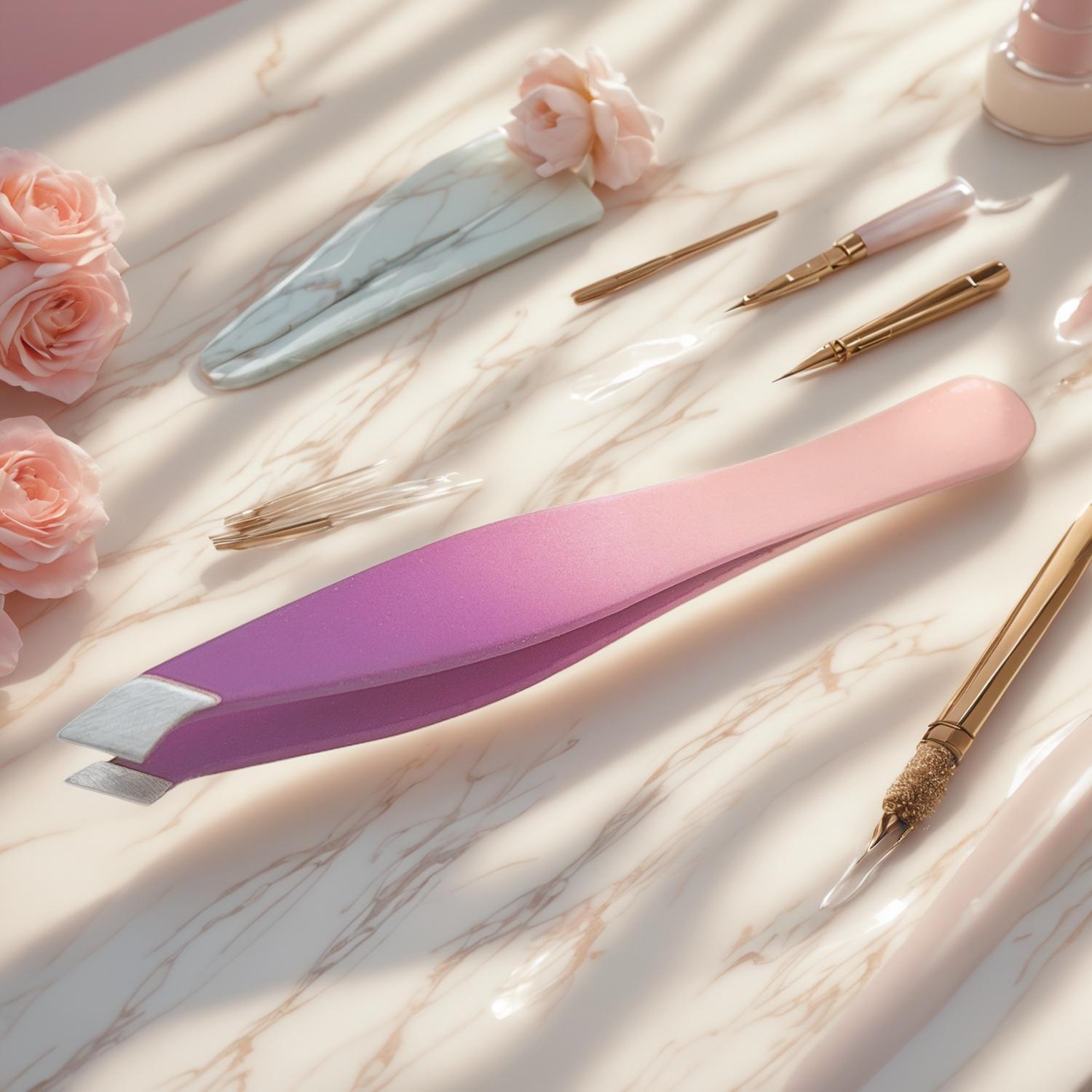
Custom Tweezers for Private Label Grooming Lines
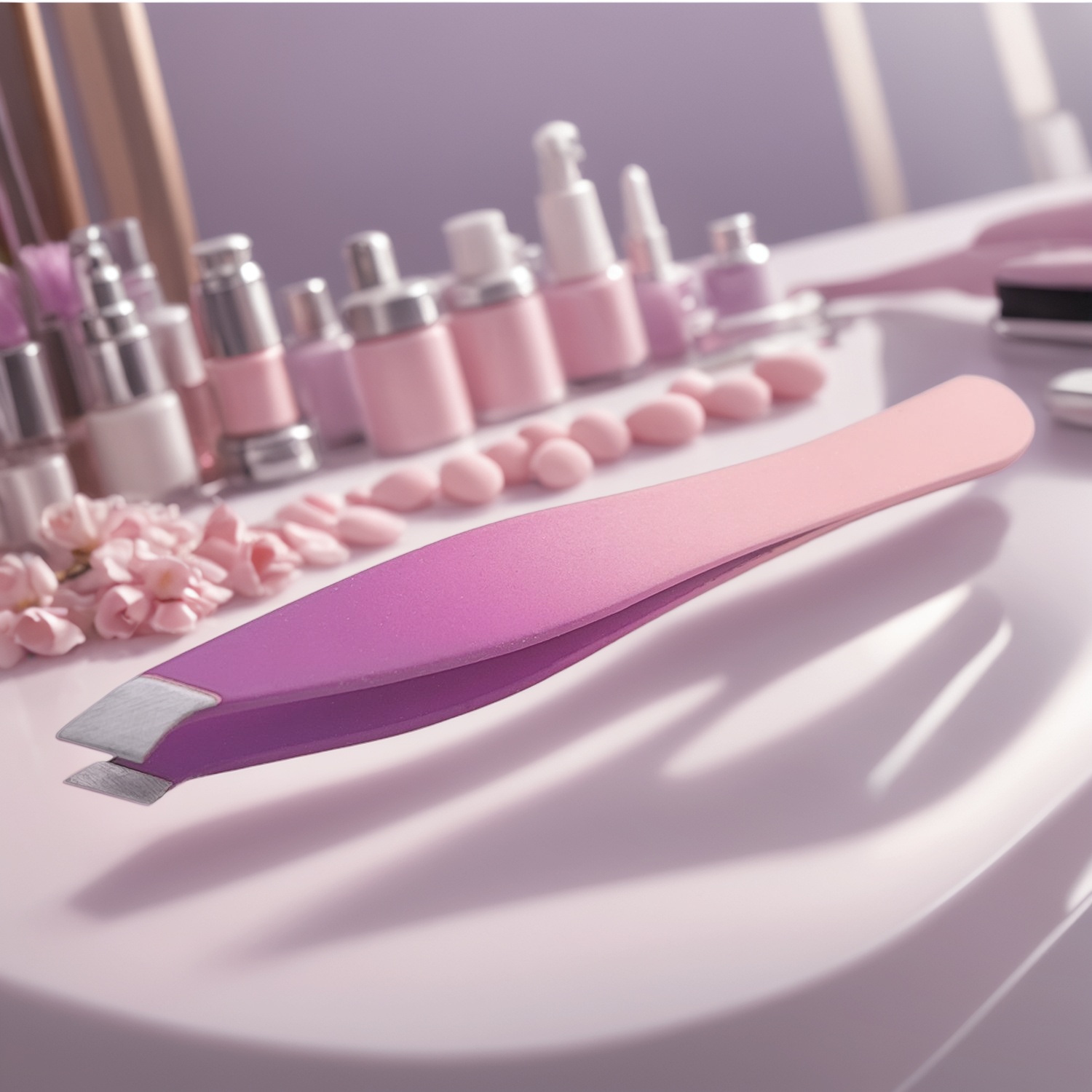
Custom tweezers look simple, but they have a direct effect on how customers judge a grooming line. A tweezer may be used for eyebrow shaping, fine hair removal, lash application support, manicure kits, travel pouches, salon resale, or promotional beauty sets. If the tips do not meet cleanly, the grip feels slippery, or the finish wears poorly, the tool can make the entire brand feel less reliable.
For private label buyers, the main goal is not only to add a logo or choose a color. The goal is to specify a small precision tool that suits the user, matches the sales channel, presents well in packaging, and performs consistently when handled every day. Olimor Beauty supports beauty-tool buyers with personalized tweezer options including stainless steel construction, ergonomic design, slant tips, color direction, design choices, and engraving.
This guide explains how to choose custom tweezers for beauty retail, salon use, travel grooming kits, and wholesale programs without losing focus on the details that matter most: tip alignment, hand feel, finish quality, packaging fit, and supplier communication.
What B2B Buyers Should Decide Before Customizing Tweezers
Before choosing a finish or engraving style, define the commercial role of the tweezer. A tool for a professional-looking salon accessory range may require a clean, restrained appearance and dependable daily handling. A tweezer inside a travel grooming kit may need compact storage and tip protection. A giftable beauty item may benefit from a decorative finish, initials, or a brighter color story.
Start with one clear use case. This prevents the project from becoming a decorative item that does not satisfy the end user. The most common private label applications include eyebrow grooming tools, manicure or pedicure sets, lash support accessories, beauty gift sets, handbag grooming tools, and retail counter products. Each application changes the balance between precision, appearance, portability, and packaging.
For example, eyebrow users usually care about slant-tip control because the angled edge can help grip individual hairs while still giving the user a broader contact area. Travel-kit buyers may care more about a protective pouch, a secure tray, or a cap that helps preserve the tips. Retail beauty brands often need the tweezer to coordinate with other tools, cartons, or pouch materials.
When comparing Olimor beauty tool products, treat the tweezer as part of a wider range. A custom tweezer should not look disconnected from scissors, nail tools, facial tools, or other accessories sold under the same brand. Consistency in finish, packaging, and quality level helps the final assortment feel intentional.
Core Performance Details: Tip Alignment, Shape, Grip, and Finish
The useful value of a tweezer begins at the tips. If the tips meet unevenly, the tweezer may miss fine hairs, cut rather than pull, or require repeated attempts. A polished color or attractive logo cannot compensate for poor alignment. For this reason, private label buyers should confirm the performance expectations before approving decoration.
Slant tips are widely used in eyebrow grooming because they provide two working areas: the longer angled edge for general gripping and the narrower corner for detail work. When reviewing slant-tip samples, check whether the tips meet along the intended contact area and whether the corner feels controlled rather than rough. Precision should not feel hazardous or unfinished.
Hand feel is the second major performance point. A tweezer should open and close smoothly with enough spring tension to give control, but not so much resistance that it causes fatigue during repeated use. Ergonomic shaping can improve comfort, especially for salon resale, brow kits, or any line marketed for regular grooming. Lightweight handling is useful for travel, but the tool still needs enough stability to maintain gripping pressure.
Surface finish also affects performance and perception. A smooth and consistent finish makes the tool look clean at retail and can support a premium appearance. Matte, glossy, metallic, and gradient effects each create a different impression. A purple-to-pink ombre finish, for example, feels more fashion-led and giftable than a plain professional finish. Whatever style is chosen, it should not interfere with grip, tip function, or packaging fit.
Customization Options That Add Value Without Reducing Function
Personalized tweezers can be subtle or expressive. Some buyers choose a discreet engraved logo for a professional line, while others specify a strong color, decorative gradient, or initials for a gift-focused collection. The best customization choices support the brand and the user at the same time.
Useful customization decisions include color direction, logo method, logo placement, surface finish, packaging format, and coordination with other items in the range. The logo should be readable and positioned where it does not interrupt the user’s grip. If the tool will sit in a pouch or tray, the printed or engraved area should not rub excessively during storage and shipping.
Color should be selected with the full selling unit in mind. A tweezer may look attractive alone but appear mismatched when placed next to a carton, blister card, velvet pouch, or grooming kit insert. Buyers building multi-item sets can review beauty tool collections to consider how a custom tweezer can coordinate with related grooming tools.
Packaging customization should also be discussed early. A tweezer used in a retail display may need a different presentation from one supplied inside a travel pouch. If the package leaves the tips exposed or allows the tool to move too much, the final product may arrive with marks, bent tips, or an uneven appearance. A secure fit protects both performance and perceived value.
Comparison Guide: Choosing the Right Tweezer Style for Each Channel
The same tweezer design is not always right for every sales channel. Buyers can reduce sourcing risk by matching the specification to the user expectation rather than selecting the most decorative option first.
| Application | Buyer Priority | Recommended Focus | Potential Risk to Check |
|---|---|---|---|
| Eyebrow grooming line | Clean gripping of individual hairs | Slant-tip alignment, controlled pressure, comfortable handling | Tips that gap, twist, or feel too rough |
| Salon resale or professional accessory | Reliable daily use and professional appearance | Consistent finish, ergonomic feel, practical branding | Decoration that looks fashionable but wears poorly in frequent handling |
| Travel grooming kit | Portability and tip protection | Compact fit, secure pouch or tray, lightweight handling | Loose packaging that allows tip damage during transport |
| Gift set or promotional beauty item | Visual appeal and personalization | Color, engraving, initials, gradient or decorative finish | Decorative choices that distract from basic performance |
| Retail private label range | Brand consistency across repeat orders | Stable color direction, logo placement, packaging coordination | Approved sample not matching production presentation |
This table is a starting point for a sourcing brief. The final choice should be based on how the tool will be sold, how the user will handle it, and what quality level the rest of the product range communicates.
How to Evaluate a Custom Tweezer Supplier
A supplier evaluation should go beyond product photos. Images can show general shape, color, and logo position, but they cannot confirm alignment, spring tension, edge finishing, or consistency across a production lot. For B2B sourcing, request clear information about the manufacturing and inspection steps that affect the final tool.
A practical supplier conversation should cover raw material expectations, shaping, finishing, decoration, packaging, and final inspection. For this product category, stainless steel is a useful starting point because it is commonly selected for grooming tools and is stated for these tweezers. However, buyers should still ask the supplier to confirm the material description used for the specific order and to provide the documents needed for the target market.
Customization adds variables. A color coating, engraving, gradient finish, or special package may change how the product is handled during production and inspection. Ask how the supplier checks the finished tool after decoration, not only before decoration. A well-aligned tweezer can still become commercially unacceptable if the color is inconsistent, the logo is poorly placed, or the package scuffs the surface.
For consumer products, buyers should also understand the regulatory expectations in their selling market. In the United States, the Consumer Product Safety Commission is a relevant public body for consumer product safety information. In the European Union, the General Product Safety Regulation may be relevant to general consumer goods. Requirements can change, so buyers should verify current versions and request supplier documents for the specific product, packaging, and destination market. Do not rely on a generic claim that is not supported by order-specific documentation.
Sample Review and Inspection Checklist
Samples are most useful when they are reviewed like the final selling item. Do not evaluate only the loose tweezer if the production order will include a pouch, tray, card, carton, barcode label, or multi-tool set. Check the full presentation because packaging can affect both appearance and damage risk.
Use the checklist below when reviewing development samples, pre-production samples, or incoming goods.
- Tip alignment: Close the tweezer slowly and check whether the two sides meet evenly along the intended gripping area.
- Tip condition: Look for rough edges, bent points, visible gaps, or twisting. Precision should feel controlled and clean.
- Grip pressure: Open and close the tool several times. It should feel smooth, not overly stiff or too soft.
- Hand comfort: Hold the tweezer in a natural grooming position and check whether the body supports stable control.
- Surface finish: Inspect color, polish, coating, or gradient consistency under normal viewing conditions.
- Logo or engraving: Confirm that the branding is clean, readable, correctly placed, and not located where it disrupts grip.
- Packaging fit: Shake or handle the packaged sample gently to see whether the tweezer stays secure and whether the tips are protected.
- Set compatibility: If the tweezer is part of a kit, confirm that it sits well with other tools and does not scratch neighboring items.
- Documentation: Check whether product descriptions, labels, and market documents match the actual specification being ordered.
Review more than one piece when possible. One attractive sample does not prove consistency. For private label and wholesale programs, consistent production is often more important than a single perfect development sample.
Cost Factors Without Guessing Prices
Custom tweezer cost depends on specification, decoration, packaging, order structure, and inspection requirements. Buyers should avoid comparing only unit price unless the compared products are truly equivalent. A plain tweezer, an engraved tweezer, and a gradient-finished tweezer with a custom tray may all serve different commercial purposes.
Important cost factors include tweezer shape, stainless steel construction requirements, finish complexity, logo or engraving method, color matching expectations, packaging format, set assembly, labeling needs, and the level of inspection requested. A fashion-led finish may support a higher perceived retail value, but it can also require more careful color and surface review. A travel pouch may improve user experience, but it also adds packaging and fit considerations.
Buyers should also consider the cost of problems. Poor tip alignment can lead to returns, weak reviews, or customer complaints. Packaging that allows the tool to move can cause scuffs before the product reaches the shelf. Unclear logo placement can make a private label item look generic or unfinished. These issues may not appear in the first quotation, but they affect the true cost of the program.
The most useful approach is to ask for quotations based on a complete brief. Include the intended use, finish, logo, packaging, inspection priorities, and destination market requirements. If options are being compared, request them as separate specifications so decisions are made clearly.
Care, Storage, and Customer Instructions
Even a well-made tweezer needs basic care. Private label brands can reduce avoidable complaints by giving users simple instructions on the package, insert, or online product page. The guidance should be brief and practical.
Users should keep the tips clean, wipe the tool after grooming use, allow it to dry before storage, and avoid dropping it on hard surfaces. If the tweezer is kept in a handbag or travel pouch, a protective cover, fitted slot, or secure pouch can help preserve the tip alignment. Customers should not use eyebrow tweezers as general household tools because twisting or prying can damage the tips.
These instructions add value because they explain how to preserve the tool’s performance. They also make the final product feel more complete, especially in retail beauty kits where users expect a polished experience.
Preparing a Clear Custom Tweezer Brief
A good sourcing brief helps the supplier understand both the technical and commercial expectations. It should not be limited to a photo or a logo file. Include the user, channel, tool style, decoration, packaging, inspection priorities, and any market documentation requirements.
A complete brief may include the following points: target user, sales channel, preferred slant-tip shape, stainless steel expectation, ergonomic or handling preference, color or finish direction, logo or engraving placement, packaging format, kit compatibility, labeling needs, and the most important quality checks. If the tweezer must coordinate with other tools, include images or references for the full range.
Clear communication also helps with sample approval. When reviewing a sample, mark exactly what is approved and what must change. For example, the tip function may be acceptable while the logo placement or tray fit needs adjustment. Separating these points avoids confusion before production.
Working With Olimor on Private Label Tweezers
Olimor Beauty works with buyers developing custom tweezers for retail beauty lines, salon accessories, travel grooming kits, promotional sets, and private label programs. Available project discussions can cover stainless steel tweezers, slant-tip design, ergonomic handling, color direction, engraving, decorative finishes, packaging fit, and inspection priorities.
To make the process more efficient, prepare your preferred application, target market, brand style, packaging idea, and quality checklist before requesting a sample or quotation. If you are building a custom grooming range, you can contact Olimor Beauty to discuss requirements or send a project inquiry with your specification details.
FAQ: Custom Tweezers for Private Label Buyers
Can I request samples before placing a private label tweezer order?
Sample requests are commonly used to review tip alignment, hand feel, finish, logo placement, and packaging fit before confirming a larger project. Provide your intended application and customization details so the sample can be evaluated against the right expectations.
Is there a fixed MOQ for custom tweezers?
MOQ can depend on the tweezer style, decoration, finish, packaging, and order structure. Ask for the current requirement based on your exact specification rather than assuming the same MOQ applies to every design.
What customization options are available?
Customization can include color direction, design details, engraving, logo placement, and decorative finishes such as gradient effects, depending on the project. Packaging can also be discussed so the tweezer fits the final retail or kit presentation.
How should quality be checked for custom tweezers?
Focus on tip alignment, grip pressure, edge condition, surface finish, logo clarity, and packaging fit. For production orders, confirm how inspection is handled after decoration and before final packing.
How is lead time confirmed?
Lead time depends on the approved specification, customization, packaging, sampling process, and production schedule. Confirm the current timeline with the supplier after the design, documents, and order details are clear.
Tag: