

Custom Tweezers for Lash Professionals: What to Check Before You Order
Custom tweezers are small tools, but they have a direct effect on the speed, comfort and consistency of eyelash extension work. For a lash artist, the difference between a dependable tweezer and an average one is felt in every isolation, pickup and placement. For a beauty brand, the difference shows up in repeat purchases, customer feedback and how confidently the tool represents the brand.
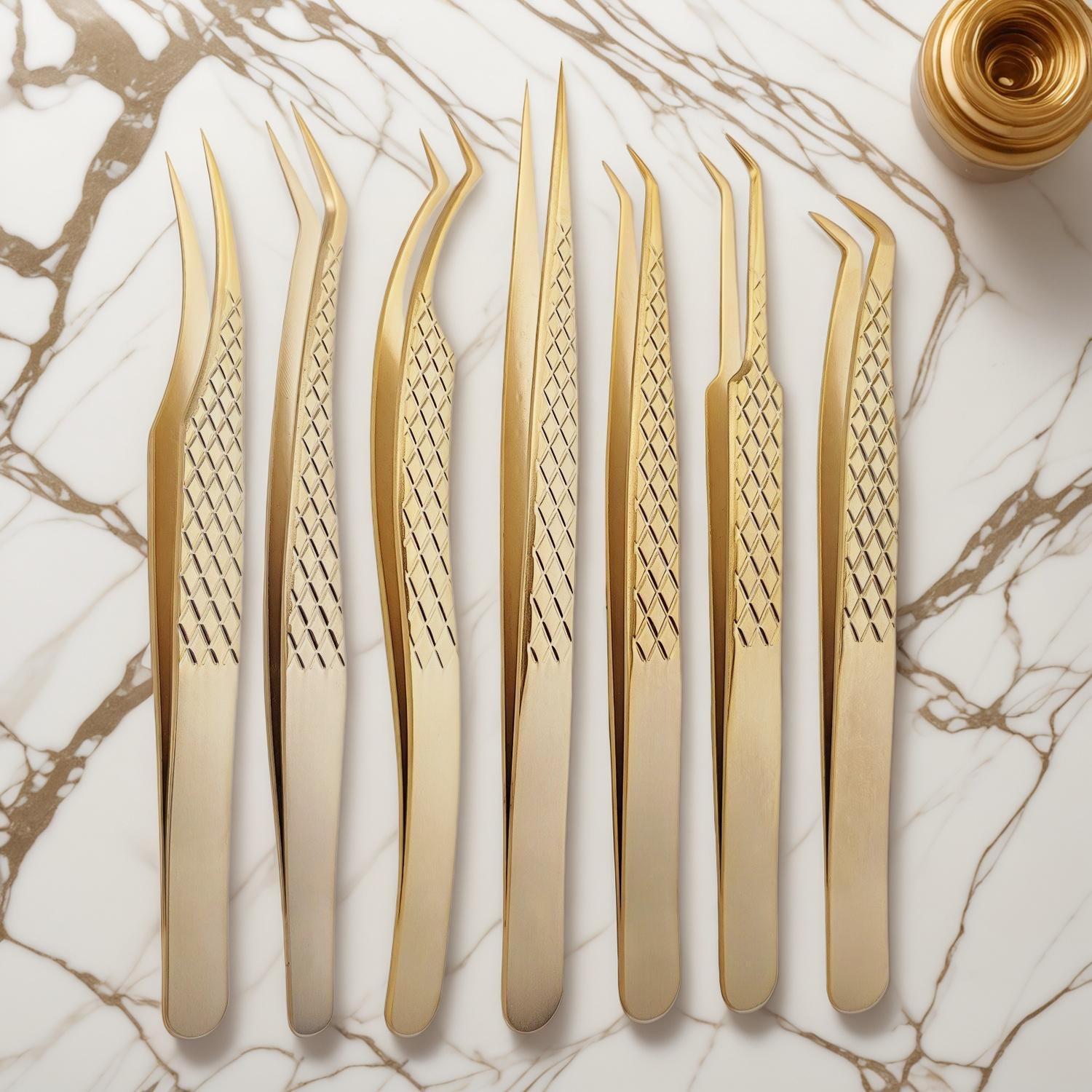
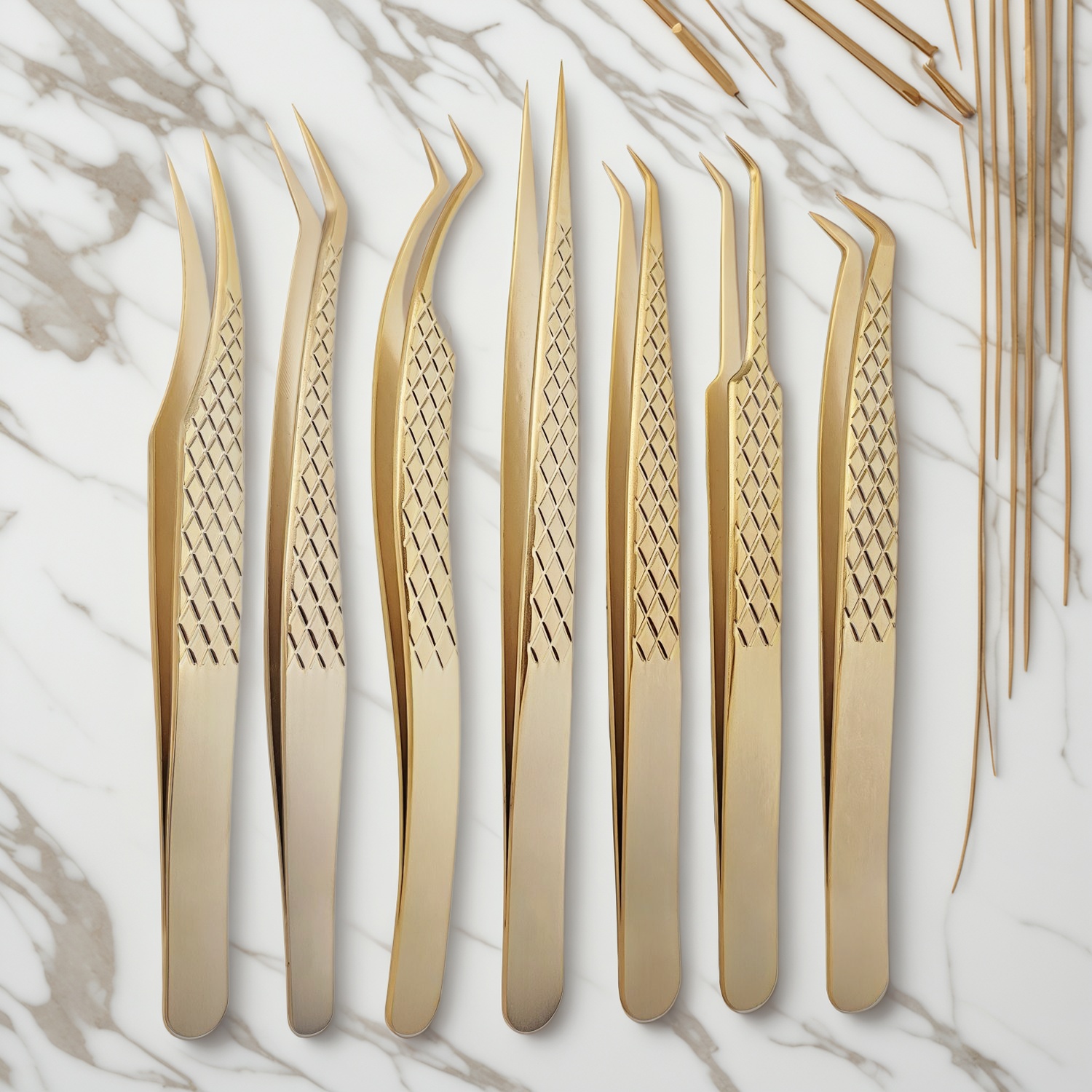
Olimor Beauty focuses on custom tweezers for professional beauty use, including OEM custom tweezers designed for lash extension applications. The supplied product information highlights stainless steel construction, gold plating, corrosion-resistant finish, ultra-fine tips, diamond-textured non-slip handles, curved designs and inspection from raw materials through packaging. This guide explains how to evaluate those features in a practical way before developing or sourcing a custom tweezer line.
If you are comparing beauty tool categories for a private-label program, you can also browse Olimor beauty tool products or review related product collections to understand how tweezers fit into a broader lash and beauty accessory range.
Why Custom Tweezers Matter in Lash Extension Work
Lash extension work depends on controlled pressure and exact tip contact. A tweezer that looks attractive but does not close evenly can cause missed pickups, bent fans or unnecessary hand fatigue. A tweezer that is too slippery can slow down appointments, especially during longer sets. Custom tweezers allow brands and professionals to align the tool with specific use cases rather than settling for a one-size-fits-all option.
For lash artists, custom decisions often relate to handling: whether the tweezer feels balanced, whether the tip gives enough visibility, and whether the handle provides stable grip without excessive pressure. For beauty brands, custom decisions also include finish, packaging consistency and how the tool’s appearance fits with the rest of the product range.
The goal is not simply to make tweezers look premium. A well-planned custom tweezer should support clean isolation, accurate placement and comfortable use throughout repeated salon work. Aesthetic details such as gold plating can strengthen presentation, but they should be evaluated alongside functional details such as tip alignment, grip texture and quality inspection.
Key Features to Evaluate Before Choosing a Tweezer Design
When reviewing OEM custom tweezers, start with the working end of the tool, then move back toward the handle and finish. The most beautiful tweezer will not satisfy professionals if the tip does not perform reliably. The following criteria help buyers compare samples and avoid choosing only by appearance.
- Tip precision: Ultra-fine tips are useful for lash isolation and placement because they allow the artist to work close to individual lashes. Check whether both sides meet evenly and whether the tip gives clean contact without visible gaps.
- Tip shape: Curved designs can help reach challenging angles around the lash line. The right curve depends on the artist’s preferred technique and whether the tweezer is mainly used for isolation, classic pickup or volume work.
- Grip texture: Diamond-textured, non-slip handles can help reduce slipping during extended sessions. The texture should provide control without feeling sharp or uncomfortable.
- Material and finish: The original product information specifies high-grade stainless steel and gold plating. Stainless steel is widely used for beauty tools, while a corrosion-resistant plated finish can help protect the surface and create a polished professional look.
- Hand comfort: A tweezer should close with manageable pressure. Too much resistance may fatigue the hand; too little control can make the tool feel unstable.
- Consistency across units: For OEM orders, one good sample is not enough. Brands need repeatable quality from raw material inspection through final packaging checks.
OEM Custom Tweezers: Decisions for Beauty Brands
OEM custom tweezers are especially relevant for lash brands, salon suppliers and beauty retailers that want tools aligned with their own visual identity and customer expectations. A strong OEM brief should define both the intended user and the intended task. For example, a tweezer promoted for detailed lash isolation should be judged differently from one selected mainly for general beauty grooming.
Before finalizing a design, prepare a simple use-case profile. Who will use the tweezers: beginner lash artists, experienced technicians, salon trainers or retail customers? How long will they typically hold the tool during one appointment? Is the main priority fine separation, controlled pickup, reaching inner corners or building a polished retail set? These answers influence the importance of tip shape, handle texture and finish.
Brand appearance is also part of OEM sourcing, but it should follow functional validation. Gold-plated custom tweezers can look refined in a professional kit and may support a premium product presentation. However, the finish should be reviewed for even coverage, clean edges and suitability for routine handling. Packaging should protect the tips and keep the product presentable during transport and storage.
For custom projects, it is useful to compare more than one sample configuration. A brand may test a curved tweezer against a straighter alternative, or compare different grip textures to understand what users prefer. If you are preparing a sourcing brief, you can send an inquiry with your intended application, preferred finish and any sample evaluation requirements.
How to Test Tweezer Samples Like a Professional Buyer
Sample testing should be structured. Without a consistent checklist, it is easy to be influenced by the first impression of the finish or packaging. A practical test can be done by a buyer, product developer or lash trainer, then repeated by working technicians to gather real-use feedback.
- Inspect the surface first. Look for visible scratches, uneven plating, rough edges or marks around the handle and tip area.
- Check tip closure under good light. Close the tweezer slowly and confirm that the tips meet evenly. Uneven contact can affect lash control.
- Test pickup consistency. Use the tweezer on appropriate lash practice materials and record whether pickup is clean and repeatable.
- Assess the grip. Hold the tool for several minutes as if working through a lash section. Diamond-textured handles should improve stability without irritating the fingers.
- Review access and angle. Curved designs should make difficult angles easier, not block visibility or force an awkward wrist position.
- Compare multiple units. If several samples are available, test them in the same sequence to evaluate consistency.
- Evaluate packaging protection. Fine tips need protection so they do not arrive bent or damaged.
This process does not require exaggerated laboratory claims. It simply helps buyers identify whether the tool behaves consistently in the conditions that matter most to lash professionals.
Quality Control Points From Raw Materials to Packaging
The supplied product information notes a quality assurance process that includes inspections from raw materials to packaging. For custom tweezers, this type of staged inspection is important because defects can appear at different points in production. Material quality, forming, tip finishing, plating and final packing all affect the user experience.
A useful buyer checklist can include the following stages:
| Stage | What to Review | Why It Matters |
|---|---|---|
| Raw material | Base material consistency and suitability for beauty tool use | Supports durability and predictable finishing |
| Tip forming | Tip shape, symmetry and closure | Controls lash isolation and placement accuracy |
| Handle finishing | Texture, edges and hand feel | Affects grip comfort during long sessions |
| Plating | Even gold finish and clean surface appearance | Supports corrosion resistance and presentation |
| Final inspection | Function, appearance and packaging condition | Reduces customer complaints after delivery |
For brands, the most important point is consistency. A tweezer line may be judged by the worst unit a customer receives, not the best sample shown during development. Clear acceptance criteria for tip closure, surface condition and packaging protection help keep expectations aligned.
Care and Handling Tips for Gold-Plated Custom Tweezers
Good maintenance supports longer service life and protects the finish. Lash professionals should treat custom tweezers as precision tools rather than general accessories. Fine tips can be damaged by drops, pressure in a crowded drawer or contact with hard surfaces.
After use, tweezers should be cleaned according to the salon’s hygiene procedures and handled in a way that protects the plated surface. Avoid scraping the tips against hard containers, and store each tool with tip protection when possible. If a tweezer is used in a busy salon environment, assign tools by function so that a fine isolation tweezer is not used for tasks that may stress or dull the tips.
For retail brands, care instructions are valuable because they reduce misuse and improve customer satisfaction. Simple guidance on cleaning, drying, storage and tip protection can be included in packaging or product pages without making unsupported claims about lifespan.
Choosing a Tweezers Supplier for a Custom Program
A reliable tweezers supplier should be able to discuss function, finish and inspection in practical terms. For OEM custom tweezers, look for a partner that understands why lash artists care about tip precision, grip comfort and stable handling. The supplier should also be able to support decisions about curved designs, ultra-fine tips, non-slip handles and plated finishes without pushing features that do not match the intended use.
When comparing suppliers, prepare a concise brief that includes the target customer, primary application, desired finish, expected packaging style and sample testing method. This keeps conversations focused on measurable details rather than general claims. If your brand is building a lash tool assortment or reviewing supplier options, you can contact Olimor to discuss suitable custom tweezer directions.
Custom tweezers succeed when design, handling and inspection work together. For lash professionals, that means a tool that feels controlled and precise throughout detailed work. For beauty brands, it means a product that looks refined, performs consistently and can be evaluated with clear quality standards before it reaches customers.
Tag: