

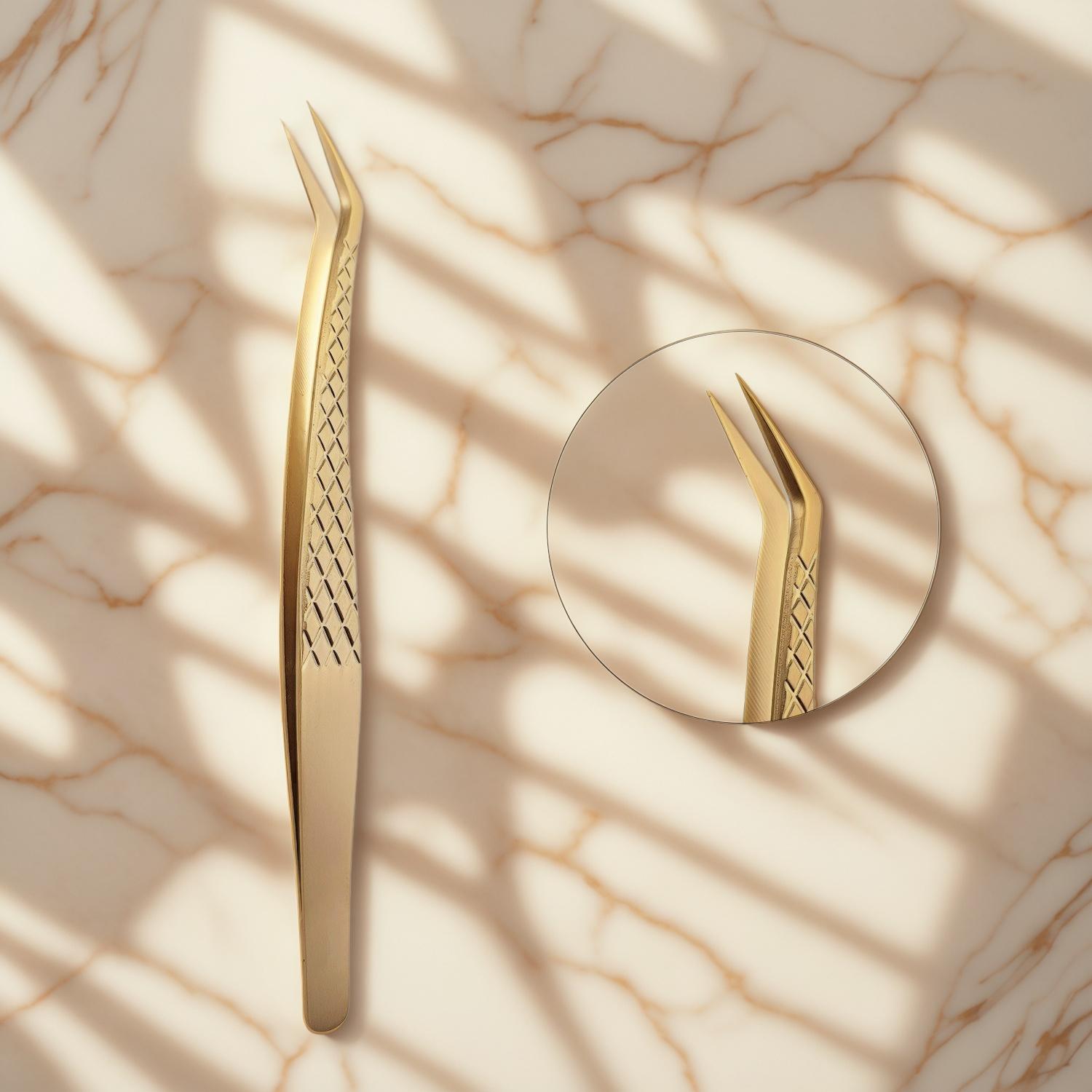
Custom Tweezers for Lash Artists and Beauty Brands
Custom tweezers are small tools, but they influence speed, comfort, control, and the way a beauty brand is perceived. For lash artists, brow professionals, salons, private label brands, and distributors, the right tweezer design is not only about appearance. It is about how the tips meet, how the grip feels after repeated use, how the tool performs during isolation or volume fan work, and whether the final presentation matches the customer’s expectations.
Olimor Beauty works with stainless steel beauty tools and OEM custom tweezer concepts for professional and retail use. If you are planning to design your own tweezers, the most effective starting point is to define the real working environment: lash extension treatment room, brow service station, retail beauty kit, training academy, or promotional brand set. Each use case leads to different decisions about tip shape, tension, finish, grip, and packaging.
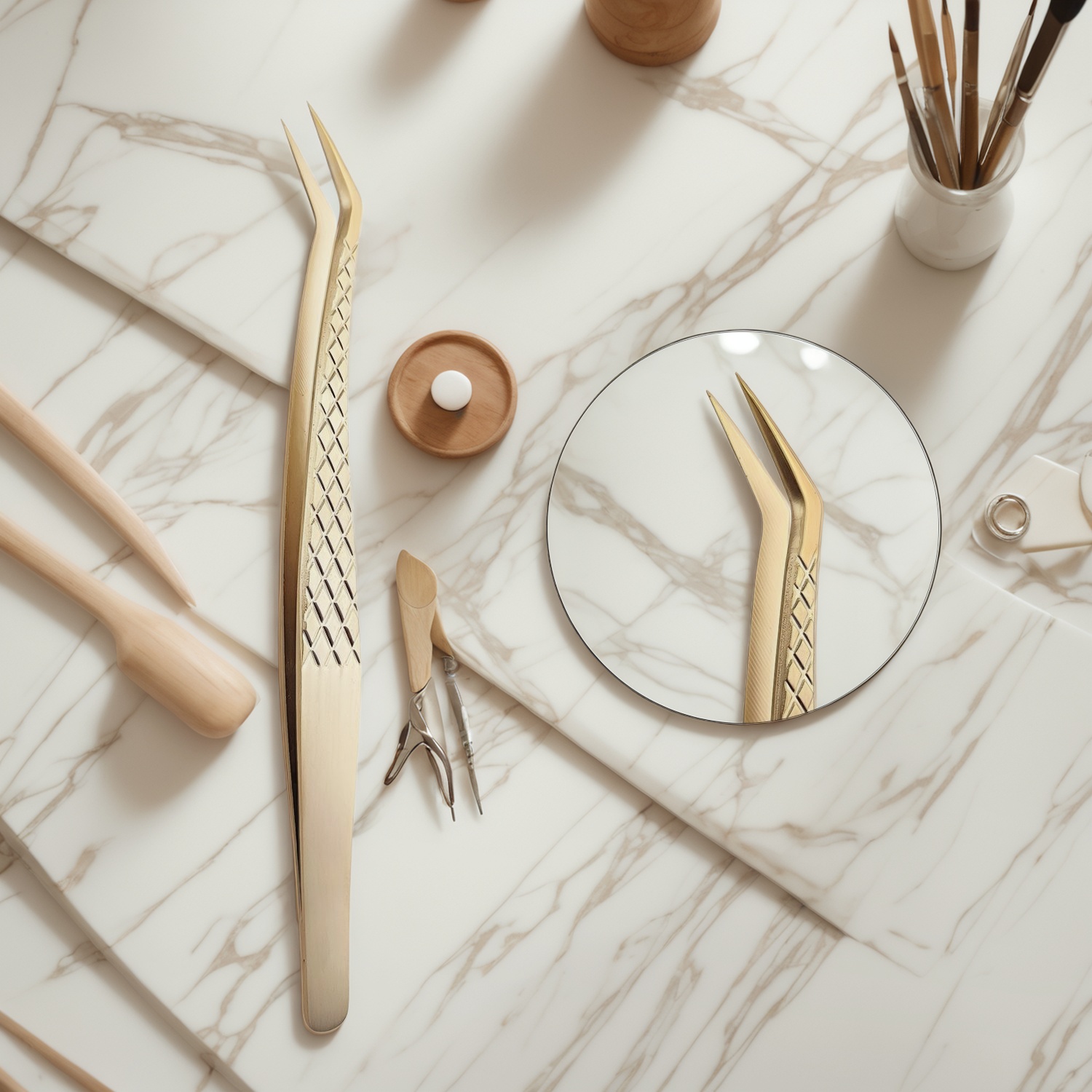
What Makes a Custom Tweezer Different from a Standard Tool?
A standard tweezer is chosen from an existing specification. A custom tweezer is planned around a target user, a brand identity, and a performance goal. The change may be simple, such as adding brand markings or selecting a finish. It may also involve a more detailed review of the working angle, handle surface, tip alignment, and packaging format.
For professional lash use, small design choices matter. Curved tips can help with isolating fine lashes or approaching the lash line from a comfortable angle. Sharp, fine points support precision work in detailed applications. A diamond-patterned grip, as seen in the LuxLash Gold-Tipped Volume Lash Tweezers described by Olimor Beauty, can help reduce slippage during volume techniques. A sophisticated gold finish can also support a more premium visual style when the product is displayed in a salon or sold as part of a branded set.
For beauty brands, custom tweezers also carry commercial value. A tool that looks consistent with your packaging, has a comfortable hand feel, and performs reliably is more likely to be kept, recommended, and reordered. Instead of treating tweezers as a low-priority accessory, many buyers use them as a practical brand touchpoint.
Key Decisions Before You Design Your Own Tweezers
Before discussing colors or logo placement, clarify the job the tool must do. A tweezer for volume lash fans is not the same purchase as a tweezer for brow shaping, general grooming, or inclusion in a travel beauty kit. A clear brief reduces the risk of creating an attractive tool that does not suit the actual user.
- Primary task: Define whether the tweezer is for lash isolation, volume lash work, brow grooming, fine hair removal, general beauty use, or retail gift sets.
- User level: Consider whether the product is for trained professionals, students, salon clients, or everyday consumers.
- Tip shape: Curved, fine, angled, or straight tips should be selected according to the technique and access required.
- Grip surface: A textured or diamond-patterned grip can support steadier handling, especially when hands are gloved or sessions are long.
- Hand comfort: Lightweight handling and ergonomic design are important when the tool is used repeatedly throughout the day.
- Visual finish: Gold, polished, matte, or other finish directions should match the brand position and the intended sales channel.
- Packaging: Decide whether the tweezer will be shipped as a professional refill item, a retail product, a salon kit component, or a private label gift set.
If you are still comparing product directions, reviewing Olimor’s broader beauty tool products can help you think beyond a single item and plan a more coherent range.
OEM Custom Tweezers for Lash Extension Work
Lash extension professionals often have the most specific requirements because the tool is used continuously and close to the eye area. For this audience, appearance is secondary to control. The tweezer must close predictably, hold fine materials securely, and allow the artist to work without unnecessary strain.
In the supplied product description, the LuxLash Gold-Tipped Volume Lash Tweezers are noted for a gold finish, curved tips for isolating fine lashes, and a diamond-patterned grip intended to help prevent slippage. Those are useful design cues when planning an OEM custom tweezer for lash studios or lash product brands. Curved tips may support isolation and controlled placement, while grip texture can be valuable for artists performing long services or advanced volume techniques.
When evaluating a lash tweezer design, focus on how it behaves in real use. Does the tip meet evenly? Is the closing tension comfortable for repeated pinching? Does the grip area sit naturally under the fingers? Can the user see around the tool when working near the lash line? These questions are more useful than choosing a design based only on a catalog image.
Branding, Finish, and Packaging Choices
Custom tweezers are often ordered for private label lines, salon retail, beauty academies, or distributor programs. In these cases, the branding plan should be practical and durable. A logo can support recognition, but the tool still needs to be comfortable, balanced, and appropriate for the end customer.
Finish selection should also match the buying context. A refined metallic look may suit premium lash tools or giftable retail products. A simpler finish may be better for training kits, backbar salon tools, or professional bulk purchasing. Packaging should protect the tips and present the product clearly. For sharp or fine pointed tools, tip protection is especially important during storage, shipping, and daily salon handling.
Buyers planning a wider line can explore product collections to think about how tweezers might sit alongside other tools. Consistency across finishes, packaging design, and product naming can make a range easier to merchandise and easier for customers to understand.
A Practical Buyer Checklist for Custom Tweezer Projects
A clear checklist helps both brand owners and purchasing teams compare options fairly. Use the following points when planning your next OEM custom tweezer project:
- Define the end user. A professional lash artist, brow specialist, student, and retail consumer may all prefer different tension, tip shape, and packaging.
- Confirm the main technique. Isolation, volume fan creation, fine hair removal, and general grooming require different handling characteristics.
- Review sample comfort. Test grip, hand position, pressure, and control over a realistic working period, not only for a few seconds.
- Check tip alignment. The tips should meet cleanly for the intended function. Uneven contact can reduce precision.
- Consider anti-corrosive durability. Stainless steel and appropriate finishing choices are important for beauty tools that must be cleaned and handled regularly.
- Plan logo placement carefully. Branding should be visible but should not interfere with grip comfort or professional use.
- Protect the tips in packaging. Fine and sharp tips can be damaged if the packaging does not hold the tool securely.
- Match the product to the sales channel. Salon tools, online retail products, and academy kits may require different presentation and information.
Quality Questions That Matter in Production
For custom tweezers, quality is not only a final inspection step. It begins with the design brief and continues through material selection, forming, finishing, alignment, cleaning, and packaging checks. Olimor Beauty describes a process that includes raw material checks and final inspection, which is important because a tweezer’s function depends on small tolerances and consistent finishing.
When reviewing production readiness, pay attention to repeatability. A single sample can look good, but the goal of OEM production is consistent quality across the batch. Useful checkpoints include whether the tip contact is repeatable, whether the grip texture is consistent, whether the finish is even, and whether the packaging protects the tool during transit. For branded products, also confirm that logo position and orientation are consistent from piece to piece.
Maintenance expectations should be considered before the product reaches the customer. Professional users typically clean tools frequently and store them carefully. Product instructions can remind users to keep tips protected, avoid dropping the tweezer, dry the tool after cleaning, and store it separately from heavier implements that could bend or dull the tips.
When to Choose a Custom Tweezer Program
A custom tweezer program is worth considering when your current tool does not fully match your service technique, brand presentation, or sales strategy. Lash brands may need a signature tool for volume work. Salons may want branded retail accessories. Training academies may need consistent tools for students. Distributors may want a product that stands apart from generic options without sacrificing professional function.
The best results come from balancing three priorities: user performance, brand identity, and manufacturability. A visually attractive tweezer that is uncomfortable will disappoint professionals. A technically capable tweezer with weak packaging may struggle in retail. A complex design that is difficult to reproduce consistently may create avoidable production challenges. A focused brief helps keep the product useful and commercially realistic.
If you are preparing specifications for custom tweezers, gather reference preferences for tip style, grip feel, finish direction, logo needs, and packaging format. To discuss a project direction or submit product requirements, you can contact Olimor or send an inquiry with your target use case and branding goals.
Custom tweezers may be compact, but they carry a large share of the user experience. For lash artists and beauty brands, a well-planned design can improve handling, support a professional image, and create a tool customers reach for repeatedly.
Tag: