

Custom Nail Clipper for Business: A Practical B2B Buying Guide
A custom nail clipper for business is a small grooming product with a surprisingly broad range of commercial uses. It can be sold as a compact retail item, added to a travel grooming kit, supplied to salons, used in corporate gifting, or developed for a distributor’s private label line. Because the product is familiar and used frequently, the quality of the cutting edge, the feel in the hand, the finish, and the logo placement all affect how customers judge the brand behind it.
For B2B buyers, the decision is not simply custom versus standard. A useful sourcing strategy considers the target user, packaging format, order size, branding method, inspection requirements, and long-term replenishment plan. Olimor Beauty supports business buyers comparing nail care tools for retail, wholesale, and promotional use, and this guide explains how to evaluate custom nail clippers before committing to a production direction.
Why Businesses Choose Custom Nail Clippers Instead of Generic Stock
Generic nail clippers are easy to source, but they often limit what a business can control. The product may arrive with standard packaging, no brand mark, a fixed finish, and little room to adapt the presentation for a specific market. That can work for low-commitment purchasing, but it is less useful when a company wants repeat sales, stronger shelf recognition, or a consistent private label grooming range.
Custom nail clippers allow a company to align the item with its own commercial goal. A retailer may want a compact daily-use clipper that fits an impulse-buy display. A distributor may want simple branding and efficient cartons for wholesale supply. A salon group may prefer a clean, professional appearance that matches its hygiene and service positioning. A corporate gift buyer may need a logo area that remains visible after months of use.
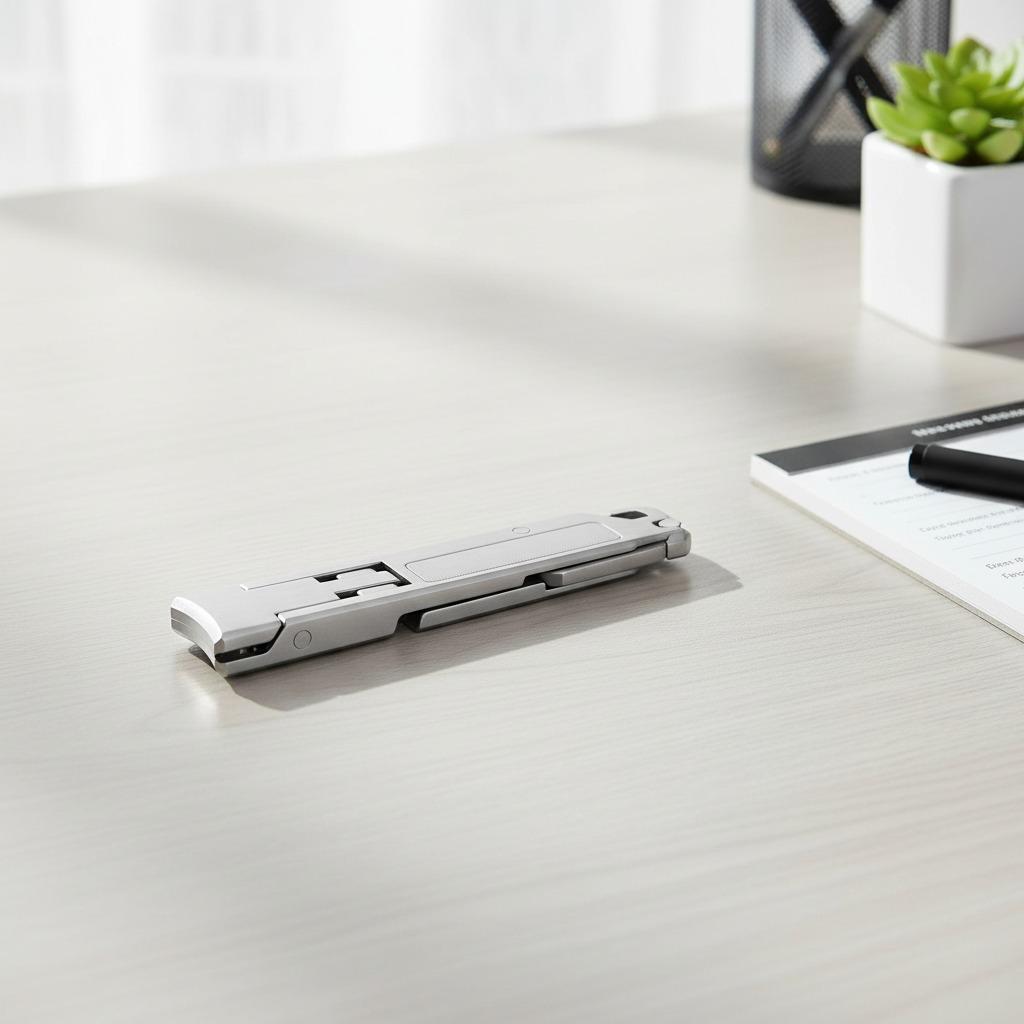
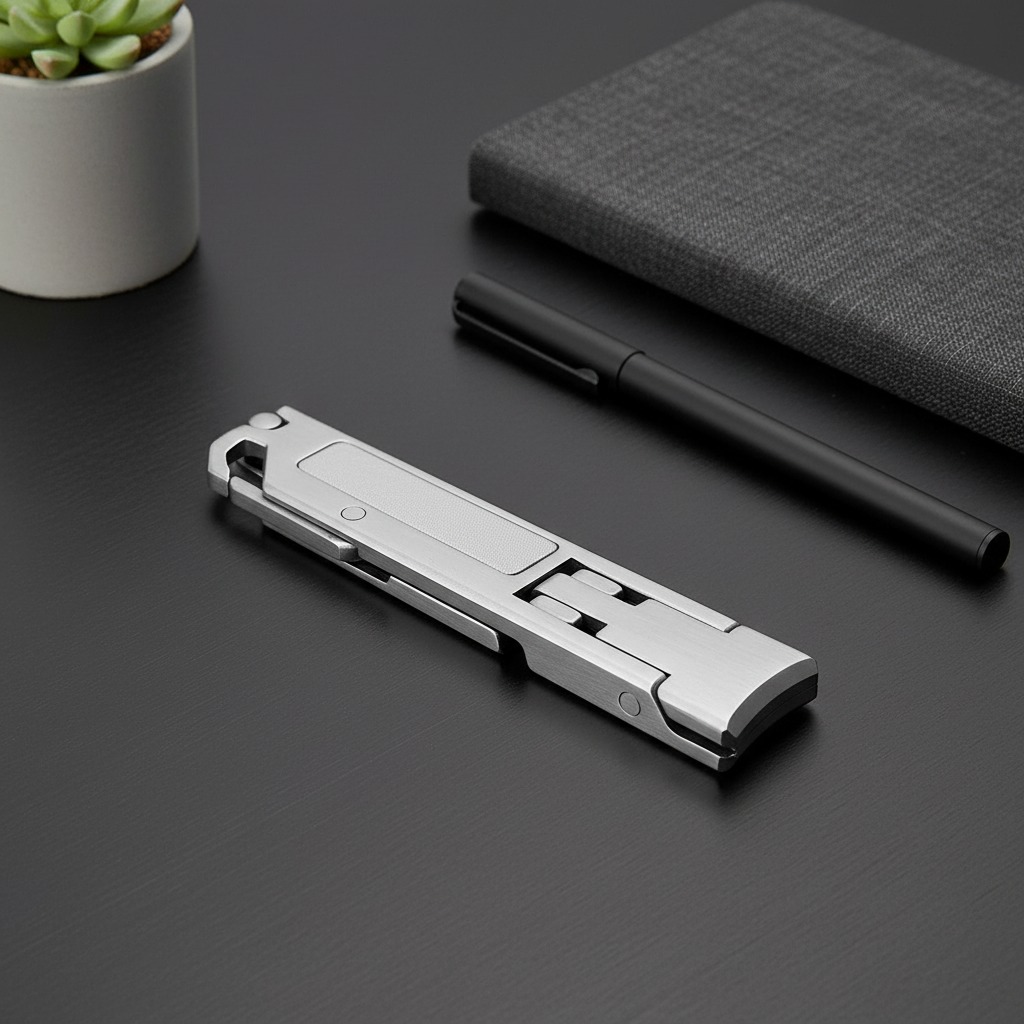
The original product details describe stainless steel construction, ergonomic design, and the option to imprint logos or messages. Those three points matter because they connect function with brand visibility. Stainless steel is commonly valued in grooming tools for its hard-wearing feel and clean appearance. Ergonomic shaping helps the clipper feel controlled during use. Logo or message placement turns a basic utility product into a branded touchpoint.
Key Differences Between B2B Nail Clippers and Retail Purchases
Buying a nail clipper from a retail shelf is different from sourcing a B2B nail clipper program. Retail purchases are usually designed for individual convenience: one unit, finished packaging, fixed design, and immediate availability. B2B sourcing focuses on repeatability, unit economics, customization, shipment planning, and quality consistency across many pieces.
The supplied product information notes a compact clipper of 62mm length and 22g weight. For B2B planning, details like these are useful because they influence shipping, display density, gift set assembly, and end-user expectations. A compact 62mm clipper is easier to include in travel sets, toiletry kits, checkout displays, and lightweight promotional packs. A 22g unit can also help buyers estimate packed weight when planning bulk shipments, though final shipping calculations depend on packaging and carton configuration.
| Buying factor | Generic retail clipper | Custom B2B clipper |
|---|---|---|
| Branding | Usually fixed or unbranded | Logo or message can be planned |
| Packaging | Made for single-unit shelf sale | Can be considered for retail, wholesale, or kits |
| Cost planning | Per-unit retail price | Bulk pricing discussions and landed cost planning |
| Product consistency | Depends on available stock | Can be checked against agreed samples |
| Commercial use | Personal purchase | Distribution, private label, salon supply, gifting |
Customization Choices That Affect Brand Perception
Customization should be planned with the same care as the product itself. A nail clipper has limited surface area, so the logo, message, finish, and packaging need to work together without making the item look crowded. The most effective designs are often simple: a clear brand mark, a finish that fits the audience, and packaging that explains the value quickly.
When preparing a custom nail clipper project, buyers can review the following elements before confirming artwork or sampling:
- Logo size and placement: The mark should be legible on the clipper body without interfering with handling.
- Message length: Short names, icons, or brief slogans usually work better than long promotional text.
- Finish expectations: The surface should match the market position, whether the product is for a basic retail range or a more polished grooming kit.
- Packaging purpose: Retail packaging needs shelf clarity, while distributor packaging may prioritize efficient storage and barcode or label organization.
- User profile: A travel customer, salon client, corporate gift recipient, and discount retail shopper may all prefer different presentation choices.
Customization is most successful when it supports the buyer’s channel. For example, a distributor selling to multiple retailers may want broad appeal and neutral packaging space. A retailer developing its own branded grooming section may want a stronger visual identity. A promotional buyer may care most about logo clarity and gift-ready presentation.
Quality Checks to Prioritize Before Bulk Ordering
A nail clipper is judged by use, not by appearance alone. If the cutting action feels rough, the lever is uncomfortable, or the edge does not trim cleanly, the product can damage the customer’s trust in the brand. The original information states that Olimor Beauty uses quality checks from raw materials to packaging. For business buyers, that kind of staged review is important because defects can occur at several points: material preparation, forming, polishing, assembly, logo application, and final packing.
Before moving into a bulk nail clipper order, buyers should create a practical inspection checklist. It does not need to be complicated, but it should reflect how customers will actually use the product.
- Check cutting performance: The blades should meet evenly and trim smoothly without excessive pressure.
- Review lever movement: The lever should open, close, and press without feeling loose or unstable.
- Inspect edges and corners: The product should not have sharp burrs in areas touched by the fingers.
- Confirm logo appearance: Branding should be centered, readable, and consistent across samples.
- Assess surface finish: Look for scratches, stains, uneven polishing, or visible marks that would affect retail presentation.
- Test packaging fit: The clipper should sit securely in its packaging and arrive without movement-related damage.
These checks help buyers compare suppliers and reduce the risk of receiving products that look acceptable in photos but fail in daily use. They also create a clear reference for reorders, which is essential when the product becomes part of a continuing retail or wholesale line.
How Distributors and Retailers Can Build a Better Bulk Strategy
Bulk nail clipper price is only one part of a B2B decision. A low unit price may not be valuable if packaging increases freight cost, if the product does not match the end market, or if the buyer later needs to replace inconsistent stock. Distributors and retailers should compare the total commercial picture: product function, branding value, packaging volume, reorder plan, and market positioning.
For distributors, the goal is often flexibility. A compact nail clipper can be sold into pharmacies, convenience stores, beauty supply shops, travel retailers, and promotional channels. In that case, a clean design and dependable quality may be more important than complex decoration. Distributors should also consider how the product will be presented to downstream buyers, including sample boards, specification sheets, and packaging photos.
For retailers, the goal is usually customer conversion and repeat trust. A nail clipper may be a low-cost grooming item, but it still represents the store’s buying standards. If the clipper is sold under a private label or store brand, poor performance can affect perception of other products in the same range. Retailers should review whether the product belongs near manicure tools, travel accessories, personal care basics, or checkout impulse displays, because each placement changes packaging and pricing expectations.
Buyers comparing related beauty and grooming categories can browse Olimor beauty tool products or review broader product collections to plan how nail clippers might fit with other personal care items.
Sourcing Questions to Settle Before Production
A smooth custom project depends on clear decisions before production begins. Many delays happen because artwork, packaging, inspection criteria, or shipping assumptions are not finalized early enough. Instead of focusing only on price, buyers should prepare a sourcing brief that gives the manufacturer enough direction to recommend a practical path.
Useful questions include: What market will the nail clipper serve? Is it for retail sale, salon use, wholesale distribution, or promotion? Does the logo need to appear on the clipper, the package, or both? Is the compact 62mm format suitable for the buyer’s display or kit size? Should the 22g product weight be considered in freight planning? What level of packaging protection is required for the sales channel? How will samples be approved, and what inspection points will be used for the bulk order?
It is also wise to consider replenishment. If the item sells well, the buyer may need repeat orders that match the first approved version. Keeping confirmed artwork files, packaging references, sample notes, and inspection criteria helps maintain consistency across future shipments.
When a Custom Nail Clipper Is the Right Business Choice
A custom nail clipper is a strong fit when the buyer needs more than a commodity grooming item. It is especially relevant for businesses that want brand visibility, private label control, compact gift products, or a dependable small tool for distribution. The product is familiar, easy to understand, and useful across many customer groups, which makes it suitable for both retail and promotional programs.
The best results come from balancing branding with function. A clear logo cannot compensate for poor cutting performance, and a well-made clipper loses commercial value if the packaging does not suit the channel. By reviewing construction, ergonomics, logo options, inspection points, and bulk planning together, buyers can make custom nail clippers a practical part of a broader grooming tools strategy.
To discuss a custom nail clipper project or compare options for distribution, retail, or promotional use, contact Olimor or send an inquiry with your target market, branding needs, and packaging direction.
Tag: