

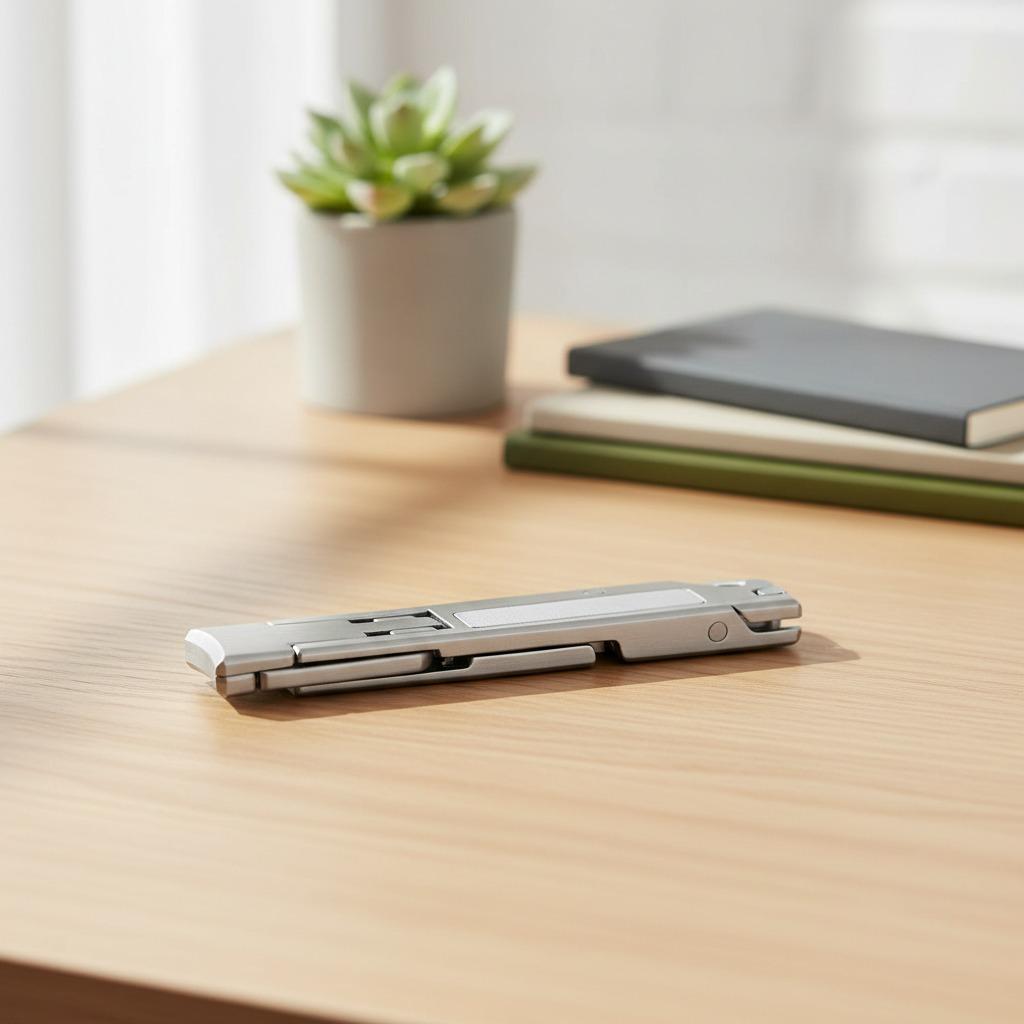
Custom Nail Clippers for Business: How to Choose the Right B2B Option
A nail clipper may look simple, but for a business buyer it carries more weight than its size suggests. It can be a retail product, a salon counter item, a travel grooming accessory, a promotional gift, or part of a larger personal care kit. The right custom nail clipper for business use should be easy to handle, sharp enough for clean trimming, durable through repeated use, and appropriate for your brand position.
For distributors and retailers, the decision is not only about buying a low-cost clipper in bulk. It is about selecting a tool that customers will keep, use regularly, and associate with a dependable brand. Customization can help, but only when the base product, packaging plan, and supply process are suitable for the intended market.

Custom Nail Clippers Versus Standard Retail Options
Standard retail nail clippers are designed to appeal to broad consumer demand. They may be convenient for fast replenishment, but they often look similar across different shelves and online listings. For a business trying to build recognition, that sameness can be a disadvantage. A custom nail clipper allows the buyer to align the item with a brand identity through details such as logo placement, surface finish, shape preference, packaging direction, and set configuration.
Customization is especially valuable when the product is used as a repeat-contact item. A customer may use a nail clipper for months or years, so a well-placed logo or consistent packaging design can create long-term brand visibility. This makes custom clippers relevant for beauty retailers, hotels, spas, pharmacies, grooming brands, travel accessory sellers, and corporate gifting programs.
However, customization should not be treated as decoration alone. A branded clipper that feels weak, dull, uncomfortable, or poorly finished can damage customer trust. Before focusing on artwork or packaging, buyers should review the functional basics: cutting alignment, lever movement, edge finish, grip comfort, and resistance to visible defects. Olimor Beauty works with beauty tool categories where these practical details matter. You can explore related beauty tool products to compare how different tools support different business needs.
What Business Buyers Should Evaluate Before Ordering
A strong B2B nail clipper sourcing plan begins with the target customer. A salon professional, a supermarket shopper, a hotel guest, and a gift recipient may all value different features. If the clipper will be sold as a premium grooming accessory, the finish and tactile feel become important. If it will be included in a travel kit, compact size and portability may matter more. If it will be distributed through retail, packaging must support shelf display, barcode placement, and clear product information.
Use the checklist below to compare options before moving into artwork approval or bulk production planning:
- Intended channel: retail shelf, e-commerce, salon resale, distributor catalog, hotel amenity, or promotional gift.
- User profile: daily home user, beauty professional, traveler, men’s grooming customer, or general personal care buyer.
- Material direction: confirm whether stainless steel is suitable for the use case and brand level you want to present.
- Functional feel: check cutting smoothness, edge alignment, lever pressure, and whether the tool feels stable in the hand.
- Customization scope: logo method, surface treatment, color direction, packaging artwork, and any set-building requirements.
- Packaging purpose: protection during transport, retail display, gift presentation, or compact packing for bulk distribution.
- Inspection expectations: define appearance, function, cleanliness, and packing checks before shipment.
This type of review helps buyers avoid a common mistake: choosing by bulk nail clipper price alone. Price is important, but it should be compared with product consistency, packaging fit, and how well the item supports the intended sales channel.
Branding and Customization Choices That Actually Matter
For many companies, the most obvious customization choice is adding a logo. That is useful, but it is only one part of a branded nail clipper program. A good custom plan considers how the customer first sees the product, how it feels when removed from the packaging, and how the brand remains visible during use.
Logo placement should be readable without interfering with the tool’s function. A clean, simple logo often works better than a complex design on a small surface. Packaging can carry the richer brand story, including product description, care guidance, and visual identity. If the clipper is sold as part of a grooming set, the packaging should make the set feel coordinated rather than assembled from unrelated parts.
Olimor Beauty’s original product discussion highlights stainless steel construction, ergonomic design, and compact multi-tool possibilities, including a 62mm stainless steel model with a built-in carabiner. For business buyers, those details show how a nail clipper can move beyond a basic bathroom item. A carabiner feature, for example, may suit travel, outdoor, fitness, or on-the-go grooming markets. The decision should still be based on your audience: not every retail buyer needs a carabiner, but for the right channel it can create a practical difference.
B2B Nail Clipper Supply Versus Simple Bulk Purchasing
Buying a bulk pack of nail clippers can be enough for a small, short-term need. A local event, temporary counter display, or internal company use may not require deeper customization. But for brands, distributors, and retailers that plan to reorder, a B2B nail clipper supply relationship is usually more appropriate.
The key difference is planning. B2B sourcing considers repeatability: whether the same product appearance, packaging format, and quality level can be maintained across orders. It also allows the buyer to discuss inspection points before production and packing. The original Olimor Beauty content notes quality checks from raw materials to final packaging. For business buyers, the lesson is to define what quality means for the order: clean edges, smooth operation, accurate logo placement, consistent packing counts, and acceptable appearance standards.
Bulk price comparisons can be misleading when they ignore these factors. A lower unit cost may become expensive if the packaging is unsuitable for retail, if the finish does not match the brand image, or if returns increase because customers are unhappy with performance. A higher-value option can be more efficient when it reduces repacking, improves customer satisfaction, or supports distributor confidence.
Distributor and Retailer Needs Are Not the Same
A nail clipper for distributors must often fit a wider range of downstream customers. Distributors may supply salons, stores, promotional companies, and regional resellers. They need products that are consistent, easy to explain, and practical to store and ship. Flexible packaging or clear product categorization can help distributors present the item to different buyers without confusion.
Retailers, by contrast, focus heavily on end-customer presentation. They need packaging that communicates value quickly, protects the item, and works in the intended display environment. For e-commerce retailers, product photography, dimensions, and packaging durability during parcel shipping also matter. A visually attractive clipper with weak functional performance is risky, but a well-made clipper in unclear packaging may also underperform online or on shelf.
Businesses comparing options can review broader product collections to think about how nail clippers might sit beside tweezers, scissors, manicure tools, or other grooming accessories. Seeing the product as part of a category strategy often leads to better decisions than treating it as a single isolated item.
Packaging, Inspection and Maintenance Guidance
Packaging should be chosen according to the route to the customer. A distributor shipping cartons to business accounts may value compact, protective packaging. A retailer may need hanging cards, boxes, or other formats that help the shopper understand the product quickly. A gift program may place more emphasis on presentation and brand consistency.
Maintenance guidance is also worth including, especially for retail or branded programs. Simple care instructions can reduce misuse and improve customer satisfaction. For example, users should keep the clipper dry after cleaning, wipe away nail residue, avoid dropping it on hard surfaces, and store it away from moisture when possible. If the product includes additional features such as a carabiner, the packaging or insert should make that function clear.
Inspection planning is most effective when it is specific. Rather than using vague expectations such as “good quality,” define the visible and functional points that matter for your channel. Check whether the lever opens and closes smoothly, whether the cutting edges meet properly, whether logos are positioned consistently, and whether the packaging is clean and correctly assembled. These practical checks are especially important when the nail clipper carries your brand name.
How to Prepare a Product Inquiry
A clear inquiry saves time and helps both sides confirm whether a custom nail clipper program is suitable. Before requesting a quotation or sample discussion, prepare the basics: target market, estimated order direction, preferred material or finish, logo requirements, packaging concept, and any compliance or documentation needs for your market. If you are unsure about the final design, describe the sales channel and customer profile first; that information often guides the right product direction.
For a retailer, useful inquiry details may include shelf display needs, packaging dimensions, and whether the clipper will be sold alone or in a set. For a distributor, it may be more important to discuss carton packing, product consistency, and repeat-order planning. For a promotional buyer, logo visibility, gift packaging, and delivery schedule may be the main concerns.
If you are comparing custom nail clippers for an upcoming business program, you can send an inquiry with your branding and packaging goals. For questions about product suitability, sourcing steps, or category planning, you may also contact Olimor.
Making the Right Choice for Your Business
A custom nail clipper for business should be selected with both brand value and user experience in mind. The best option is not always the cheapest bulk item or the most decorative design. It is the product that fits your market, performs reliably, presents your brand clearly, and can be supplied in a way that supports your sales channel.
By evaluating function, customization, packaging, inspection, and distribution needs together, business buyers can avoid fragmented sourcing decisions. Whether you are building a retail grooming line, supporting a distributor catalog, or preparing a branded promotional product, a carefully chosen nail clipper can become a practical item that customers use repeatedly and remember for the right reasons.
Tag: