

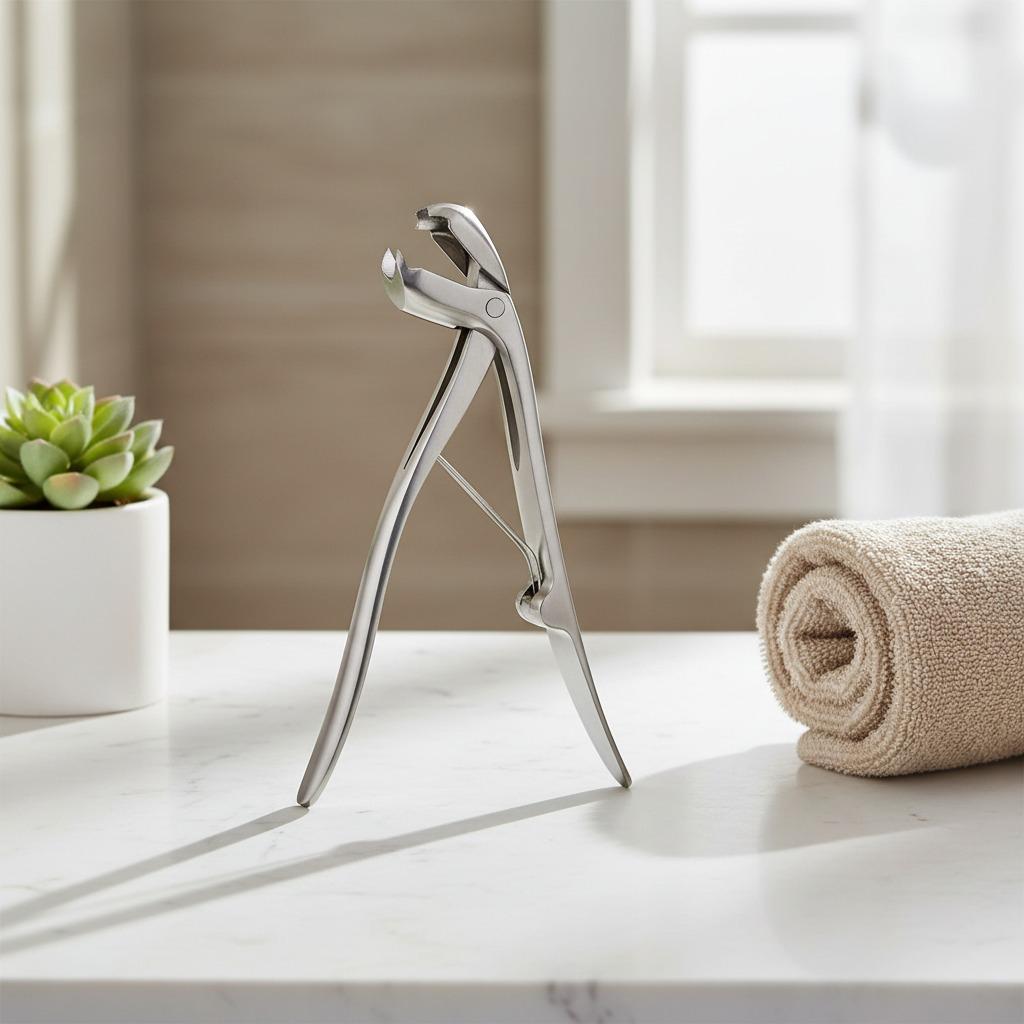
Custom Made Nail Clippers for B2B Beauty Supply Programs
Custom made nail clippers are a small product category with a large impact on customer satisfaction. For salons, spas, distributors, promotional buyers, and beauty tool brands, a nail clipper is not only a basic grooming item. It is a product that customers judge by feel, cutting control, edge alignment, finish, and durability from the first use. A clipper that looks acceptable but cuts poorly can create returns, complaints, or damage to a retail brand’s reputation.
For B2B beauty supply buyers, customization should therefore go beyond adding a logo. The most successful nail clipper programs usually consider the user, the retail channel, the hand feel, the packaging format, and the consistency of inspection before shipment. Olimor Beauty works with beauty-tool buyers looking for practical nail care instruments, including custom made nail clippers for professional and retail use.
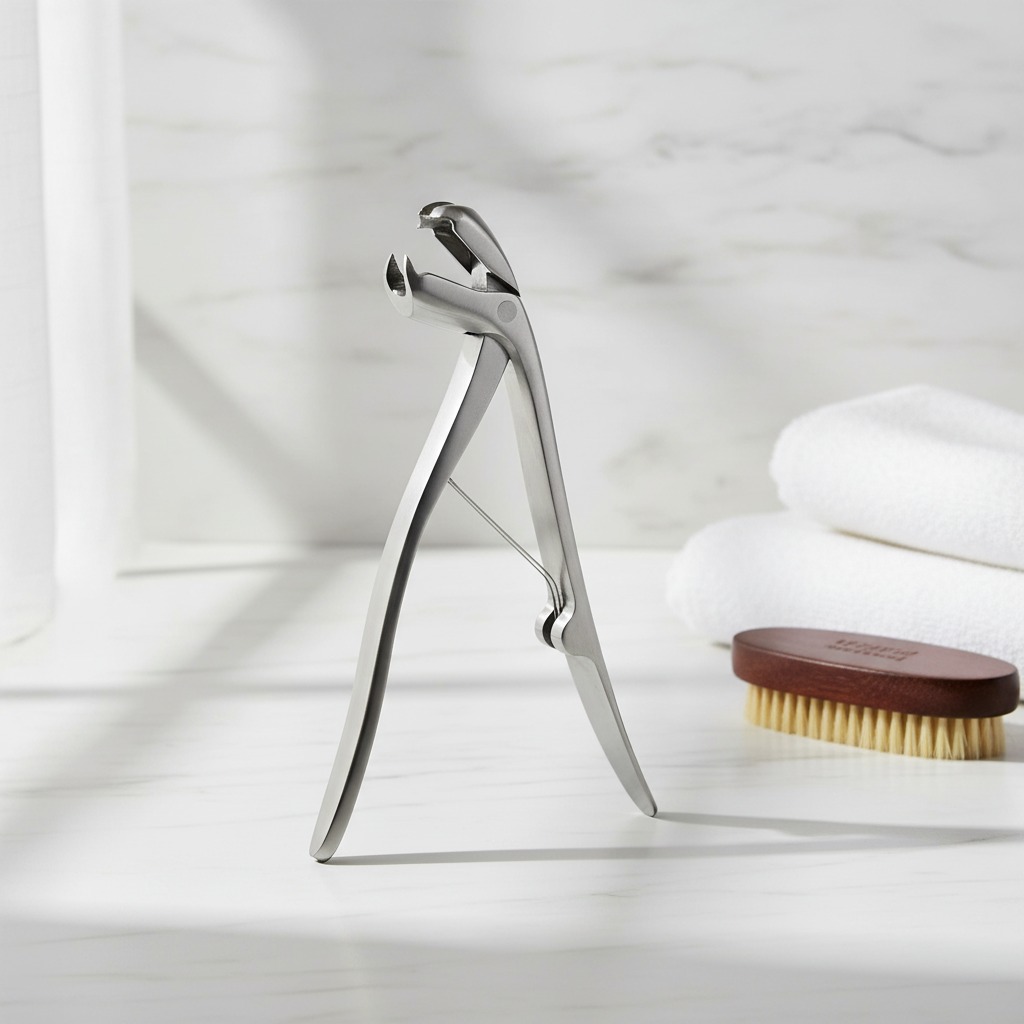
What Makes a Custom Nail Clipper Worth Sourcing?
A nail clipper appears simple, but several details determine whether it performs well in daily use. The cutting edges must meet cleanly. The lever should offer enough pressure without feeling stiff. The surface finish should feel comfortable in the hand. The body should resist deformation under repeated use. For B2B programs, these details must also remain consistent across cartons, not just in a single approved sample.
Custom made nail clippers are especially useful when a buyer needs a product matched to a defined market. A salon supply distributor may prefer a durable, professional-looking clipper with straightforward packaging. A retail beauty brand may need a cleaner visual finish and packaging that fits shelf display. A spa or hotel program may focus on compactness, hygiene perception, and easy inclusion in amenity kits. The same basic tool can be adjusted for different commercial purposes when the sourcing brief is clear.
The original product information notes the use of high-grade stainless steel, ergonomic principles, and internal quality control from raw materials to final packaging. These are important starting points because a custom grooming tool must be manufacturable at scale, not just attractive in a product rendering.
Key Design Decisions for B2B Nail Clipper Buyers
Before requesting a sample or quotation, buyers should define the product role. A clipper designed for everyday retail sale may not be the same as one selected for professional salon use or a promotional gift set. Clear design direction reduces sampling rounds and helps the manufacturer understand which details matter most.
- Intended user: Decide whether the product is for home grooming, salon use, travel kits, spa amenities, or a distributor’s general beauty tool catalog.
- Clipper size and handling: Consider whether the tool needs to feel compact, heavy-duty, or easy to control for different hand sizes.
- Cutting experience: Prioritize clean edge contact, stable lever action, and a shape that supports controlled trimming.
- Surface finish: Choose a finish direction that matches the brand position, while checking that it does not create slippery handling or visible defects.
- Branding method: Logo placement should remain legible without interfering with grip, comfort, or the product’s clean appearance.
- Packaging format: Decide early whether the clipper will be sold individually, included in a set, packed for salon distribution, or used as part of a promotional program.
Buyers comparing options can also review Olimor’s broader beauty tool products to understand how nail care items may fit into a wider grooming tool assortment.
Quality Control Points That Matter in Nail Clippers
Quality control for nail clippers should focus on function as much as appearance. A polished tool with poor alignment will still disappoint the end user. For B2B supply, inspection standards should be written in practical terms so that samples and bulk goods can be evaluated consistently.
Important checkpoints include cutting edge alignment, lever movement, rivet or pivot stability, surface defects, burrs, staining, plating or finishing consistency when applicable, logo clarity, and packaging accuracy. The product should feel safe to handle, with no sharp unintended edges on areas touched by the user. The cutting edge should perform cleanly without excessive squeezing force.
Olimor Beauty emphasizes internal quality control from raw materials to final packaging. For buyers, that kind of staged inspection approach is useful because issues can occur at many points: incoming material, shaping, polishing, assembly, branding, and packing. A buyer’s specification should identify which defects are critical, which are major, and which are minor. This prevents confusion when evaluating pre-production samples or shipment inspections.
Customization Options to Discuss Before Sampling
Customization works best when the buyer provides a complete commercial brief, not just an image or logo file. The manufacturer needs to understand how the product will be sold and used. A nail clipper for a professional manicure counter may require a different balance of appearance and durability than one prepared for a seasonal retail kit.
| Customization area | Why it matters | Buyer checklist |
|---|---|---|
| Shape and size | Affects grip, leverage, and user comfort | Define target user, storage needs, and preferred handling feel |
| Material direction | Influences durability and perceived quality | Confirm stainless steel expectations and surface finish requirements |
| Edge performance | Determines trimming control and satisfaction | Review sample cutting feel and edge alignment carefully |
| Logo and branding | Supports retail recognition or private-label programs | Provide artwork, placement preference, and acceptable logo tolerance |
| Packaging | Impacts shelf presentation, protection, and distribution | Specify barcode needs, language, insert cards, or carton labeling |
This table can be used as an initial planning tool before contacting a sourcing partner. If your project includes several grooming items, browse Olimor product collections to consider whether clippers should be developed as a stand-alone item or as part of a coordinated nail care range.
How Salons, Spas, and Distributors Use Custom Clippers
In salon and spa environments, a nail clipper may be used by trained staff or sold to customers as a take-home grooming item. Professionals care about predictable cutting, easy handling, and tools that feel reliable during repetitive work. For distributors, the priority may include a competitive assortment, stable replenishment, and packaging that works for wholesale display or online resale.
Custom made nail clippers also support private-label beauty programs. A distributor can use a consistent design language across nail scissors, tweezers, files, and clippers. A spa brand can create a compact grooming set that matches its customer experience. A retail buyer can build a value tier and a premium tier by varying finish, packaging, and presentation while maintaining basic performance standards.
The best sourcing decisions start with the end channel. For e-commerce, product photos and packaging protection matter because the customer cannot touch the item before purchase. For brick-and-mortar retail, hang cards, blister packs, or display-ready packaging may influence sell-through. For professional channels, bulk-friendly packaging and clear item identification may be more practical than decorative presentation.
Manufacturing and Sourcing Questions to Prepare
Buyers do not need to know every manufacturing detail before beginning a project, but they should prepare specific questions. Clear communication helps reduce misunderstandings and makes it easier to compare suppliers fairly.
- What sample will represent production? Confirm whether the approved sample reflects the same material, finish, logo method, and packaging planned for bulk production.
- How is cutting performance checked? Define practical acceptance criteria for edge alignment, lever movement, and overall cutting feel.
- What cosmetic defects are acceptable? Set expectations for scratches, polishing marks, stains, logo position, and packaging appearance.
- How will packaging be verified? Confirm artwork, item name, barcode, carton marks, and any required language before mass packing.
- What documents are needed for your market? Prepare labeling, import, retail, or compliance requirements according to the destination market and sales channel.
These questions help create a sourcing brief that is useful for both sides. Buyers who already have drawings, reference samples, or packaging artwork can send an inquiry with those materials for a more focused discussion.
Care and Handling Guidance for End Users
Even a well-made nail clipper performs better when users handle it correctly. B2B buyers should consider adding simple care instructions to packaging or inserts, especially for retail or salon resale. Clear care guidance reduces misuse and helps customers get better performance over time.
Basic instructions can include keeping the clipper clean and dry after use, avoiding cutting materials other than nails, storing the tool away from excessive moisture, and wiping the cutting area regularly. If the product is used in a professional environment, salons and spas should follow their own hygiene and sanitation procedures based on local requirements. The goal is to protect both the tool and the user experience.
Packaging copy should be concise and accurate. Avoid exaggerated claims. Instead, focus on the actual benefit: precise trimming, comfortable handling, and reliable daily grooming when used properly.
Choosing Olimor Beauty for Custom Nail Clipper Projects
Olimor Beauty supplies B2B beauty tools with attention to customization, ergonomic use, and quality inspection throughout production and packaging. For custom made nail clippers, this approach is especially important because small variations in alignment, finish, or assembly can change how the product feels in the customer’s hand.
A strong nail clipper project begins with a practical brief: target user, sales channel, desired finish, logo requirements, packaging plan, inspection expectations, and timeline. With these details in place, buyers can evaluate samples more accurately and build a product that fits their market instead of relying on generic stock assumptions.
If you are developing a private-label nail care item, expanding a salon supply catalog, or preparing a distributor program, Olimor Beauty can help you organize the key sourcing decisions. To discuss a custom nail clipper project or compare options for related grooming tools, contact Olimor with your product goals, reference details, and packaging needs.
Tag: