

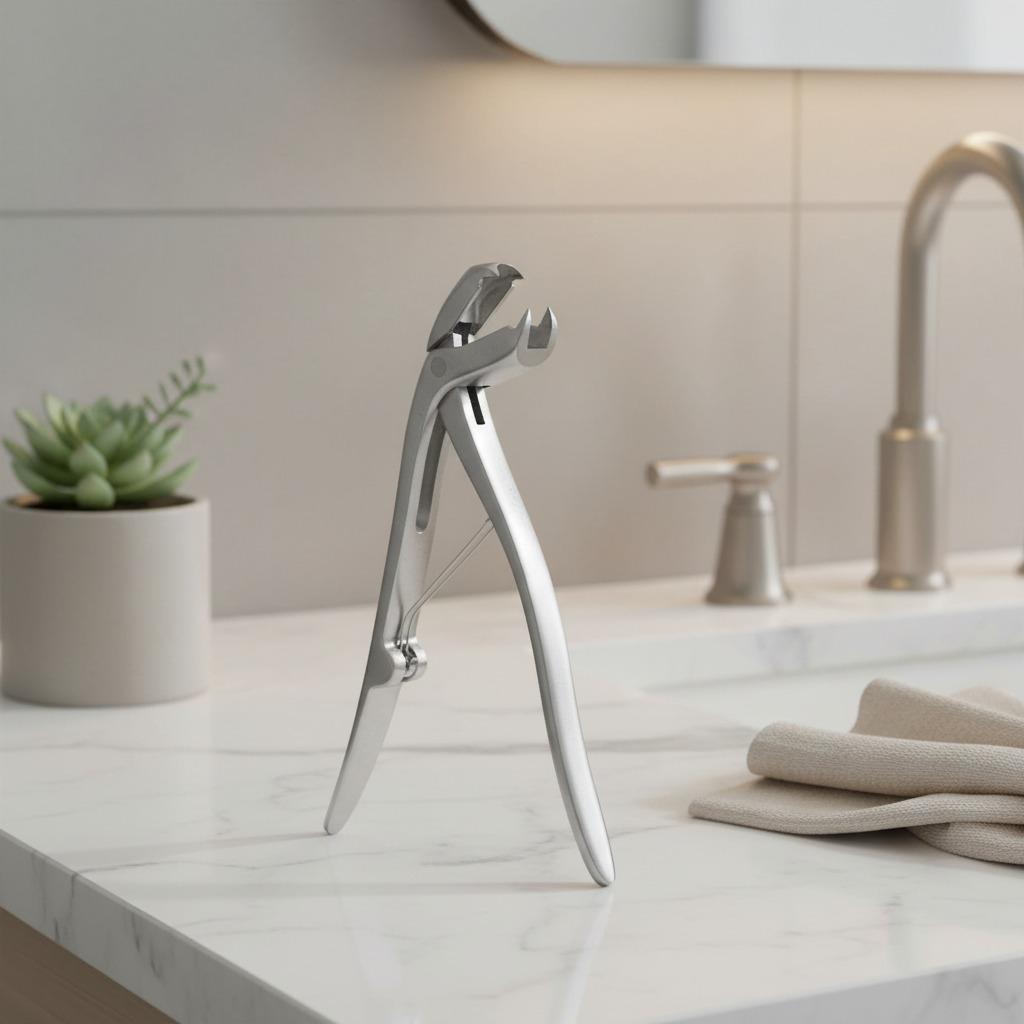
Custom Made Nail Clippers for Wholesale Buyers
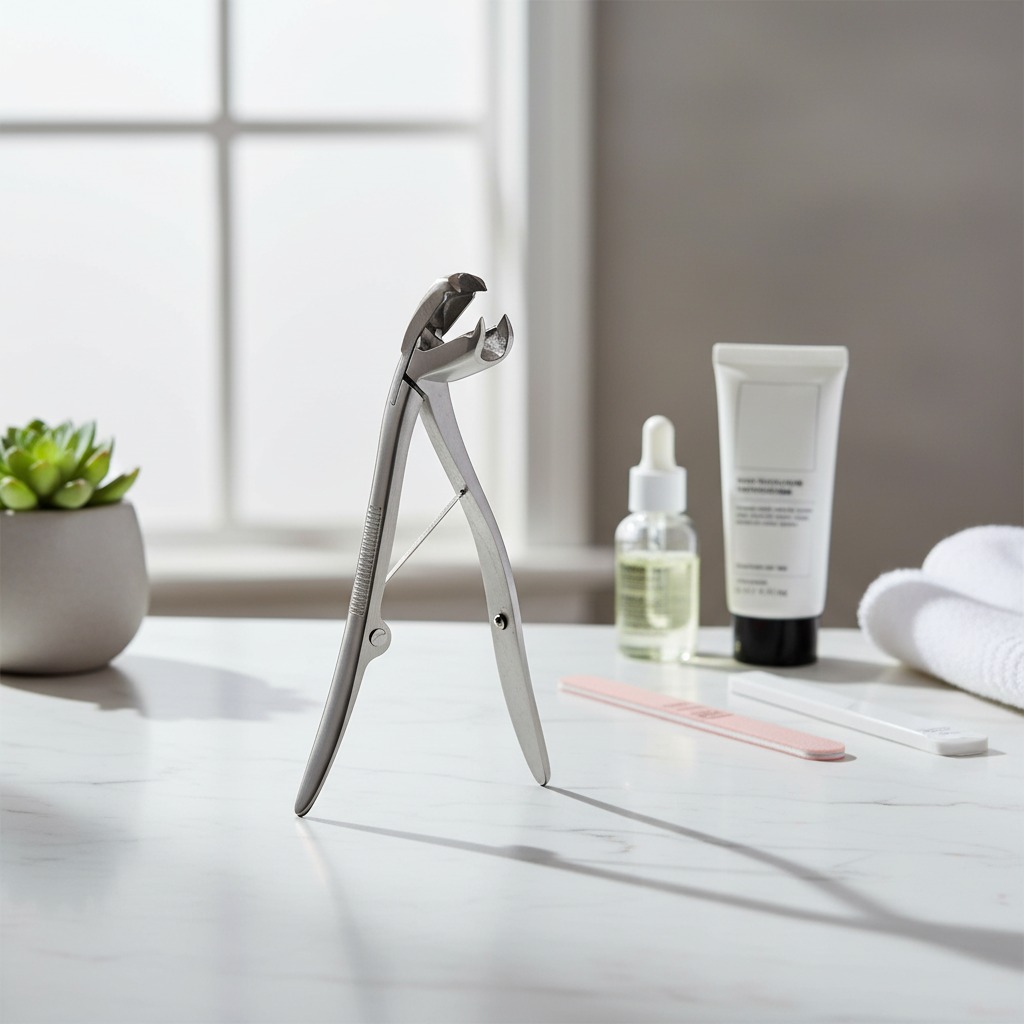
Custom made nail clippers should be sourced as functional grooming tools first and branded products second. For beauty retailers, salon suppliers, distributors, grooming kit brands and promotional buyers, the clipper must cut cleanly, feel stable in the hand, suit the sales channel and remain consistent across a wholesale order.
A nail clipper is small, but end users quickly notice poor cutting action, loose movement, sharp burrs, weak leverage or packaging that does not protect the tool. A low-cost clipper that bends, slips or crushes the nail can damage confidence in a wider nail care line. A well-specified clipper, by contrast, supports repeat purchase because it feels practical, hygienic and dependable.
Olimor Beauty works with beauty tool buyers who need clear product planning, realistic customization and practical inspection expectations. This guide explains how to evaluate custom made nail clippers before ordering, how to prepare a wholesale specification and what to ask a potential supplier without relying on vague claims.
What Makes a Custom Made Nail Clipper Worth Buying?
A custom nail clipper is more than a stock item with a logo. The main product decisions affect how the tool performs: body size, jaw shape, blade alignment, lever length, surface finish, grip feel, packaging format and brand placement. These details should be confirmed before samples are approved, because they influence both production consistency and user satisfaction.
For a travel kit, the buyer may prioritize a compact size and protective packaging. For a salon resale line, the product may need a more substantial grip, smooth lever movement and a finish that can be cleaned easily. For retail display, the packaging may need to show the product clearly while preventing scratches and deformation during shipping.
- Clipper size: Smaller formats are usually chosen for fingernails and travel sets, while larger formats are often preferred for toenails.
- Cutting curve: A curved jaw supports general nail trimming, while wider or more tapered shapes should be matched to the intended use.
- Lever design: A wider, textured or longer lever can improve control, but it must still feel stable on the clipper body.
- Surface finish: Polished, matte or other approved finishes influence appearance, grip feel and retail positioning.
- Packaging format: Bulk packing, pouch packing, carded packaging, boxes and set packaging serve different channels.
- Branding position: Logo placement should be legible without interfering with comfort, cutting action or cleaning.
Buyers comparing options can review Olimor’s broader beauty tool product range to consider whether the nail clipper will be sold alone or paired with files, tweezers, scissors or other grooming tools.
Material, Cutting Performance and Practical Hygiene
The primary purpose of a nail clipper is precise trimming, so cutting performance should be evaluated before decoration. Stainless steel is commonly used for nail clippers because it supports durability, edge performance and easier cleaning. Buyers should still review the actual material selection, forming, finishing and assembly quality in the final sample rather than assuming all stainless steel clippers perform the same.
Sharpness is not only about how thin the cutting edge appears. The upper and lower jaws need to meet evenly when pressure is applied. If one side closes earlier than the other, the clipper may twist the nail, crush the edge or leave rough corners. If the lever is too weak, the user may need excessive force. If the jaw opening is too small, the product may not suit the intended nail type.
During sample review, open and close the clipper repeatedly. Listen for scraping, rattling or uneven movement. Press the lever slowly and then firmly. Check whether the jaws meet evenly from side to side. If appropriate for the category, test the clipper on different nail thicknesses and observe whether the cut edge is clean.
Corrosion resistance and clean handling also matter because nail clippers are often used in bathrooms, salons, travel kits and grooming sets. The finish should be reviewed for visible marks, rough edges, trapped polishing residue and areas that may be difficult to clean. Packaging should also protect the tool surface during transport and storage.
Ergonomics: Small Design Choices That Affect Daily Use
Ergonomic performance is one of the strongest reasons to request a custom made nail clipper instead of buying a generic product. Users may not describe the tool in technical terms, but they quickly judge whether it is comfortable, controllable and stable.
Lever length affects pressure. A longer lever may reduce effort, but it should not feel loose or oversized. Edge smoothness affects comfort. Non-cutting corners and contact areas should not scratch the fingers. Grip texture and surface finish affect control, especially if the user is trimming thicker nails or using the tool in a bathroom setting. Weight balance also matters: a clipper that feels too light may seem weak, while a heavy tool may not suit travel or low-cost retail sets.
For salon suppliers and professional grooming buyers, repeat use is especially important. A clipper may be opened and closed many times during a working day, so predictable cutting action and hand comfort are part of product quality. For retail buyers, first impression is also important: the product should look clean, feel solid and communicate practical value through the finish and packaging.
How to Prepare a Wholesale Nail Clipper Specification
Wholesale buying becomes easier when the specification is written before price comparison begins. A request such as “send your best price for nail clippers” often produces quotations that are difficult to compare because each supplier may assume a different material, size, finish, packaging method or inspection level.
A clear inquiry should define the intended market, use case, preferred finish, packaging requirement, logo method if needed, order destination and sample expectations. If the clipper will be part of a wider manicure or grooming program, review related items in the Olimor beauty tool collections so the finish, packaging style and brand presentation can be planned together.
| Specification area | What to decide | Why it matters |
|---|---|---|
| Product use | Fingernail, toenail, travel, salon, retail set or promotional kit | Determines size, jaw opening, strength, packaging and market positioning |
| Body and lever | General shape, lever style, grip preference and finish | Affects comfort, cutting pressure and perceived quality |
| Jaw shape | Standard curve, wider jaw or tapered design | Influences precision, edge finish and suitability for the target user |
| Branding | Logo position, marking method and artwork format | Prevents unclear marks or poor placement on small surfaces |
| Packaging | Bulk pack, pouch, card, box or set packaging | Supports retail display, shipping protection and inventory handling |
| Quality checks | Cutting test, alignment check, surface inspection and packaging review | Helps maintain consistency between approved sample and bulk goods |
This type of specification helps the manufacturer recommend a practical construction and allows the buyer to compare quotations on a like-for-like basis. It also reduces sampling delays because the supplier can identify early whether a requested finish, logo position or packaging format is suitable for the chosen clipper body.
Packaging and Branding Choices by Sales Channel
Packaging should be chosen for the way the product will be sold, stored and handled. It is not only a visual decision. Poor packaging can scratch polished surfaces, allow movement during shipping or make a small tool look lower value than intended.
Retail and E-Commerce
Retail and e-commerce buyers often need packaging that protects the clipper and presents the product clearly. Carded packaging, small boxes or set packaging may be considered depending on the display method and fulfillment process. Artwork, barcode placement and product information should be checked against the approved sample.
Salon and Professional Supply
Salon-oriented programs may prioritize practical storage, easy product identification and a finish that supports clean handling. Packaging may be simpler than premium gift packaging, but the clipper itself should feel stable and comfortable for repeated use.
Promotional and Travel Programs
Promotional and travel programs often focus on compact format, efficient packing and clear branding. However, compact does not mean careless. The jaws still need to align, the lever still needs to press smoothly and the non-cutting edges should be free from burrs.
For branding, the logo should be readable and placed where it will not be worn away quickly or make the tool uncomfortable to use. Buyers should provide artwork in a usable format and confirm whether the supplier recommends the chosen marking method for the surface finish.
Quality Inspection Points for Bulk Nail Clipper Orders
Sample approval is only the first step. The bulk order must remain consistent with the approved sample. Nail clippers are mechanical tools, so inspection should include both appearance and function. A shiny surface cannot compensate for poor cutting action, weak assembly or misaligned jaws.
A practical inspection plan can include incoming material review, in-process checks, final appearance inspection, functional cutting checks, packaging confirmation and carton labeling review. Buyers do not need to overcomplicate the process, but they should define which defects are critical for the sales channel.
- Check that the upper and lower cutting edges meet evenly from one side to the other.
- Press the lever repeatedly to confirm smooth movement and stable return.
- Inspect corners and non-cutting edges for burrs that could scratch skin or packaging.
- Review surface finish for visible defects, polishing marks or coating inconsistency.
- Confirm that any logo is correctly positioned, legible and consistent with the approved sample.
- Compare packaging with approved artwork, barcode requirements and carton labeling.
- Review pieces from different cartons rather than only products from the top layer.
Some buyers use recognized quality frameworks or sampling methods as references when setting inspection expectations. ISO 9001 is often used as a general quality management reference, while ISO 2859 is commonly referenced for sampling inspection plans. Buyers should verify the applicable version, the supplier’s actual documentation and whether the selected approach is appropriate for the product and market. These references should not be treated as proof of any certification unless the supplier provides valid documents for review.
How to Evaluate a Nail Clipper Manufacturer or Supplier
When comparing a nail clipper manufacturer, buyers should look beyond the unit price. The lowest quotation may exclude the finish, packaging, inspection standard or customization expected by the buyer. A stronger supplier discussion focuses on whether the product can be made consistently and whether the supplier understands the intended market.
Useful supplier evaluation questions include:
- Can the supplier explain the difference between the available clipper sizes and jaw shapes?
- Can they provide samples that match the intended use case rather than only generic stock photos?
- Do they review jaw alignment, lever stability, surface finish and packaging before shipment?
- Can they advise whether the requested logo position is practical on the selected body?
- Do they provide clear packaging options for retail, salon, travel or set programs?
- Can they communicate what information is needed before quotation and sampling?
For B2B buyers, the goal is not to ask for every possible feature. The goal is to choose the features that matter for the target customer and avoid paying for details that do not support the product’s value. A simple retail clipper may prioritize reliable cutting and clean packaging. A salon-focused clipper may justify more attention to grip, leverage and finish. A travel kit clipper may require compact design and efficient protective packing.
Cost Factors in Custom Made Nail Clippers
Custom nail clipper cost is influenced by more than the metal body. Buyers should consider size, construction complexity, finish, logo method, packaging format, inspection expectations and whether the clipper is sold individually or as part of a set. Without these details, price comparisons may be misleading.
A larger toenail clipper may use a different body and lever arrangement from a compact fingernail clipper. A refined finish may require more careful surface handling. A retail box or carded pack may involve artwork confirmation and packing checks. A set package may need coordination with files, tweezers or other tools. Inspection requirements can also affect the process because functional checks take time and must be clearly defined.
Buyers should ask suppliers to quote against a written specification, then compare not only price but also what is included. A useful quotation should make clear the product type, finish, logo treatment, packaging style and sample basis. When requirements are still being developed, buyers can submit details through the Olimor wholesale inquiry page for a discussion based on the intended market and product use.
Common Problems and How to Prevent Them
Many sourcing problems can be prevented before production by defining the product carefully and checking samples in real use. The most common issues include weak cutting force, uneven jaw contact, loose levers, rough edges, surface scratches, unclear logos and packaging mismatch.
To reduce risk, buyers should keep one approved sample for comparison, confirm the final artwork and packaging before production, and define functional inspection points. If the product is part of a set, every component should be checked together because the perceived quality of the set depends on the weakest tool. A good clipper paired with mismatched packaging or a poor logo mark may still disappoint the end customer.
Pre-Order Checklist for Wholesale Buyers
- Define whether the clipper is for fingernails, toenails, travel, salon resale, retail display or a grooming set.
- Choose the preferred size, jaw shape, lever style, finish and packaging format.
- Confirm whether branding is needed and provide suitable logo artwork.
- Review samples for cutting action, jaw alignment, lever stability, burrs and surface quality.
- Confirm packaging artwork, product labels and carton requirements before production.
- Agree on practical inspection points for both appearance and function.
- Keep the approved sample available for comparison with bulk goods.
If you are developing a private label nail care line or comparing wholesale nail clipper options, Olimor Beauty can help review product direction, customization choices and practical sourcing details. To discuss a project, contact the team through Olimor Beauty contact support.
FAQ
Can I request samples before placing a wholesale order?
Yes. Samples are important because nail clippers must be checked by hand for cutting action, jaw alignment, lever movement, finish and packaging. Sample availability and conditions should be confirmed with the supplier based on the requested design.
Can the clipper be customized with my logo and packaging?
Logo placement and packaging can be discussed once the clipper body, finish and sales channel are defined. Buyers should provide usable artwork and confirm that the selected marking position does not interfere with comfort or function.
What affects MOQ for custom made nail clippers?
MOQ can depend on the clipper style, finish, packaging, logo method and whether the item is standard or specially customized. Buyers should avoid assuming one fixed quantity applies to every specification and should confirm details during inquiry.
What quality checks should I request?
Important checks include jaw alignment, clean cutting performance, lever stability, burr inspection, surface finish review, logo accuracy and packaging confirmation. The approved sample should be used as the reference for bulk production.
How should I ask about lead time?
Lead time should be discussed after the specification, sample requirement, packaging and customization method are clear. Buyers should confirm the production and shipping schedule with the supplier instead of relying on general estimates.
Tag: