

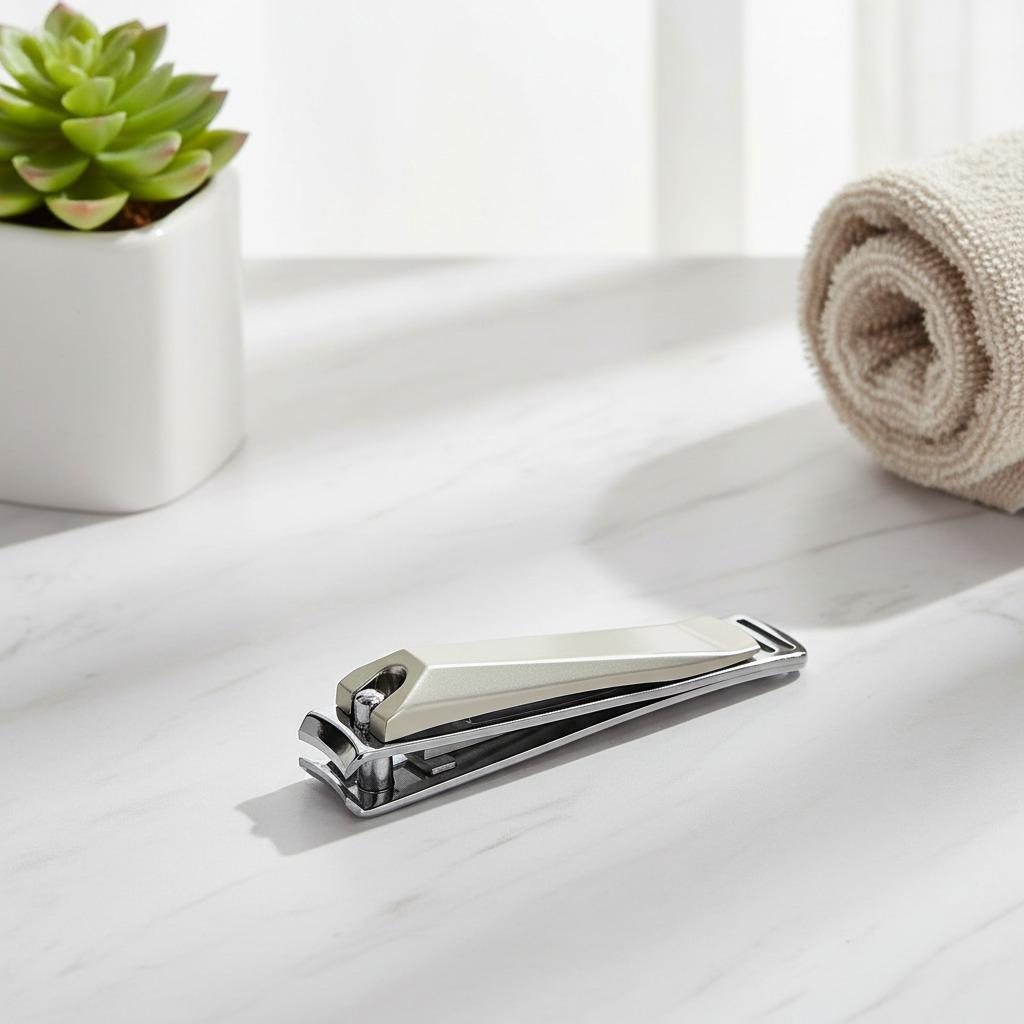
Custom Made Nail Clipper Buying Guide for Beauty Brands
A custom made nail clipper may look like a small item in a grooming range, but it can strongly influence how customers judge the quality of a kit, retail display, salon supply set, or promotional beauty product. The best version is not only sharp enough to cut cleanly; it should feel stable in the hand, resist everyday wear, fit the target user, and support the packaging or branding strategy behind the product.
For beauty distributors, retailers, private-label brands, salons, hotels, and grooming kit suppliers, sourcing nail clippers requires more than choosing a familiar shape. The right questions include cutting performance, handle comfort, finishing, packaging protection, inspection criteria, and whether the design suits fingernails, toenails, travel kits, or professional use. Olimor Beauty supplies beauty tools for B2B buyers, and a custom made nail clipper can be planned as part of a broader grooming tool assortment rather than treated as a generic accessory.
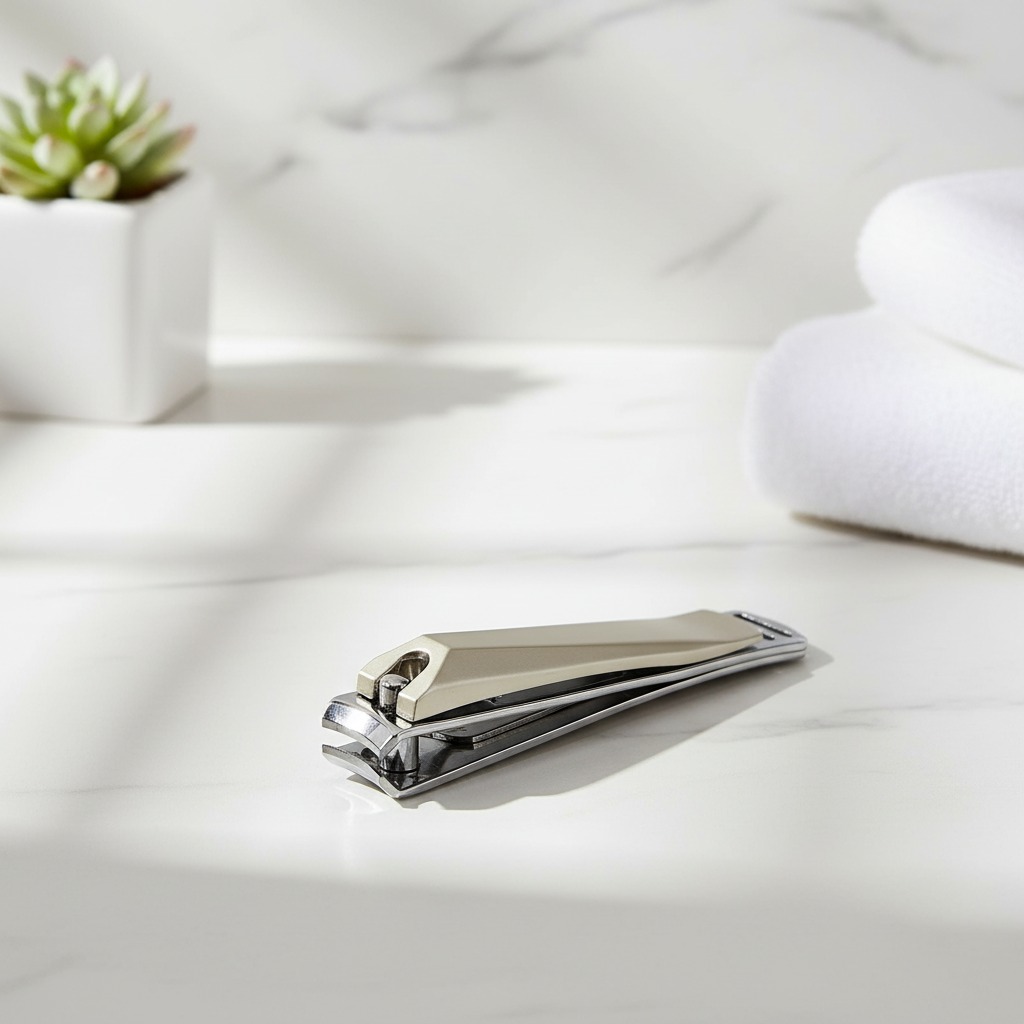
What Makes a Custom Made Nail Clipper Worth Sourcing?
The word custom should mean more than adding a logo. A useful custom made nail clipper begins with the intended user and sales channel. A clipper for a compact travel kit may need a slim profile and secure packaging. A retail beauty tool may need a polished finish and a comfortable lever. A salon supply item may need reliable repeat use, easy cleaning, and consistent cutting alignment from unit to unit.
Several core features affect perceived and practical quality. The cutting edges need to meet evenly so the nail is cut rather than crushed or torn. The lever should open and close smoothly without feeling loose. The body should feel strong enough for daily grooming use. The grip area should help users control the tool, especially when clipping thicker nails or trimming at an angle. If stainless steel construction is selected, buyers should still review finishing, edge quality, and corrosion resistance expectations instead of assuming all stainless steel clippers perform the same.
For B2B beauty supplies, consistency is often as important as the first sample. A good sample can win attention, but the production run must match the approved standard. That is why sourcing teams should define visible finish, cutting feel, logo placement, packaging requirements, and inspection points before confirming an order.
Key Selection Criteria for Beauty Tool Buyers
Before comparing custom options, clarify how the nail clipper will be sold or used. The following checklist helps buyers avoid vague specifications and supports more efficient communication with a manufacturer or supplier.
- Target use: Decide whether the clipper is for fingernails, toenails, travel grooming, salon resale, hospitality kits, or a mixed-use personal care set.
- Cutting performance: Check that the blades align evenly, the edge feels clean, and the clipper does not require excessive pressure during use.
- Handle comfort: Review lever length, grip texture, and how secure the tool feels when used with dry or slightly slippery hands.
- Material and finish: Confirm the intended metal, surface finish, color treatment, and any care instructions needed to protect appearance.
- Size and portability: Match the clipper size to the sales channel, such as compact kits, premium grooming sets, or professional supply packs.
- Branding area: Plan where a logo, mark, or pattern can appear without interfering with the user’s grip or the movement of the lever.
- Packaging protection: Choose packaging that protects the cutting edge, prevents scratches, and presents the product clearly for retail or distribution.
- Quality control standard: Define acceptable limits for scratches, burrs, loose levers, uneven edges, and packaging defects.
Customization Options That Actually Matter
Customization should improve suitability for the market, not create unnecessary complexity. For many beauty brands, the most valuable choices are size, finish, logo method, packaging format, and the role of the nail clipper within a larger grooming set. A matte or polished appearance may support different retail positioning. A compact size may be better for travel, while a larger tool may feel more stable for toenail care. If the product will be included in a gift set, visual consistency with tweezers, scissors, files, or other tools may matter more than adding decorative elements.
Logo placement needs careful thought. A logo that wears quickly or sits where the hand applies pressure may reduce the perceived value of the product. Buyers should review sample positioning from multiple angles: closed, open, in packaging, and in hand. Packaging should also be treated as part of customization. A simple protective sleeve may be enough for bulk supply, while retail programs may require display-friendly packaging, barcode space, product instructions, or multilingual label areas.
If you are building a full grooming range, compare nail clippers with related beauty tool products so the finish, packaging direction, and quality level feel consistent. For buyers planning seasonal sets or category expansion, the product collections page can help frame how individual tools may work together in a broader assortment.
Manufacturing and Quality Questions to Clarify Early
Good sourcing depends on precise questions. Instead of asking only whether a nail clipper is high quality, buyers should define what quality means for the project. This may include how the cutting edge is formed, how surface defects are judged, how the lever is assembled, and how finished goods are protected before shipment. For custom made nail clippers, even small variations in blade alignment or lever tension can change the user experience.
The table below highlights practical sourcing points that are useful when reviewing a sample or preparing a specification sheet.
| Review Area | What to Check | Why It Matters |
|---|---|---|
| Cutting edge | Alignment, sharpness, and clean closure | Prevents nail splitting and improves user satisfaction |
| Lever action | Smooth movement without looseness | Creates a controlled, stable clipping feel |
| Surface finish | Scratches, stains, burrs, and uneven coating | Affects retail presentation and brand perception |
| Ergonomics | Grip comfort, pressure required, and hand fit | Important for repeat use and professional settings |
| Packaging | Protection, labeling area, and display suitability | Reduces damage and supports the sales channel |
Use Cases: Retail, Salon, Travel, and Promotional Kits
Different sales channels call for different priorities. A retail nail clipper should look clean and trustworthy at first glance. Packaging, finish, and product photography matter because customers often judge the tool before using it. A salon or professional supply program may prioritize repeatable cutting performance and easy handling. A travel kit requires compact size, secure storage, and minimal bulk. A promotional or hospitality kit may require simple presentation, practical function, and clear branding.
For private-label beauty businesses, the nail clipper can serve as an anchor item in a grooming kit because almost every customer understands its purpose. However, that familiarity also means users quickly notice poor performance. A clipper that slips, pinches, tears nails, or feels flimsy can weaken confidence in the whole kit. Conversely, a well-made clipper can make an affordable set feel more dependable.
When preparing a product brief, include the customer profile. Are they buying for daily personal care, men’s grooming, travel, salon resale, family use, or gift packaging? This context helps narrow choices in size, finish, and packaging before sampling begins.
Care, Storage, and Maintenance Guidance for End Users
Clear care instructions help reduce complaints and extend product life. Nail clippers are simple tools, but they still benefit from basic maintenance. After use, users should remove nail debris from the cutting area and keep the tool dry before storage. If the clipper is stored in a bathroom, packaging or a protective case can help reduce exposure to moisture. For professional environments, cleaning practices should follow the hygiene procedures required by the business or local rules.
Retailers and distributors can improve customer experience by adding concise care language to packaging or insert cards. Useful instructions may include drying after cleaning, storing away from children, avoiding use on unsuitable materials, and replacing the tool if the cutting edge becomes damaged or misaligned. These points are practical, low-cost, and relevant to both consumer and professional buyers.
How to Prepare a Better Inquiry for Custom Nail Clippers
A strong inquiry saves time and reduces misunderstanding. Include the intended market, approximate size preference, finish direction, logo needs, packaging style, and whether the clipper will be sold alone or included in a set. If you already have a reference sample, describe what you like and what needs to change. If you do not, outline the use case and target price position without overstating technical requirements.
Buyers comparing B2B beauty supplies should also consider whether the supplier can support related tools, because consistent sourcing across a grooming range may simplify packaging, inspection, and replenishment planning. To discuss a custom made nail clipper or a broader grooming tool project, you can send an inquiry. For project questions, sample planning, or category support, you may also contact Olimor.
Final Buying Advice
A custom made nail clipper is a small product with a large influence on grooming satisfaction. The best sourcing approach is practical: define the use case, confirm cutting performance, review comfort, align the finish with your brand, and specify inspection expectations before production. For beauty brands, retailers, distributors, salons, and kit suppliers, this turns a common grooming tool into a reliable part of a well-planned product range.
By focusing on function first and customization second, buyers can select nail clippers that look appropriate, perform consistently, and support the customer experience from first impression through everyday use.
Tag: