

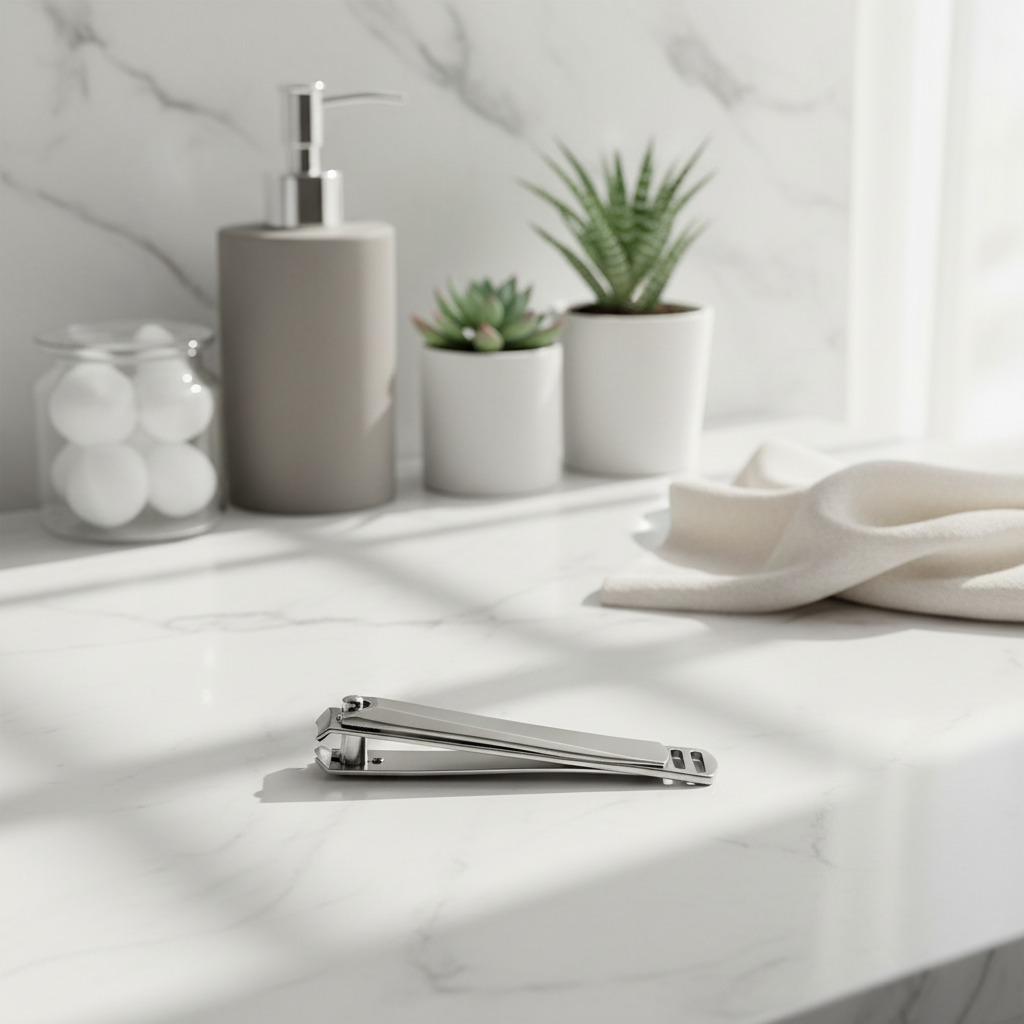
Custom Made Nail Clippers for Beauty Brands and Grooming Suppliers
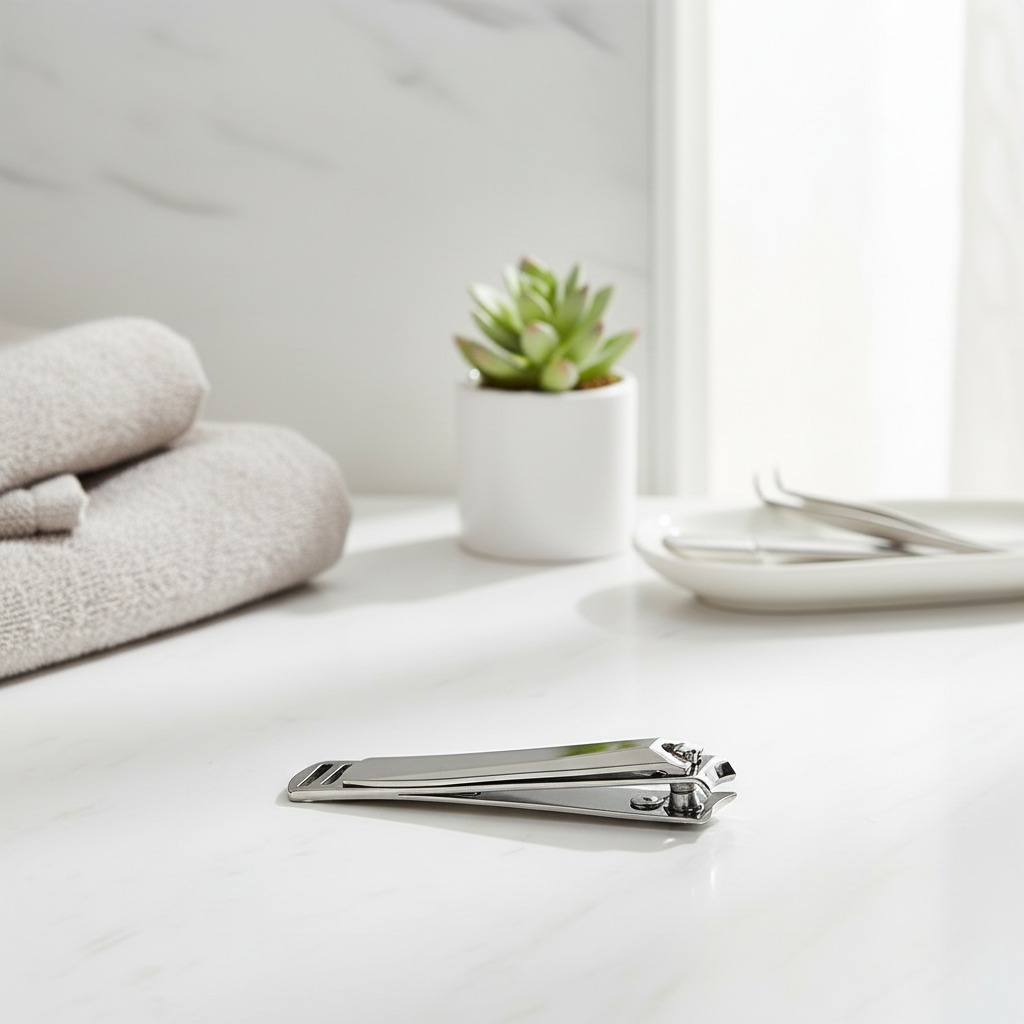
A custom made nail clipper is a small tool with a large impact on brand perception. For beauty brands, grooming distributors, salons, hotel amenity suppliers and private-label buyers, the right clipper must do more than trim nails. It should cut cleanly, feel stable in the hand, fit the intended packaging and present the brand in a way that matches the rest of the grooming range.
Olimor Beauty works with buyers who need practical, retail-ready beauty tools with clear customization options. If you are building a new assortment or refreshing an existing one, it helps to compare the clipper not just as a product, but as part of a larger line. You can browse beauty tool options to see how different grooming items are positioned, or compare complete collections when planning a coordinated set.
This guide explains how to evaluate custom nail clippers for B2B use, which design choices matter most, what to check in samples, and how to assess a supplier before placing an order.
What a custom nail clipper needs to do for B2B buyers
In a consumer context, a nail clipper may be judged mainly on price or appearance. In B2B beauty supply, the decision is broader. A clipper may be sold in a salon retail display, included in a travel grooming kit, packed into a hotel amenity set or offered as part of a private-label care range. Each use case changes the priorities.
For example, a salon retail product may need a more polished look and comfortable handling. A travel set may need a compact profile and secure packaging. A men’s grooming line may prefer a restrained matte finish, while a gift set may call for coordinated branding and packaging presentation. The same basic tool can serve very different markets if the structure, surface and packaging are planned carefully.
Before choosing a style, define the primary use case. Is the clipper for fingernails, toenails, everyday grooming, retail resale or set packaging? That one decision helps narrow the right body size, lever style, finish and branding area.
Key design decisions that shape the user experience
A nail clipper is simple to use, which makes every detail noticeable. Buyers tend to notice cutting feel, handle comfort and overall stability almost immediately. Small differences in design can change whether the product feels dependable or disposable.
Size and blade shape
Size should match the intended use. Smaller clippers usually suit cosmetic bags, travel kits and compact retail sets. Larger clippers may feel more substantial and may be better suited to thicker nails or toenail use. If your range includes more than one clipper, make the size difference easy for customers to understand.
Blade shape should also match the use case. A curved cutting edge is common for fingernails, while a straighter edge may be preferred for toenails. Packaging and product copy should clearly align with that choice so buyers are not left guessing.
Lever feel and grip comfort
The lever should press smoothly and return reliably. If it feels too stiff, the product may seem awkward to use. If it feels loose, the clipper can seem weak. Grip comfort also matters because people use the tool at different angles and with different hand sizes.
Ergonomic shaping, lever length and surface texture all affect control. Buyers should test samples with dry hands and slightly damp hands, and in more than one grip position, to understand real-world handling.
Finish, branding and packaging
Surface finish influences both appearance and maintenance. A polished finish can look premium in retail packaging. A matte or brushed finish can reduce the visibility of fingerprints and support a minimalist style. Whatever finish is chosen, it should be checked for uniformity, scratches and visual consistency across the batch.
Branding should be visible without interfering with use. Logo engraving, printing or other decoration needs to sit in a place that looks intentional on a physical sample, not just in a mockup. The curve and reflection of the metal can change how branding appears once the tool is manufactured.
Packaging matters just as much. A clipper sold in a salon setting may need a simple retail box with concise product information. A clipper in a travel kit may need compact placement and protection from movement. If your assortment includes other grooming items, make sure the clipper fits the package format and visual system used across the line.
When you are planning an assortment, it can help to compare related grooming items so the finish, structure and packaging work together as a set rather than as isolated pieces.
Sample checklist: what to review before placing a production order
For B2B buyers, sample review should go beyond appearance. A single approved sample is not enough if the production batch cannot hold the same standard. The following checklist is a practical way to review a custom made nail clipper before confirming an order.
| Check point | What to look for | Why it matters |
|---|---|---|
| Cutting alignment | The upper and lower cutting edges meet evenly without visible offset | Misalignment can affect trimming comfort and the overall user experience |
| Lever action | Smooth press, stable return and no loose feel | Influences confidence, comfort and perceived quality |
| Edge condition | No burrs, rough spots or jagged areas on the tool body | Supports safer handling and cleaner presentation |
| Surface finish | Consistent matte, brushed or polished appearance without obvious scratches | Important for retail appeal and brand consistency |
| Grip comfort | Comfortable handling in different finger positions | Helps the clipper feel stable across user types |
| Packaging fit | The clipper sits securely in the box, pouch or blister without movement | Reduces transit damage and supports shelf presentation |
| Branding area | Logo placement is clean, readable and correctly oriented | Keeps the product aligned with the brand image |
For gift sets and travel kits, inspect the tool inside its final packaging, not only as a loose sample. Movement during shipping can create scratches or presentation problems if the insert or tray is not designed well.
Material and construction points buyers should not overlook
Stainless steel is commonly used for nail clippers because it can support durability and practical corrosion resistance when properly selected and finished. That does not mean all stainless steel tools are the same. Buyers should still ask how the material is used in the body, cutting part and hinge area, and how the surface is finished after forming.
Construction details matter just as much as the material choice. Rivet stability, hinge smoothness and the way the lever sits on the body all influence the long-term feel of the product. A clipper that looks good in a photo but shifts or feels unstable in hand will not support repeat orders.
If your market requires material or compliance documentation, ask the supplier which documents are available for the destination market. In some cases, buyers also reference public standards or frameworks such as ISO 2859-1 for lot sampling or REACH for material-related requirements in relevant markets. Verify the applicable version and request supplier documentation for your own use case, since the right requirement can vary by country, channel and product structure.
How to evaluate a supplier for custom nail clippers
When comparing suppliers, focus on whether they can support the product from concept through production and inspection. A good supplier should be able to discuss body shape, lever design, surface finish, packaging fit and quality checkpoints in a practical way.
Useful supplier questions include:
- Can the clipper be customized for different customer groups, such as salons, travel kits or gift sets?
- What logo methods are available, and where can branding be placed without affecting use?
- How is sample approval handled before bulk production?
- What inspection points are checked during production and before packing?
- Can the clipper be coordinated with other tools in the same grooming line?
For many buyers, the strongest supplier is not the one that offers the most decoration. It is the one that can balance function, appearance, packaging and consistent batch output. If you have a new concept and need help turning it into a production-ready product, you can send an inquiry or contact the Olimor team for a direct discussion.
Choosing the right version for your sales channel
The best custom made nail clipper depends on where and how it will be sold. A practical way to choose is to match the product to the channel.
- Salon retail: prioritize a clean appearance, comfortable hand feel and packaging that looks professional on the counter.
- Travel and amenity kits: focus on compact size, secure storage and a finish that resists visual wear.
- Gift sets: coordinate shape, color and packaging with the rest of the set so the clipper feels intentional.
- Everyday grooming lines: keep the design simple, durable and easy to understand for repeat purchases.
- Private-label distribution: balance branding visibility with a tool design that still works across multiple channels.
Choosing the right version is also a cost-control decision. More complex finishing, custom packaging and extra branding steps can affect the overall program. Buyers should decide early where customization adds real value and where a simpler structure is sufficient. That makes the final product easier to manage, reorder and present to customers.
Practical inspection flow for production control
A useful quality process begins before final packing. Buyers should agree on the review points that matter most for their market and sales channel, then confirm them during sample approval and production inspection. This keeps expectations clear and reduces avoidable rework.
- Review the target use case and final packaging concept.
- Check sample cutting feel, lever action and grip comfort.
- Confirm finish consistency and logo placement on a physical sample.
- Verify packaging fit and product protection during handling.
- Document the approved appearance and functional checkpoints for production reference.
This approach is especially useful for repeat programs. A strong sample is helpful, but the real goal is consistency across the order. That is why inspection criteria should be practical, repeatable and linked to the way the product will actually be sold.
FAQ
Can I request samples before placing a bulk order?
Yes, sample review is a normal part of the buying process for custom grooming tools. It helps you evaluate cutting feel, finish, branding placement and packaging fit before committing to production.
What should I ask about minimum order quantity?
Ask the supplier how MOQ changes with customization, packaging style and branding method. The right quantity often depends on the complexity of the project and the production setup.
What customization options are usually available?
Common options include body shape, lever style, finish, logo placement and packaging format. The best choice depends on your channel, target user and brand presentation.
How do I check quality before shipping?
Confirm the inspection points in advance: cutting alignment, lever action, surface condition, branding accuracy and packaging protection. If needed, ask how the supplier handles sample approval and batch inspection.
How long does development usually take?
Lead time depends on the level of customization, sample revisions, packaging needs and production schedule. Request a project-specific timeline from the supplier rather than assuming a standard answer.
Ready to build a nail clipper for your brand?
If you are sourcing custom made nail clippers for a beauty brand, salon program or grooming assortment, start with the use case, then build the design around the customer experience. A well-planned clipper should be easy to use, visually aligned with the brand and practical to inspect in bulk production.
To discuss a private-label project, compare options in the wider beauty tool range, or reach out through the contact page for a practical sourcing conversation. Olimor can help you narrow the design direction, packaging format and quality checkpoints before production begins.
Tag: