

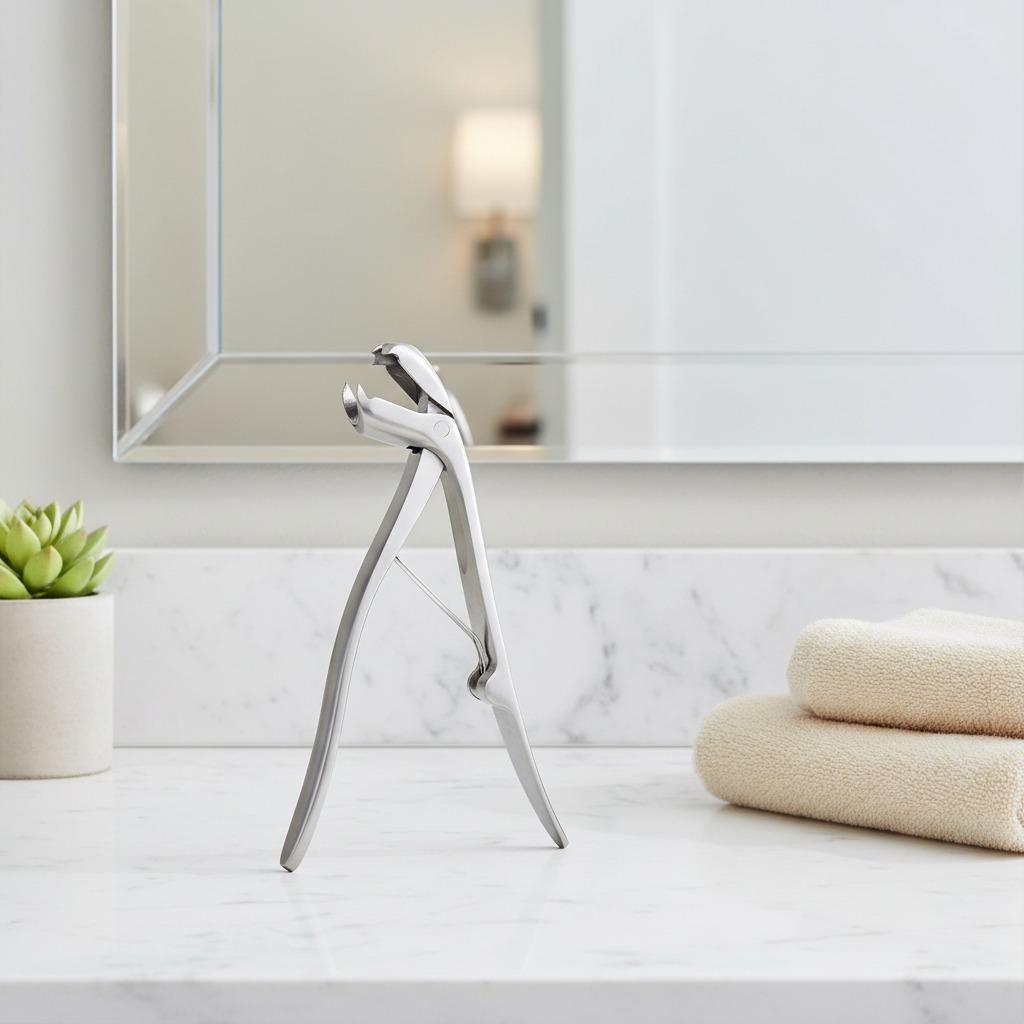
Custom Made Nail Clippers: A Practical Sourcing Guide for B2B Beauty Buyers
For beauty brands, salon suppliers, private-label distributors and grooming product buyers, a custom made nail clipper is more than a small accessory. It is a daily-use tool that must feel stable in the hand, cut cleanly, resist wear and present well in retail or professional kits. Because nail clippers are compact and familiar, they are sometimes treated as simple commodity items. In reality, small differences in blade alignment, lever tension, handle shape and finishing can strongly affect the user experience.
Olimor Beauty works with B2B beauty supplies and stainless steel tools, including custom nail clipper options designed for professional and personal use. When comparing manufacturers in China, buyers should look beyond a single quoted price and evaluate how the tool will be used, how it will be inspected, and how it will represent the brand after repeated use. The goal is to source a nail clipper that fits the target market while remaining practical to manufacture and consistent across batches.
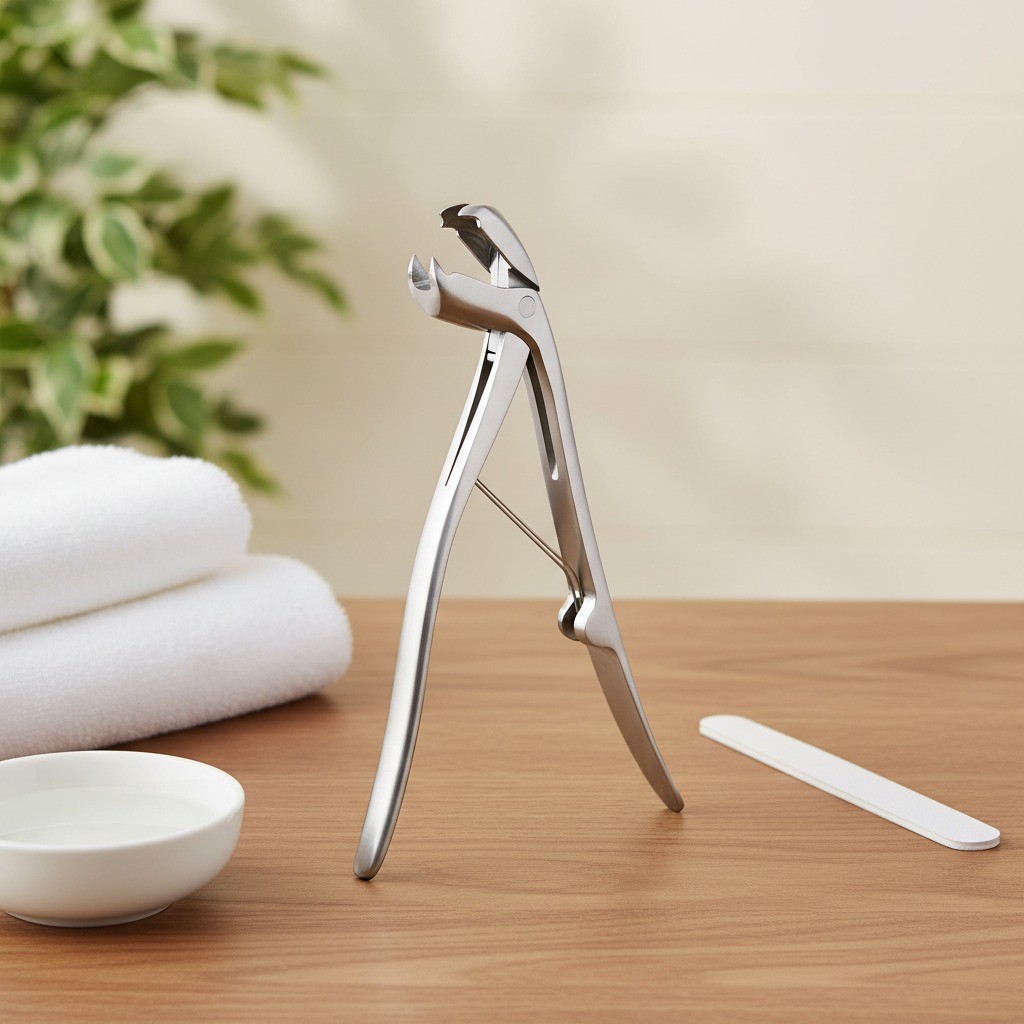
What Makes a Custom Made Nail Clipper Worth Sourcing?
A good nail clipper performs a simple task with control. It should trim the nail cleanly without forcing the user to press excessively, twist the wrist or repeat the cut several times. In a salon, this affects speed and hygiene workflow. In retail, it affects reviews, repeat purchases and perceived value. In a gift set or travel kit, it influences whether the whole set feels carefully selected or merely assembled.
Customization can involve appearance, grip, packaging, finish, size or accessory pairing. However, every customization decision should support the product’s intended use. A clipper for professional manicure stations may need a comfortable grip for repeated handling. A retail clipper for home users may prioritize a clean shape, protective packaging and clear care instructions. A compact travel option may focus on portability without compromising blade alignment.
Before requesting samples, define the product role clearly: Is it a single retail SKU, part of a manicure kit, a salon supply item, or a private-label beauty tool for distributors? That decision helps determine the suitable size, finishing direction and packaging approach.
Key Selection Criteria for B2B Buyers
When sourcing from a nail clipper manufacturer in China, buyers can reduce risk by checking the product from both user and production perspectives. A visually attractive clipper is not enough if the cutting edge feels rough or the lever loosens too quickly. The following checklist helps structure evaluation during sampling and supplier comparison:
- Blade alignment: The upper and lower cutting edges should meet evenly, with no obvious gap or offset that could cause tearing.
- Cutting feel: The lever should provide controlled pressure, not feel weak, sticky or overly stiff.
- Material choice: Stainless steel is commonly preferred for beauty tools because it supports durability and a clean surface finish.
- Edge finish: Edges and corners should feel smooth enough for safe handling, especially around the lever, thumb pad and side plates.
- Grip comfort: Ergonomic designs can help users maintain control during repeated trimming, whether in salons or at home.
- Surface consistency: The visible finish should be uniform, without obvious scratches, discoloration or residue.
- Packaging fit: The package should protect the tool during transport and present the item clearly for retail or distribution.
These points are especially useful when comparing samples from different suppliers. A low unit cost can become expensive if the final product leads to complaints, returns or brand inconsistency.
Stainless Steel, Blade Quality and Ergonomic Design
The original value of a custom made nail clipper comes from the way material, blade geometry and hand feel work together. Stainless steel construction is a practical choice for many nail tools because it gives the clipper a durable base and supports a clean, professional appearance. Material alone, however, does not guarantee good performance. The cutting edges must be shaped, aligned and finished with care.
Sharp, robust blades help create efficient cuts and may reduce the chance of nail splitting caused by repeated pressure. Buyers should test the clipper on different nail thicknesses when possible, because a product that feels acceptable on thin nails may struggle with stronger nails. The lever should return smoothly and provide enough leverage for a clean trimming motion.
Ergonomics also matter. A clipper may be small, but users notice pressure points quickly. For salon professionals, comfort becomes important during repeated use throughout the day. For retail consumers, a stable grip can make the tool feel more trustworthy. When reviewing a custom design, pay attention to thumb placement, lever texture, side shape and whether the clipper can be held securely without slipping.
Customization Decisions That Affect Manufacturing
Customization should be intentional. Adding decorative elements or unusual shapes can differentiate a product, but it can also affect tooling, finishing, packing and inspection. B2B buyers should balance brand identity with repeatable manufacturing. The most practical customization choices are those that improve recognition, usability or shelf presentation without making the product harder to keep consistent.
| Customization area | Buyer consideration | Why it matters |
|---|---|---|
| Size and shape | Match the clipper to salon, home, travel or kit use. | Influences grip, leverage and market positioning. |
| Surface finish | Check consistency across samples and expected production. | Affects perceived quality and retail appearance. |
| Handle or lever design | Review comfort, pressure control and ease of operation. | Directly impacts the user’s trimming experience. |
| Packaging | Choose packaging suitable for shipping, display or kit assembly. | Protects the tool and supports brand presentation. |
For buyers planning a broader assortment, it can also help to compare nail clippers with other beauty tool products and related product collections. This makes it easier to keep packaging, finishing and product positioning consistent across a complete manicure or grooming range.
Quality Checks From Raw Materials to Final Packaging
Quality assurance should not happen only at the end of production. Nail clippers benefit from inspection at several stages, from raw material review to assembly, finishing and final packaging. Olimor Beauty’s approach emphasizes precise manufacturing steps and quality checks, helping buyers focus on consistent performance rather than appearance alone.
During sample approval, buyers should document what has been accepted: dimensions, finish, cutting feel, packaging layout and any custom design elements. This reference can then be used when reviewing production samples or shipment inspections. Clear acceptance criteria reduce misunderstandings and make it easier to identify deviations before products reach the market.
Useful inspection points include whether the lever moves smoothly, whether the blades close evenly, whether the surface finish is consistent, and whether packaging protects the clipper without excessive movement inside the box or card. If the clipper is part of a kit, check how it sits alongside other tools and whether sharp edges are separated from delicate components.
How to Choose a Nail Clipper Manufacturer in China
The best manufacturer for a custom nail clipper project is not simply the one that offers the lowest quote. A better sourcing partner understands the relationship between product design, manufacturing control and buyer expectations. For B2B beauty supplies, communication is especially important because the product may need to fit retail branding, distributor requirements or salon workflows.
When evaluating a supplier, consider whether they can discuss practical production details clearly. Do they understand the target user? Can they explain which customizations are realistic? Are they able to provide samples that reflect the intended finish and function? Do they review packaging as part of the product, rather than treating it as an afterthought?
Buyers should also prepare a concise project brief. Include the intended market, product use, preferred finish direction, packaging type, order planning and any brand requirements. A clear brief helps the manufacturer respond with more relevant recommendations and reduces the chance of receiving samples that do not match the commercial goal.
Building a Reliable Beauty Tool Assortment
A custom made nail clipper can stand alone, but it often performs best as part of a wider beauty tool strategy. It may be paired with nail files, cuticle tools, tweezers or manicure kits, depending on the buyer’s product line. Consistent materials, finishing and packaging can make the assortment feel more professional and easier to sell through retail, salon or distributor channels.
For private-label and wholesale buyers, the most successful projects usually begin with a practical specification and a careful sample review. Focus on cut quality, hand feel, finish, packaging protection and repeatability. These details determine whether the clipper feels dependable after the first use and whether it supports the brand over time.
If you are planning a custom nail clipper or a broader stainless steel beauty tool program, you can contact Olimor to discuss product direction, or send an inquiry with your sourcing requirements. A well-defined project makes it easier to develop a clipper that is functional, consistent and suitable for the audience you serve.
Tag: