

Custom Beauty Tools Manufacturer: What Buyers Should Check Before Ordering
Choosing a custom beauty tools manufacturer is not only about finding a factory that can make a manicure set. For a retailer, distributor, salon supply brand, promotional buyer, or private-label beauty business, the right supplier should help turn a practical grooming product into a reliable, repeatable item that customers can trust. Details such as tool finish, cutting feel, handle comfort, case presentation, inspection steps, and packaging consistency all affect how the product is perceived after purchase.
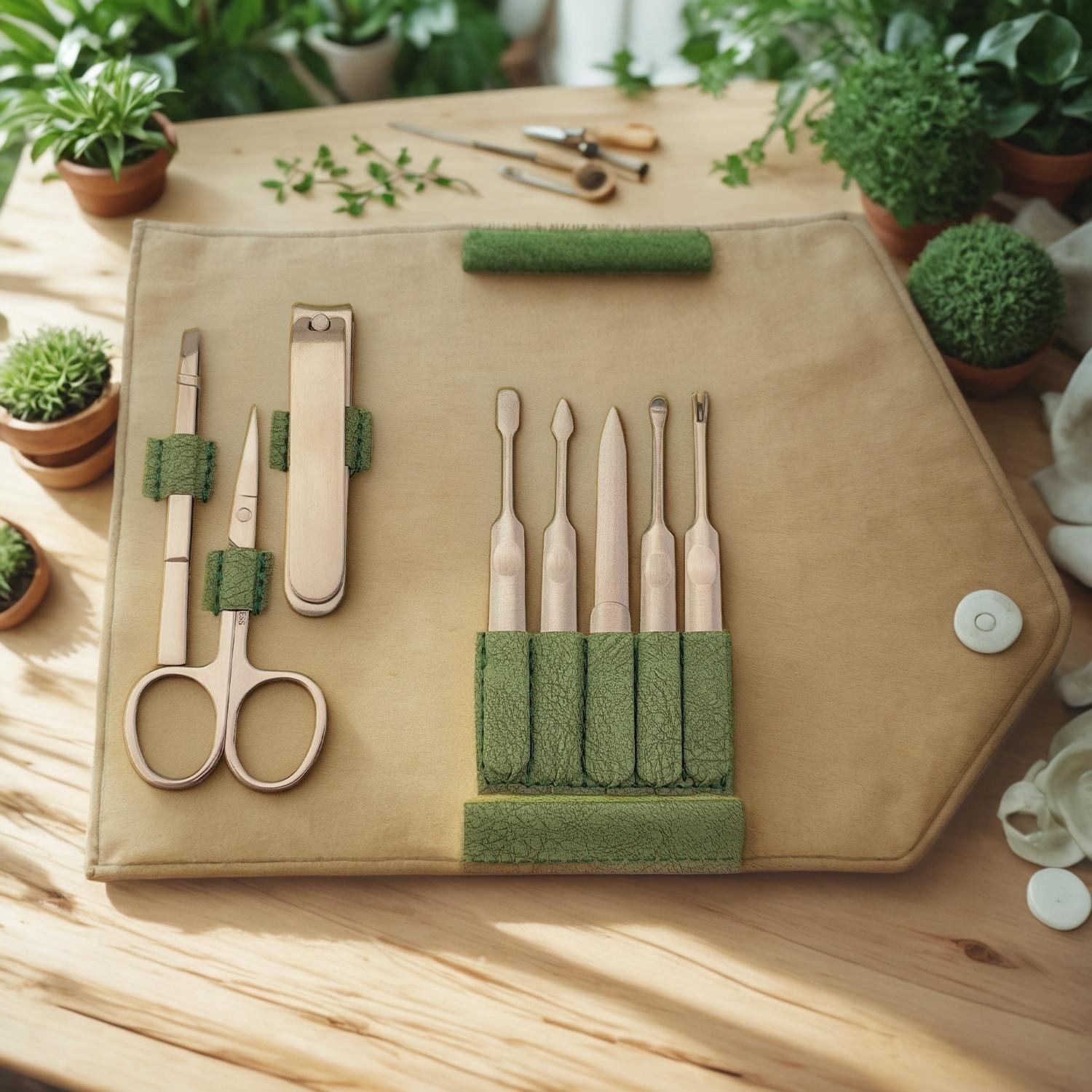
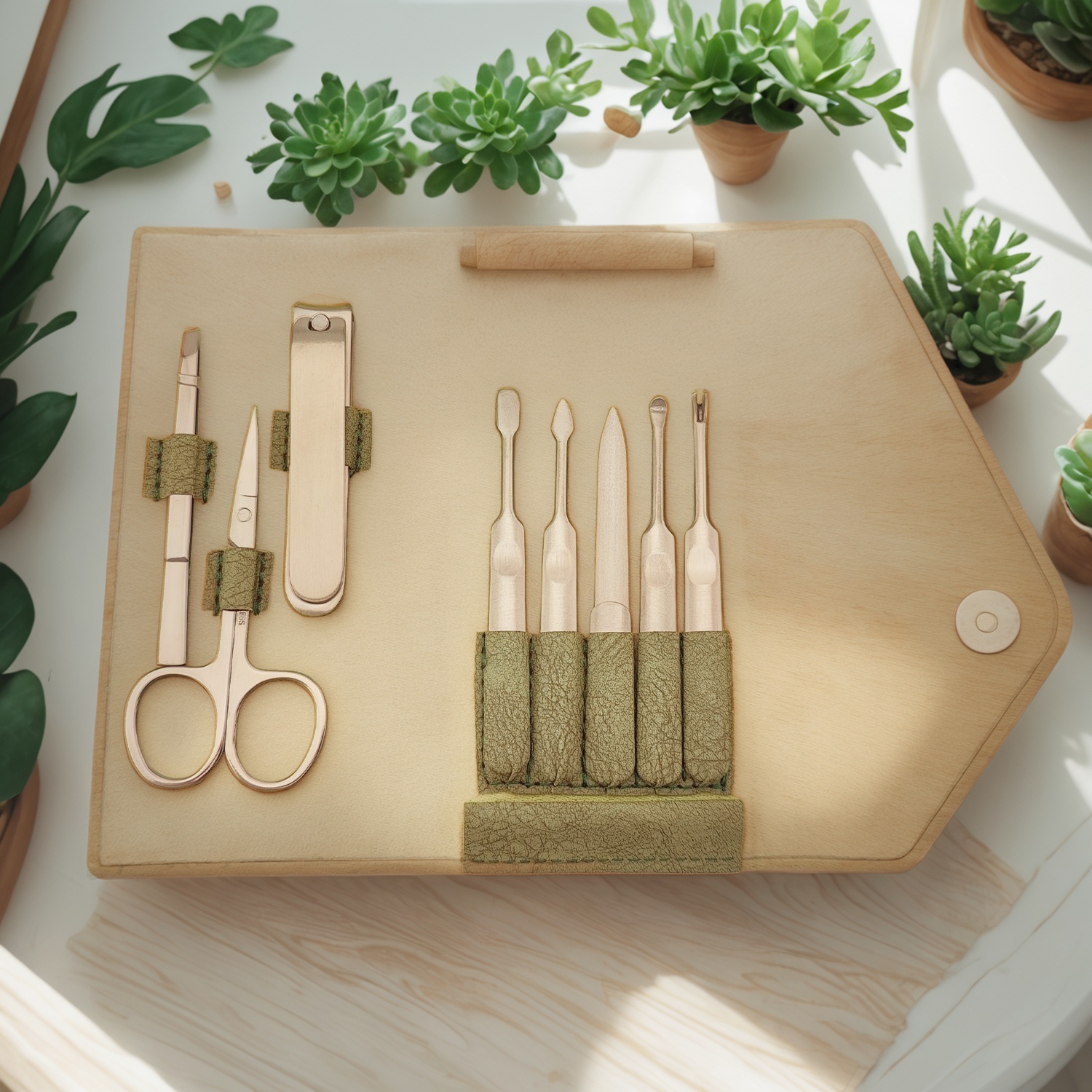
Olimor Beauty supplies beauty and grooming tools from China for wholesale buyers looking for practical, well-presented products. One example is a 7-Piece Manicure Set designed for everyday grooming at home or while traveling. The set reflects the key questions buyers should ask when sourcing custom beauty tools: Are the tools comfortable to use? Is the set easy to package and present? Are production checks built into the process? Can the supplier support a product that fits the buyer’s market position?
Who Needs Custom Beauty Tools and Manicure Sets?
Beauty tools have a broad customer base because grooming products are purchased for personal care, travel, gifting, salon retail shelves, and promotional programs. A compact manicure set can fit many sales channels, but each channel may require a different sourcing focus. A gift retailer may care most about presentation and packaging consistency. A beauty distributor may focus on tool durability, assortment structure, and repeat supply. An online seller may prioritize product photography readiness, compact dimensions, and a clear value proposition.
For buyers developing a custom beauty tool line, it is useful to define the target user before confirming details. A manicure set for daily home use should feel dependable and easy to handle. A travel set should be compact, protective, and convenient to carry. A premium-positioned set should have a clean finish and packaging that supports the price point. This early positioning helps prevent unnecessary changes after sampling.
Olimor Beauty’s broader range can be reviewed through the beauty tool products page, where buyers can compare product types and plan a more complete grooming assortment. For brands building seasonal or category-based ranges, the product collections page can also help with product direction.
What to Evaluate in a 7-Piece Manicure Set
A 7-Piece Manicure Set gives buyers enough flexibility to serve common nail and personal grooming needs without making the kit too bulky. When comparing options, avoid judging only by the number of tools. A smaller set with useful, well-made pieces is often more successful than a larger set with items customers rarely use. The value comes from the quality of each tool, how the items sit inside the case, and whether the overall kit feels coherent.
Important evaluation points include:
- Tool selection: Check whether each piece has a clear purpose for nail trimming, shaping, cuticle care, or detailed grooming.
- Material: The supplied product information identifies stainless steel tools, a common choice for manicure implements because it supports a clean finish and practical maintenance.
- Cutting and gripping feel: Nail tools should open, close, and align smoothly. Buyers should examine edges, pressure points, and grip comfort during sampling.
- Ergonomic use: The original product description highlights ergonomic design, which matters because grooming tools are small and require control during use.
- Case layout: Each piece should remain secure inside the case during shipment, storage, and daily handling.
- Visual consistency: The finish, polish, alignment, and packaging should look consistent across samples and bulk production.
For wholesale buyers, the product should also be assessed from a return-risk perspective. Sharp edges in the wrong place, loose tools, weak hinges, uneven finishing, or unclear packaging can lead to customer complaints even when the basic concept is strong.
Customization Decisions That Affect the Final Product
Custom beauty tools can involve different levels of customization. Some buyers need a ready-made manicure set with branded packaging. Others require adjusted colors, case materials, logo placement, insert design, or a specific assortment of tools. The best approach depends on the sales channel, budget, timeline, and brand positioning.
Before starting a project, prepare a concise specification sheet. It does not need to be complicated, but it should reduce misunderstandings. Include the intended market, target retail level, preferred product style, packaging format, logo requirements, and any compliance or labeling needs for the destination country. If the product will be sold online, include the type of imagery and product claims that will appear on the listing so the physical product and marketing content match.
Typical customization areas for manicure and grooming sets may include:
- Logo placement: On the case, outer packaging, insert card, or other visible area depending on the product structure.
- Packaging design: Retail box, gift-ready presentation, barcode space, instruction insert, or multilingual labeling if needed.
- Color direction: Case color, packaging palette, or finish preferences where the product construction allows it.
- Tool assortment: Selection of pieces that best match the buyer’s target customer and price level.
- Presentation style: Minimal, professional, travel-focused, gift-oriented, or everyday personal care positioning.
Custom decisions should be made with production repeatability in mind. A design that looks attractive in a sample but is difficult to control in bulk production may create delays or inconsistent results. A reliable custom beauty tools manufacturer should help buyers identify practical options that support both appearance and manufacturability.
Quality Control from Materials to Packaging
The original product information states that Olimor Beauty applies quality checks and inspections during production, from raw materials to final packaging. For buyers, this type of process matters because beauty tools are handled closely by the end user. A manicure tool must look clean, operate smoothly, and arrive in good condition.
Quality control should not be treated as a single final step. It is more effective when it is built into the full production flow. Raw material review, in-process checks, functional inspection, appearance inspection, packaging verification, and final carton checks each reduce a different type of risk. For example, a cutting tool may pass an appearance review but still feel uncomfortable in use. Packaging may look correct but fail to hold the tools securely during transport. Both issues can affect customer satisfaction.
A practical buyer checklist can include the following:
| Checkpoint | Why it matters |
|---|---|
| Tool finish | Helps ensure the set looks clean, consistent, and suitable for retail presentation. |
| Opening and closing action | Confirms that clippers, scissors, or similar tools operate smoothly where included. |
| Edges and contact points | Reduces the risk of rough handling feel or uncomfortable use. |
| Case fit | Keeps tools organized and helps prevent movement during shipping. |
| Packaging accuracy | Supports correct branding, labeling, barcode placement, and product information. |
| Final packed condition | Checks that the finished goods are ready for warehouse handling and retail distribution. |
When comparing suppliers, buyers should look for clear communication around inspection standards and sample approval. The goal is not to create unnecessary complexity; it is to make sure the approved sample becomes a realistic reference for bulk production.
Why Supplier Communication Matters in Custom Manufacturing
Many sourcing problems start with incomplete communication rather than manufacturing capability. A buyer may request a “premium” manicure set, but that word can mean different things to different teams. It may refer to tool weight, case design, packaging, finish, or retail price position. Clear product references, written specifications, and sample feedback help both sides work toward the same result.
A strong supplier relationship should make product development more efficient. Buyers should be able to discuss intended use, product positioning, packaging expectations, and quality priorities in straightforward language. If a detail is not yet decided, it can be listed as an open point instead of being ignored. This is especially useful for custom beauty tools, where small visible details can affect the final shelf impression.
Olimor Beauty works with buyers seeking grooming tools and manicure sets for wholesale and brand development. To discuss a project, buyers can send an inquiry with basic product requirements, target market, and packaging ideas. For broader questions about cooperation, sourcing direction, or product selection, the contact Olimor page provides a direct starting point.
How to Prepare Before Requesting a Quote
A well-prepared request helps a manufacturer respond more accurately and reduces back-and-forth. Buyers do not need to finalize every detail before contacting a supplier, but they should provide enough information to define the project. For a manicure set, this usually includes the desired number of pieces, preferred appearance, packaging concept, logo needs, destination market, and expected sales channel.
It is also useful to provide benchmark products or photos that show the intended direction, while making clear which details are essential and which are only for reference. If the product will be used for retail, consider carton labeling, barcode requirements, and any instructions or warnings needed for your market. If the set is intended as a corporate gift or promotional item, packaging timeline and logo visibility may be more important.
Before confirming a bulk order, review the sample carefully in real use conditions. Open the case repeatedly, remove and replace each tool, test grip comfort, inspect finish under good lighting, and check whether the product feels appropriate for the target price point. This hands-on review gives buyers a more realistic understanding than photos alone.
Building a Reliable Beauty Tool Line
A custom beauty tools manufacturer should support more than a single transaction. For buyers who want repeat sales, consistency is the main advantage. A manicure set that looks professional, functions properly, and arrives with accurate packaging can become part of a broader personal care range. Over time, buyers may expand into related grooming items, travel tools, or coordinated gift sets.
The best sourcing decisions balance design, function, packaging, and production control. Olimor Beauty’s 7-Piece Manicure Set shows how a compact grooming product can be positioned for modern users who want practical tools for home or travel. By defining requirements clearly and reviewing quality points carefully, buyers can develop custom beauty tools that are easier to sell, easier to reorder, and better aligned with customer expectations.
Tag: