

How to Choose a Custom Beauty Tools Manufacturer for Your Brand
Selecting a custom beauty tools manufacturer is not only a purchasing decision. For a beauty brand, salon supplier, private label company or distributor, the manufacturer influences how the final product feels in the hand, how reliably it performs and how confidently it can be presented to customers. Small details such as edge finishing, handle balance, packaging fit and material consistency can determine whether a grooming tool is seen as professional or disposable.
Many buyers begin with standard high-quality grooming tools wholesale because it is a faster way to test demand. Others need custom-crafted tools with specific finishes, ergonomic details, branded packaging or product sets. Both approaches can be valid, but they require different evaluation standards. This guide explains how to compare supplier types, what to check before production and how to make sourcing decisions that protect your brand reputation.
Start by Defining the Tool Category and Customer Use Case
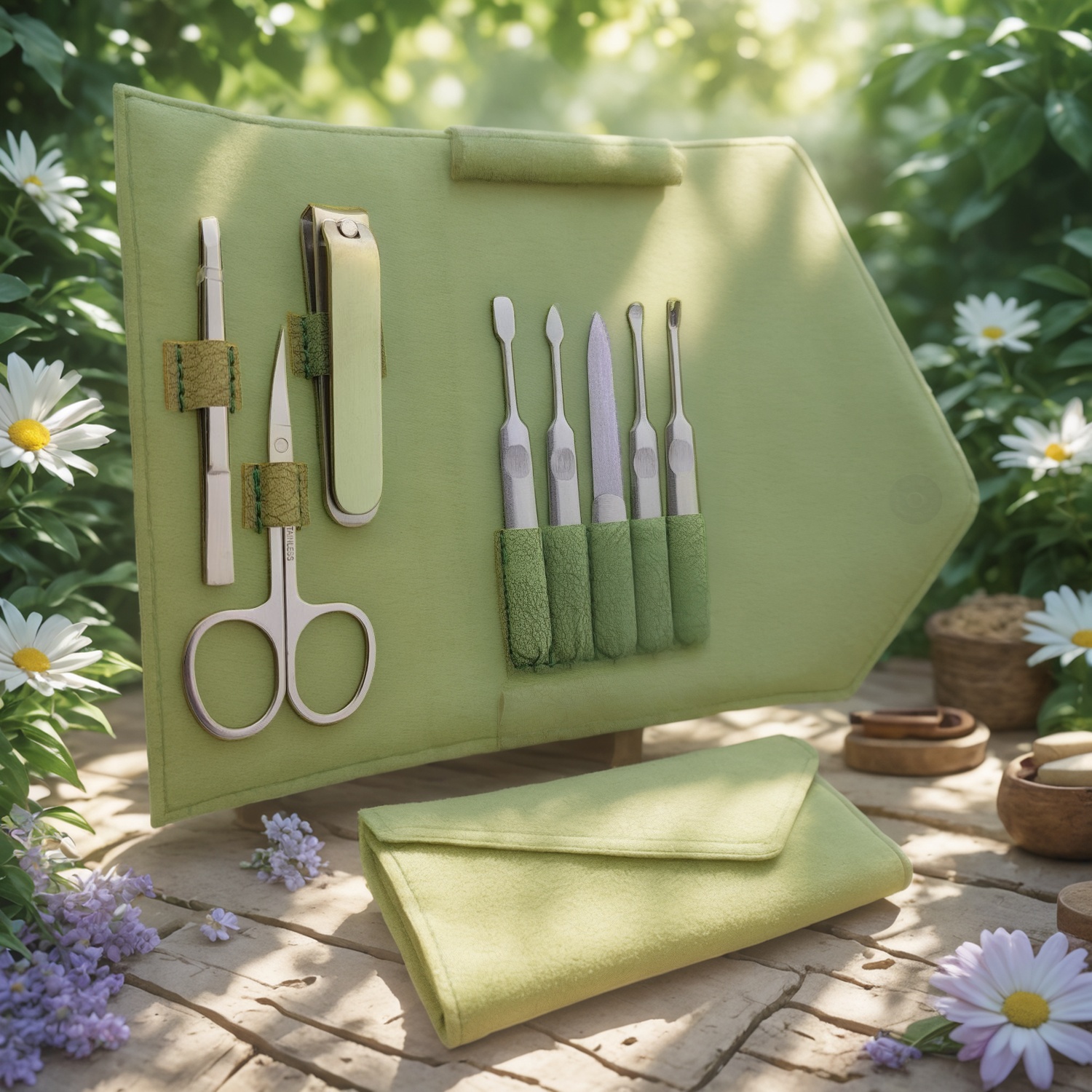
Before comparing factories, define exactly how the tools will be used. A manicure tool sold in a consumer gift set has different expectations from a grooming tool used repeatedly in a salon. A compact travel kit requires secure storage and smooth packaging, while a professional-focused set needs durability, easy cleaning and a reliable hand feel.
Clarifying the use case helps you avoid vague sourcing conversations. Instead of asking for “premium tools,” prepare a simple product brief. Include the intended user, selling channel, expected retail positioning, tool types, packaging format and any brand requirements. This does not mean you need complete technical drawings from the start. It means the manufacturer can respond with relevant options rather than generic catalog suggestions.
Useful questions to answer internally include:
- Will the tools be sold individually, in sets or as part of a larger beauty kit?
- Are you targeting salon professionals, retail consumers, travel customers or promotional buyers?
- Is the priority cost control, custom appearance, long service life or a balanced combination?
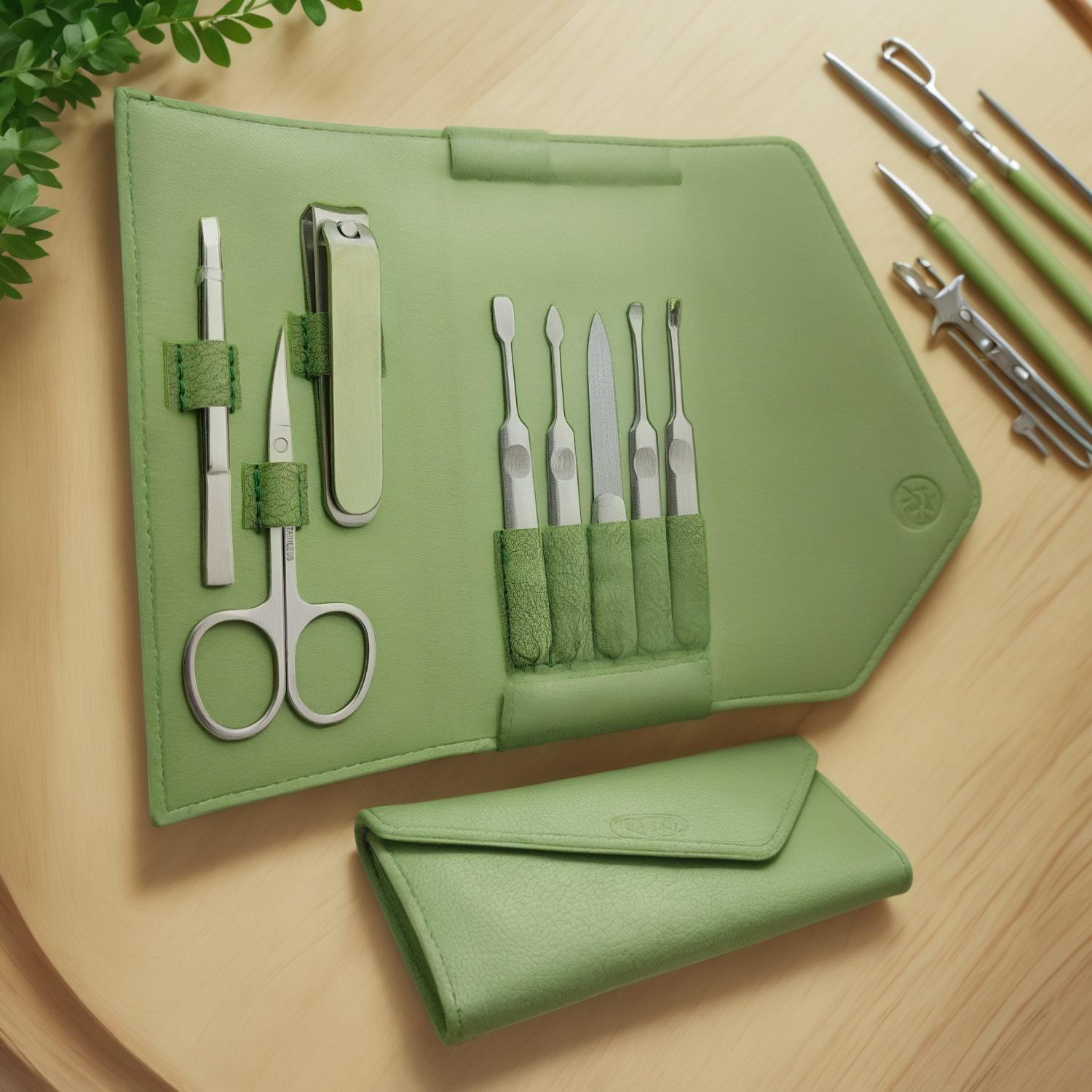
- Do you need vegan manicure tools wholesale options, including non-leather cases or cruelty-free packaging materials?
- Will the product be reordered consistently, or is this a limited seasonal project?
Off-the-Shelf Wholesale Tools Versus Custom-Crafted Designs
One of the first choices is whether to source existing wholesale items or develop a customized product. Off-the-shelf tools can be practical when speed, simplicity and lower development complexity matter. Existing styles often allow buyers to review samples quickly, compare finishes and move toward purchasing with fewer design decisions.
Custom-crafted tools offer more room for differentiation. A brand may want a particular surface finish, handle shape, case color, packaging presentation or set composition. Customization can also support clearer brand positioning because the product does not look identical to competitors using the same generic catalog item.
The best choice depends on your stage of business. New brands often begin with selected wholesale grooming tools to validate demand, then invest in customization after identifying customer preferences. Established brands may need custom development from the beginning to maintain visual consistency across a wider product line. You can explore Olimor’s broader beauty tool products to understand common product directions before narrowing your specification.
| Option | Best For | Key Considerations |
|---|---|---|
| Off-the-shelf wholesale tools | Fast launches, product testing, simple replenishment | Check consistency, finish quality, packaging compatibility and whether the style is widely available to competitors. |
| Semi-custom tools | Brands that need visual identity without full development | Review logo placement, color options, case materials and packaging layout before confirming production. |
| Fully custom-crafted tools | Distinctive brand lines, premium sets, specialized user needs | Prepare drawings, reference samples or detailed briefs; allow time for sampling, adjustment and approval. |
Material Quality Should Be Checked Beyond the Product Description
Material selection affects durability, appearance and customer satisfaction. The original supplier description may mention premium materials such as high-grade stainless steel, which is commonly valued for precision and longevity in grooming and manicure tools. However, buyers should evaluate more than the material name. The way a tool is shaped, polished, joined and finished matters just as much as the base material.
For cutting or trimming tools, examine whether edges are clean, aligned and suitable for the intended use. For pushers, tweezers or similar accessories, check whether contact surfaces feel smooth and controlled. For handles, consider grip comfort, balance and whether the tool can be used safely when hands are slightly damp or when the user is working quickly.
Packaging and cases should also be part of the material review. If your brand requires vegan manicure tools wholesale, the inspection should cover not only the tool itself but also cases, wraps, inserts and decorative components. Vegan positioning can be weakened if the accessory materials do not match the claim. A responsible sourcing process checks the complete product presentation, not just the main metal item.
How to Evaluate a Beauty Tools Supplier in China
Many buyers search for a beauty tools supplier China because the region has broad manufacturing resources and experience with export-oriented beauty accessories. The challenge is not finding suppliers; it is identifying one that can meet your required balance of quality, consistency, communication and customization.
When evaluating a manufacturer, compare evidence rather than only promises. A polished catalog is useful, but samples, inspection routines and communication habits reveal more about future cooperation. Notice whether the supplier asks practical questions about your target market and product use. A capable partner should be able to discuss options, limitations and production considerations without pushing every buyer toward the same solution.
A practical supplier review can include the following steps:
- Request representative samples. Review finish, edge quality, packaging fit and consistency across multiple pieces.
- Compare standard and custom options. Ask what can be changed in appearance, packaging or set composition without assuming every detail is flexible.
- Review material and packaging choices. Confirm whether the options support your retail positioning and any vegan or cruelty-free requirements.
- Discuss quality control checkpoints. Look for a process that includes raw material review, in-process checks and final packaging approval.
- Test communication clarity. Reliable answers, careful documentation and realistic timelines are important for avoiding mistakes.
If you are preparing a new sourcing project, Olimor’s product collections can help you compare product formats and set ideas before submitting a brief.
Quality Control: What Professional Buyers Should Inspect
Quality control for beauty tools should be specific and observable. A general claim such as “salon quality” is not enough by itself. Buyers should define the characteristics that matter for each tool type and review them before approving an order.
For metal grooming tools, check surface smoothness, edge symmetry, alignment, corrosion resistance expectations, ease of cleaning and overall finish. For multi-piece sets, confirm that all tools fit securely in the case and that the packaging protects them during shipping and handling. For branded goods, inspect logo placement, print sharpness, color consistency and whether the final packaging matches the approved artwork.
Internal quality control should cover several stages. Raw material inspection helps prevent obvious mismatches before production. In-process review identifies polishing, shaping or assembly issues early. Final inspection verifies that the finished product, accessories and packaging meet the approved standard. This structured approach is especially important when a brand is building a repeat product line and cannot afford visible variation between batches.
Customization Decisions That Actually Help a Brand
Customization should serve a clear purpose. Adding unusual colors or decorative details without considering user experience can increase complexity without improving the product. Strong custom decisions usually support brand recognition, user comfort, merchandising or practical storage.
Examples of meaningful customization include a tool set curated for a specific routine, a case designed for organized travel, a finish that matches the brand’s visual identity or packaging that clearly explains tool use. For professional audiences, subtle ergonomic refinements may matter more than bold decoration. For retail gifting, presentation and set completeness may carry more weight.
Before approving a custom design, consider whether it can be produced consistently and reordered later. A product that looks impressive in one sample but is difficult to repeat may create problems when scaling. Keep records of approved samples, artwork files, packaging layouts and agreed product details so future orders can be checked against the same reference.
Making the Final Manufacturer Decision
The right manufacturer is the one that matches your business model, not simply the one with the longest catalog or the lowest quote. For a fast market test, a reliable wholesale option may be the best route. For a differentiated private label line, custom development and stronger quality documentation become more important. For ethical or vegan positioning, material and packaging choices must be reviewed together.
When comparing suppliers, weigh product quality, customization ability, communication, sample accuracy, packaging support and quality control discipline. A partner focused only on volume may be suitable for basic commodity tools, but beauty brands that depend on trust need a manufacturer that understands precision, presentation and repeatability.
If you are sourcing grooming tools, manicure accessories or customized beauty tool sets, prepare a clear brief with your intended market, preferred product type and packaging expectations. To discuss options with Olimor Beauty, you can send an inquiry or contact Olimor with your project details. A well-prepared conversation helps turn product ideas into tools that are practical, consistent and aligned with your brand’s standards.
Tag: