

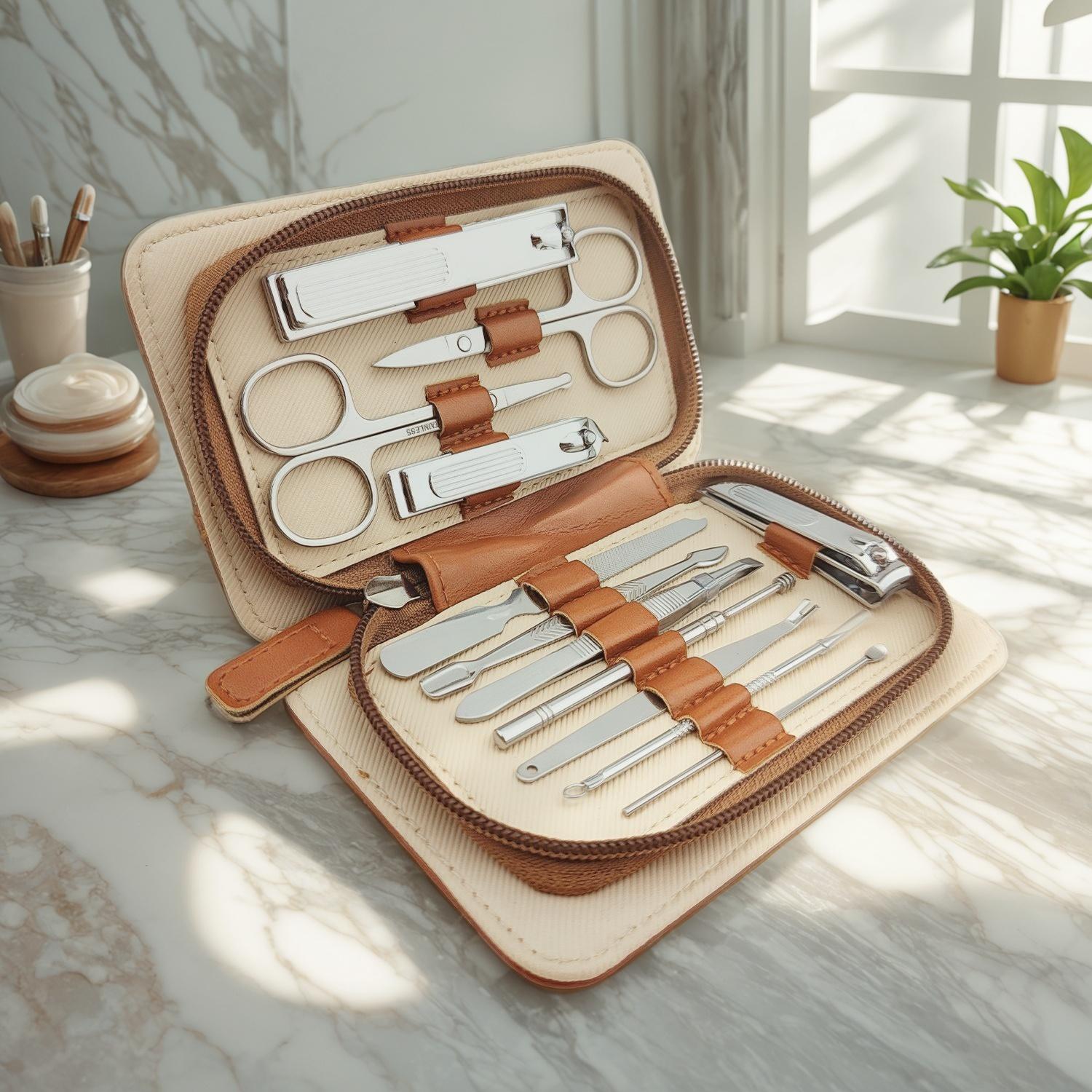
Custom Beauty Tools for Precise, Retail-Ready Grooming Kits
Custom beauty tools are purchased for many different reasons: a retailer may need a compact manicure set for travel buyers, a salon supplier may want durable instruments for daily service, and a private-label brand may be building a giftable grooming kit with a polished look. In each case, the goal is the same: tools that feel precise in the hand, perform consistently, and arrive in packaging that matches the intended market.
For buyers comparing a custom beauty tools manufacturer, the best decision is rarely based on appearance alone. A shiny tool can still have rough edges, loose alignment, or a case that wears too quickly. The more reliable approach is to evaluate the full kit: tool selection, material, finish, grip comfort, case construction, vegan-friendly options, and quality control before shipment.
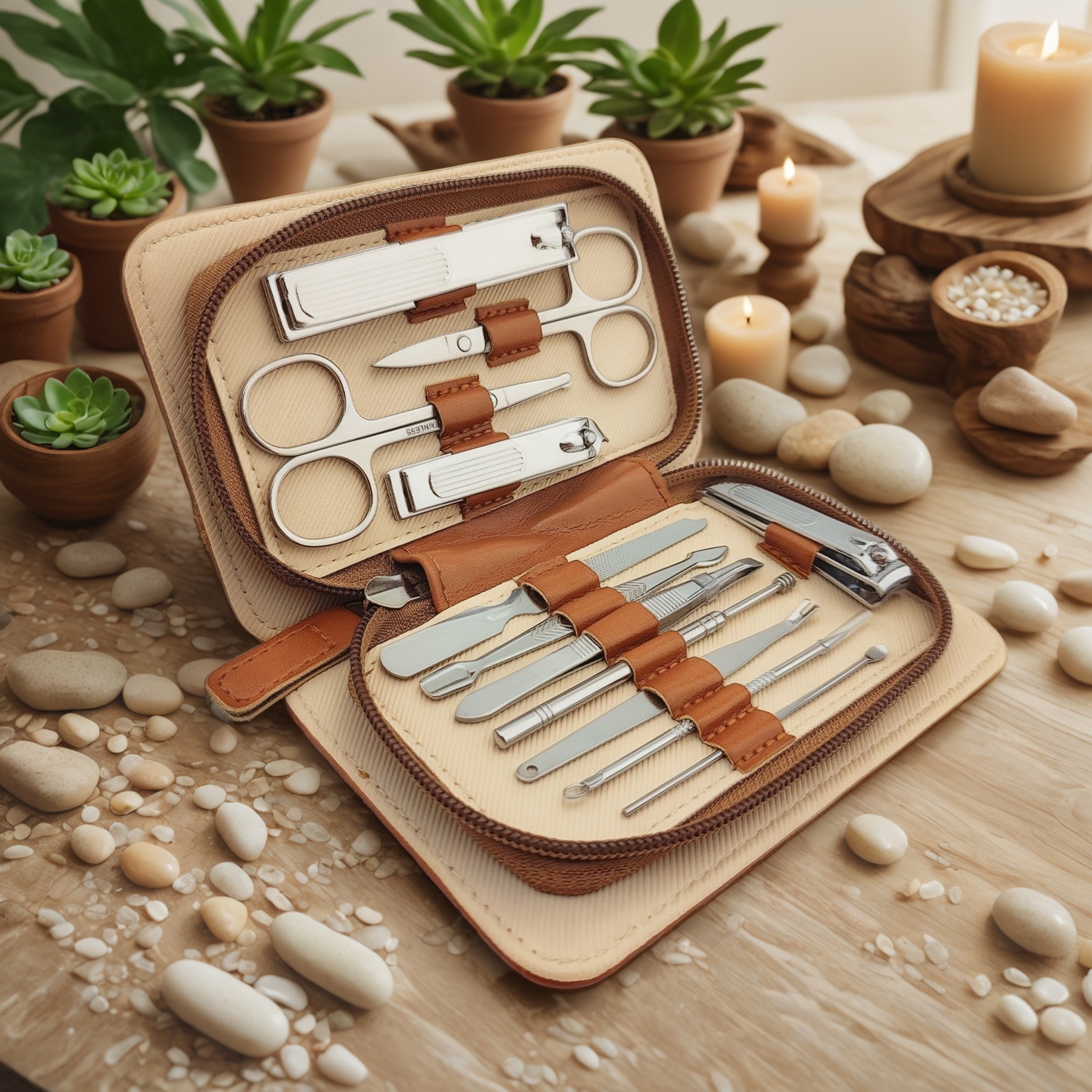
What a Custom Grooming Kit Needs to Do Well
A good grooming kit should solve everyday personal care needs without making the user search for separate instruments. For a manicure or pedicure set, that usually means trimming, shaping, tidying cuticles, and handling small detail work. For a broader grooming set, it may also include tweezers, scissors, and other precision tools.
The most successful kits are planned around a clear use case. A travel kit should be compact, secure, and easy to pack. A home grooming kit can include a wider range of tools because storage space is less limited. A gift set needs a clean presentation and a case that looks appropriate for the price point. A professional or salon-facing set should put extra emphasis on durability, easy cleaning, and comfortable handling over long periods of use.
Before reviewing design options, define the buyer and the setting. This helps prevent overbuilding the kit with tools that look impressive but are rarely used. It also helps avoid underbuilding a set that cannot perform the basic grooming tasks customers expect.
Choosing the Right Tool Mix
Custom beauty tools should be selected for function first. Nail clippers, cuticle trimmers, scissors, tweezers, and specialized detail tools all have different requirements. Clippers need clean cutting edges and stable leverage. Tweezers need accurate tip alignment. Scissors need smooth opening and closing. Cuticle tools require careful edge finishing because they contact delicate skin around the nail.
When planning a set for wholesale or private-label use, buyers can use the following checklist to narrow the tool mix:
- Core grooming tasks: Identify whether the set is mainly for manicure, pedicure, facial grooming, travel, or gifting.
- User skill level: Home users often prefer familiar, easy-to-control tools, while trained professionals may want more specialized instruments.
- Kit size: A smaller set can feel more premium when every tool has a clear purpose; a larger set should avoid duplicate functions.
- Storage design: Each tool should have a secure position in the case so edges are protected during shipping and daily use.
- Retail presentation: Consider whether the opened kit immediately communicates value, order, and easy usability.
Buyers can review related categories through Olimor Beauty’s beauty tool products to compare common tool types and kit formats before finalizing a custom direction.
Material, Finish, and Handling Details
Material choice has a direct effect on tool performance. The original expectation for high-quality grooming tools is durability, clean finishing, and resistance to rust during normal use. Stainless steel is a common material choice for manicure and grooming instruments because it can support long-term use when properly manufactured and maintained.
However, material name alone does not prove quality. Buyers should also evaluate the way the tool is formed, polished, sharpened, assembled, and packed. Edges should be functional without feeling rough. Handles should not have burrs or sharp seams. Moving parts should feel controlled rather than loose. The surface finish should match the product positioning, whether the goal is understated, modern, or gift-oriented.
| Decision area | What to evaluate | Why it matters |
|---|---|---|
| Cutting edges | Clean trimming, even contact, no visible chips | Reduces pulling, splitting, and user frustration |
| Tool alignment | Tweezer tips, clipper jaws, and scissors meet correctly | Improves precision for small grooming tasks |
| Surface finish | Smooth polish, consistent color, no rough burrs | Supports comfort and a better retail impression |
| Case fit | Tools sit firmly in place without rattling excessively | Protects tools during storage, travel, and shipping |
| Packaging | Layout, labeling area, and protection during transit | Helps the final product arrive retail-ready |
Vegan Manicure Tools and Modern Case Options
Many beauty buyers now consider animal-derived materials when developing grooming accessories. Vegan manicure tools wholesale demand is connected to broader consumer interest in cruelty-free and modern beauty products. For tool kits, the most visible decision is often the case material. Synthetic leather cases can provide a refined look while avoiding animal-derived leather.
When choosing a vegan-friendly direction, buyers should consider the entire user experience rather than focusing only on the word “vegan.” The case should open smoothly, hold tools securely, resist premature cracking under normal handling, and suit the target price point. Stitching, lining, closure type, and the way each tool is mounted inside the case all influence perceived quality.
If a brand is positioning a manicure kit as vegan or cruelty-free, the claim should be supported by a clear material specification and consistent sourcing approach. Keep records of case materials, linings, adhesives, and decorative components used in production. This is especially important for brands selling through retailers or online marketplaces where product claims may be reviewed closely.
Quality Control Questions Before Ordering
A custom beauty tools project should include inspection points before mass production and before final shipment. The goal is to catch problems while they are still easy to correct. Even a small issue, such as a loose clipper lever or uneven tweezer tip, can create negative reviews if repeated across a batch.
Useful quality control questions include:
- Do all tools match the approved sample in shape, size, finish, and function?
- Are cutting tools sharp enough to perform properly but finished safely for consumer use?
- Do tweezers meet evenly at the tip without gaps or twisting?
- Are case slots, elastic bands, or holders secure enough to keep tools in place?
- Is the outer case free from obvious scratches, stains, glue marks, or uneven stitching?
- Does the packaging protect the kit from movement and surface damage during shipping?
- Are labels, inserts, and any brand elements placed correctly and consistently?
These checks are especially important for high-quality grooming tools wholesale because the buyer’s brand reputation depends on consistency, not only on the sample shown during development.
Care Guidance That Improves the End-User Experience
Even well-made tools need proper care. Including simple care guidance can reduce misuse and help customers get better results from the kit. Instructions do not need to be complicated, but they should be practical and easy to follow.
For stainless steel grooming tools, users should wipe instruments after use, keep them dry before storing, and avoid leaving them in damp bathrooms for extended periods. Cutting edges should not be used on materials outside their intended grooming purpose, as this can dull or damage them. Tools with moving parts should be handled carefully rather than forced open or closed. Cases should be kept clean and dry, especially if they use synthetic leather or fabric linings.
For retail brands, a small insert card with care tips can be valuable. It improves the unboxing experience and helps customers understand how to maintain the set. Clear care instructions are also useful for travel kits, where tools may be packed and unpacked frequently.
Planning a Custom Beauty Tools Project with Olimor Beauty
Working with a custom beauty tools manufacturer is easier when the project brief is specific. Instead of beginning with only a general request for a “manicure set,” prepare details such as target customer, expected kit size, preferred case style, color direction, tool list, packaging format, and any vegan material requirements. If the design is for retail, include where the product will be sold and how it should be displayed.
Olimor Beauty supports buyers looking for practical grooming tools, manicure kits, and custom presentation options. To explore related categories, visit the product collections. If you already have a kit concept, drawings, reference samples, or packaging requirements, you can send an inquiry with the key details for review. For general sourcing questions or project discussion, use contact Olimor.
The strongest custom grooming kits combine precise tools, durable materials, thoughtful case construction, and a clear understanding of the customer. By evaluating function, finish, vegan-friendly options, and inspection standards early, buyers can develop beauty tools that are useful in daily routines and credible in a competitive retail market.
Tag: