

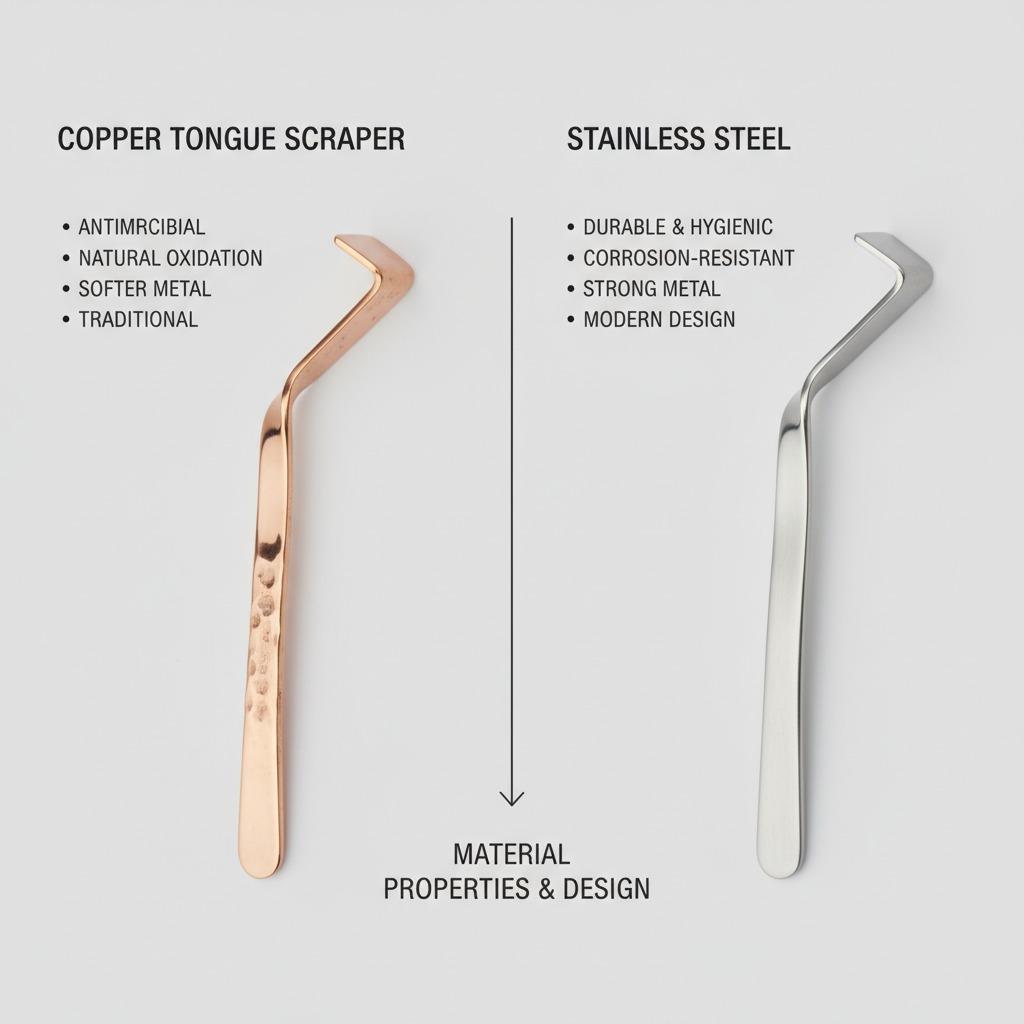
Copper vs Stainless Steel Tongue Scraper: Which Material Makes More Sense?
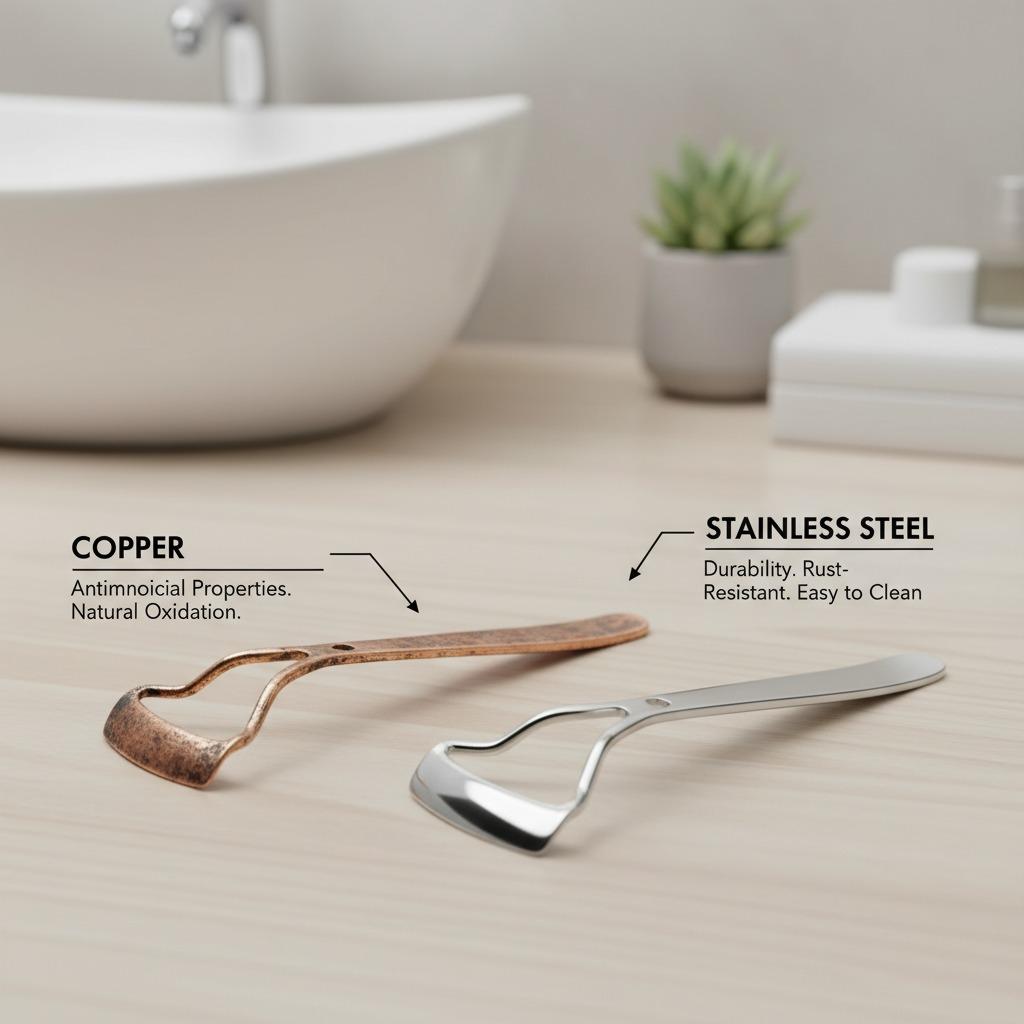
A tongue scraper is a simple oral care tool, but the material choice matters more than many buyers expect. Copper and stainless steel are two of the most common options, and both can be shaped into effective scrapers. The better choice depends on how the tool will be used, how often it will be cleaned, whether it will be sold as a personal care product, and what level of durability the user expects.
For consumers, the question is usually practical: which scraper feels comfortable, cleans well, resists corrosion, and stays easy to maintain? For brands, salons, spas, distributors, and oral care buyers, the decision also includes manufacturing consistency, packaging, sourcing, and after-sale expectations. This guide compares copper and stainless steel tongue scrapers in a realistic way, without treating one material as perfect for every situation.
What a Tongue Scraper Material Needs to Do
A tongue scraper works by gently removing surface coating, residue, and debris from the tongue. It should not feel sharp, rough, or unstable in the hand. Because it is used inside the mouth, the material should be easy to rinse, smooth along the contact edge, and resistant to damage during normal cleaning.
The most important selection factors are:
- Surface smoothness: The scraping edge should glide across the tongue without catching or scratching.
- Shape retention: The tool should keep its curve and tension after repeated use.
- Cleaning convenience: Daily rinsing and periodic deeper cleaning should be simple.
- Corrosion resistance: The material should tolerate moisture and bathroom storage conditions.
- Comfort: Handles and edges should suit different mouth sizes and grip preferences.
- Manufacturing consistency: For commercial purchasing, each piece should feel and perform similarly.
These factors are useful whether you are buying one personal tool or comparing beauty tool products for a retail or private-label oral care range.
Copper Tongue Scrapers: Traditional Appeal and Maintenance Demands
Copper has a long history in personal care tools, and many users like it because it feels traditional and visually distinctive. It is often associated with oral hygiene routines and is commonly selected by people who prefer a warmer-colored metal over the cooler look of stainless steel.
One reason copper attracts attention is its natural antimicrobial reputation. However, that does not remove the need for proper cleaning. A copper tongue scraper still contacts saliva, toothpaste residue, and bathroom humidity, so it should be rinsed after each use and dried before storage. Buyers should not treat the material itself as a replacement for hygiene habits.
The main drawback of copper is that it is a softer metal than stainless steel. Depending on the design and thickness, a copper scraper may bend more easily, especially if it is packed loosely in a travel bag or pressed too hard during use. Copper can also tarnish, changing color over time. Some users enjoy that natural patina, while others prefer a tool that keeps a more consistent appearance.
For commercial sourcing, copper may also require more careful attention to surface finishing and packaging presentation. If the product arrives with visible oxidation or inconsistent color, customers may assume it is used or poorly stored, even when the material behavior is normal. Clear care instructions are especially important for copper tongue scrapers.
Stainless Steel Tongue Scrapers: Practical Strength for Daily Use
Stainless steel is widely used for personal care and grooming tools because it balances strength, cleanability, and a stable appearance. In the context of a tongue scraper, stainless steel is especially practical for users who want a tool that can be rinsed, dried, stored, and reused daily with minimal fuss.
A stainless steel tongue scraper generally offers better shape retention than a softer copper tool. That matters because scraping performance depends on controlled pressure and a consistent curve. If the scraper bends unevenly, the user may apply more pressure than needed or miss areas of the tongue. A stable metal helps the tool remain predictable over time.
Stainless steel also tends to suit travel and shared household storage better. It is less likely to show tarnish, and it usually fits the expectations of users who already own stainless steel grooming tools such as tweezers, scissors, nail tools, and skin care accessories. For buyers building a coordinated oral care or beauty accessory line, stainless steel may integrate more easily with other metal tools in the same range.
That said, material alone is not enough. A good stainless steel scraper still needs rounded edges, a comfortable handle area, and careful finishing. A poorly finished stainless steel scraper can feel harsh, while a well-finished one can feel smooth and controlled. When reviewing product options, focus on edge quality and hand feel as much as the metal name.
Copper vs Stainless Steel: Side-by-Side Comparison
The table below summarizes the practical differences most users and buyers should consider before choosing a tongue scraper material.
| Selection Factor | Copper Tongue Scraper | Stainless Steel Tongue Scraper |
|---|---|---|
| Daily maintenance | Needs rinsing, drying, and attention to tarnish | Usually easy to rinse, dry, and store |
| Appearance over time | May darken or develop patina | Typically keeps a more consistent metal finish |
| Shape retention | Softer; may bend depending on design | Generally stronger and more stable |
| User perception | Traditional, distinctive, natural-looking | Clean, modern, practical, familiar |
| Travel convenience | May need extra protection from bending or surface change | Often better suited to regular travel storage |
| Commercial range planning | Requires clear care instructions and quality checks for color consistency | Works well with many beauty and grooming tool assortments |
How to Choose Based on Use Case
The right material depends on the person or customer group using the tool. A wellness-focused consumer who enjoys traditional materials may prefer copper and accept the extra cleaning attention. A frequent traveler, retailer, or salon buyer may prefer stainless steel because it is easier to present, maintain, and pair with other oral care accessories.
For personal use, choose stainless steel if you want a low-maintenance scraper that keeps its shape and appearance with straightforward care. Choose copper if you value the traditional look and do not mind tarnish management. In both cases, avoid pressing too hard. A tongue scraper should remove surface buildup gently; excessive force can cause discomfort regardless of material.
For business purchasing, stainless steel often has the advantage when consistency is the priority. Buyers comparing product collections should consider whether the tongue scraper will be sold alone, bundled with other oral care tools, or included in a travel hygiene set. Stainless steel is usually easier to position in a broad beauty tool assortment because it matches many existing grooming products.
Buyer Checklist for Sourcing Tongue Scrapers
When comparing tongue scraper options, do not stop at the material description. Review the complete product experience from first touch to long-term care. A scraper that looks attractive online may still fail if the edge is uncomfortable or the handle feels flimsy.
- Check edge finishing: The scraping surface should be smooth, rounded, and free from burrs.
- Assess flexibility: The tool should flex enough for comfort but not deform during normal use.
- Review handle comfort: Finger contact points should feel secure, especially when wet.
- Consider packaging protection: Metal tools should be protected from scratches, bending, and contamination during transit.
- Prepare care instructions: Include simple directions for rinsing, drying, and storage.
- Match the target customer: Wellness customers may respond to copper; practical daily users may prefer stainless steel.
- Evaluate assortment fit: Choose a finish and design that align with nearby oral care or beauty tools.
If you are planning a product range and need to compare material, finish, or packaging direction, you can contact Olimor with your project requirements or send an inquiry for product discussion.
Cleaning and Storage Tips for Longer Tool Life
Good care makes any tongue scraper more pleasant to use. After each use, rinse the scraper under clean water to remove residue. Dry it with a clean towel or allow it to air-dry in a ventilated area. Avoid leaving it wet in a sealed pouch immediately after use, because trapped moisture can affect both hygiene and appearance.
For stainless steel, routine cleaning is typically simple. A mild soap rinse may be used when needed, followed by thorough drying. For copper, pay closer attention to discoloration and follow appropriate cleaning practices for copper tools. Do not use harsh abrasives on either material if they can roughen the surface that touches the tongue.
Storage also matters. Keep the scraper away from loose sharp tools that could scratch it. If it is used for travel, a pouch or case can help protect the shape and keep it separate from cosmetic items, razors, or nail tools. A clean, dry scraper is easier to use consistently, and consistency is what makes tongue scraping a useful part of daily oral care.
Final Recommendation: Practicality Favors Stainless Steel
Both copper and stainless steel can be used for tongue scrapers, but they serve different priorities. Copper offers traditional appeal and a distinctive look, yet it requires more attention to tarnish, surface care, and bending risk. Stainless steel is the more practical choice for many daily users because it is durable, easy to clean, travel-friendly, and visually consistent over time.
For individual buyers, the best tongue scraper is the one you will use gently and clean regularly. For brands and retailers, stainless steel is often easier to manage across production presentation, customer education, and assortment planning. Material choice should always be paired with good design: smooth edges, comfortable grip, stable shape, and clear care guidance are what turn a simple metal tool into a reliable oral care product.
Tag: