

Choosing a Beauty Tools Manufacturer for OEM Grooming Quality
For beauty brands, salons, retailers, and grooming product distributors, choosing the right beauty tools manufacturer is not only a purchasing decision. It affects product performance, user safety, customer reviews, repeat orders, and the long-term reputation of the brand printed on the package. A tool that feels balanced, cuts cleanly, grips securely, or fits comfortably in the hand communicates quality before the customer reads a single claim.
Olimor Beauty works with beauty and personal care brands that need dependable OEM manufacturing support for grooming instruments and related tools. The goal is not to make a product look impressive only in a catalog; the tool must remain practical in everyday use, withstand handling, and support a consistent grooming experience. Whether a buyer is planning a compact tool range or reviewing an existing supplier relationship, the evaluation should focus on design accuracy, production discipline, ethical standards, and transparent communication.
What a Reliable Beauty Tools Manufacturer Should Deliver
A capable manufacturer should understand that beauty tools are personal-use products. They are held close to the skin, used repeatedly, and often judged by small details: edge feel, hinge movement, surface smoothness, weight balance, and packaging condition. These details depend on more than final inspection. They depend on how the product is designed, how raw materials are selected, how components are processed, and how each stage is controlled.
When evaluating an OEM personal care tools supplier, look for evidence of a structured production approach. The manufacturer should be able to discuss the product’s intended user, hand feel, functional requirements, appearance expectations, and packaging goals before production begins. A buyer should also expect clear sampling steps, realistic feedback on manufacturability, and an organized method for confirming details before bulk production.
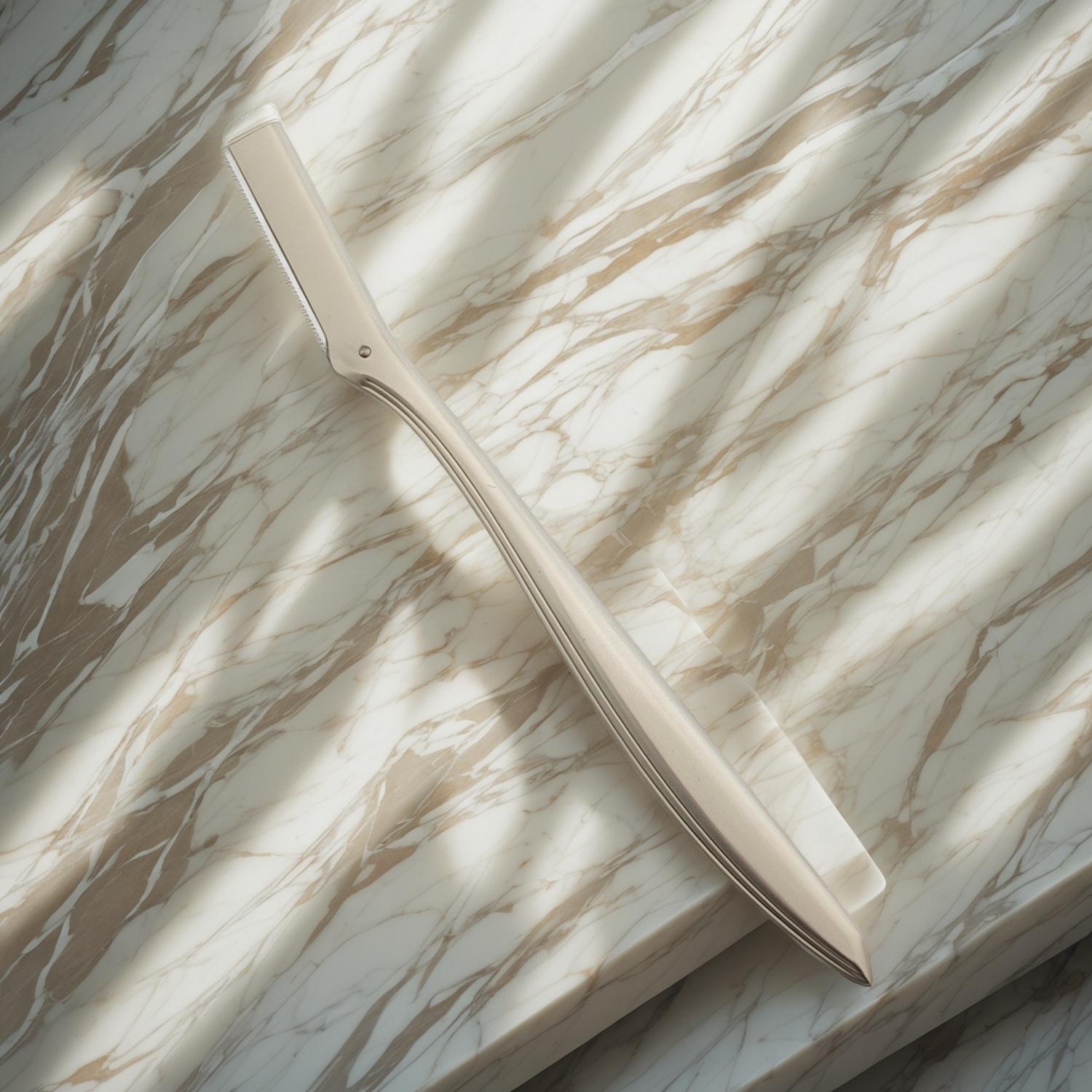
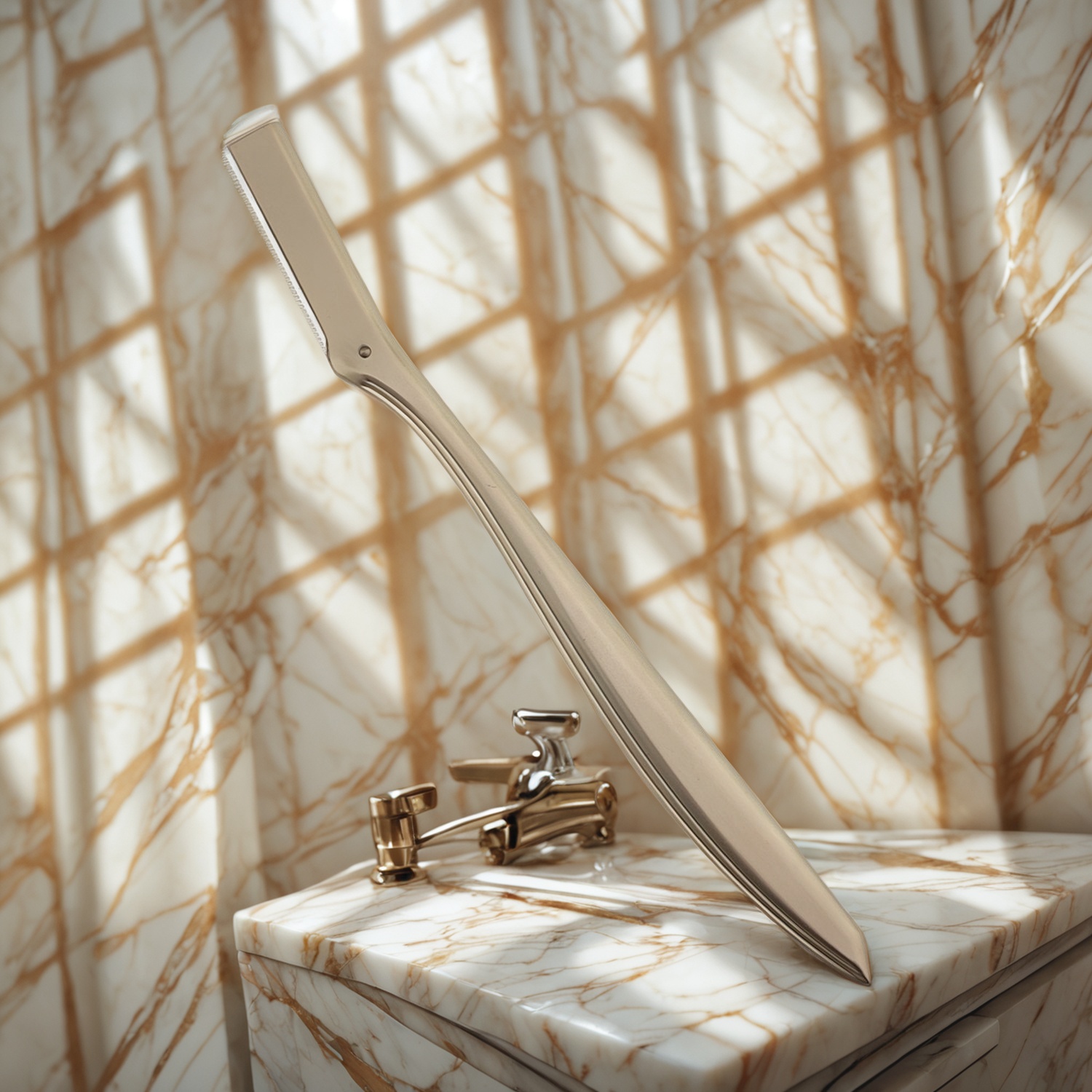
Olimor Beauty’s manufacturing perspective is built around precision and consistency. Products such as the Ikiru Stainless Steel Japanese Hair Razor demonstrate the kind of design considerations many grooming tool buyers look for: an ergonomic form for control, a clean minimalist appearance, and a focus on practical use. For OEM projects, this same thinking is important even when the final product shape, finish, or packaging is customized for a different brand identity.
Design Details That Influence Daily Grooming Performance
Beauty tools often succeed or fail because of design details that are easy to overlook during sourcing. A product may look acceptable in a photo but feel awkward in the hand. A handle may appear sleek but become slippery. A cutting or grooming edge may seem sharp at first but lack consistency across production. A hinged tool may function well in a sample and then vary during mass production if tolerances are not controlled.
Before approving a beauty tool design, buyers should consider the actual use case. Is the tool intended for professional salon work, home grooming, travel kits, retail gift sets, or brand sampling programs? Each use case may require a different balance between durability, weight, size, finish, and packaging. For example, a professional user may prioritize control and repeatable performance, while a retail customer may notice surface finish, storage protection, and visual presentation first.
Useful design checkpoints include:
- Grip and balance: The tool should feel stable during use without unnecessary hand strain.
- Functional consistency: Edges, joints, tips, and contact points should perform predictably from unit to unit.
- Surface comfort: Areas touched by the hand should be smooth and free from rough finishing issues.
- Cleaning practicality: The shape should not create avoidable dirt traps or difficult-to-clean recesses.
- Packaging fit: The tool should be protected during transport without excessive movement inside the package.
These points are especially important for brands developing tools intended to sit alongside skincare, hair care, nail care, or grooming accessories. A well-designed tool supports brand trust because customers can feel the difference immediately.
Quality Control From Material Sourcing to Final Packaging
Quality assurance should not be treated as a single step at the end of production. By the time a finished product reaches final packaging, many of the most important quality outcomes have already been determined. A reliable beauty tools manufacturer should control material selection, component processing, assembly, finishing, inspection, and packing as connected stages.
For buyers, the practical question is not simply whether a factory performs inspections. The better question is whether the manufacturer understands which inspection points matter for the specific product. A tweezer, razor, brush accessory, grooming tool, or manicure implement may each require different evaluation criteria. The inspection plan should reflect the way the end user will actually handle the item.
The following table can help purchasing teams compare potential suppliers without relying only on appearance or price:
| Evaluation Area | What to Review | Why It Matters |
|---|---|---|
| Material control | Raw material suitability, surface condition, and consistency | Material variation can affect durability, finish, and user confidence. |
| Sample approval | Shape, grip, finish, packaging fit, and functional performance | A documented sample reduces misunderstandings before production. |
| Process control | Cutting, forming, polishing, assembly, and finishing steps | Consistent processes help reduce variation between units. |
| Final inspection | Appearance, function, cleanliness, labeling, and packing | Final checks protect the customer experience and reduce avoidable complaints. |
| Communication | Clear feedback on limitations, timelines, and required confirmations | Transparent communication helps brands make better sourcing decisions. |
At Olimor Beauty, strict internal quality controls are part of the production cycle, from raw material sourcing through final packaged product approval. For brand owners, this matters because dependable quality is what allows a tool to be reordered, expanded into new collections, and trusted by customers over time.
OEM Customization Without Losing Practical Function
OEM beauty tool manufacturing often involves customization: shape adjustments, finish preferences, packaging formats, logo placement, and product presentation. Customization can help a brand create a clear identity, but it should never compromise practical function. The most successful OEM projects usually begin with a clear brief that explains both the desired appearance and the performance expectations.
When preparing an OEM request, include the target retail channel, user profile, expected product positioning, and any reference samples that explain the preferred hand feel or finishing direction. It is also useful to define which elements are flexible and which are essential. For example, a brand may be flexible on packaging insert style but strict about tool balance, surface smoothness, or minimalist appearance.
Buyers exploring OEM options can review Olimor’s broader beauty tool products to understand available product directions and category possibilities. For teams comparing multiple product types or planning a coordinated range, the product collections page can help organize ideas before preparing an inquiry.
A good OEM supplier should also be willing to discuss manufacturability. Some design concepts look attractive but may be difficult to produce consistently, may increase finishing risk, or may create packaging challenges. Early technical feedback helps avoid costly changes later. The purpose of OEM collaboration is not to accept every idea without review; it is to turn a brand concept into a reliable product that customers can use with confidence.
Cruelty-Free Values and Responsible Product Decisions
Beauty customers increasingly care about how products are made, not only how they perform. As a cruelty-free beauty tools manufacturer, Olimor Beauty recognizes that ethical expectations are part of modern beauty sourcing. For buyers, cruelty-free positioning should be handled carefully and honestly. Product claims, packaging language, and marketing descriptions should match the nature of the product and the brand’s overall compliance approach.
Responsible sourcing also includes avoiding exaggerated claims. If a specification, certification, or test result is important for a market, it should be confirmed through the appropriate documentation before it appears in sales materials. This is especially relevant for brands selling through retailers, online marketplaces, professional channels, or international distributors. Clear and accurate product information protects both the buyer and the end customer.
Ethical sourcing decisions can also include packaging choices, product longevity, and replacement frequency. A durable tool that performs consistently may reduce customer frustration and unnecessary returns. Packaging that protects the product properly can prevent damage before the item ever reaches the user. These practical decisions support responsible business even when they are not visible in a headline claim.
Questions to Clarify Before Starting an OEM Beauty Tool Project
A productive sourcing conversation begins with specific questions. Instead of asking only for a quote, buyers should define what success looks like for the finished tool. This helps the manufacturer provide more useful guidance and helps the buyer compare options fairly.
- Who is the end user? Define whether the tool is for professional use, daily home grooming, travel, gift sets, or retail starter kits.
- Which functions are most important? Identify whether control, precision, durability, compactness, or appearance is the main priority.
- What level of customization is required? Clarify whether you need logo application, packaging design, finish changes, shape development, or a full OEM concept.
- What sample approval steps are needed? Decide who will review the sample and which details must be confirmed before production.
- How will the product be sold? Consider packaging strength, labeling needs, online presentation, and retail display requirements.
- What quality concerns have appeared in past projects? Share previous issues such as inconsistent finish, weak packaging, poor hand feel, or functional variation.
These questions help prevent vague expectations. They also create a better foundation for timelines, sampling, packaging review, and final production approval. If your team is ready to discuss a specific grooming tool or OEM personal care tool idea, you can send an inquiry with project details or contact Olimor for guidance on the next step.
Why Manufacturing Discipline Protects Your Brand
A beauty tool carries your brand into the customer’s hand. If it feels comfortable, works smoothly, and arrives in good condition, it supports trust. If it feels poorly finished or inconsistent, the customer may question the entire brand, even if the issue came from a supplier choice rather than the brand’s own team.
Choosing a manufacturer for excellence means looking beyond a low initial cost or a polished product photo. It means reviewing design thinking, production controls, ethical positioning, packaging discipline, and communication quality. Olimor Beauty focuses on combining practical tool performance with refined appearance, helping brands develop grooming products that are useful, reliable, and aligned with modern beauty expectations.
For buyers building a new beauty tool line or improving an existing one, the best supplier relationship is collaborative and detail-oriented. With the right manufacturing partner, a grooming tool can do more than fill a product slot. It can become a dependable part of the customer’s daily routine and a quiet proof point for the quality of your brand.
Tag: