

How to Choose the Right Tweezers Supplier for Your Salon
For salon owners, spa buyers and beauty-tool distributors, tweezers are small items with a large impact on service quality. A tweezer that does not grip cleanly, feels awkward in the hand or arrives with inconsistent finishing can slow down treatments and create unnecessary replacement costs. Choosing a tweezers supplier is therefore not only a purchasing task; it is part of building a dependable tool system for everyday salon work.
Olimor Beauty supplies professional beauty tools including Stainless Steel Precision Tweezers for wholesale salon supplies. When evaluating whether a supplier is the right fit, buyers should look beyond a product photo and compare material selection, tip alignment, ergonomic feel, quality control, packaging and the supplier’s ability to support repeat orders. This guide explains what to check before you commit to a supplier, especially if you are buying for salons, spas, beauty retailers or manicure tool kits.
Why Tweezers Deserve Careful Supplier Selection
Tweezers are used in detailed, close-contact services where control matters. In salons, they may be used for brow shaping, hair removal, lash-related preparation, nail art placement, small grooming tasks and organizing fine beauty accessories. Because they are handled frequently, a poor-quality tweezer becomes obvious quickly. The grip may slip, the tips may not meet evenly, or the tool may feel too stiff during repeated use.
For a single-user retail purchase, one imperfect tool is inconvenient. For a salon or wholesale buyer, inconsistent tweezers can affect training, service rhythm and customer perception across multiple workstations. That is why the supplier decision should be based on repeatable quality rather than only a low unit price.
A reliable supplier should make it easier to maintain stock continuity, assemble professional kits and match tools to the services your customers actually provide. If you are reviewing broader options, Olimor’s beauty tool products page is a useful starting point for understanding how tweezers may fit alongside other salon tools.
Material and Build: What to Check in Stainless Steel Tweezers
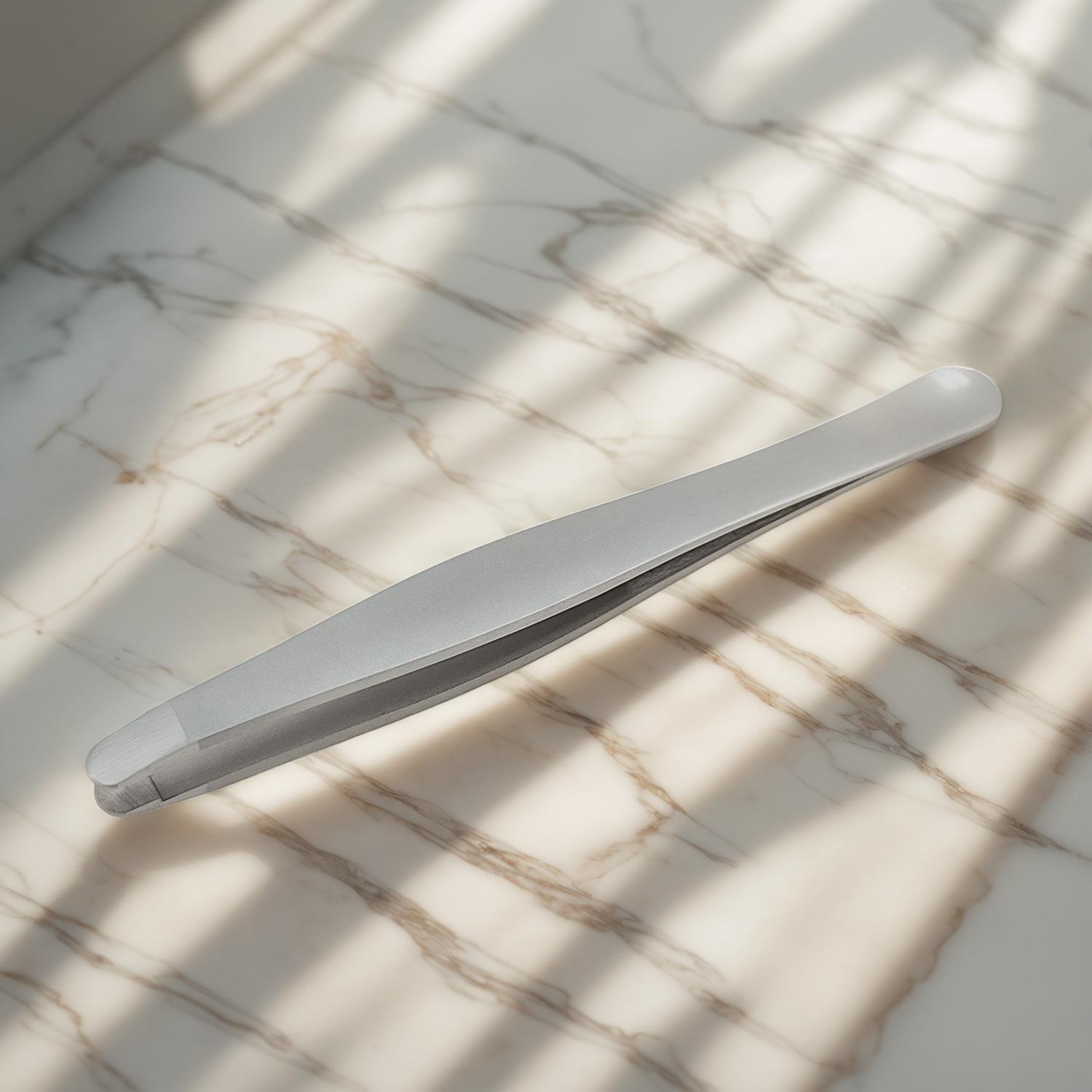
The original product focus for this page is stainless steel precision tweezers. Stainless steel is commonly chosen for professional tweezers because it supports durability and repeated cleaning routines when handled correctly. However, the phrase “stainless steel” alone is not enough to judge whether a tool is appropriate for salon use. Buyers should examine the whole construction.
First, inspect the tweezer body. The arms should be symmetrical, with smooth edges and a clean surface finish. Rough edges can be uncomfortable for technicians and may suggest poor finishing control. The tension should feel balanced: firm enough to return to shape, but not so stiff that it causes hand fatigue during repeated work.
Second, inspect the tips. The tips are the working area of the tool, and alignment is critical. When closed gently, both sides should meet evenly. Misaligned tips can fail to grip fine hairs or delicate items, even if the rest of the tool appears polished. If you are comparing samples from several suppliers, test each tweezer on the same type of fine material so the comparison is fair.
Third, consider the intended use. A tweezer for brow services may not be the same as one selected for nail art placement or general salon preparation. The most efficient wholesale program usually includes a clear decision about tool type, not simply “tweezers” as a broad category.
Ergonomics and Daily Salon Performance
Ergonomic design is an important factor when selecting professional beauty tools suppliers. In a salon, a tool may be used dozens of times per day. Even a slight discomfort in tension, grip angle or surface texture can become noticeable over a full schedule.
When evaluating samples, ask the people who will actually use the tweezers to test them. A purchasing manager may focus on appearance and cost, while technicians will quickly notice whether the arms spring back cleanly, whether the grip area is comfortable and whether the tips give enough control. This practical feedback is valuable before placing a larger wholesale order.
For salon operations, consistency across units also matters. If every tweezer feels different, staff may avoid certain tools or spend time searching for the one that works best. A professional supplier should support a more predictable experience so that tools can be assigned to stations, kits or retail displays with confidence.
Quality Control Questions for Wholesale Buyers
Olimor Beauty emphasizes internal quality control, with product inspection from raw materials to packaging. For buyers, this type of process is important because many tweezer issues appear only when multiple units are compared side by side. A single sample may look acceptable, but a wholesale shipment must be consistent enough for professional use.
Before approving a supplier, create a simple inspection checklist. This helps your team compare products objectively instead of relying only on visual appeal.
- Tip alignment: Do both sides meet evenly without twisting or visible gaps?
- Grip performance: Can the tweezer hold fine items securely with light pressure?
- Arm tension: Is the resistance comfortable for repeated salon use?
- Surface finish: Are edges smooth, clean and suitable for professional handling?
- Consistency: Do multiple units from the same batch feel and perform similarly?
- Packaging condition: Are tools protected well enough for storage, shipping and distribution?
- Fit for kit assembly: Can the tweezers be organized easily with manicure kits or other salon tools?
This checklist does not require laboratory testing. It is a practical buyer’s method for identifying visible and functional issues before they become service problems. For larger sourcing plans, you can also send an inquiry to discuss product needs, packaging expectations and order planning.
Matching Tweezers to Salon, Spa and Distributor Needs
Different buyers need different sourcing strategies. A brow-focused salon may prioritize tip precision and technician comfort. A spa purchasing department may want tweezers that can be stocked consistently across multiple service rooms. A distributor may need products that fit into broader wholesale manicure kits for spas or professional beauty tool assortments.
If you are building a kit, think about how the tweezers will sit beside other tools. The goal is not simply to add one more item; it is to create a useful set that supports real service workflows. For example, manicure tools wholesale buyers may select tweezers for nail art placement, small accessory handling or general preparation tasks. In that case, the tweezer should be evaluated for control and consistency, not only for hair removal use.
Retail presentation is another consideration. If tweezers are sold through a beauty counter or included in a tool set, finishing and packaging become part of the customer’s first impression. For professional back-bar use, durability and repeat performance may matter more than decorative appearance. A good supplier conversation starts with the end use, not with a generic product list.
How to Compare Suppliers Without Relying Only on Price
Price is important in wholesale purchasing, but it should be weighed against quality stability, communication, inspection standards and product fit. A lower unit cost may not save money if more items are rejected, replaced or left unused by technicians. Likewise, a premium-looking tweezer is not automatically better if the tips do not align consistently.
Use a structured comparison when reviewing suppliers:
- Define the use case. Decide whether the tweezers are for brow service, nail work, retail resale, salon station supply or professional kits.
- Request suitable samples. Test samples in realistic conditions and compare more than one unit where possible.
- Check consistency. Review tension, finish and tip alignment across the sample group.
- Review supplier process. Look for clear quality-control habits, not vague promises.
- Consider packaging and storage. Tools should arrive protected and be easy to organize.
- Plan repeat purchasing. Choose a supplier that can support ongoing salon or distributor demand with consistent expectations.
This approach gives salon buyers a practical framework. It also helps purchasing teams avoid comparing unrelated products. A precision tweezer for professional work should be judged by how it performs in the hand, how reliably it grips and how consistently it can be supplied.
Maintaining Tweezers After Purchase
Even high-quality tweezers need proper handling. Maintenance should be part of the buying decision because salons must protect tools after they arrive. Store tweezers so the tips are not bent or knocked against harder instruments. Avoid dropping them, as even a small impact can affect tip alignment. Keep tools clean according to your salon’s hygiene procedures and make sure they are fully dry before storage.
Staff training also helps extend tool life. Technicians should avoid using precision tweezers as general prying, scraping or opening tools. Using a tweezer outside its intended purpose can damage the tips and reduce accuracy. If your salon stocks multiple tweezer types, label storage areas clearly so staff can choose the correct tool for each task.
Building a Long-Term Wholesale Relationship
The best tweezers supplier for your salon is one that can support the way your business actually operates. That may mean dependable stainless steel precision tweezers for daily services, tools that fit into manicure sets, or a consistent wholesale source for distributors serving salons and spas. Olimor Beauty focuses on professional beauty tools with attention to ergonomic design and internal quality control, making supplier evaluation easier for buyers who need reliable tools rather than one-time purchases.
Before finalizing your decision, compare product samples, confirm the intended use and review how the supplier manages quality from materials to packaging. If you are expanding beyond tweezers, explore Olimor product collections to see how related beauty tools can support a more complete salon supply plan. For specific purchasing questions or sourcing discussions, you can also contact Olimor.
Choosing the right tweezers supplier is ultimately about reducing uncertainty. When the material, finish, ergonomics and quality-control process are aligned with salon needs, your tools become easier to manage, easier to reorder and more dependable in daily professional use.
Tag: