

Choosing the Right Nail Clippers Supplier for Bulk Nail Care Tools
Nail clippers look simple, but buyers know that small differences in blade alignment, spring tension, surface finish and packaging can decide whether a product feels dependable or disposable. For retailers, distributors, beauty brands, salons and promotional product buyers, choosing the right nail clippers supplier is not only about price. It is about repeatable quality, practical customization, clear communication and the ability to support your market’s expectations.
This guide explains how to evaluate a nail clippers supplier for bulk purchasing and OEM personal care tool projects. It focuses on the real questions that affect product performance: material choice, durability, cutting precision, finish consistency, inspection practices and packaging readiness. If you are comparing options for a current sourcing project, you can also review Olimor’s broader beauty tool products to understand how nail care tools fit within a complete grooming assortment.
Start with the intended market and use case
A reliable sourcing decision begins with the buyer’s actual selling channel. A nail clipper for a pharmacy counter, a travel grooming kit, a salon retail display and a private-label beauty brand may all require different priorities. Before comparing suppliers, define the conditions in which the tool will be sold and used.
For everyday retail, consistency and safe cutting performance matter more than decorative features. For gift sets, finish quality and packaging presentation become more important. For professional or salon-oriented sales, buyers may pay closer attention to grip comfort, tool balance and how cleanly the clipper cuts thicker nails. For e-commerce, product appearance, packaging protection and low complaint rates are especially important because customers cannot test the tool before purchase.
A supplier who understands these differences can help narrow the discussion. Instead of asking only for a general nail clipper price, prepare a short product brief. Include the target customer, preferred finish, packaging format, expected order size, branding needs and whether the tool will be sold alone or as part of a set. This makes the comparison between suppliers clearer and reduces misunderstandings later.
Evaluate durability beyond a simple material claim
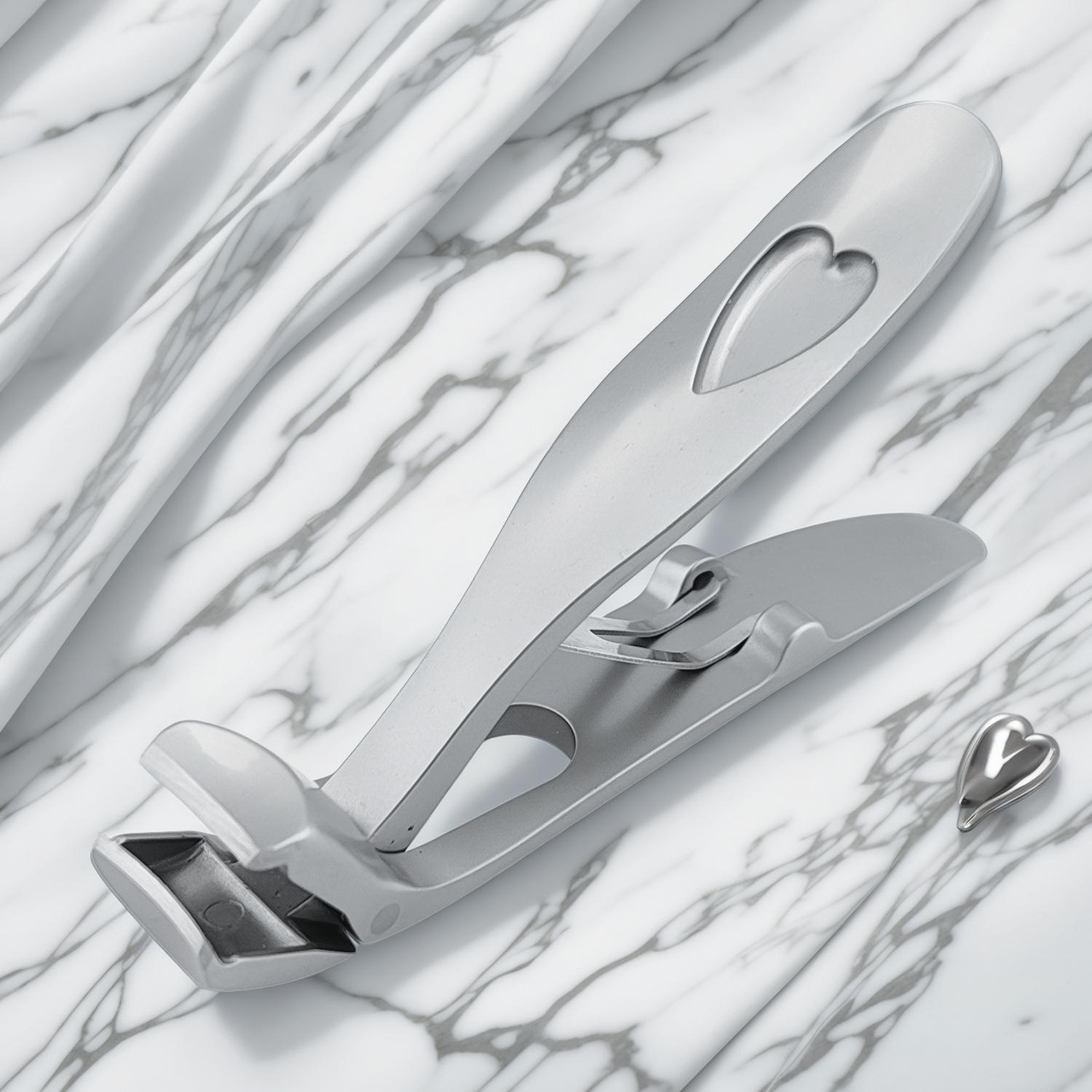
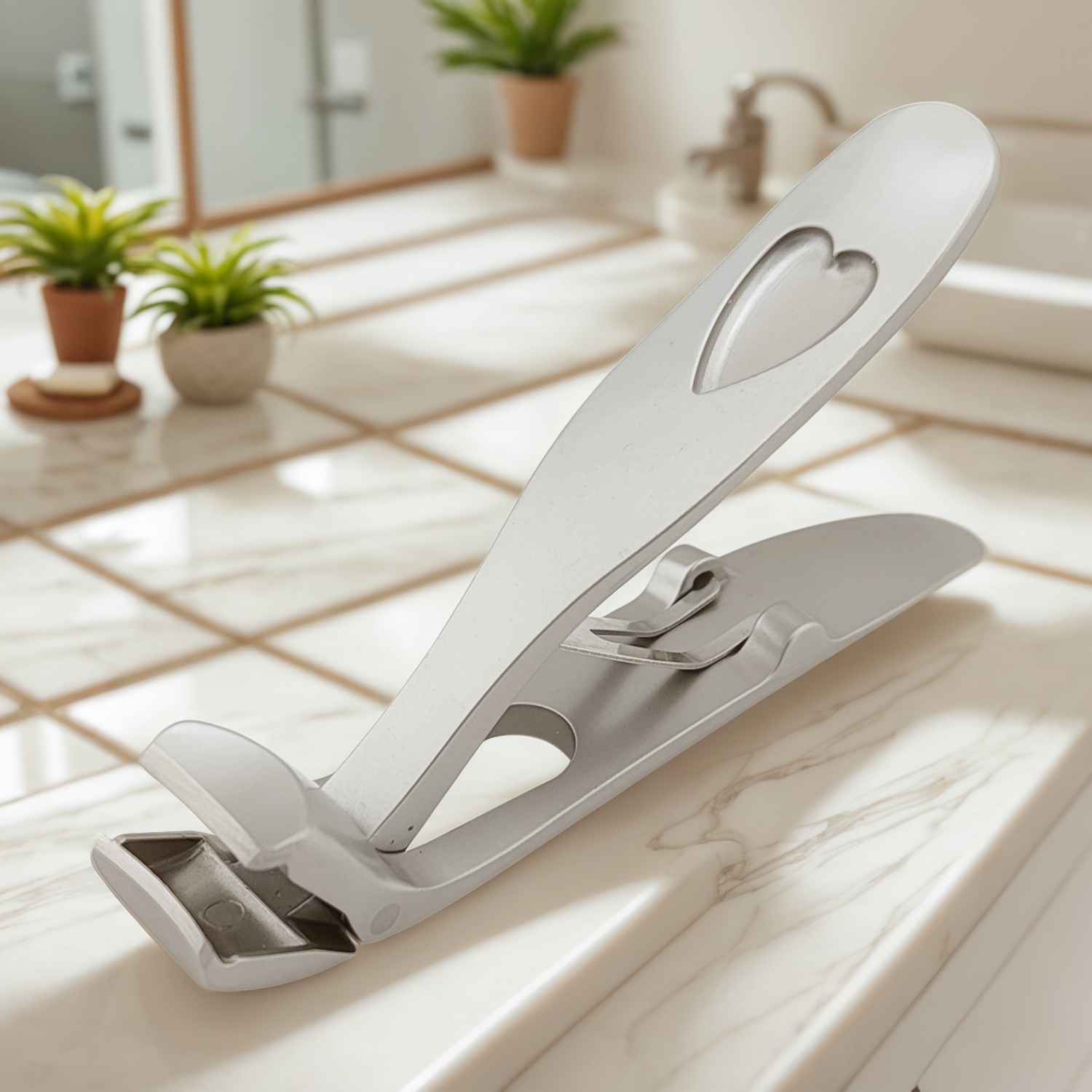
Durable nail care tools are often associated with stainless steel, and the original product reference mentions a Heart-Touch Precision Nail Clipper made from high-grade stainless steel. That is a useful starting point, but buyers should look beyond the material name. A strong nail clipper also depends on the thickness of the metal, the design of the lever, the hinge fit, the cutting edge geometry and the consistency of finishing after production.
When reviewing samples, check whether the clipper opens and closes smoothly without wobbling. The lever should feel stable, not loose or overly stiff. The cutting edges should meet evenly from side to side. If there is a visible gap, misalignment or rough edge, the clipper may tear rather than cut cleanly. Surface finishing also matters. A well-finished tool should not have sharp burrs around the lever, file area, jaw or handle edges.
Bulk buyers should also consider how the product will hold up during storage and shipping. Stainless steel can resist wear better than low-quality alternatives, but poor cleaning, finishing or packaging can still cause issues. If the nail clippers will be shipped in humid conditions or stored for long periods, packaging protection and surface treatment become part of the durability conversation.
Use a sample checklist before committing to bulk orders
Samples are the most practical way to compare suppliers. A photograph cannot fully show cutting feel, grip comfort or hinge performance. When samples arrive, test them in a structured way so the decision is based on evidence rather than first impression.
- Blade alignment: Confirm that the cutting edges meet evenly and do not cross, bend or leave a gap.
- Cutting performance: Test on different nail thicknesses if appropriate for your market. The cut should be clean and controlled.
- Lever action: The lever should move smoothly and return to position without rattling or feeling unstable.
- Edge safety: Check for burrs, rough corners or uncomfortable pressure points on the hand.
- Surface finish: Look for scratches, uneven polish, discoloration or inconsistent coating.
- Packaging fit: Make sure the clipper is secure in its packaging and does not shift in a way that could scratch or damage it.
- Branding area: If OEM customization is needed, confirm that the available logo area suits your design.
It is useful to test multiple pieces, not just one perfect sample. If a supplier can provide a small set of samples for review, compare them for consistency. A single good tool is encouraging; several consistent tools are more meaningful for bulk buying.
What OEM support should include for personal care tools
Partnering with an OEM personal care tools supplier can help buyers create products that match a particular retail position or brand identity. OEM support may involve logo placement, packaging development, color or finish preferences, and assortment planning. However, customization should not distract from the basic performance of the tool. A beautifully packaged nail clipper that cuts poorly will not create repeat customers.
For OEM projects, start by separating non-negotiable requirements from preferences. Non-negotiable items might include safe edges, stable cutting action, packaging that protects the product, and a finish appropriate for your market. Preferences may include a specific package style, display format or decorative treatment. This distinction helps both buyer and supplier focus on what must be controlled first.
Olimor Beauty is positioned as a supplier of grooming tools with attention to precision and care, and the supplied product information references quality inspection from raw materials to final packaging. For a sourcing project, buyers can translate that into practical checkpoints: material review, in-process appearance checks, assembly inspection and final packaging review. If you need to discuss a customized nail clipper or a broader beauty tool program, you can send an inquiry with your product brief.
Compare suppliers with sourcing questions that reveal capability
The best sourcing questions are specific enough to reveal how a supplier works. Broad questions such as “Is the quality good?” usually produce broad answers. Instead, ask about the details that affect your project.
| Buying concern | Useful question to raise | Why it matters |
|---|---|---|
| Cutting consistency | How is blade alignment checked before packaging? | Misalignment is one of the most common causes of poor user experience. |
| Finish quality | What surface finish options are available for this type of clipper? | Finish affects appearance, hand feel and retail positioning. |
| OEM branding | Where can a logo or brand mark be applied on the tool or packaging? | Branding must be visible without interfering with tool function. |
| Packaging | What packaging formats are suitable for bulk shipping or retail display? | Packaging affects protection, presentation and logistics. |
| Assortment planning | Can the nail clipper be paired with other grooming tools? | Sets can improve perceived value when the tools are matched correctly. |
These questions help you judge whether a supplier is thinking only about a single item or can support a complete purchasing plan. If you are building a coordinated range, browse Olimor’s product collections to consider how nail clippers may fit alongside other personal care tools.
Packaging and presentation can change the buying decision
For bulk nail care tools, packaging is not just decoration. It protects the product, communicates value and supports the sales channel. A nail clipper sold in a simple practical package may be suitable for value retail, while a more polished box or carded presentation may be better for beauty stores, gift sets or online sales.
Consider how the customer will discover the product. In a physical store, clear product visibility and concise benefit messaging can help shoppers make a quick decision. Online, packaging must survive shipping and still look presentable when the customer opens the parcel. For distribution, carton strength and product stability inside the package can reduce handling damage.
OEM buyers should also think about compliance wording, barcode placement, multilingual labeling needs and whether the packaging design leaves enough room for brand identity. Even when exact specifications are still undecided, an early packaging discussion prevents delays later in the project.
Maintenance guidance improves customer satisfaction
A good nail clipper should also be easy for the end user to maintain. Including simple care guidance on packaging or product inserts can reduce complaints and help customers keep the tool in better condition. The guidance does not need to be complicated: keep the clipper clean and dry, wipe it after use, store it away from moisture and avoid using it on unsuitable hard materials.
For sets that include multiple grooming tools, maintenance advice becomes even more useful. Customers may not know that nail clippers should not be left wet in a bathroom drawer or tossed loosely with abrasive items. Clear care instructions help protect the perceived quality of the product after purchase.
Make the final supplier decision with a balanced scorecard
Price matters, but it should be considered alongside sample quality, communication, OEM readiness and packaging suitability. A slightly lower unit cost can become expensive if the product creates returns, negative reviews or inconsistent retail presentation. A practical scorecard helps buying teams compare suppliers fairly.
- Review sample performance and consistency across several pieces.
- Confirm that the material, finish and cutting feel match your market position.
- Check whether the supplier can support your packaging and branding needs.
- Evaluate communication speed, clarity and willingness to discuss details.
- Consider how the nail clipper fits into your wider beauty or grooming assortment.
Choosing the right nail clippers supplier is ultimately about reducing risk while building a product customers will trust. Focus on the details users notice immediately: clean cutting, comfortable handling, safe finishing and packaging that arrives in good condition. For bulk sourcing or OEM personal care tool development, a clear brief and careful sample review will help you move from a generic purchase to a reliable nail care product plan. To discuss available options for your market, contact Olimor with your sourcing requirements.
Tag: