

Choosing a Global Tweezers Supplier for Precision, Cost Control, and OEM/ODM Reliability
For beauty brands, salon distributors, e-commerce sellers, and private-label buyers, tweezers may look like a simple product. In practice, they are one of the tools where small differences in manufacturing quality are immediately noticeable. A misaligned tip, weak tension, rough edge, or slippery finish can lead to poor grip, user frustration, and higher return rates. That is why choosing a global tweezers supplier should be based on more than the lowest unit price.
The right supplier should help you balance three priorities: consistent precision, commercially realistic pricing, and supply flexibility for standard wholesale or OEM/ODM tweezers. Olimor Beauty works with buyers who need beauty tools that can be evaluated carefully for fit, finish, handling, and packaging needs. If you are comparing options across markets, use the following criteria to make a more informed sourcing decision.

Why Tweezers Quality Is Harder to Judge Than It Looks
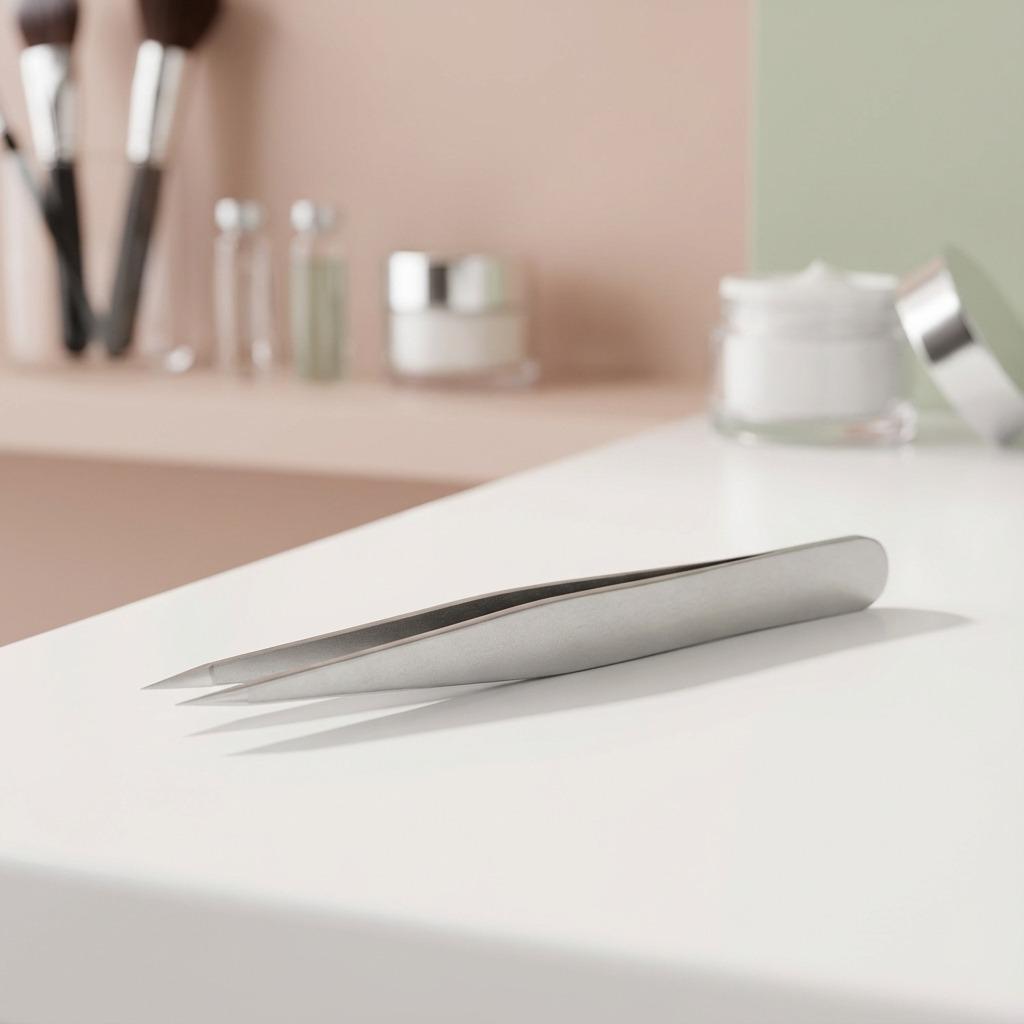
At first glance, many tweezers appear similar in photos: two arms, angled or pointed tips, and a polished or matte surface. The performance difference becomes clear only when the tool is used repeatedly. Precision tweezers must close evenly, grip fine hair without cutting it, and maintain tension after repeated use. For professional beauty applications, the tip geometry and alignment are more important than decorative appearance.
Low-cost products can be suitable for some entry-level retail programs, but very cheap wholesale tweezers often reduce cost by compromising areas buyers do not notice in a product photo. These may include inconsistent tip finishing, rough inner gripping surfaces, uneven spring tension, or coatings that do not provide comfortable handling. If the tool is difficult to control, users may apply too much force, which can cause hand fatigue during salon or brow-care services.
When reviewing a global tweezers supplier, avoid judging samples only by appearance. Test them for repeated gripping, smooth opening and closing, edge comfort, and packaging readiness. A supplier that understands beauty-tool performance should be able to support these checks before you commit to a larger purchase.
Comparing Global Tweezers Suppliers: Quality Versus Cost
Cost matters, especially for distributors and brands purchasing in bulk. However, the cheapest wholesale tweezers are not always the most profitable option after factoring in returns, negative reviews, replacements, and inconsistent batches. A better comparison looks at total value: what level of quality, finishing, inspection, and customization do you receive for the price?
Olimor Beauty’s tweezers offering includes titanium options referenced for precision and durability, including UltraFine Titanium Tweezers and Elite Titanium Precision Tweezers. Titanium is valued in beauty tools because it can support lightweight handling and corrosion resistance when properly manufactured. A matte finish can also improve grip and give the tool a cleaner professional appearance. These details matter when buyers want tools for salon-quality grooming, retail beauty kits, or branded accessory lines.
When comparing suppliers, request samples from each candidate and evaluate them under the same conditions. Use identical test tasks, such as gripping fine hair, picking up thin fibers, or checking how the tips meet under light pressure. A supplier offering a slightly higher unit cost may deliver better consistency, fewer defects, and stronger brand perception.
A Practical Buyer Checklist for Wholesale Tweezers
Before selecting a supplier, create a checklist that your purchasing, quality, and merchandising teams can use together. This helps prevent decisions based only on photos, price lists, or packaging mockups.
- Tip alignment: The tips should meet evenly without visible gaps or twisting.
- Grip performance: The tweezers should hold fine hair or thin fibers without slipping.
- Hand feel: The arms should open and close smoothly with balanced tension.
- Edge comfort: Outer edges should not feel sharp or rough against the hand.
- Surface finish: Matte, polished, or coated finishes should be even and free of obvious blemishes.
- Corrosion resistance expectations: For humid salon or bathroom use, material choice and finishing should match the intended market.
- Batch consistency: Multiple samples should perform similarly, not just one selected piece.
- Packaging compatibility: The tool should fit retail cards, pouches, boxes, or kits without damaging the tips.
- Branding options: If needed, confirm whether engraving, color, finish, or packaging customization is available.
This checklist is useful whether you are buying standard stock items, reviewing beauty tool products, or planning a private-label range.
When Cheap Wholesale Tweezers Make Sense—and When They Do Not
There are situations where low-cost tweezers can be appropriate. For example, a promotional kit, short-term event bundle, or basic entry-level retail set may not require premium materials. In these cases, the product still needs safe edges, acceptable alignment, and clean packaging, but the buyer may prioritize price and quantity over advanced finishing.
However, cheap wholesale tweezers become risky when the product carries your brand name and is expected to perform as a daily grooming tool. Brow users notice when tweezers cannot catch fine hair. Salon professionals notice when tension is too stiff or too loose. Retail customers notice when the finish scratches quickly or the tips arrive damaged. In these cases, a low purchase price can shift costs into customer service, replacements, and reduced trust.
The most effective sourcing strategy is not simply “buy the cheapest” or “buy the most expensive.” It is to match the tool level to the selling channel. A professional beauty kit, a salon distributor catalog, and a mass promotional pouch may each require a different cost-performance balance. Olimor Beauty can be considered by buyers comparing standard tweezers with OEM/ODM tweezers for different market positions.
OEM/ODM Tweezers: What Customization Should Cover
OEM/ODM tweezers are useful when a brand wants more than a generic tool. Customization may involve visible branding, such as engraving or packaging, but it should also include functional decisions. Tip shape, surface finish, handling feel, and retail presentation can all influence how the final product is perceived.
For beauty and grooming categories, common customization questions include whether the tweezers should have slanted, pointed, or other tip styles; whether the finish should be matte or polished; whether the tool should be sold individually or as part of a set; and whether packaging should support retail display or e-commerce shipping. The original product description references personalized designs, custom engravings, and varied tip shapes as part of OEM/ODM possibilities, which are relevant for private-label buyers building a differentiated product line.
OEM/ODM sourcing also requires clear approval steps. A good workflow includes confirming the sample, reviewing branding placement, checking packaging fit, approving pre-production details, and inspecting finished goods. This structure reduces misunderstandings and helps protect consistency across batches.
Inspection Points That Protect Your Brand
Inspection should not be limited to counting cartons. For tweezers, quality control should focus on the functional areas that affect user experience. The supplied product information highlights inspections from raw materials to packaging, which is the right direction for beauty-tool sourcing. Buyers should build their own acceptance criteria around the features that matter most to their market.
| Inspection Area | What to Check | Why It Matters |
|---|---|---|
| Tip closure | Even meeting point, no offset, no visible gap | Determines whether the tweezers can grip fine hair accurately |
| Tension | Smooth pressure, not too stiff or weak | Affects comfort during repeated use |
| Finish | Consistent surface, no rough areas or obvious defects | Influences handling, appearance, and perceived value |
| Branding | Logo position, engraving clarity, color consistency | Supports a professional retail presentation |
| Packaging | Secure fit, protected tips, clean labeling area | Reduces damage and supports shelf or online sales |
How to Shortlist the Right Supplier
A strong sourcing process starts with a defined product brief. State the target customer, intended retail channel, preferred finish, packaging type, and whether you need standard wholesale supply or OEM/ODM support. Then compare suppliers using samples and written specifications rather than price alone.
Review the supplier’s available product collections to understand whether their tool range fits your positioning. If you need private-label support, prepare artwork, packaging direction, and target use cases before you send an inquiry. This allows the supplier to respond with more relevant options and helps your team avoid repeated revisions.
For buyers still defining their product range, it can be useful to contact Olimor with practical questions about sample evaluation, packaging direction, and customization possibilities. Keep the conversation focused on measurable criteria: tip type, finish, grip performance, brand placement, and inspection requirements.
Final Sourcing Advice
Choosing a global tweezers supplier is a decision about brand reliability as much as procurement cost. The best supplier for your business is the one that can match your intended market: affordable enough for your sales model, precise enough for your users, and flexible enough for your packaging and branding needs.
Cheap wholesale tweezers may work for basic programs, but they should still pass essential checks for safety, alignment, and usability. For beauty brands and distributors that depend on repeat purchases and positive customer feedback, investing in better material selection, controlled finishing, and OEM/ODM planning can create stronger long-term value. By evaluating samples carefully and defining clear inspection standards, buyers can source tweezers that perform consistently and represent their brand well.
Tag: