

Choosing a Beauty Tools Manufacturer for Reliable Wholesale Supply
For salons, spas, retailers and beauty brands, choosing a beauty tools manufacturer is not only a purchasing decision. It affects how consistently a product performs, how confident clients feel using it, and how efficiently your business can maintain inventory. A tweezer, eyelash curler, manicure implement or skincare accessory may look simple, but the difference between an ordinary tool and a professional-grade tool is often found in small details: balance in the hand, smooth edges, material consistency, clean assembly and dependable packaging.
When sourcing spa personal care tools wholesale, buyers should look beyond appearance and compare manufacturers through a practical lens. The goal is to find tools that fit the intended user, match the retail or treatment setting, and can be supplied with predictable quality over time. Olimor Beauty focuses on beauty and personal care implements for professional and retail channels, including tools where comfort, durability and controlled finishing matter. The guide below explains how to assess a manufacturing partner without relying on vague claims or decorative product descriptions.
Start With the End User and Sales Channel
A reliable sourcing process begins with the people who will actually handle the tools. A spa technician may use the same implement many times each day, while a retail customer may prioritize ease of use, clear packaging and a comfortable first impression. A professional buyer should define the product role before comparing options from any personal care tools manufacturer in Asia.
For salon and spa use, tools should feel stable in the hand, tolerate repeated handling and support hygienic working habits. For retail beauty kits, the product needs to be intuitive, visually clean and suitable for packaging that explains its purpose clearly. For promotional or seasonal assortments, consistency across the batch is important because customers often compare several items side by side on a display.
Before requesting product recommendations, create a simple sourcing brief. Include the product category, intended user, expected price position, packaging style, quantity planning and any market requirements that apply to your region. A clear brief helps prevent mismatched samples and saves time during comparison.
What Separates a Professional-Grade Beauty Tool?
Professional-grade beauty tools are defined by repeatable function, not by decoration alone. In many categories, the user notices quality only after handling the tool: the grip feels natural, the edges are smooth, the hinge or spring moves evenly, and the contact points align correctly. These details are especially important for tools used around delicate areas such as the eyes, brows, nails or facial skin.
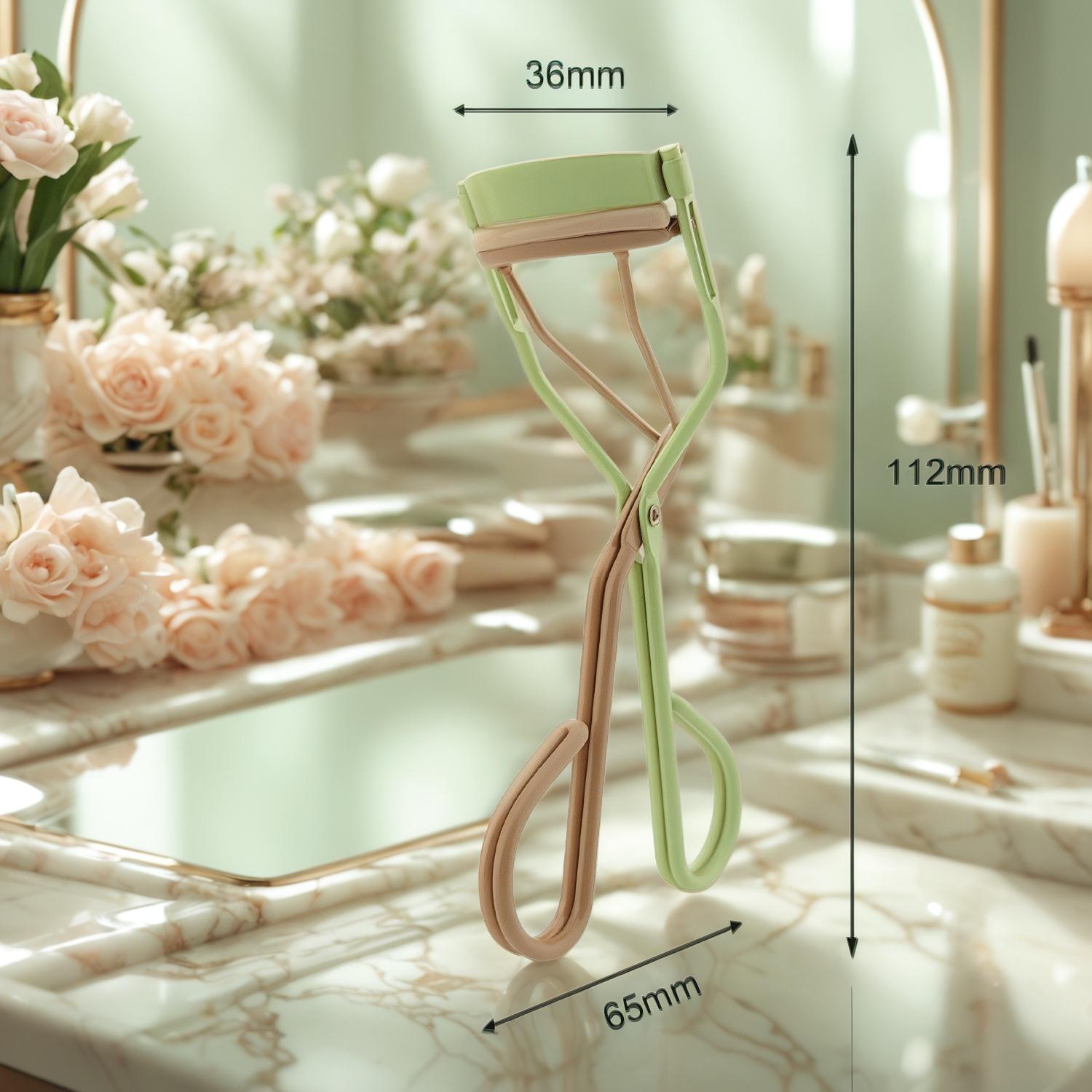
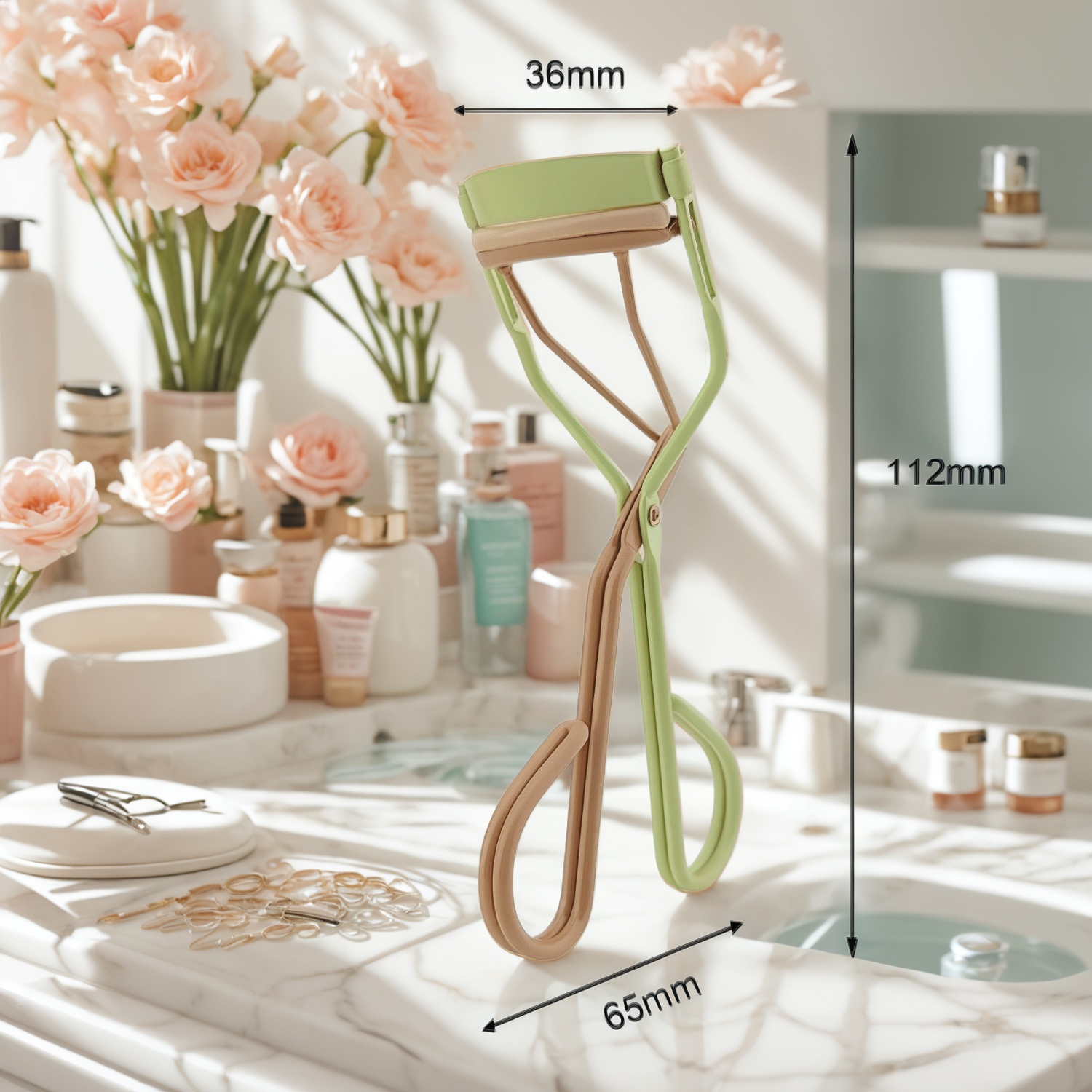
One example is the eyelash curler referenced in Olimor Beauty product development. Its useful qualities include an ergonomic design, high-quality steel construction and soft silicone pads designed to support a gentle but effective curl. Those features matter because an eyelash curler must combine control and comfort. A rigid frame that feels unstable, a poorly shaped handle or a pad that feels too harsh can affect both user confidence and the final result.
When comparing beauty tool products, examine both visible and functional details. A polished surface may look attractive, but it should also be free from sharp burrs. A silicone pad may look neat in packaging, but it should sit securely in place. A metal tool may feel durable, but the buyer should still check alignment, weight, opening and closing action, and whether the tool can be cleaned appropriately for its use case.
Quality Control Should Cover More Than the Final Product
A strong beauty tools manufacturer should not depend only on final inspection. Quality assurance is more reliable when it begins with incoming materials and continues through forming, assembly, finishing and packaging. The original product description notes that Olimor Beauty applies internal quality control from raw materials to final packaging. That type of full-process mindset is important because many tool problems begin before the final item is boxed.
For example, if a metal component varies in thickness, the tool may feel inconsistent. If a surface is not properly finished, the product may look uneven or feel uncomfortable. If a pad, handle insert or accessory component is not assembled cleanly, the customer may perceive the entire item as low quality even if the main structure is sound.
Buyers can use the following checklist when reviewing samples or discussing a potential wholesale order:
- Material feel: The tool should feel appropriate for its category, without flimsy movement, rough contact points or obvious surface defects.
- Functional alignment: Curved, cutting, gripping or pressing parts should meet evenly and perform the intended action without forcing.
- User comfort: Handles, pads and touchpoints should be shaped for control, especially for tools used near sensitive areas.
- Batch consistency: Multiple samples should look and function similarly, not only one selected sample.
- Packaging condition: Packaging should protect the product, present it clearly and avoid damage during normal handling.
- Cleaning suitability: The surface and structure should be compatible with reasonable cleaning practices for the intended channel.
How to Compare Manufacturers Without Relying on Claims
Many suppliers describe their tools as premium, innovative or professional, but buyers need evidence they can evaluate. A practical comparison should include sample review, communication quality, product range fit and the manufacturer’s ability to explain production choices. The best manufacturer for your business is not always the one with the longest product list; it is the one that can supply the right items consistently for your channel.
Use a structured comparison table when reviewing several manufacturers. This keeps the decision focused on business needs rather than catalog presentation.
| Evaluation Area | What to Check | Why It Matters |
|---|---|---|
| Product function | Does the tool perform smoothly and repeatedly? | Reduces customer complaints and improves user confidence. |
| Finish and safety feel | Are edges, seams and contact points smooth? | Important for tools used near skin, eyes, brows and nails. |
| Sample consistency | Do several samples match in appearance and operation? | Shows whether quality is repeatable, not accidental. |
| Packaging suitability | Does packaging protect and explain the product? | Supports retail presentation and reduces transit damage risk. |
| Communication | Are answers specific, practical and timely? | Helps prevent errors during order confirmation and production. |
This approach is especially useful for wholesale beauty tools because small defects can scale into large service issues once products reach store shelves, spa rooms or online customers. If a supplier cannot explain basic product differences, packaging options or inspection points, the buyer may face more uncertainty later.
Wholesale Sourcing for Spas, Salons and Retail Brands
Wholesale sourcing is different from buying a single tool for personal use. A business buyer has to consider replenishment, brand fit, staff acceptance, customer feedback and the cost of inconsistent quality. Spas and salons often need tools that support efficient daily work. Retailers need products that are easy to understand at a glance. Beauty brands need a manufacturer that can support product positioning without introducing unverified claims.
Direct cooperation with a manufacturer can help streamline the supply chain. It gives the buyer a clearer path for sample review, product confirmation, packaging discussion and quality expectations. It can also make communication more practical because the buyer can discuss the product as a manufactured item, not only as a catalog SKU.
Olimor Beauty provides a starting point for buyers reviewing categories and sourcing directions. You can explore current beauty tool products to understand available product types, or browse product collections when planning a coordinated retail or spa assortment. When your requirements are specific, such as a tool category, packaging preference or target channel, it is more efficient to send an inquiry with a concise sourcing brief.
Questions to Clarify Before Placing an Order
Before confirming a wholesale order, buyers should align on product details that affect performance and presentation. This does not require inventing complex technical demands; it means documenting the decisions that matter most for the product and its sales channel.
- What is the exact product purpose? Define whether the tool is for salon use, spa service, retail sale, gift set assembly or promotional distribution.
- Which functional points are critical? For an eyelash curler, this may include handle comfort, frame alignment and silicone pad feel. For other tools, it may include grip, tip alignment, cutting performance or surface smoothness.
- How should the product be packaged? Confirm whether the packaging needs to protect the tool, explain usage, fit a display system or support a branded assortment.
- How will samples be assessed? Review more than one sample when possible and test normal handling, not only appearance in photos.
- What inspection points should be recorded? List the visible and functional criteria that matter for your buyers or end users.
- What information is needed for import or retail compliance? Requirements vary by market, so buyers should identify any documentation, labeling or packaging rules relevant to their sales region.
Clear documentation helps both sides avoid misunderstanding. It is also useful when reordering, because the confirmed details become a reference for future production and quality review.
Maintenance and Customer Experience Matter After Delivery
A well-made tool still needs proper handling. For retail brands and spa suppliers, simple care guidance can reduce misuse and improve customer satisfaction. Instructions should be realistic and specific to the tool type. For many personal care tools, customers should keep the item clean and dry, avoid dropping it, and replace soft components such as pads when they show wear, if replacement is applicable to the product design.
Packaging or insert cards can also help users understand the correct technique. An eyelash curler, for example, should be used with care around the eye area and should feel controlled rather than forced. Clear guidance supports safer, more confident use and reduces avoidable returns caused by incorrect handling.
For spas and salons, staff should inspect tools regularly. Look for loosened components, surface wear, damaged pads, rough edges or changes in movement. Removing a worn tool from service before it affects a client experience is part of professional operations.
Building a More Reliable Beauty Tools Supply Strategy
The right beauty tools manufacturer helps a business offer tools that look clean, function consistently and match the expectations of its customers. The decision should be based on practical evidence: sample quality, comfort, material handling, finishing, packaging, communication and repeatability. Attractive images are useful for shortlisting, but careful product review is what protects your brand reputation.
Whether you are sourcing an ergonomic eyelash curler, spa personal care tools wholesale, or a broader retail assortment, focus on the details that users will feel in the hand and notice over time. Olimor Beauty supports buyers who want to compare product options and clarify sourcing needs with a manufacturer-focused approach. To discuss a project, product category or wholesale requirement, contact Olimor with your intended channel and product priorities.
Tag: