

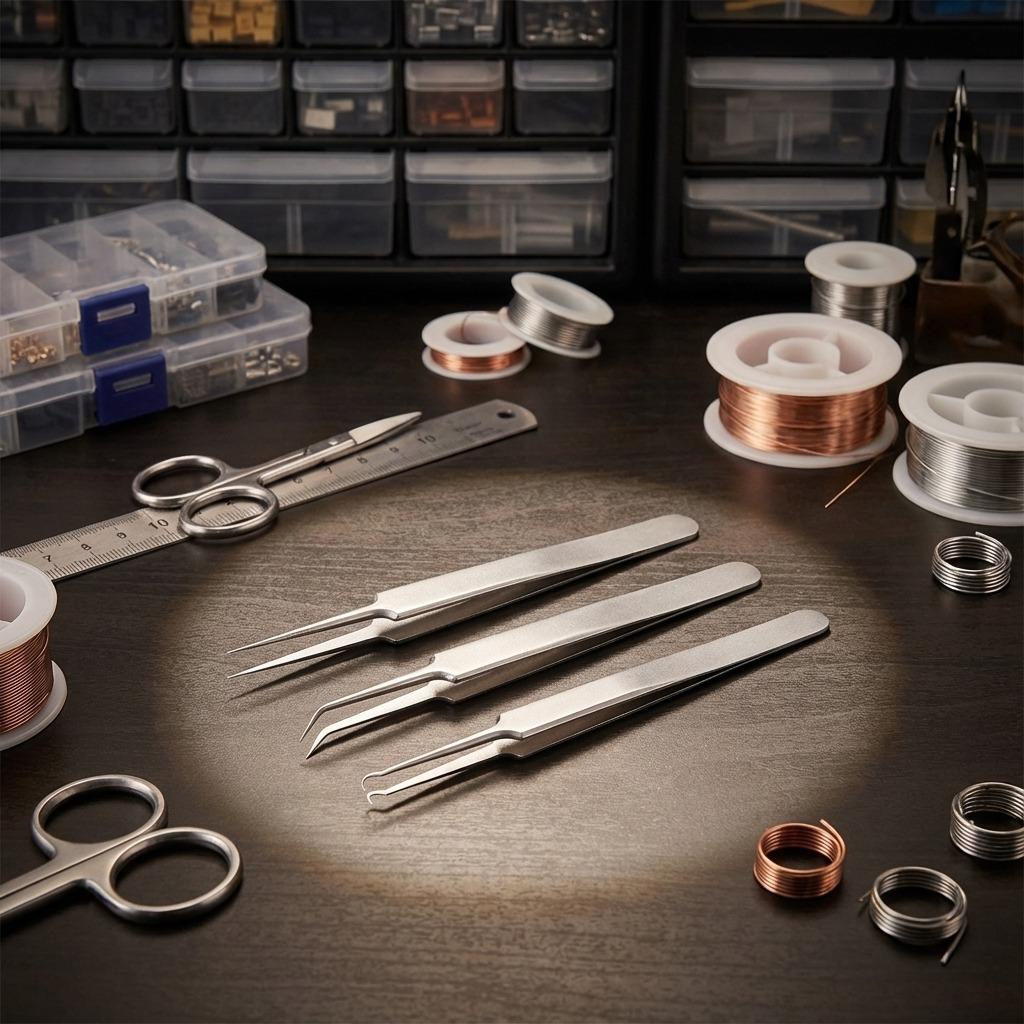
China Tweezers Exporter Guide: How to Source Precision Tweezer Sets from Olimor Beauty
For beauty brands, salon distributors, craft retailers and professional tool buyers, tweezers are small products with demanding performance requirements. A tweezer that looks acceptable in a catalog can still disappoint if the tips do not meet cleanly, the grip feels unstable, or the finish wears quickly during regular use. Working with a capable China tweezers exporter helps buyers control these details before products reach shelves, kits or professional workstations.
Olimor Beauty supplies precision tweezers for international buyers who need reliable stainless steel tools, practical customization options and export-ready presentation. The goal is not simply to buy a low-cost accessory. The better approach is to define the tweezer function, review material and finish expectations, confirm tip alignment, and choose packaging that fits the retail or professional channel. This guide explains how to evaluate a stainless steel tweezer set, what to consider when you design your own tweezers, and how to prepare a clearer sourcing brief.
Why Tweezer Quality Matters for Beauty, Craft and Precision Work
Tweezers are used in tasks where control matters: shaping brows, placing tiny decorations, handling jewelry components, supporting craft projects, or managing small parts. In each case, the user judges quality by feel and accuracy. A well-made tweezer should close evenly, hold the target securely and return to shape after repeated use. If the arms are too stiff, the hand tires quickly. If the arms are too loose, the user loses control. If the tips are uneven, the tool can slip or damage delicate items.
International buyers often compare many products that appear similar from a distance. The real differences are found in the working edges, the spring tension, the surface finish and consistency across units. A reliable exporter should understand that a tweezer is both a beauty tool and a precision instrument. For a retail brand, quality complaints can affect repeat orders. For a salon or professional distributor, tool performance influences daily workflow. For a craft or hobby channel, the right tip shape can determine whether the tweezer suits detailed work.
What to Review When Comparing China Tweezers Exporters
When searching for a China tweezers exporter, it is tempting to focus only on unit price and appearance. Those are important, but they do not tell the full sourcing story. A stronger evaluation looks at how the supplier handles product consistency, inspection steps, customization communication and export packing.
- Material suitability: Stainless steel is widely used for tweezers because it offers durability and a clean appearance. Buyers should define the expected use environment and finish preference.
- Tip alignment: The two sides should meet cleanly at the working end. Misalignment reduces grip and makes detailed work frustrating.
- Surface finish: A smooth finish supports comfortable use and better presentation. Buyers should check whether the surface is consistent across samples.
- Grip tension: The tweezer should provide control without requiring excessive pressure. This is especially important for professional users.
- Packaging readiness: Retail, wholesale and professional kit packaging may require different inserts, labels or protective sleeves.
- Customization process: If you plan to design your own tweezers, confirm drawings, samples, logo placement and final approval steps before mass production.
Olimor Beauty focuses on precision beauty tools and related product solutions. Buyers can review broader beauty tool products to understand how tweezers may fit within a larger assortment, or browse product collections when planning sets for retail or professional channels.
The Precision Crafting Tweezer Set: Three Tip Styles and Their Uses
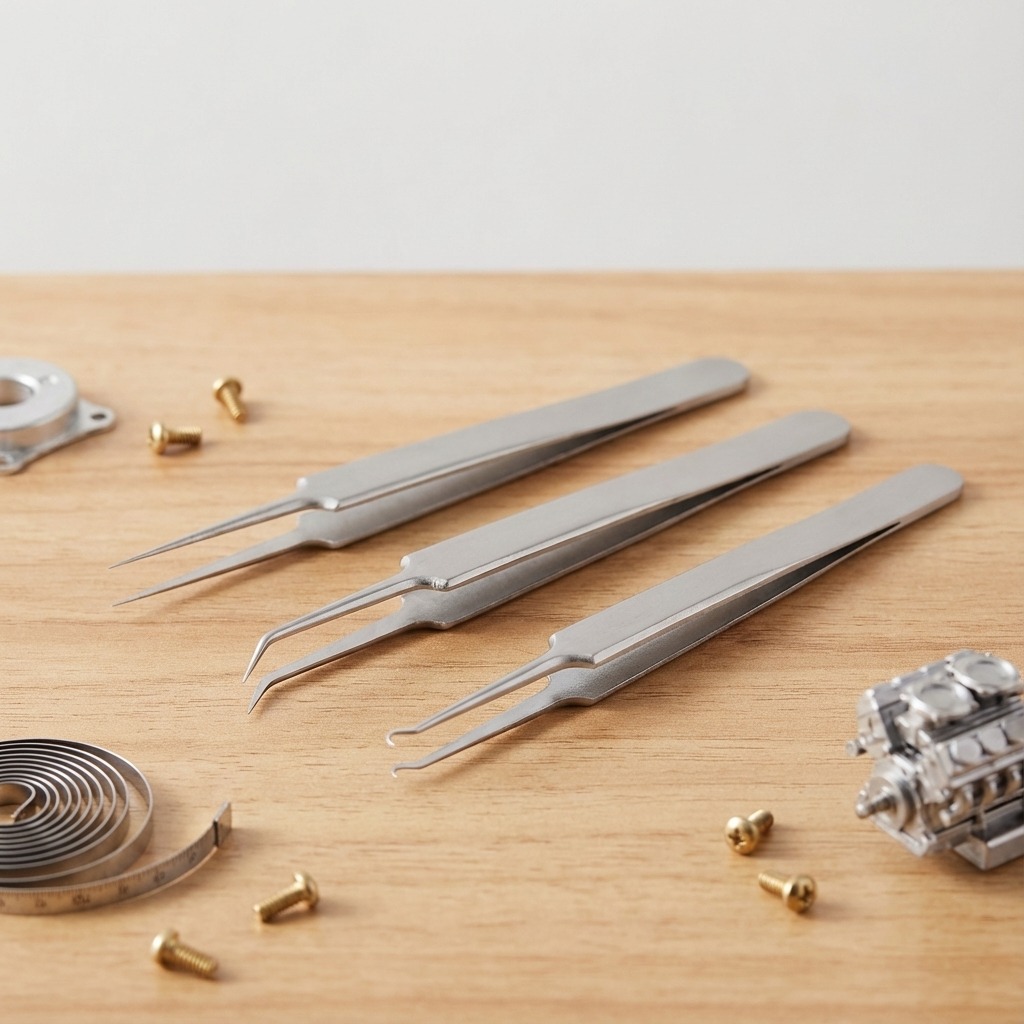
The Precision Crafting Tweezer Set is a practical example of how different tip shapes serve different tasks. Instead of offering only one general-purpose tweezer, the set includes three stainless steel instruments: a Fine Point Tweezer, a Curved Tip Tweezer and an Angled Tip Tweezer. Each shape supports a different handling angle and level of access.
| Tweezer type | Best suited for | Buyer evaluation point |
|---|---|---|
| Fine Point Tweezer | Pinpoint placement and intricate handling | Check that the fine tips meet accurately without visible gaps. |
| Curved Tip Tweezer | Angled manipulation where visibility is important | Confirm that the curve supports access without blocking the work area. |
| Angled Tip Tweezer | Versatile gripping in tight spaces | Review the angle, edge finish and comfort during repeated gripping. |
For beauty buyers, this three-style approach can support brow grooming, lash-related tasks, nail decoration handling and general salon accessory use, depending on the final specifications and intended positioning. For craft or hobby channels, the same set can serve detailed placement and component handling. The key is to match the tip type to the end user rather than treating all tweezers as interchangeable.
Design Your Own Tweezers: Practical Customization Decisions
Customization can make a tweezer line more suitable for a brand, but it works best when the buyer provides clear requirements. “Design your own tweezers” should not mean changing every feature without a plan. It should mean selecting the right combination of function, appearance and packaging for the target customer.
Start with the use case. A beauty-focused tweezer may prioritize comfortable grip, clean presentation and a finish that photographs well for retail. A craft-focused tweezer may prioritize fine tip control and multiple shapes in one set. A professional kit may need tools that are easy to identify and store. Once the purpose is clear, decisions about tip shape, surface finish, logo placement and packaging become easier.
- Define the user: Retail consumer, salon professional, craft hobbyist, jewelry repair user or mixed-purpose buyer.
- Select the tip profile: Fine point, curved or angled tips should be chosen according to the task, not only appearance.
- Decide set structure: A single tweezer, two-piece bundle or three-piece set can each suit different sales channels.
- Confirm branding needs: Consider logo visibility, color direction and packaging layout without compromising the tool surface.
- Review samples carefully: Test tip closure, spring tension, comfort and finish before confirming production details.
- Plan packaging protection: Fine tips need suitable protection during shipping and storage to prevent bending or dulling.
Clear customization briefs reduce misunderstanding and help the exporter prepare a more accurate recommendation. If a project requires a new combination of tip styles, finishing direction or presentation format, buyers can send an inquiry with target market, quantity planning and packaging expectations.
Quality Checks Buyers Should Include Before Export
The original appeal of a precision tweezer is simple: it should grip accurately every time. To reach that standard, buyers should include practical inspection points in their purchasing process. Olimor Beauty emphasizes quality assurance across raw material selection, production and final packaging, but buyers still benefit from having their own acceptance criteria.
For stainless steel tweezers, inspection should begin with visual review and end with functional testing. Look for burrs, scratches, uneven finish or distorted tips. Then test closure by gripping thin material or a small object appropriate to the intended use. The tweezer should close evenly and release cleanly. If the product is promoted for anti-corrosive, anti-static or anti-magnetic performance, those requirements should be defined in the order documents and verified according to the intended market expectations.
Packaging should also be inspected. A high-quality tweezer can arrive damaged if the tip is left unprotected or if the inner packing allows excessive movement. Retail buyers should review barcode placement, label area, language needs and shelf presentation. Professional buyers may care more about protective sleeves, storage convenience and easy identification of different tip styles.
Sourcing Questions for Importers, Distributors and Private Label Buyers
Before selecting a tweezer exporter, prepare a focused list of questions. These questions should help clarify whether the supplier can support the product’s real selling channel. For example, an online beauty brand may need attractive packaging photography and consistent finish. A wholesale distributor may need stable repeat quality. A craft retailer may need clear differentiation between tip types.
- What stainless steel tweezer types are available for beauty, craft and precision use?
- Can the set include Fine Point, Curved Tip and Angled Tip tweezers together?
- What sample review steps are used before confirming an export order?
- How are fine tips protected during packing and shipment?
- Which customization areas are suitable for logo, color or packaging changes?
- What product information should be confirmed for the destination market?
- How are inconsistent tip alignment, surface marks or packaging defects handled during inspection?
These questions keep the discussion practical and prevent vague sourcing. They also help both sides understand whether the project is a simple stock-style order, a packaging customization project or a more detailed private label development.
Working with Olimor Beauty on a Tweezer Export Project
Olimor Beauty is positioned for buyers who need precision-focused beauty tools from China, including stainless steel tweezer sets and customized tweezer solutions. The strongest projects begin with a clear product brief: intended use, preferred tip types, retail or professional channel, packaging direction and quality expectations. From there, samples and specifications can be reviewed in a more structured way.
If you are comparing exporters, do not rely only on catalog photos. Request information that helps you evaluate function: tip shape, alignment, material, finish, packing method and customization feasibility. A well-sourced tweezer line should feel consistent in the hand, protect its tips through distribution and match the expectations of the end user.
For buyers building a new beauty accessory range, expanding a craft tool assortment or adding precision tweezers to an existing kit, Olimor Beauty can help organize the discussion around practical product decisions. To discuss a tweezer set, custom packaging direction or export sourcing plan, contact Olimor with your project details and target market requirements.
Tag: