

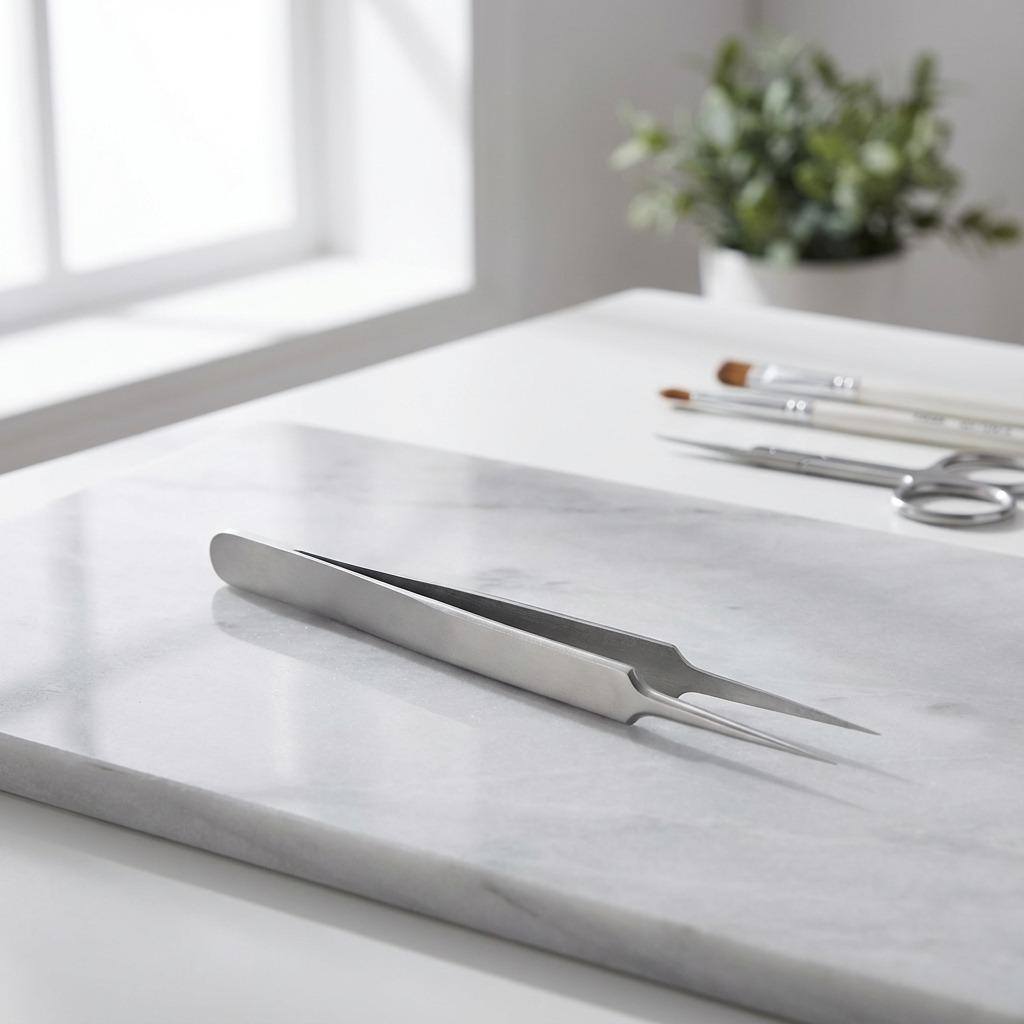
China Tweezers Exporter Guide for Precision Beauty and Detail Tools
Choosing a China tweezers exporter is a product-fit decision, not just a unit-cost decision. For beauty retailers, salon suppliers, eyelash brands, grooming kit distributors, craft sellers, jewelry tool buyers, and light repair channels, a tweezer succeeds when the tips align cleanly, the grip feels controlled, and the finish matches the intended use. Small differences in tip geometry, surface treatment, spring tension, and packaging can change customer satisfaction quickly.
Olimor focuses on precision beauty tools for buyers who need practical sourcing support, repeatable product quality, and customization options that still make sense for production. If you are comparing options now, you can browse the current precision-tool range, review related styles in the tool collection, or send a sourcing brief when you are ready to discuss a specific project.
What buyers should expect from a tweezers exporter
A capable exporter should help turn a general request, such as eyebrow tweezers or precision tweezers, into a clear product specification. That means discussing the use case, tip type, handle feel, finish, packaging, and inspection expectations before sampling or bulk production. Buyers get better results when the supplier asks practical questions instead of simply quoting a catalog image.
For beauty applications, the main priorities are usually tip contact, hand control, and presentation. The tips should meet evenly and hold fine hairs or lashes without the user forcing excessive pressure. For retail channels, the visual details matter too: logo placement, clean finishing, and packaging protection should fit the price point and sales environment. For technical or hobby use, visibility and tip access can matter as much as appearance.
The best exporter for a salon brand may not be the best exporter for a jewelry-distribution business. Compare suppliers based on the specific application, not on broad claims about being the “best” manufacturer.
Material choice: stainless steel or titanium
The supplied product information highlights two useful material directions: stainless steel and titanium. Both can support precision tweezers, but they suit different buying priorities.
Stainless steel is widely used because it offers durability, a clean appearance, and practical maintenance. It is a familiar choice for beauty tweezers, grooming sets, and multi-purpose detail tools. Buyers should not treat “stainless steel” as a complete specification, because rigidity, tip resilience, finish, and corrosion resistance still need to be checked in samples.
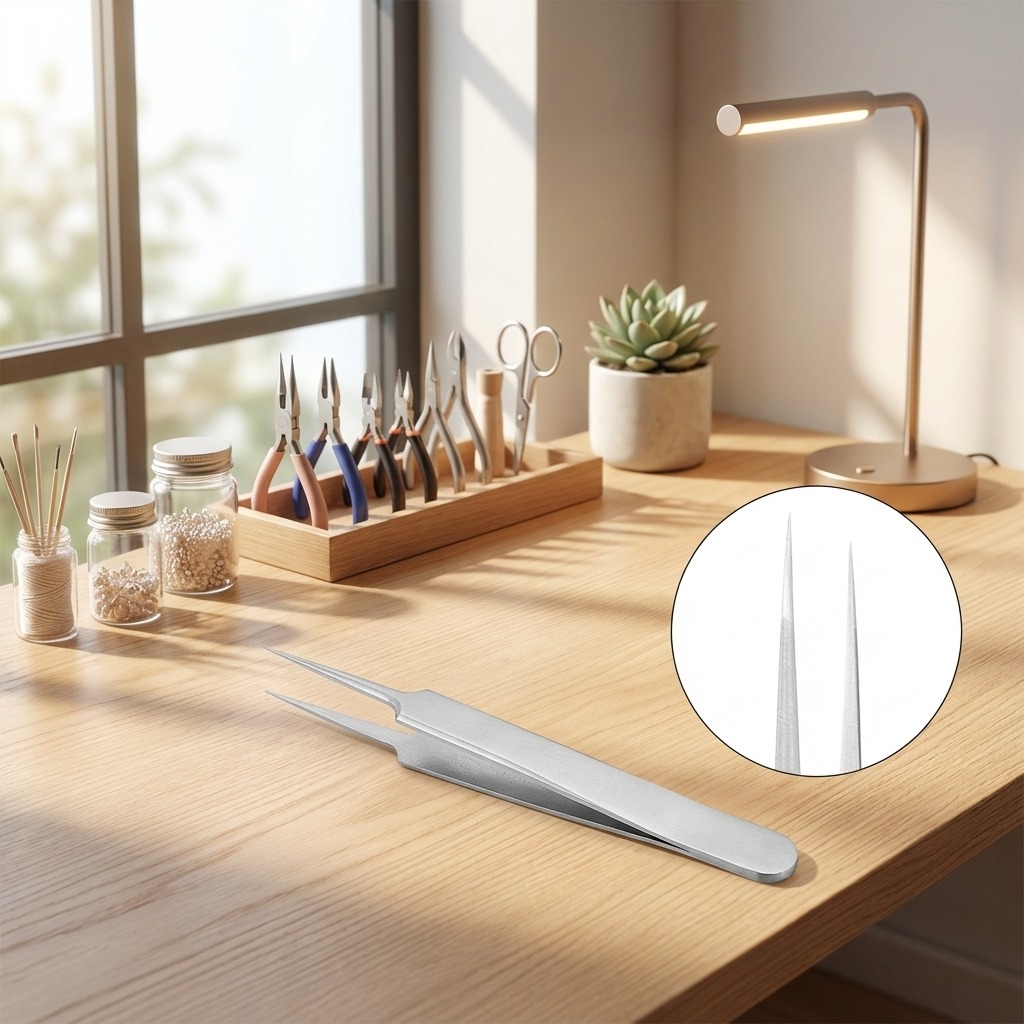
Titanium is useful where a lightweight feel matters. For repeated beauty or detail tasks, a lighter tool can reduce hand fatigue and feel more controlled during close work. In the supplied description, Olimor’s titanium fine-tip tweezers are presented with ultra-fine tips, a slimline silhouette, and a matte finish, which can help visibility and grip under bright salon or workbench lighting.
If your project includes design choices for lash placement, brow grooming, jewelry handling, or model-making detail work, confirm whether the selected material supports the handling style your customer expects. Material alone does not determine performance; the tip profile and finish matter just as much.
Tip style is the real performance choice
The tip is the working part of the tweezer, so tip geometry should be selected before decoration or packaging. A mismatch between tip style and use case often causes more complaints than the material itself.
Straight tips
Straight tips are useful when steady alignment and direct gripping are needed. They can suit general beauty grooming, craft work, electronic repair tasks, or precision handling, depending on the exact width and finish.
Curved tips
Curved tips help when visibility and maneuverability matter. They can be practical for detail work, jewelry tasks, and beauty applications where the user needs a clearer view of the contact point.
Bent ultra-fine tips
Bent ultra-fine tips are often chosen for more delicate jobs such as eyelash application, model making, or fine component handling. These styles need careful packaging because the tips are more exposed and more visible if damaged.
Non-slip or shaped handles
Some buyers prefer a textured or shaped grip for better control in repeated salon or studio use. Others prefer a smoother profile for a lighter retail presentation. The best choice depends on the selling channel and the end user’s routine.
Quick comparison of common tweezer options
| Option | Best fit | Buyer priority | What to watch |
|---|---|---|---|
| Stainless steel straight tweezer | General beauty grooming, craft, light repair | Durability and clean appearance | Tip alignment, finish consistency, spring feel |
| Stainless steel curved tweezer | Detail work, jewelry, beauty visibility tasks | Control and better sightline to the target area | Curve symmetry, tip contact, packaging protection |
| Titanium fine-tip tweezer | Fine detail, lash work, controlled repetitive handling | Lightweight feel and precision access | Ultra-fine tip accuracy, grip comfort, matte finish quality |
| Bent ultra-fine tweezer | Delicate placement and narrow access angles | Reach and visibility | Tip damage in transit, alignment stability, user comfort |
This kind of comparison is more useful than asking whether one style is universally “high quality.” Quality must be tied to the intended use and checked against actual samples.
How to evaluate samples before a larger order
Sample approval should focus on real function, not just appearance. Tweezers are simple tools, but small defects are easy to notice during use. A practical inspection sequence can reduce the chance of problems later in the supply chain.
- Inspect the visual finish. Look for scratches, uneven color, rough edges, stains, or inconsistent matte or polished treatment.
- Close the tips slowly. Confirm that the tips meet at the intended contact point and do not twist, cross, or leave a visible gap.
- Test grip on real materials. Use eyebrow hairs, lashes, fine fibers, beads, or other representative items based on the final application.
- Check hand pressure. The tweezer should close smoothly without feeling too stiff for repeated use.
- Compare multiple samples. One good piece is not enough; review consistency across several units.
- Review packaging protection. Fine tips need protection so they are not bent or damaged during storage and shipping.
For buyers sourcing beauty tools or detail tools in volume, this is where many suppliers separate themselves. A reliable exporter should welcome practical sample checks and discuss how production consistency will be maintained.
Customization that supports retail and private-label sales
Many buyers want to design their own tweezers, but customization works best when it starts with the product’s function. Appearance should support performance, not replace it. A brow-focused tool may need comfortable hand pressure and accurate hair gripping, while a jewelry tool may need a slim access angle and fine tip control.
Common customization directions in this category include ultra-fine tips, matte or polished finishes, lightweight titanium construction, surface branding, logo placement, retail packaging, and protective tip covers. These choices can help build a private-label assortment without making the project unnecessarily complex.
Before finalizing a custom design, define how the tool will be sold and tested. If it is for salon professionals, sample use should happen under realistic lighting and repetitive handling. If it is for craft or repair markets, test it with the actual size of components or materials the customer will handle. This avoids approving a tool that photographs well but feels wrong in use.
Supplier evaluation questions that lead to better decisions
When comparing a China tweezers exporter, ask questions that force specific answers. Good sourcing conversations are practical and narrow.
- What tip styles are available for the intended use case?
- Which material is recommended for the market and why?
- How are tip alignment and finish checked during production?
- What packaging protects the tips during shipping and retail handling?
- What customization options are realistic without harming tool performance?
- How does the supplier handle sample approval before a larger order?
If your procurement process requires a formal quality-management reference, you may ask for documentation aligned with ISO 9001 practices and verify the applicable version, scope, and supplier paperwork yourself. Do not assume certification from product photos or sales copy.
For broader market evaluation, it also helps to ask whether the exporter can support a mixed assortment. A distributor serving beauty, grooming, and detail-work channels may need more than one tweezer style in the same program.
Cost factors buyers should expect to influence pricing
Without discussing exact prices, buyers can still understand what usually affects total cost. In tweezers, the main cost drivers are material choice, tip complexity, finish quality, custom branding, packaging detail, and inspection requirements. Ultra-fine tips and more complex curves may require tighter manufacturing control than basic straight styles.
Packaging also matters. Retail-ready boxes, protective covers, and branded presentation can raise cost compared with simple bulk packing, but they may also reduce damage and improve shelf appeal. For private-label buyers, the smartest approach is to match cost factors to channel needs instead of adding every possible option.
In short, a better sourcing question is not “What is the cheapest tweezer?” but “Which specification gives the best balance of performance, appearance, and repeatable supply for this channel?”
When Olimor is a practical fit
Olimor Beauty is positioned for buyers who want precision-focused beauty tools with practical customization support. The supplied product information highlights stainless steel tweezers and titanium fine-tip tweezers, along with options such as slim profiles, ultra-fine tips, and matte finishes. Those features are relevant for brands and distributors that need a controlled hand feel, clean presentation, and detail-level performance.
If you are building a brow, lash, craft, or detail-tool assortment, you can start by reviewing the current range at the product pages or by exploring a wider selection of related tool styles. For a specific project brief, contact the team or use the inquiry form to describe the intended use, packaging needs, and customization goals.
FAQ
Can I request samples before placing a larger order?
Yes. Sample review is the right way to check tip alignment, grip, finish, and packaging protection before moving forward.
What is the usual minimum order quantity for custom tweezers?
MOQ can vary by style, customization level, and packaging. Ask the supplier directly for the current production terms for your specific specification.
Can tweezers be customized with a logo or different finish?
Yes, customization may include branding, finish selection, tip style, handle feel, and packaging. The key is to keep the design practical for production and use.
What quality checks should I ask for?
Request checks for tip alignment, surface finish, grip consistency, packaging protection, and piece-to-piece uniformity across samples or production lots.
How should I think about lead time?
Lead time depends on the specification, customization, packaging, and production schedule. Confirm it directly with the supplier before approving the order.
For buyers evaluating a China tweezers exporter, the best path is simple: define the use case, test the sample against real handling needs, and choose a supplier that can explain how the product will stay consistent from order to order.
Tag: