

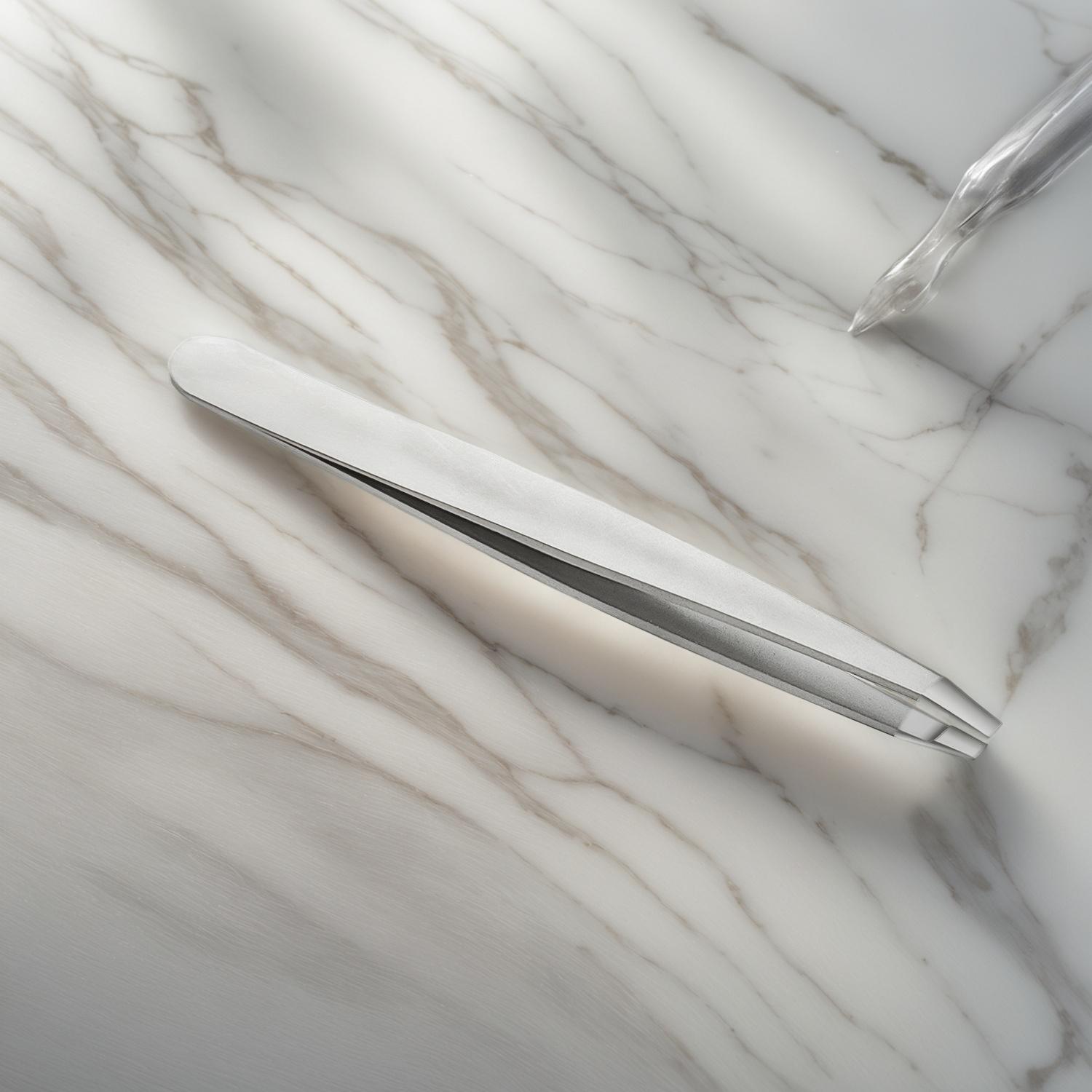
China Tweezers Exporter Guide for Beauty Brands and Distributors
For beauty brands, wholesalers, salon suppliers and e-commerce retailers, choosing a China tweezers exporter is not simply a matter of finding the lowest unit price. Tweezers are small tools, but customers judge them quickly: do the tips meet evenly, can they grip fine hairs, do they feel stable in the hand, and does the finish remain clean after repeated use? A poor tweezer creates returns, negative reviews and weak repeat purchases, while a well-made tool can become a dependable part of a grooming range.
Olimor Beauty manufactures and exports beauty tools for buyers who need professional-looking products with reliable everyday performance. The original focus of this page is tweezers, including the SleekSteel model referenced by Olimor Beauty. This guide explains how to evaluate a tweezer supplier, what to check before placing a bulk order, and how to make sourcing decisions that protect your brand reputation.
Why Tweezers Require More Careful Sourcing Than Their Size Suggests
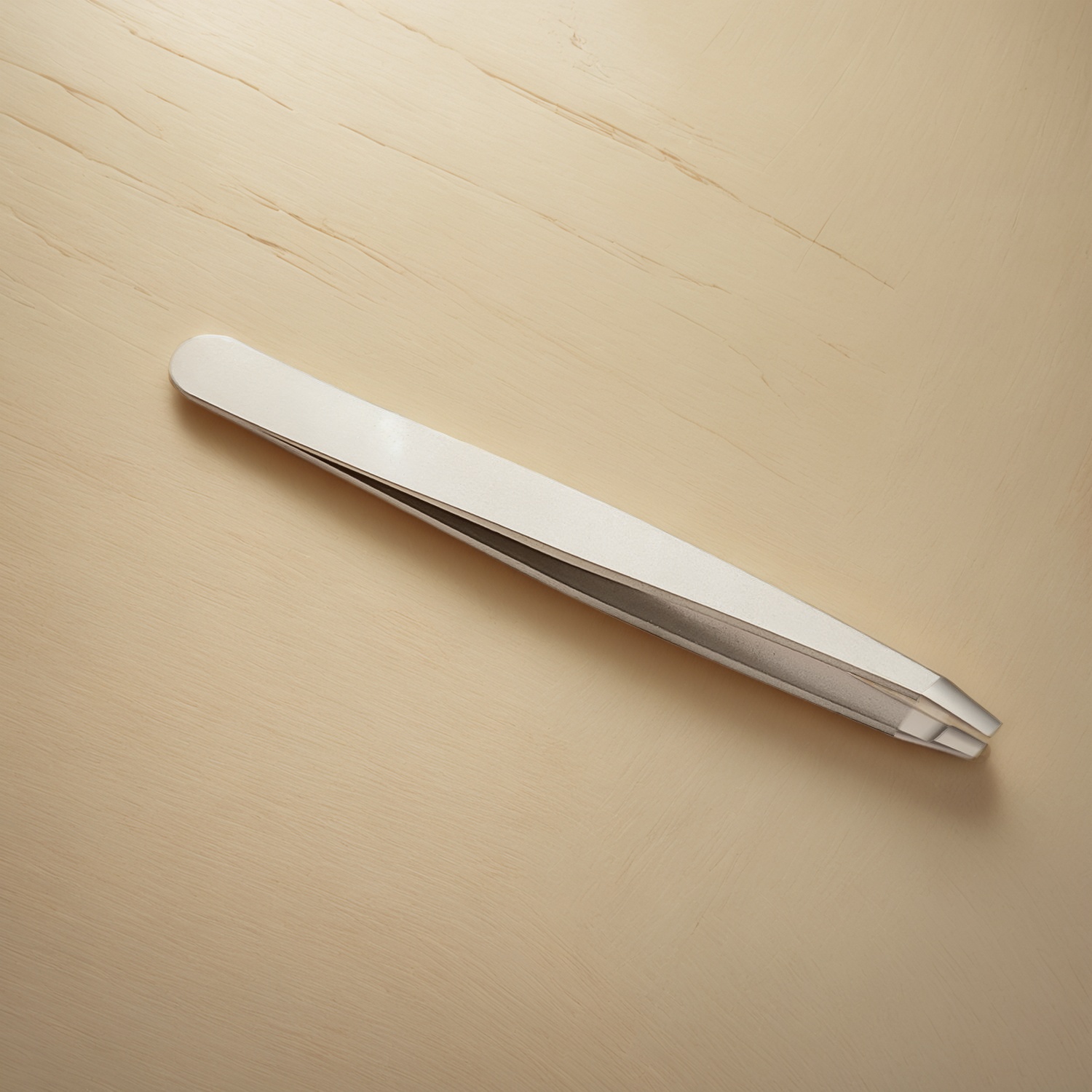
Tweezers look simple, yet their performance depends on a combination of material, forming, tip finishing, alignment and quality control. If the arms are too soft, the tool can feel weak. If the tension is too stiff, users may experience hand fatigue. If the tips are uneven, the tweezer may cut hair instead of gripping it, or fail to remove short hairs cleanly.
For retail buyers, these details matter because tweezers are often purchased with high expectations. A consumer may use them for eyebrow shaping, stray facial hair, beauty preparation, lash application support or general grooming. Salon and professional users may evaluate them even more closely because they handle tools repeatedly throughout the day.
When comparing a China tweezers exporter, the best starting question is not only “Can the supplier make tweezers?” but “Can the supplier make the same tweezer consistently across a production run?” Bulk orders expose small manufacturing problems. A sample may look acceptable, but cartons of inconsistent tips, uneven polishing or mixed tension will create problems after shipment. A sourcing process should therefore focus on repeatability as much as the first sample.
Material, Tip Alignment and Hand Feel: The Core Quality Checks
The supplied Olimor Beauty information states that the tweezers are crafted from surgical-grade stainless steel, with ergonomic designs and aligned tips intended to grip fine hairs. These are meaningful product points because they connect directly to performance and customer satisfaction.
When you evaluate tweezers for a private-label or wholesale program, review the following practical areas:
- Tip meeting point: The two tips should close evenly without a visible gap. Misalignment is one of the most common reasons tweezers fail in real use.
- Grip performance: A good tweezer should hold fine hairs or small test fibers without excessive pressure. It should not slip easily when the user applies normal hand force.
- Arm tension: The resistance should feel controlled, not flimsy and not overly rigid. Consistent tension across samples is important for bulk orders.
- Edge finishing: Tips should be precise but not rough against the skin. Overly sharp, burred or poorly polished ends can create discomfort.
- Surface finish: Check for scratches, staining, weak coating, inconsistent color or visible marks that reduce retail appeal.
- Rust resistance in normal conditions: Stainless steel selection and finishing influence how the tool holds up when used and cleaned appropriately.
- Packaging fit: The tweezer should sit securely in its sleeve, card, box or pouch so the tips are protected during shipping and storage.
These criteria are useful whether you are sourcing a single SKU or adding tweezers to a larger beauty tool assortment. You can explore broader options through Olimor Beauty’s beauty tool products page when planning complementary tools for a retail set or distributor catalog.
How to Compare Exporters Without Relying on “Top 10” Claims
Search results often use phrases such as “top 10 tweezers manufacturers,” but serious buyers should treat rankings as a starting point rather than proof. A manufacturer’s suitability depends on your channel, target price, packaging needs, quality expectations and order structure. A supplier that works well for a promotional kit may not be right for a professional grooming line, and a supplier focused on premium finishing may not match a low-cost marketplace strategy.
Instead of relying on a list, compare exporters with a structured checklist. The table below shows practical sourcing questions and why they matter.
| Evaluation Area | What to Review | Why It Matters |
|---|---|---|
| Sample consistency | Request multiple samples from the same specification and compare tip alignment, tension and finish. | One good sample is not enough if the bulk order varies widely. |
| Material statement | Confirm the material used and whether it matches your market positioning. | Material affects feel, durability, cleaning expectations and perceived value. |
| Inspection process | Review how alignment, appearance and packaging are checked before shipment. | Tweezers require close visual and functional inspection. |
| Packaging capability | Check whether retail packaging, tip protection and export cartons can support your sales channel. | Good tools can still be damaged or poorly presented if packaging is weak. |
| Communication clarity | Assess how precisely drawings, samples, timelines and changes are documented. | Clear communication reduces costly misunderstandings. |
Olimor Beauty’s positioning is centered on manufacturing and exporting beauty tools with attention to craftsmanship and performance. For buyers comparing exporters, the goal is to verify whether the product, packaging and production control fit your own brand standards.
Bulk Order Tweezers: What to Decide Before Production
Placing a bulk order for tweezers requires more preparation than approving a photo. Before production begins, define the commercial and technical details that will affect the final goods. This helps both the buyer and exporter prevent avoidable revisions.
- Choose the use case. Decide whether the tweezer is for eyebrow grooming, general personal care, professional salon use, travel kits, gift sets or value packs.
- Confirm the tip style and performance target. Different tweezer designs may suit different gripping tasks. The important point is that the selected design matches your customer’s expectations.
- Set appearance requirements. Specify finish, color direction if applicable, logo placement, surface tolerance and any unacceptable marks.
- Approve packaging structure. Consider tip protectors, sleeves, backing cards, boxes, pouches and carton packing. Tip protection is especially important because damaged tips can make the tool unusable.
- Define inspection priorities. Include functional checks such as tip alignment and gripping ability, not only visual checks.
- Retain approved samples. Keep a confirmed reference sample for comparison during production and pre-shipment review.
For buyers building a complete merchandising program, tweezers may be paired with other grooming or beauty accessories. Reviewing Olimor Beauty’s product collections can help you think through assortment planning without treating tweezers as an isolated item.
Packaging and Export Readiness for Retail Channels
Export-ready tweezers need packaging that protects the tool, presents it clearly and supports the way it will be sold. A tweezer sold in a salon supply environment may need different packaging from one sold through online marketplaces or included in a multi-piece beauty kit.
Good packaging should prevent tip damage, reduce movement during transit and communicate the product cleanly. Buyers should look closely at the area around the tweezer tips. Even a slight bend or nick can change performance. If the product includes a protective cap or sleeve, check that it stays in place but does not scratch the finish.
Retail packaging decisions should also account for barcode placement, product naming, care instructions, country-of-origin labeling requirements and any market-specific compliance language that applies to your sales destination. These requirements vary by buyer and market, so they should be addressed early in the sourcing process rather than after the goods are finished.
Maintenance Guidance Your Customers Will Appreciate
Useful customer guidance can reduce complaints and improve product satisfaction. Tweezers should be kept clean and dry after use, stored with the tips protected, and not dropped onto hard surfaces. Customers should avoid using precision tweezers as prying tools, because that can damage alignment. If the tweezer is used around cosmetics or skincare products, wiping residue from the tips helps maintain gripping performance.
For a beauty brand, adding concise care instructions to packaging or product pages is a simple way to improve the user experience. Care instructions do not need to be long, but they should be specific: clean the tips after use, dry before storage, keep the protective cap on when not in use, and replace the tool if tips become bent or damaged.
Working With Olimor Beauty on Tweezer Sourcing
A dependable China tweezers exporter should help buyers move from a product idea to a commercially usable tool with clear sampling, production and inspection expectations. Olimor Beauty focuses on manufacturing and exporting tweezers designed for control, durability and user-friendly handling, including the SleekSteel model mentioned in the existing product information.
Whether you are adding tweezers to an established grooming line or building a new retail set, the strongest sourcing decisions are based on physical samples, clear specifications and realistic quality checks. Pay attention to the details customers notice immediately: alignment, grip, hand feel, surface finish and packaging protection.
If you are evaluating a tweezer project or comparing beauty tool sourcing options, you can contact Olimor to discuss requirements or send an inquiry with your intended use, packaging needs and target sales channel. A clear brief helps turn a small tool into a reliable product your customers can trust.
Tag: