

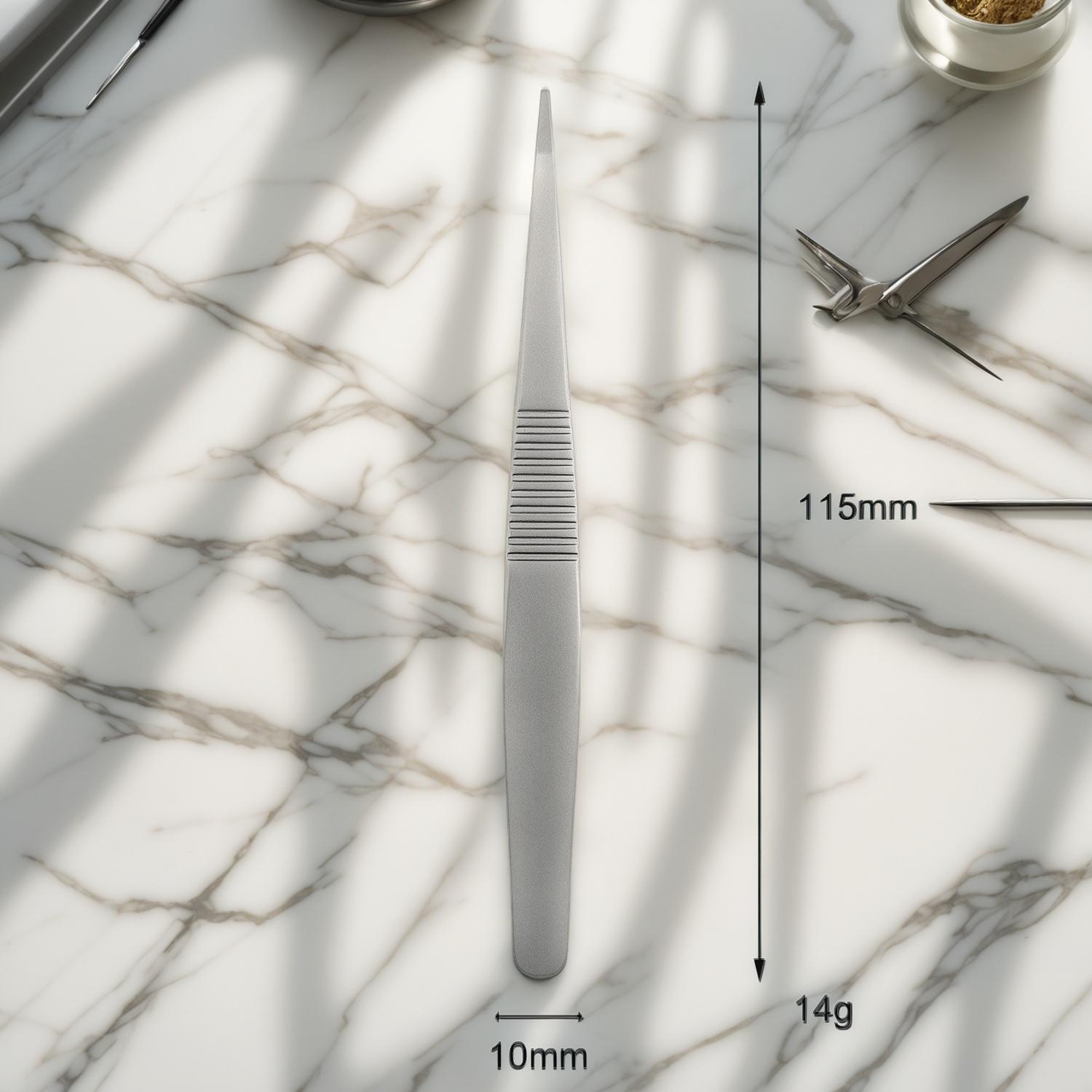
Buy Tweezers in Bulk: Quality Checks for Better Sourcing
Buying tweezers in bulk is not only a purchasing decision; it is a product quality decision that affects daily use, customer reviews, retail returns and professional performance. A tweezer may look simple, but small differences in tip alignment, grip texture, tension and finish can change whether it removes hair cleanly or slips during use. For salons, lash and brow studios, beauty retailers, distributors and promotional product buyers, the goal is to secure dependable tools at a controlled cost without accepting inconsistent batches.
The best sourcing approach depends on your business model. A salon may need a reliable supply of professional tools for technicians. A retailer may focus on packaging consistency, finish and customer satisfaction. A distributor may need stable repeat orders across multiple tweezer styles. If you are comparing where to buy tweezers, it helps to evaluate both the product and the supplier process before you place a larger order.
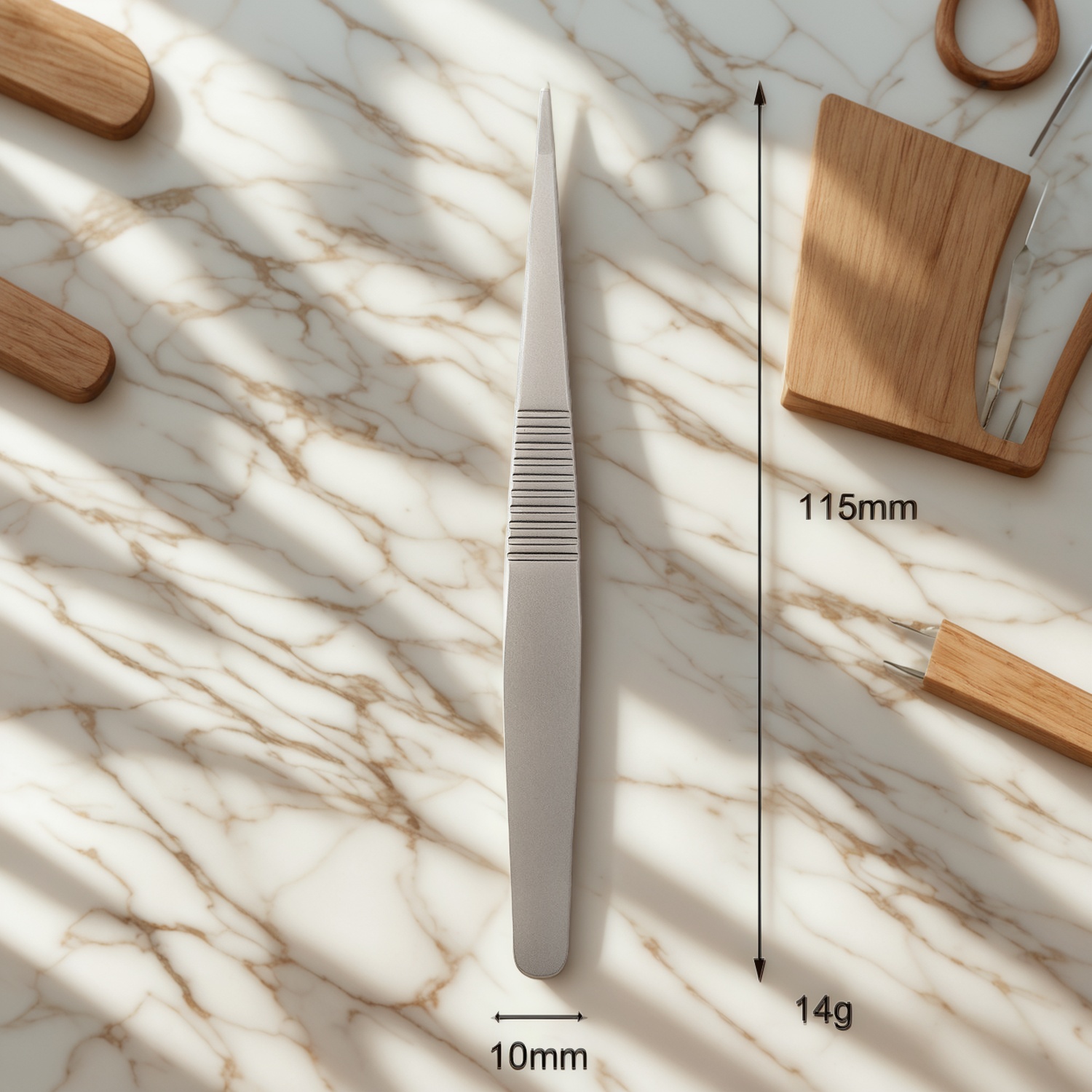
Start With the Exact Use Case
Before comparing prices, define how the tweezers will be used. Tweezers for brow shaping, general grooming, lash work, retail beauty kits or craft applications may require different tip shapes and handling characteristics. A bulk order that is inexpensive but mismatched to the user can create higher long-term costs through complaints, replacements or unsold inventory.
For beauty businesses, the most important question is whether the tweezer can grip fine hairs accurately and release them smoothly. For retail buyers, appearance and packaging presentation also matter because shoppers often judge quality before trying the tool. For professionals, consistency from one unit to the next is critical because technicians rely on muscle memory during repetitive work.
- Salon and brow studio use: prioritize precision, reliable tension and comfortable handling during repeated appointments.
- Retail beauty lines: consider finish quality, packaging compatibility, safety covers and how clearly the product benefit is communicated.
- Distributor orders: focus on stable supply, consistent batches and product options that match different customer segments.
- Gift sets or kits: check overall appearance, size, finish and whether the tweezer pairs well with other beauty tools.
Wholesaler vs. Direct Tweezers Factory
A common sourcing question is whether to buy from a tweezers wholesaler or work directly with a factory. A wholesaler can be convenient when you need quick access to mixed stock or smaller quantities across many categories. However, wholesalers often act as intermediaries, so the buyer may have less visibility into production details, batch consistency and quality control standards.
Working directly with a manufacturer such as Olimor Beauty can offer a more transparent sourcing route for buyers who need repeatable quality. Direct factory communication may make it easier to discuss material selection, ergonomic design, inspection priorities and packaging requirements. It can also reduce confusion when you need to confirm whether a future order will match a previous batch.
This does not mean every buyer should automatically avoid wholesalers. The right choice depends on your timing, order structure and quality expectations. If you are testing a market, a wholesaler may help you evaluate demand quickly. If tweezers are a core product in your beauty range, a factory relationship often gives you better control over product details and long-term supply planning.
Quality Details That Matter in Bulk Tweezer Orders
When you buy tweezers in bulk, individual inspection of every unit may not be realistic for your team after delivery. That makes pre-order evaluation and supplier quality systems especially important. The most useful checks focus on function, not only appearance.
Tip alignment is one of the first details to review. The two sides should meet evenly so the tweezer can grip fine hair without cutting it or allowing it to slide away. Poorly aligned tips may look acceptable in a photo but fail during real use. Tension is also important: if the tweezer is too stiff, it causes hand fatigue; if it is too loose, it may not give enough control. A textured grip can improve handling, especially in professional environments where tools are used repeatedly.
Finish quality should also be checked. Rough edges, uneven surfaces or inconsistent coating can reduce perceived value and may affect user comfort. A lightweight feel can be helpful for repeated use, but the tool should still feel stable and controlled in the hand. Olimor Beauty focuses on practical features such as aligned tips, textured grips and ergonomic handling, all of which are relevant when buyers compare bulk options.
Use a Sample Review Checklist Before Ordering
Samples are useful only when they are reviewed systematically. Instead of simply looking at the product on a desk, test it in realistic conditions. Have multiple users handle the tweezers if the order is intended for professional salons or retail customers. Record observations so you can compare suppliers fairly.
| Check Point | What to Look For | Why It Matters |
|---|---|---|
| Tip alignment | Tips meet evenly without visible gaps | Improves grip on fine hairs and reduces slipping |
| Tension | Smooth closing action with controlled resistance | Supports comfort during repeated use |
| Grip area | Texture or shape helps prevent slipping | Important for professional handling and precision |
| Finish | No rough edges, uneven surfaces or visible defects | Affects comfort, appearance and perceived quality |
| Consistency | Several samples perform similarly | Indicates better batch reliability for bulk orders |
| Packaging fit | Tool fits safely and presents well | Essential for retail, kits and branded distribution |
If possible, compare samples after several uses, not only when they are new. A tweezer that performs well for the first few pulls but loses alignment quickly may create problems after purchase. For retail lines, consider whether the packaging protects the tips during shipping and handling, because damaged tips can make a good product perform poorly.
How to Control Cost Without Sacrificing Function
Bulk purchasing is often driven by savings, but the lowest unit price is not always the best total cost. A cheaper tweezer that produces returns, replacements or poor customer feedback can become more expensive than a better-made option. Cost control should include product performance, packaging efficiency, defect risk and reorder stability.
One practical way to control cost is to avoid unnecessary complexity. If your audience mainly needs a dependable grooming tweezer, choose a design that supports that use instead of adding features that do not matter to the customer. Another approach is to plan your assortment carefully. Too many similar tweezer options can split demand and create inventory pressure. A focused range based on real user needs is often easier to sell and replenish.
Buyers should also think about the cost of communication errors. Clear specifications, approved samples and written confirmation of packaging expectations help prevent misunderstandings. If you need to compare different beauty tools or build a larger assortment, browsing Olimor beauty tool products can help you think through how tweezers fit with other items in your product plan.
Sourcing Questions for Salons, Retailers and Distributors
A strong supplier conversation should go beyond price and delivery time. You do not need to know every manufacturing detail, but you should understand how the supplier defines acceptable quality. When sourcing from a tweezers factory, discuss the product standard in practical terms: alignment, finish, tension, handling, packaging and inspection.
Useful buyer questions include:
- Which tweezer styles are most suitable for the intended use, such as brow shaping, general grooming or kit inclusion?
- How are tip alignment and closing tension checked before shipment?
- What packaging formats are compatible with the selected tweezer?
- Can approved samples be used as a reference for future production?
- How should products be stored and handled to protect the tips during transport and warehousing?
- What information should be confirmed before placing repeat orders?
These questions help create a shared definition of quality. They also make supplier comparisons more meaningful because each potential source is responding to the same performance requirements. If your project has specific packaging, assortment or timeline needs, you can send an inquiry with the relevant details for review.
Maintenance and Handling After Delivery
Even well-made tweezers need proper handling to maintain performance. For professional users, tools should be cleaned according to the hygiene process required by the business and local practice standards. The tips should be protected from drops, pressure and impact, because damage to the gripping edge can affect precision.
For retail and distribution, storage conditions matter. Keep tweezers organized so the tips are not compressed or bent in cartons. If the product includes a tip cover or protective packaging, ensure it remains in place until sale or use. During incoming inspection, check a reasonable sample from the shipment and compare it with the approved reference. This helps detect any shipping damage or unexpected variation before products are distributed widely.
Salons can also reduce replacement frequency by training staff to use tweezers only for their intended purpose. Using precision tweezers to scrape, pry or open packaging can damage alignment. Clear handling habits protect the tool and help technicians maintain consistent service quality.
Choosing a Reliable Bulk Tweezer Partner
The best place to buy tweezers in bulk is the source that can match your quality expectations, order structure and customer use case. A top tweezers factory should be able to explain product details clearly, support consistent production and help you choose tools appropriate for your market. Olimor Beauty manufactures beauty tools with attention to practical performance details such as precision tips, secure grip and comfortable handling.
For buyers developing a beauty assortment, tweezers often work best as part of a broader tool strategy. They can be sold alone, added to grooming kits, paired with lash or brow products, or included in retail collections. Reviewing Olimor product collections may help you plan how tweezers fit within a complete product range.
Bulk sourcing should not be rushed. Define the use case, review samples carefully, compare supplier types and confirm the details that affect real-world performance. When quality, presentation and supply reliability are aligned, buying tweezers in bulk can support stronger margins while giving end users a tool they can trust.
Tag: