

Buy Tweezers in Bulk: A Practical Sourcing Guide for Beauty Professionals
Buying tweezers in bulk is a practical decision for lash studios, beauty salons, training academies, distributors and retailers that need consistent tools on hand. For eyelash extension work in particular, tweezers are not occasional accessories; they are daily precision instruments. A technician may use different tip shapes for isolation, classic pickup, volume fan creation and placement, so tool consistency directly affects speed, comfort and service quality.
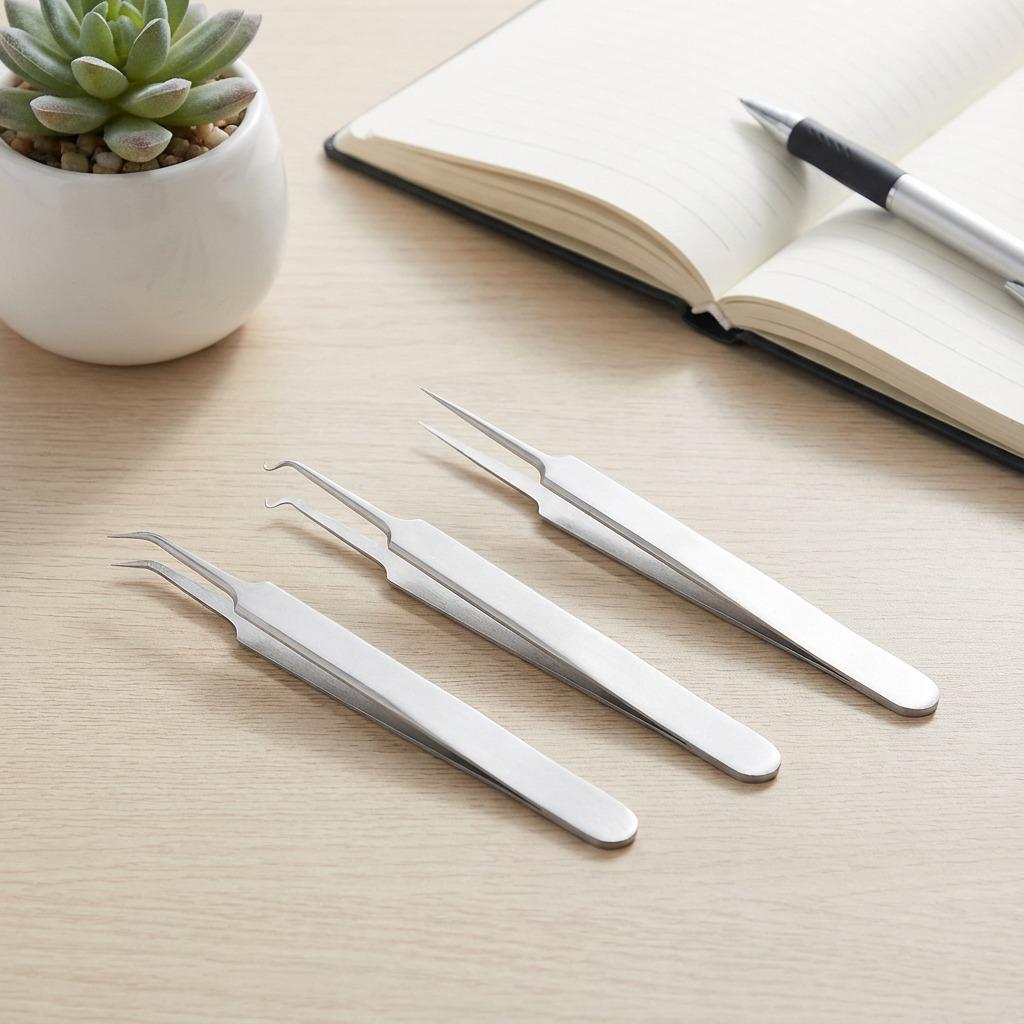
Olimor Beauty supplies stainless steel tweezers designed for professional beauty use, including lightweight options and different shapes such as pointed straight, curved and hook-shaped designs. When you are comparing bulk sources, the goal is not simply to find the lowest unit price. A better purchasing decision considers tip alignment, hand feel, corrosion resistance, repeatability between pieces and whether the supplier can support your product mix over time.
Why Bulk Tweezers Make Sense for Salons, Trainers and Distributors
For a single lash artist, a few pairs may be enough at the beginning. As appointments increase, however, tool rotation becomes important. Tweezers need cleaning between clients, tips can be damaged if dropped, and different services may require different shapes. Bulk purchasing helps professionals avoid service interruptions and keeps backup tools available when a favorite pair is being cleaned or replaced.
For salons and academies, bulk buying also supports standardization. If every workstation uses similar tweezer shapes and comparable weights, it becomes easier to train staff, troubleshoot technique issues and maintain a consistent client experience. For distributors and online sellers, buying from a focused tweezers wholesaler or factory helps create stable inventory for customers who reorder the same tool types.
- Lower replacement stress: backup tweezers are available when tips become misaligned or tools are out for cleaning.
- Consistent training: students can learn with similar tools instead of adapting to mismatched shapes.
- Better service flow: artists can rotate between isolation, pickup and placement tweezers without delay.
- Cleaner operations: extra inventory supports proper sanitation procedures between appointments.
- Retail or wholesale readiness: distributors can build repeatable product assortments around reliable tool styles.
What to Check Before Choosing a Tweezers Wholesaler
When deciding where to buy tweezers, begin with the product details that affect real use. Stainless steel is a common professional choice because it supports durability and is suitable for repeated cleaning when maintained correctly. Olimor Beauty describes its tweezers as stainless steel tools with corrosion-resistant qualities, ergonomic designs and internal quality controls from raw materials to final packaging. Those factors are useful starting points, but buyers should still evaluate samples in the exact working environment where the tools will be used.
Tip precision is one of the most important points. In lash extension work, the tips should meet cleanly and hold fine fibers without crushing or slipping. For isolation, artists often prefer a fine, controlled point. For volume work, the closing pressure and contact area can affect fan pickup. Small differences in spring tension or balance may feel minor during a quick inspection but become obvious during long appointments.
Use the following checklist when comparing a bulk supplier or factory:
- Tip alignment: check whether the tips close evenly from the point backward, without visible gaps.
- Grip tension: confirm that the resistance is comfortable for long sessions and does not require excessive finger pressure.
- Surface finish: look for smooth edges and clean polishing, especially near the tips and finger contact areas.
- Shape consistency: compare several pieces from the same batch to see whether angle, length and closure feel remain consistent.
- Packaging protection: tips should be protected during transport so that bulk orders do not arrive with bent or damaged points.
- Product range: confirm whether the supplier offers the shapes your business needs, such as straight, curved or hook-shaped tweezers.
If you are reviewing beauty tool sourcing options, you can also compare related categories through Olimor’s beauty tool products page or browse broader product collections to plan a more complete salon or retail assortment.
Matching Tweezer Size, Weight and Shape to Daily Use
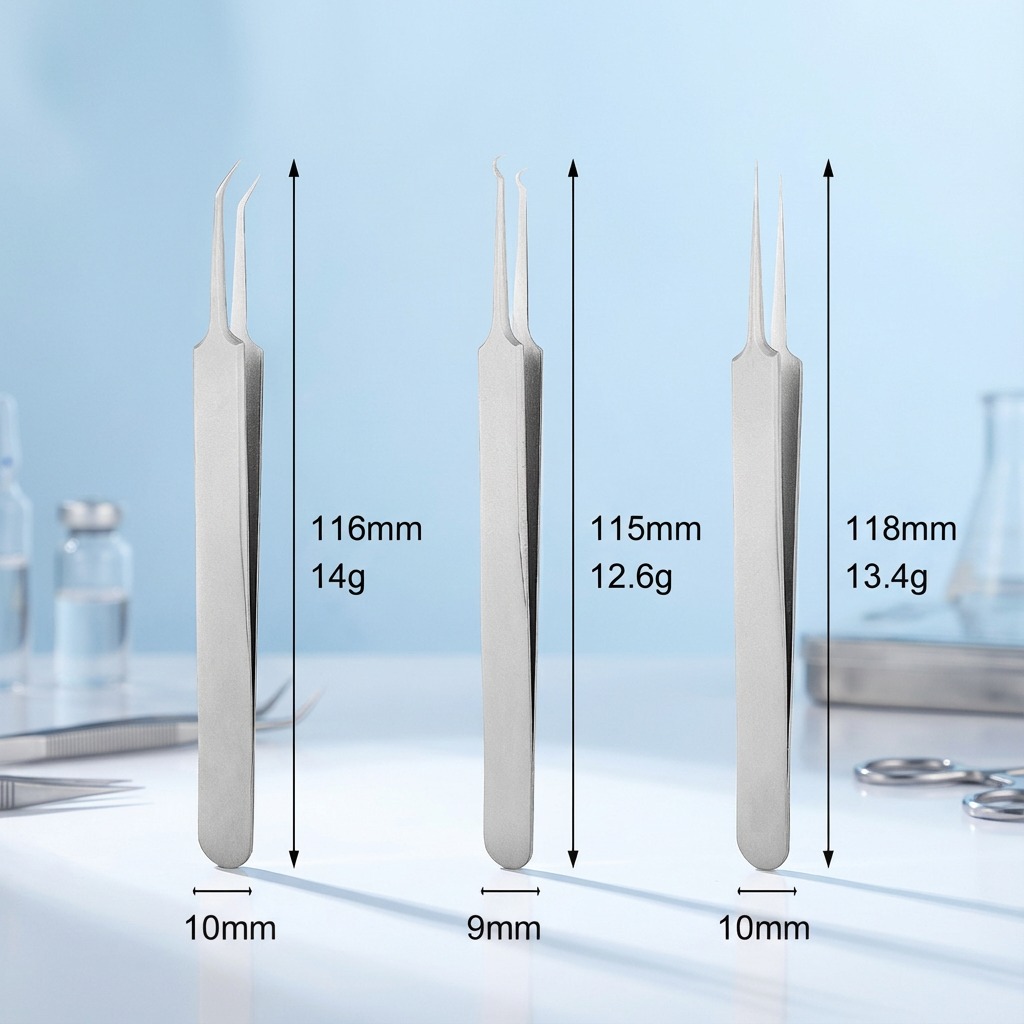
One reason professionals buy tweezers in bulk is that no single shape fits every task. A lash artist may prefer one pair for isolation and another for volume fan pickup. A salon may stock different shapes so each technician can choose according to hand position, service type and personal technique. The supplied Olimor Beauty product information includes examples such as a 116mm length tweezer weighing 14g, a lighter 115mm/12.6g variant with a 9mm width, and a 118mm/13.4g tweezer described as suitable for extended reach in volume extension work.
These measurements can help buyers think about tool feel. A slightly longer tweezer may provide reach, while a lighter tool may reduce fatigue for some users. Width and curvature can influence control, visibility and how naturally the hand rests during application. Because comfort is personal, businesses buying for a team may choose a mix rather than only one style.
| Selection factor | Why it matters | Practical buying note |
|---|---|---|
| Length | Affects reach, balance and visibility around the eye area. | Compare options such as 115mm, 116mm and 118mm when testing samples. |
| Weight | Influences hand fatigue during repeated pickup and placement. | Consider both lighter and slightly heavier tools for different artist preferences. |
| Tip shape | Determines suitability for isolation, classic pickup or volume work. | Stock pointed straight, curved and hook-shaped designs if your services vary. |
| Tip closure | Controls grip on fine lashes, fibers or small beauty items. | Inspect multiple pieces, not only one sample, before scaling an order. |
Quality Control Questions for a Tweezers Factory
A top tweezers factory should be able to explain how it controls consistency. This does not require exaggerated claims; practical details are more useful. Buyers should look for evidence that the supplier checks raw materials, shaping, polishing, tip alignment and packaging. Olimor Beauty states that it applies strict internal controls from raw materials to final packaging and uses thorough inspections. For bulk orders, that type of process matters because a small defect rate can become a large operational problem when multiplied across many pieces.
Before committing to a recurring wholesale purchase, review how the tweezers will be used and sold. A lash training academy may prioritize durable student tools and consistent closure. A premium salon may focus more on hand feel and refined finishing. A distributor may need repeatable packaging and a stable range of shapes. Electronics, crafts and beauty applications may all use tweezers, but the ideal tip strength and fineness can differ, so the intended market should guide the selection.
Useful sourcing questions include: Are the tips protected individually? Are curved and hook-shaped tools inspected for angle consistency? Can the same dimensions be reordered later? Are there visible burrs or sharp edges along the body? Is the stainless steel finish smooth enough for professional cleaning routines? These questions help filter suppliers without relying only on catalog photos.
Care, Storage and Replacement Planning After Purchase
Bulk buying is only effective when the tools remain usable. Tweezers with fine tips should be handled carefully, especially in lash studios where a slight bend can change pickup performance. Dropping a pair onto a hard floor can damage alignment even if the body looks intact. For this reason, salons should store tweezers in protective cases or organized trays rather than loose drawers.
Cleaning and disinfection procedures should follow the salon’s local hygiene requirements and the cleaning products appropriate for the tool material. Stainless steel supports professional use, but tools should still be dried properly and stored away from moisture. Avoid using fine lash tweezers for unrelated tasks such as opening adhesive caps, scraping residue or picking up heavy objects, as this can distort the tips.
Replacement planning is also part of bulk purchasing. High-use salons may separate tweezers into active, backup and training stock. Active tools are used for client services, backup tools remain protected for immediate replacement, and older but still functional tools may be assigned to practice work. This simple system helps protect service quality while making full use of inventory.
How to Build a Smarter Bulk Order
A good first bulk order should reflect actual service demand rather than guessing. List the number of artists, average appointments, cleaning rotation needs, training requirements and retail demand if applicable. Then divide the order by function: isolation tweezers, pickup tweezers, volume or extended-reach options, and spare units. This prevents overbuying one shape while running short on another.
If you are evaluating Olimor Beauty for wholesale or factory sourcing, prepare a clear request that includes intended use, preferred shapes, approximate dimensions if known, packaging needs and whether the tools are for salon use, training or resale. You can send an inquiry with your purchasing requirements or contact Olimor for sourcing support.
Buying tweezers in bulk should improve consistency, not create uncertainty. By focusing on stainless steel quality, tip alignment, ergonomic feel, shape variety and responsible care, beauty professionals can build a tool supply that supports precise work and reliable daily operations.
Tag: