


Bulk Tweezers Sourcing for Beauty Businesses
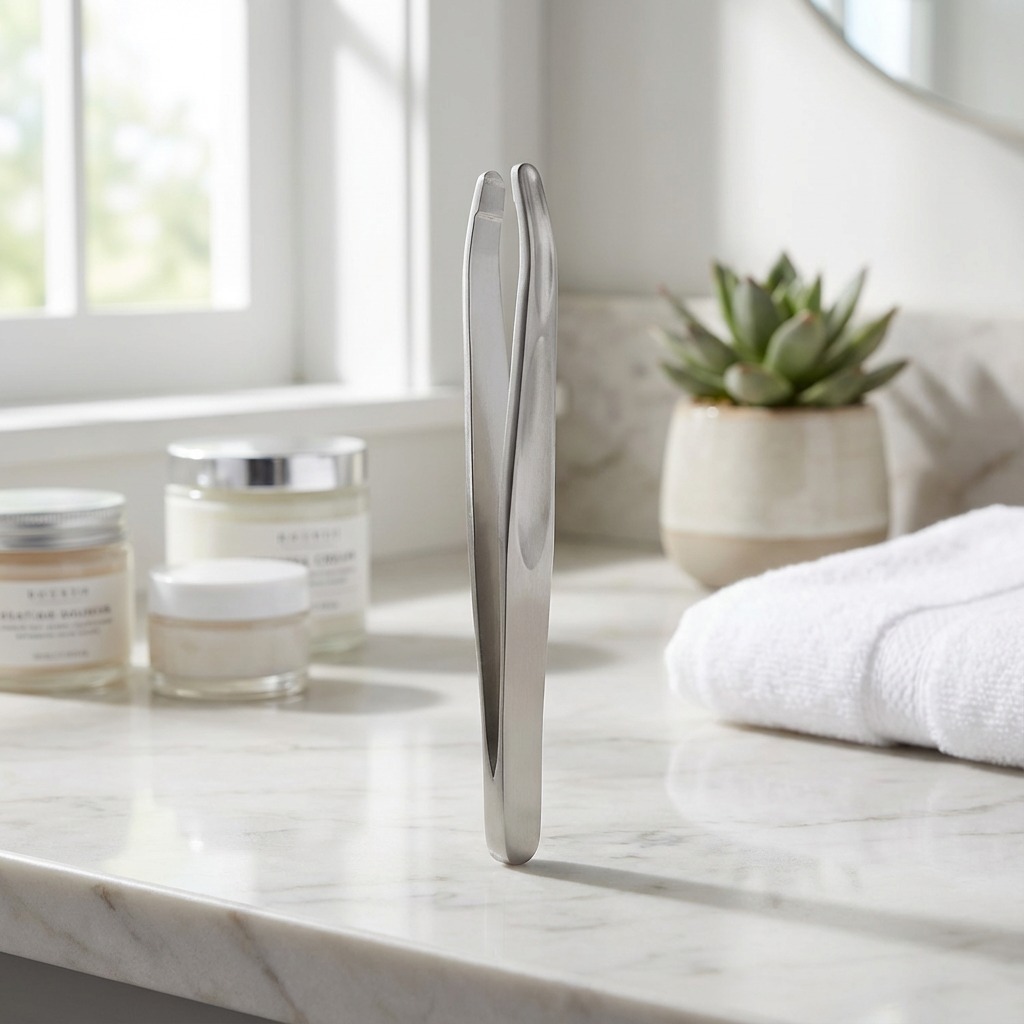
Buying tweezers in bulk is usually a wholesale decision, not a retail one. For salons, brow studios, spas, retailers, distributors, and kit builders, the priority is consistency: the same tip alignment, the same grip feel, the same finish, and the same reorder experience across shipments. Retail can still make sense for testing, urgent replacement, or very small quantities, but it is rarely the best long-term route for a business that depends on reliable tool performance.
The most useful way to choose is to compare the buying channel, then compare the product itself. A good bulk order should match the user’s task, the end market, and the supplier’s ability to keep quality stable. If you want to review Olimor’s broader beauty-tool range while planning an order, you can view Olimor beauty tool products or compare the current collection.
Retail or wholesale: which sourcing route fits?
For most business buyers, wholesale wins on repeatability and control. Retail wins on speed and convenience. The wrong route can create avoidable problems: inconsistent tools on the workstation, packaging that is not suitable for resale, or a supply pattern that is hard to maintain.
| Buying route | Best for | Main strength | Main risk | What to verify |
|---|---|---|---|---|
| Retail | Personal use, emergency replacement, small style tests | Fast access and simple checkout | Higher unit cost and less batch consistency | Tip alignment, finish, and whether the item matches the sample you tested |
| Marketplace listings | Quick comparison and short-term buying | Wide selection | Quality can vary between sellers and batches | Seller detail, product photos, and whether the specification is clear |
| Direct wholesale supplier | Salons, retailers, kit assemblers, distributors | Better control over specification and replenishment | Requires clearer planning before ordering | Material, size, finish, packaging, inspection, and reorder consistency |
If you need a few pieces today, retail can solve the immediate problem. If you need a stable tool program for multiple technicians or a resale assortment, wholesale sourcing is usually the better fit.
What to check before placing a bulk tweezers order
Small tools should still be reviewed with a buyer’s checklist. The supplied product information for Olimor includes stainless-steel slant tip tweezers and a few related shapes in the designer assortment. The practical details that matter most are not flashy claims; they are the features that affect daily handling, cleaning, and presentation.
- Tip style: Slant tips are versatile for brow shaping and general hair removal. Fine tips support more detailed pickup. Curved or arched shapes can help with delicate positioning.
- Tip alignment: The two sides should meet evenly. Gaps, twisting, or rough edges can make gripping difficult and reduce confidence in the tool.
- Material: Stainless steel is commonly preferred for beauty tools because it supports durability and routine cleaning.
- Finish: A satin finish can give a cleaner professional appearance and reduce overly bright shine on the workstation or retail shelf.
- Size and weight: The supplied details for one model include an ergonomic 92 mm length, 10 mm width, and 15 g weight. Those figures help buyers judge hand feel, storage, and packaging fit.
- Spring feel: The tool should open and close smoothly without feeling too stiff or too loose.
- Packaging: If the tweezers will be resold or included in kits, the pack should protect the tips and present the product clearly.
When a supplier can explain these points clearly, it is easier to compare one listing with another and avoid buying on appearance alone.
Common tweezer shapes and how buyers use them
The right shape depends on the workflow. A salon, lash studio, makeup school, and retail buyer may all need different tool profiles even if the product family is similar.
| Shape | Common use | Buyer priority |
|---|---|---|
| Angled fine tip | Brow shaping and controlled hair removal | Even closing action and comfortable angle |
| Straight fine tip | Precise pickup and detailed work | Tip symmetry and clean edge finishing |
| Precision point | Very detailed tasks and careful positioning | Alignment, protective packaging, and safe handling |
| Curved or arched curved | Delicate positioning and hard-to-reach angles | Curve consistency and hand comfort |
| Large curved | Broader handling tasks and specialist beauty applications | Grip stability and balance |
For brow-focused work, angled designs are usually the easiest to standardize. For more detailed beauty tasks, a mixed assortment can make more sense than a single shape.
How to inspect quality before you commit
Sample checking is essential, especially if you plan to place a larger order. A good sample tells you more about the supplier than a product photo ever will.
- Open and close the tool several times. Check whether the motion feels smooth and controlled.
- Test tip contact. Gently close the tips and confirm that they meet evenly.
- Check grip performance. Try the tweezer on a small test fiber or other appropriate test material to see whether it holds securely.
- Inspect the finish. Look for rough edges, uneven coating, or inconsistent shine.
- Review packaging protection. Fine tips should be protected so they do not rub, bend, or become contaminated in transit.
- Compare multiple pieces. Do not judge the whole order from one sample. Batch consistency matters.
For business buyers, this step is where many sourcing problems are prevented. A tool that looks attractive but closes poorly can damage trust quickly in a professional setting.
How to evaluate a tweezers supplier or factory partner
Price matters, but it should not be the only filter. A low quotation is less attractive if the supplier cannot define the product clearly or cannot keep repeat orders consistent.
Look for practical sourcing information such as material, dimensions, tip style, finish, intended use, packaging approach, and how the supplier handles inspection. Olimor’s supplied product descriptions emphasize stainless-steel construction, ergonomic form, and attention to finish. That kind of concrete product detail is useful because it gives buyers something they can verify.
If a supplier refers to a general quality system such as ISO 9001, ask for the exact scope, version, and supporting documentation. Buyers should verify the applicable standard version and any market-specific requirements before ordering. If you sell into a regulated market, also confirm whether your destination rules require additional product, labeling, or import documents from the relevant public body.
- Ask for clear product specs: model, shape, material, dimensions, finish, and packaging.
- Confirm repeatability: ask how consistency is maintained across batches.
- Review inspection language: a reliable supplier should be able to explain how quality is checked before packing.
- Check communication speed: a responsive supplier is easier to work with during sampling, ordering, and reorder stages.
- Match the supplier to the channel: salon supply, resale, training kits, and promotional sets may each need a different packaging and presentation approach.
If you are comparing a broader assortment, it can help to review the whole range before settling on one style. That makes it easier to build a consistent purchasing plan instead of selecting tools one by one.
Which buyer type needs which sourcing approach?
Different business models care about different details. Knowing your use case helps you avoid overbuying the wrong style or under-specifying the right one.
- Salons and brow studios: Usually need dependable grip, comfortable handling, and easy replacement across workstations.
- Lash technicians: Often need more precise shapes and careful tip control for delicate tasks.
- Beauty retailers: Need attractive presentation, clear product identity, and packaging that supports shelf display or online resale.
- Distributors: Need stable supply, batch consistency, and a spec sheet they can rely on for repeat orders.
- Makeup schools and training programs: Need practical shapes that help students learn the difference between angled, straight, curved, and point styles.
One common mistake is assuming all tweezers are interchangeable. In practice, the finish, closing feel, and tip form all influence how the tool performs. For that reason, the best bulk order is usually based on actual tasks, not just on a generic search for cheap tweezers.
Practical ordering and presentation tips
Once you know the style and supplier, think about how the tweezers will be used after delivery. Internal workstation use is different from retail resale or inclusion in beauty kits.
- For internal use: standardize the shape so staff can replace a lost tool without retraining.
- For retail: make sure the product appearance, packaging, and naming are clear to the end customer.
- For kits: choose a shape that is useful to a broad range of users and is easy to explain in the kit instructions.
- For storage: keep tips protected and separate from abrasive items that could dull or bend them.
These small planning decisions can reduce waste, protect the finish, and make reordering easier later.
When to contact Olimor
If you need a source for stainless-steel tweezers or want to compare shapes for salon, retail, or kit use, the next step is to ask for the product details that matter to your channel. A clear inquiry should include the intended use, preferred shape, packaging needs, and any inspection points you want checked before shipment. You can send a sourcing inquiry or talk to the Olimor team about the most suitable product path for your business.
That conversation is most useful when you already know whether you need a slant tip for brow work, a fine tip for detail tasks, or a mixed assortment for a broader beauty-tool program.
FAQ
Can I request samples before a bulk order?
Yes, sample review is a practical first step. It lets you check alignment, finish, spring feel, and packaging before committing to a larger purchase.
What should I ask about MOQ?
Ask the supplier directly, because MOQ can vary by style, packaging, and customization needs. It is better to confirm the applicable minimum before you plan your assortment.
Can bulk tweezers be customized?
Often, yes, but customization depends on the product and supplier setup. Ask about packaging, finish, labeling, or set composition if those are important to your channel.
What quality checks matter most?
Tip alignment, clean edge finishing, smooth opening and closing, and batch consistency matter most. Packaging protection is also important if the product will be stored or resold.
How should I think about lead time?
Do not guess. Confirm lead time with the supplier after you define the style, quantity, and packaging requirements. That is the safest way to align stock planning with your schedule.
Tag: