


Bulk Tweezers for Professional Lash, Brow, and Precision Work
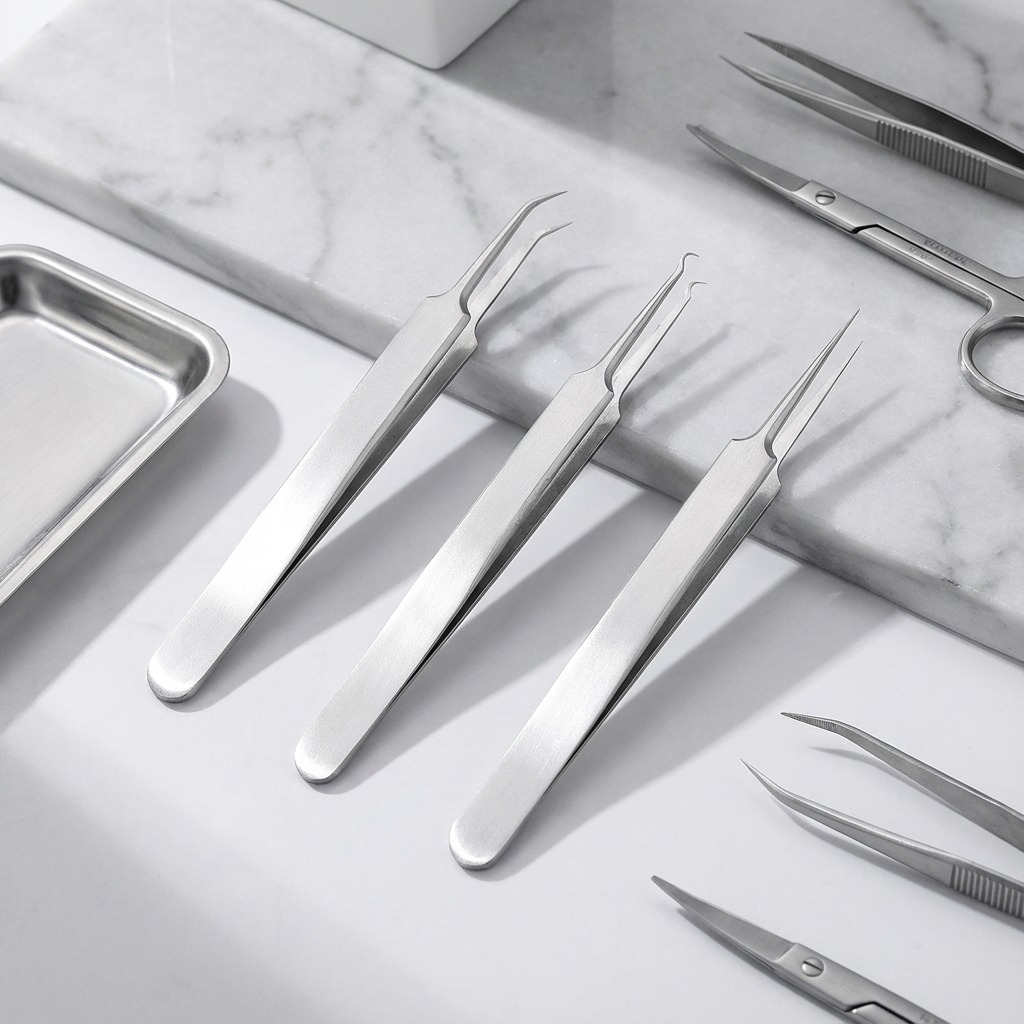
Buying tweezers in bulk is a sourcing decision, not just a unit-price decision. For lash technicians, brow artists, salons, training schools, retailers, jewelry users, electronics handlers, and other detail-work buyers, the most important factors are tip alignment, comfortable handling, stainless steel construction, and consistent quality across the order.
Olimor Beauty supplies stainless steel beauty tools for professional and personal use, including tweezers designed for precise tasks such as eyelash extension work and other careful handling applications. If you are comparing suppliers, this guide explains what to check in samples, how to match tweezer shapes to the task, and which sourcing questions help reduce risk before you place a replenishment order.
Who bulk tweezers are for
Bulk purchasing makes sense when tweezers are used every day, issued to multiple staff members, included in kits, or resold as part of a beauty assortment. The same is true when a school or studio wants every student to work with comparable tools. For these buyers, repeatability matters more than a one-time bargain.
- Salons and lash studios: need dependable grip, stable tension, and shapes suited to specific lash techniques.
- Brow and beauty professionals: need fine, aligned tips for controlled pickup and placement.
- Training academies: need consistent tools so students can learn under similar conditions.
- Retailers and distributors: need clean presentation, durable packaging, and a mix of useful shapes.
- Precision users: such as electronics hobbyists or small repair teams, often need straight, curved, or fine-tipped options for compact work.
When the buyer only looks at unit cost, a low-cost batch can become expensive if many pieces need to be rejected, returned, or replaced. A better approach is to define the required use first, then compare suppliers on consistency, packaging, communication, and inspection practice.
What to check before placing a bulk order
A good bulk tweezer order should perform well in the hand, not just look acceptable in a photo. The basic checks below are practical, easy to compare, and useful for both beauty and precision tasks.
Tip alignment
The tips should meet evenly without crossing, gapping, or twisting. For eyelash extension work, tiny contact differences can affect isolation, pickup, and placement. For fine assembly work, uneven tips can make small components harder to control.
Closing pressure and tension
The tweezer should close with controlled pressure. If the spring tension is too stiff, the tool can fatigue the hand during long sessions. If the tension is too soft, control can suffer. The best choice depends on the user and the intended task, but the feel should be predictable across the batch.
Tip finish and edge feel
Tips should feel smooth and precise, with no burrs, rough edges, or obvious deformation. A rough finish can be distracting in delicate work and may also signal poor handling somewhere in production or packing.
Grip comfort and handling
Comfort matters because beauty and detail-work tools are often held for long periods. A stable body shape and a controlled grip area help reduce strain during repeated use. Olimor Beauty describes some false lash tweezers with a ribbed interior grip for secure, non-slip handling, which is especially relevant when the user needs steady pickup and placement.
Surface consistency
Bulk tools should look uniform across the order. Check for stains, deep scratches, poor polishing, or visible finish variation. In retail kits, inconsistent appearance can reduce customer confidence even if the tools still function.
Material suitability
Stainless steel is widely used for professional tweezers because it supports durability and is suitable for regular cleaning when properly cared for. Buyers should still confirm that the finish and overall construction match the intended cleaning routine and storage conditions.
Packaging protection
Precision tips should be protected during shipping. Loose packing can bend tips or create rub marks before the first use. For retail or kit programs, packaging also affects presentation and shelf readiness.
| Check | What good looks like | Why it matters |
|---|---|---|
| Tip alignment | Even closure without visible gaps or twisting | Supports precise pickup and placement |
| Tension | Controlled opening and closing, not overly stiff | Helps reduce hand fatigue and loss of control |
| Finish | Smooth surface with no rough edges or deformation | Improves handling and indicates better manufacturing care |
| Packaging | Tips protected from bending or rubbing | Preserves usable condition on arrival |
How to choose the right tweezer type
No single tweezer shape fits every use case. The right shape depends on whether the buyer prioritizes lash pickup, brow control, general precision, or retail assortment planning. A thoughtful mix often works better than a single generic option.
| Use case | Helpful features | Buyer focus |
|---|---|---|
| Lash extension or false lash placement | Curved tip, secure inner grip, controlled tension | Check pickup feel, tip contact, and comfort during repeated placement |
| Brow shaping | Fine aligned tips, stable hand feel, balanced tension | Confirm the tool can grasp short hairs without slipping |
| Salon back-bar use | Durable stainless steel, easy-to-clean surfaces, ergonomic handling | Look for repeatability across multiple pieces |
| Retail beauty kits | Clean appearance, reliable closing action, protective packaging | Assess presentation quality and consistency from unit to unit |
| Precision detail work | Straight, curved, or fine-tipped options depending on access needs | Match the tip shape to visibility and working space |
For lash-focused buyers, the main questions are whether the tweezer can grasp and position delicate pieces without crushing them, and whether the shape supports the technician’s hand position. For brow work, tip accuracy and controlled closing action are often more important. For other detail tasks, access, visibility, and safe handling of small parts may matter most.
If you are building a broader beauty assortment, it can help to review the wider Olimor product range and compare tweezers alongside other tools that will be sold or used together.
Comparing the supplied size options
The supplied eyelash extension tweezer specifications show that size and weight can change how a tool feels in the hand. None of these options is automatically better; the right choice depends on hand preference, session length, and the amount of stability the user wants.
| Size | Weight | Width | Best fit |
|---|---|---|---|
| 116 mm | 14 g | 9–10 mm | Users who prefer a more substantial grip and a firmer feel |
| 115 mm | 12.6 g | 9–10 mm | Technicians who want a lighter feel for agile, detailed movements |
| 118 mm | 13.4 g | 9–10 mm | A balanced middle option for general precision work |
When comparing these options, test them in the actual working posture used by the technician. A tool that feels comfortable in a short sample test may feel different after repeated pickup and placement. That is why bulk buyers should always evaluate the feel over multiple motions, not only by looking at the profile or photo.
How to evaluate suppliers before you commit
A serious tweezer supplier should be able to discuss practical manufacturing details, not just send a product image. Buyers should ask how tip alignment is checked, how finish defects are handled, how bulk packing protects the points, and how repeat supply is managed for future replenishment.
For recurring bulk purchases, factory-direct sourcing can be useful when you want a stable source rather than a one-time mixed order. Retailers may care most about assortment variety and packaging support. Salons may care most about steady replacement supply. Distributors may need clear communication and predictable shipment preparation.
- Request or review product specifications: confirm length, weight, width, material description, and intended use.
- Check samples before scaling: test tip contact, hand comfort, finish, and pickup behavior in real work conditions.
- Define acceptable rejects: decide in advance what counts as a defect, such as visible gaps, bent points, or rough tips.
- Review packaging protection: make sure precision tips will not rub freely against other metal items in transit.
- Plan replenishment: for schools, salons, and retailers, repeatable supply often matters more than a short-term discount.
If you need a more focused conversation about bulk requirements, customization questions, or packaging options, you can send details through the bulk inquiry form or use the contact page to discuss the use case before ordering.
Care, storage, and use practices
Even a well-made tweezer can lose practical precision if it is handled poorly after purchase. The simplest maintenance routine is also the most effective: clean residue promptly, dry the tool before storage, and keep the tips protected from impact or bending.
- Clean after use according to the salon or workplace routine.
- Dry before storage so residue and moisture do not remain on the surface.
- Store tips protected, not loose with heavier metal tools.
- Remove any bent or damaged piece from active use immediately.
- Inspect selected pieces regularly if the tweezers are used in repeated daily services.
These habits are especially important in salons and training environments, where many users may handle the same tools. They also help retail buyers protect product appearance before sale. If your market requires documented quality management, ask whether the supplier works within a recognized system such as ISO 9001 and request the current supporting documentation. Where applicable, buyers should also verify any local hygiene or handling guidance from public bodies relevant to their market; do not rely on a label alone.
When bulk tweezers are worth the order
Bulk tweezers are worth purchasing when the buyer needs repeatable performance, multiple shapes, or a stable replenishment path. The best order is usually the one that balances function, packaging, and supplier reliability rather than the one with the lowest upfront price. For lash, brow, beauty retail, and other precision tasks, the difference between a usable tool and a frustrating one often comes down to details that can be checked before committing to volume.
Olimor Beauty can support buyers who want stainless steel tools for professional or personal use and need a sourcing conversation grounded in practical requirements. To review options first, browse the tweezer collection, then compare the shapes and finishes against your use case before placing a bulk request.
FAQ
Can I request samples before a bulk order?
Yes, that is usually the best way to confirm tip alignment, tension, finish, and grip feel before scaling up. Ask what sample process applies to your order.
What should I check first in a sample?
Start with tip contact, closing pressure, surface finish, and whether the tool feels comfortable through repeated open-close motions. For lash work, test pickup and placement directly.
Can tweezers be customized for my program?
Customization may be possible depending on the order and the supplier’s production setup. Discuss the required shape, packaging, and presentation details early in the sourcing process.
How do I judge quality in a bulk shipment?
Use a simple inspection record. Note how many pieces were checked, how many passed, and which defects appeared. That makes supplier comparison more objective.
What affects lead time for bulk tweezers?
Lead time depends on order scope, customization, packaging needs, and production schedule. Ask the supplier to confirm the factors that apply to your request rather than guessing from a generic listing.
Tag: