

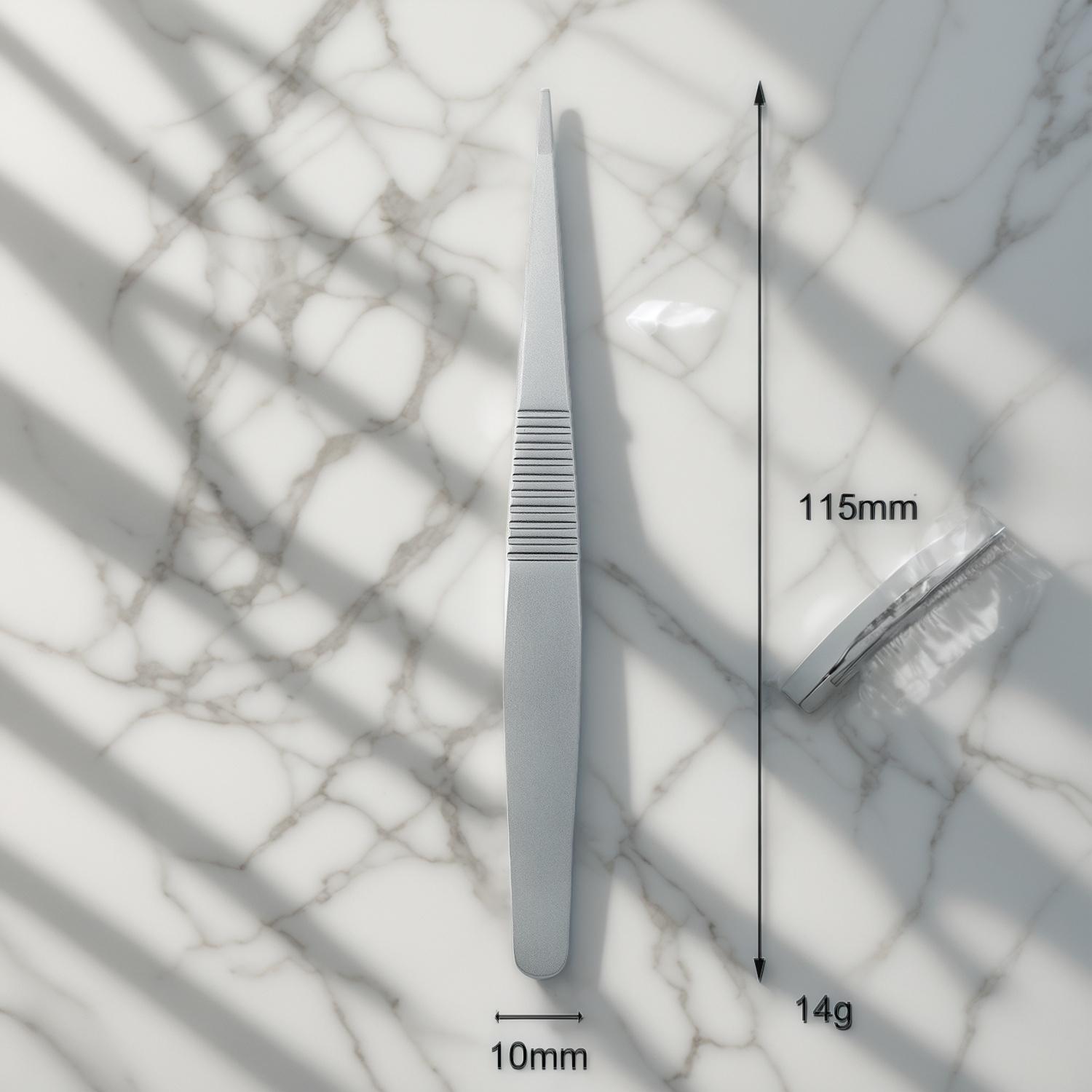
Buy Tweezers in Bulk: How to Choose a Reliable Wholesale Partner
When you buy tweezers in bulk, the goal is not simply to fill a stockroom. The right tweezer line affects daily service quality, retail satisfaction, return rates, and how confidently your team can work on detailed grooming or beauty tasks. For salons, lash studios, brow bars, beauty retailers, and distributors, bulk purchasing should be based on material, tip alignment, handling comfort, consistency, and supplier reliability.
Tweezers may look simple, but small differences in weight, grip tension, finish, and tip precision can change how they perform. A pair that feels acceptable for occasional home use may not be suitable for repeated professional work. This guide explains how to compare titanium and stainless steel options, what to check before committing to a wholesaler, and how to build a purchase checklist that supports long-term product quality.
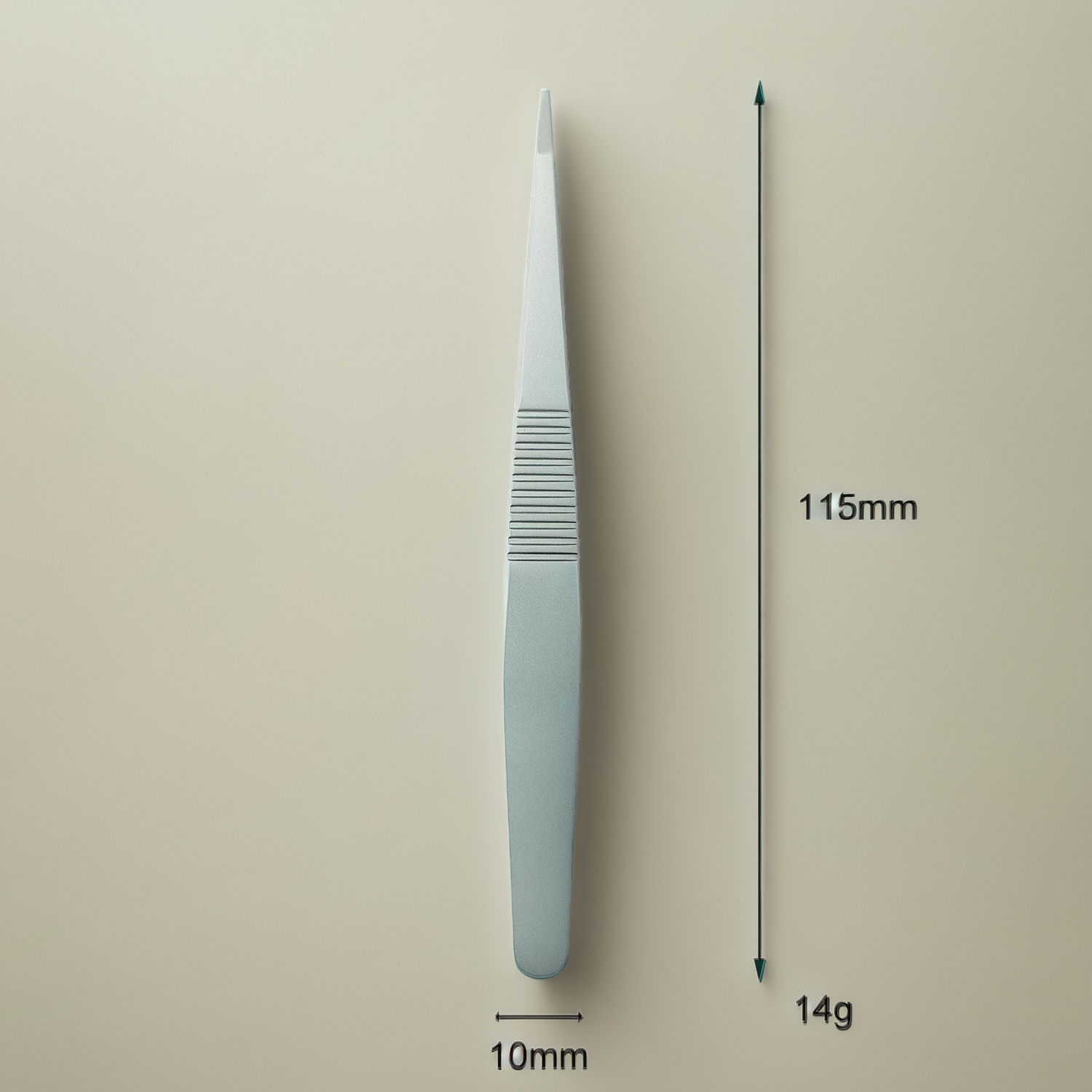
Start with the Buyer’s Use Case, Not Just the Unit Price
The best bulk tweezer purchase begins with a clear view of who will use the tool and how often. A beauty retailer may need a balanced assortment for consumers, while a lash or brow professional may prioritize lightweight handling and accurate tip contact during long appointments. A distributor may need a dependable product that can be positioned across several customer segments without creating quality complaints.
Before comparing quotes, define your main use case. Are the tweezers intended for brow shaping, lash extension work, general grooming, retail beauty kits, professional salon resale, or promotional sets? Each channel has different expectations. Retail customers often judge a tweezer by packaging, finish, and ease of use. Professionals are more sensitive to tip precision, fatigue, and repeatable performance. If you serve both groups, consider whether one universal option is enough or whether a small range of materials and styles will reduce compromise.
Olimor Beauty supplies beauty tools for buyers who need practical product decisions rather than vague catalog promises. You can explore related beauty tool products to compare how tweezers fit into a broader grooming or salon assortment.
Titanium vs. Stainless Steel Tweezers for Bulk Orders
Two common professional choices are titanium and stainless steel. The original purchasing decision often comes down to weight, durability expectations, corrosion resistance, and budget positioning. Titanium tweezers, including the SleekGrip Titanium model, are valued for being lightweight. Lower weight can help reduce hand fatigue during long, detailed procedures, especially when the tool is used repeatedly throughout the day.
Stainless steel tweezers, including Sleek Stainless Steel Tweezers, are a familiar industry standard. They are known for durability and resistance to rust, and they often suit buyers who want reliable everyday performance at a more accessible price point. Stainless steel may feel slightly heavier than titanium, but a well-designed shape can still provide strong control and precision.
| Selection Factor | Titanium Tweezers | Stainless Steel Tweezers |
|---|---|---|
| Weight and hand fatigue | Typically lighter, helpful for long detailed sessions | Slightly heavier, but can still be comfortable with ergonomic design |
| Durability expectations | Strong and suited to premium positioning | Durable and widely used for everyday professional work |
| Corrosion resistance | Known for strong corrosion resistance | Resistant to rust when properly maintained |
| Buyer positioning | Suitable for premium tools or professional upgrade lines | Suitable for broad retail, salon, and distributor assortments |
| Cost strategy | Often positioned as a higher-value option | Often easier to include in larger-volume programs |
Neither material is automatically the better choice for every buyer. Titanium can be useful when comfort and premium feel are important. Stainless steel is practical when you need a durable, familiar, and scalable product. Many bulk buyers carry both: titanium for professional or premium customers, and stainless steel for everyday grooming and wider retail sales.
What to Inspect Before You Buy Tweezers in Bulk
Quality control for tweezers is about small details. A pair of tweezers can have a polished appearance but still fail if the tips do not meet evenly or if the tension is inconsistent. Before approving a wholesale order, review sample performance in realistic conditions rather than only looking at catalog photos.
- Tip alignment: The tips should meet evenly without visible gaps. Poor alignment reduces grip accuracy and can frustrate users.
- Grip tension: The tweezer should close with controlled pressure. If it is too stiff, it causes fatigue; if it is too loose, it may feel unstable.
- Edge finish: Tips should be precise but not rough. Check for burrs, uneven edges, or finishing defects.
- Surface consistency: Look for scratches, discoloration, or inconsistent finishing across samples.
- Hand feel: Test whether the shape feels stable during repeated opening and closing.
- Packaging fit: Confirm that packaging protects the tips and supports your sales channel, whether retail, salon resale, or distribution.
- Batch consistency: One good sample is not enough. Compare multiple pieces to see whether quality is repeatable.
If your business plans to include tweezers in a broader program, review the relevant product collections to think through assortment structure, packaging consistency, and the role tweezers play alongside other beauty tools.
How to Evaluate a Tweezers Wholesaler
Selecting a tweezers wholesaler is as important as choosing the tweezer material. A dependable supplier should help you compare product options clearly and provide enough information for a confident sourcing decision. Good wholesale buying depends on communication, product consistency, and the ability to support your intended market.
When reviewing a supplier, consider whether they can explain the difference between available materials, finishes, and tool shapes in practical terms. If every product is described with the same generic claims, it becomes difficult to decide what suits your customers. A useful supplier should also be comfortable discussing quality checkpoints such as raw material selection, tip finishing, packaging protection, and final inspection.
Olimor Beauty positions tweezers as precision beauty tools rather than simple accessories. That matters for buyers because end users notice accuracy quickly. A tweezer that fails to grip fine hairs, feels awkward in the hand, or arrives with damaged tips can affect repeat business. If you are comparing suppliers or need product guidance, you can contact Olimor with your intended application and purchasing channel.
Sourcing Questions That Help Prevent Costly Mistakes
Bulk buying works best when the questions are specific. Instead of asking only for the cheapest option, build a checklist that clarifies product expectations and reduces confusion before production or shipment. The following questions are useful for salons, retailers, importers, and distributors.
- Which material best matches the target user? Titanium may suit premium or high-frequency use, while stainless steel may suit broad everyday demand.
- What tweezer shapes are available? Different tip shapes may be better for different grooming or beauty tasks.
- How are the tips protected during packing? Tip damage can make an otherwise good tool difficult to sell or use.
- Can samples be reviewed before a larger order? Testing samples helps confirm alignment, tension, and finish.
- How consistent are multiple pieces from the same batch? Consistency is critical for wholesalers and retailers.
- What packaging options fit the sales channel? Retail display packaging and professional supply packaging may have different priorities.
- What information is available for labeling and care instructions? Clear use and maintenance guidance can reduce customer complaints.
These questions are especially important if you are buying for resale. Your customers will judge the tool by performance, not by the sourcing process behind it. A structured checklist makes it easier to compare suppliers on more than price.
Care, Storage, and Handling for Longer Tweezer Life
Maintenance is often overlooked in bulk tweezer programs, but it can influence product satisfaction. Even a well-made tweezer can lose accuracy if the tips are dropped, bent, or stored without protection. For professional users, care instructions should be simple and repeatable. For retail customers, packaging or inserts can help prevent misuse.
Encourage users to keep tweezers dry after cleaning, store them with the tips protected, and avoid using the tool for tasks that can damage alignment. Tweezers should not be tossed loosely into a crowded drawer or tool pouch where the tips can hit harder objects. If the product is sold to salons or brow specialists, include handling guidance that supports repeated daily use.
For retail buyers, a protective cap or secure packaging can add practical value because the most delicate part of the tool is the tip. For distributors, protected storage during transport is also important. A shipment that looks fine externally can still disappoint customers if individual tools shift inside packaging and arrive with bent tips.
Building the Right Bulk Tweezer Assortment
A smart assortment does not need to be complicated. Start by matching product tiers to customer needs. For example, a stainless steel tweezer can serve as a reliable core item for general grooming, retail sales, or salon back-bar use. A titanium option can be positioned for professionals or customers who value a lighter tool for extended handling.
If your business is unsure where to begin, start with a focused assortment rather than too many overlapping choices. Too many similar products can create inventory confusion, while too few may limit your ability to serve different user expectations. Compare samples, review packaging, and test the tool with the tasks your customers actually perform.
Buying tweezers in bulk is ultimately a balance of material, workmanship, comfort, and supplier reliability. Titanium and stainless steel each have a clear place in the professional beauty-tool market. By inspecting samples carefully, defining the target use case, and working with a wholesaler that communicates product details clearly, you can build a tweezer program that supports both daily performance and long-term customer trust. To discuss a bulk tweezer project or request guidance for your purchase plan, send an inquiry to Olimor Beauty.
Tag: