

Buy Tweezers in Bulk: How Beauty Businesses Choose Reliable Suppliers
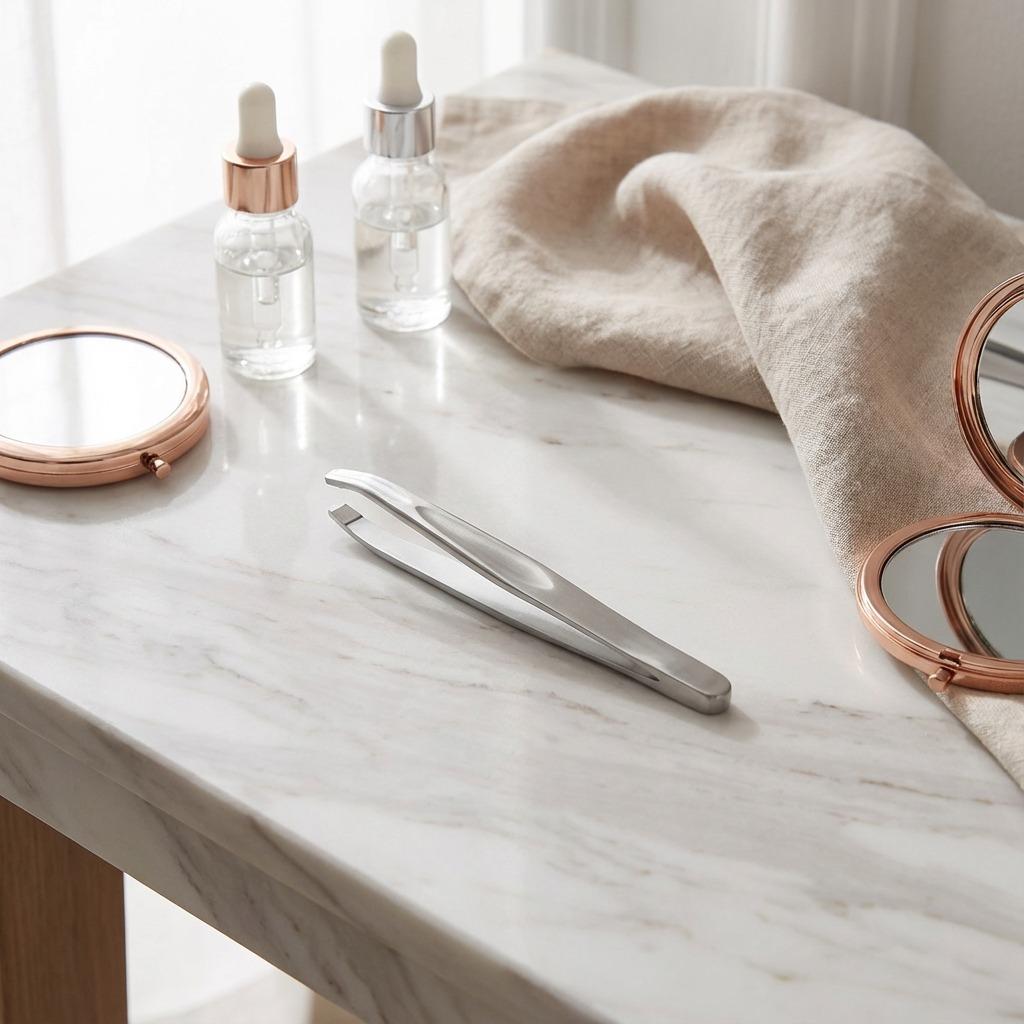
Buying tweezers in bulk is a quality decision before it is a price decision. For salons, lash artists, beauty retailers, distributors and grooming kit brands, tweezers are small tools that customers judge immediately. If the tips do not meet evenly, the tension feels wrong, the handle slips, or the finish looks inconsistent, the product can create complaints far beyond its unit cost.
The right sourcing process helps you choose tweezers that match the real application, whether that is false lash placement, brow grooming, retail beauty accessories, travel kits or professional salon stations. This guide explains how to compare bulk tweezer suppliers, what to inspect before ordering, and how to evaluate practical details such as material, tip shape, hand feel, finish consistency and packaging readiness.
Olimor Beauty supplies beauty tools for businesses that need practical product options and sourcing support. Buyers can review current categories through Olimor beauty tool products or discuss a project through the bulk inquiry page when they are ready to compare styles, packaging needs or customization possibilities.
Start With the Tweezer Use Case Before Comparing Prices
Bulk tweezers are purchased for different business reasons, and each use case changes the selection criteria. A lash studio may need professional tools for artists who work through repeated appointments. A brow salon may prioritize precise tip contact and hand comfort. A retailer may need attractive, reliable tools for resale. A distributor may care most about batch consistency, protective packing and repeat supply.
Before requesting quotations, define the main job the tweezers must perform. False lash placement, eyebrow shaping, splinter removal, grooming kits and retail beauty accessories do not all require the same tip shape, tension or packaging. A supplier can only recommend the right tool when the buyer is clear about the intended use.
- False lash application: curved or contoured tips can help grip and maneuver lash materials at a workable angle.
- Brow grooming: clean tip alignment and precise gripping are important for fine hair removal.
- Professional salon use: comfort, smooth spring tension and durable finishing matter because tools are used repeatedly.
- Retail resale: finishing consistency, safe packaging and clear product presentation affect customer confidence.
- Beauty or grooming kits: the tweezer must fit securely with other tools and match the kit positioning.
It is useful to separate bulk buying from simply buying cheap tweezers. A low unit price can look attractive, but poor alignment, rough edges or inconsistent batches may lead to returns, weak repeat sales or service frustration. A stronger bulk purchase balances cost, consistency and suitability for the task.
What Makes a Bulk Tweezers Supplier Reliable?
A reliable bulk tweezer supplier is not defined only by a catalog page or a low quotation. Reliability comes from product understanding, manufacturing discipline, communication, quality checking and the ability to support repeat orders. Professional beauty tweezers need consistent tip contact, appropriate tension and a comfortable grip. Small variations can become obvious when artists use the tool repeatedly or when retailers compare products across cartons.
When evaluating a tweezers manufacturer, wholesaler or beauty-tool supplier, ask how the supplier controls practical product details. The conversation should go beyond color and price. A buyer should understand the available material options, tip types, finishing method, inspection approach, packaging choices and reorder support.
Olimor Beauty’s tweezer range includes examples relevant to different selection priorities. Its Ultra-Sleek Ergonomic Tweezers are described as crafted from superior stainless steel, designed for ergonomic comfort and made with hand-filed tips for precise gripping. Its False Lash Tweezer is designed for lash work, with contoured, curved tips intended to grip and maneuver false lashes and a textured handle for steadier control. The 92mm Titanium Tweezer is described as lightweight at 15 grams, corrosion-resistant and designed to provide control and longevity.
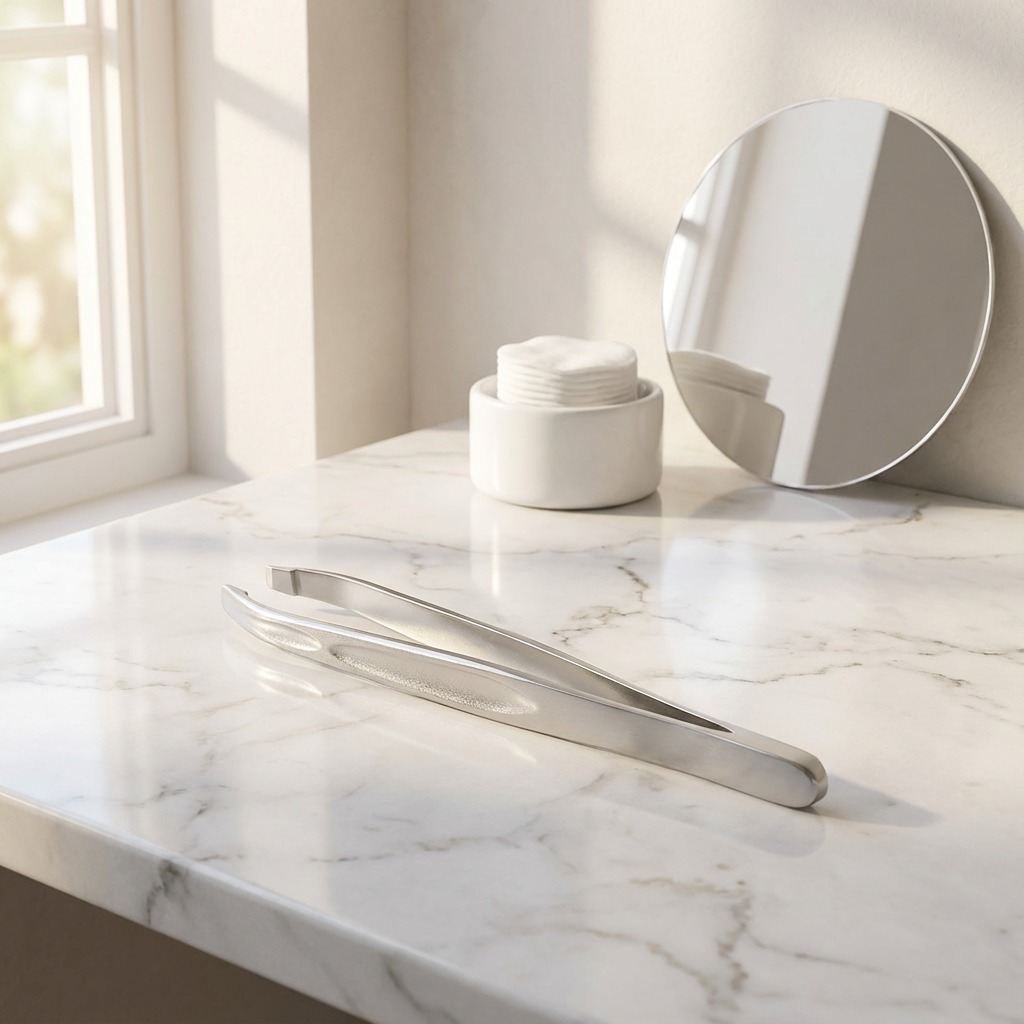
These product details show why buyers should match the tweezer to the job. A lash tool, a brow tool and a general grooming tool may all look similar in a small product photo, but the working feel can be very different.
Key Product Details to Check Before Ordering Tweezers in Bulk
Tweezers look simple, but small manufacturing differences affect performance. During sample review, focus on details that can be inspected and tested rather than relying only on appearance.
Tip Alignment and Tip Shape
The two tips should meet cleanly without a visible gap, twist or crossing. Good alignment helps the user grip fine hair, lash materials or thin items with less pressure. For false lash work, curved or contoured tips may give better approach and control. For brow grooming, precise meeting points and clean tip finishing are often more important than decorative features.
Material and Surface Finish
Stainless steel is widely used for beauty tools because it supports durability and hygiene-conscious use. Titanium can be valued for lightweight handling and corrosion resistance where that product option is available. Regardless of material, check for scratches, burrs, discoloration, uneven coating, rough edges or inconsistent polishing across multiple pieces.
Spring Tension and Hand Comfort
Tweezers should close smoothly without feeling too stiff or too loose for the intended task. Overly stiff tools may fatigue the hand during repeated salon use. Loose tools may feel uncontrolled or fail to grip reliably. Balance, handle shape and texture are especially important for lash artists and brow professionals who repeat the same motion many times.
Packaging Compatibility
Bulk tweezers still need suitable protection during storage, shipping and presentation. Confirm whether the tool will be packed for retail display, salon back-bar use, beauty kits, pouches or protective storage. Tips should be protected so they do not become damaged before the customer receives the product.
Supplier Comparison: Marketplace, Wholesaler or Factory-Direct Source?
Many buyers begin with online marketplace listings because products are easy to browse and compare. Marketplaces can be useful for quick sampling or very small trial orders, but they may provide limited control when consistency, packaging and long-term repeat supply are important. Product images can look similar even when actual tip finishing, material thickness and inspection standards differ.
A tweezers wholesaler may offer stock availability and faster access to existing styles. This can work well for distributors or retailers that need standard products without many custom requirements. The tradeoff is that wholesale inventory may limit your ability to adjust finish, packaging, assortment structure or branding details.
Working closer to a tweezers factory or specialized beauty-tool supplier can be more suitable when you need repeatable quality, clearer production communication or customization discussions. Factory-direct communication can also help clarify details that are difficult to judge from a listing, such as tip grinding, polishing consistency, carton packing, inspection steps and whether the same design can be reordered reliably.
| Buying route | Best fit | Main advantage | What to verify |
|---|---|---|---|
| Online marketplace | Quick browsing, small trials or early product research | Easy comparison of many listings | Actual sample quality, supplier identity, batch consistency and packaging protection |
| Wholesaler | Retailers or distributors needing standard stock styles | Access to existing inventory and familiar product types | Reorder availability, product variation between batches and limits on customization |
| Factory or specialized beauty-tool supplier | Private-label buyers, distributors and brands needing repeatable supply | Better communication about manufacturing, inspection and packaging details | Sample approval process, production communication, quality checks and documentation |
For buyers building coordinated beauty lines, it may help to review related categories through Olimor product collections so tweezers can be planned alongside manicure tools, grooming accessories or cosmetic tool sets rather than sourced as isolated items.
A Practical Sample Testing Checklist for Bulk Tweezer Buyers
Sampling should be structured and repeatable. A sample that only looks good on a desk may not perform well in real beauty work. Test the tool as the end user will use it, and inspect more than one piece whenever possible.
- Inspect the tips under good lighting. Close the tweezers slowly and check whether the tips meet evenly from the point inward.
- Test grip on the target material. For brow tweezers, try gripping a fine hair, thread or similarly thin material. For lash tweezers, test the tool with lash strips or individual lash materials if that matches your use.
- Check repeated closures. Open and close the tweezers several dozen times to see whether the action remains smooth and controlled.
- Assess hand comfort. Ask the intended users to test the tool. Salon professionals may notice fatigue that casual reviewers overlook.
- Review handle texture. A textured handle can help maintain control, especially during detailed lash placement or repeated service work.
- Check finish and edges. The tool should feel smooth where it contacts the hand and should not have burrs, rough areas or distracting sharp edges.
- Compare multiple pieces. Bulk buying is about consistency, so inspect several units rather than relying on one best sample.
- Confirm packaging fit. Make sure the tool sits securely in its pouch, card, box or kit compartment and will not damage surrounding items.
- Record results. Keep notes and photos so purchasing decisions are based on evidence rather than memory.
This process protects both service quality and resale value. Customers may not know manufacturing terms, but they quickly understand whether a tweezer grips well, feels comfortable and looks cleanly finished.
Cost Factors When Buying Tweezers in Bulk
Bulk tweezer pricing depends on more than order size. Buyers should compare the total sourcing picture rather than focusing only on the lowest quoted unit cost. A more complete comparison includes the material, tip finishing, handle design, polishing or coating requirements, packaging format, customization needs, inspection expectations and shipping arrangement.
For example, a simple standard tweezer for a value grooming kit may have different cost drivers than a specialized false lash tweezer with contoured tips and textured grip. A retail-ready product may require packaging design, barcode planning, label consistency and carton protection. A salon-use tool may justify closer attention to tension, grip and hand comfort because the tool directly affects professional service work.
When comparing quotations, ask suppliers to clarify what is included. Are samples available for evaluation? Is packaging included or quoted separately? Can the same style be reordered? How are defective or damaged pieces handled? Are customization options available for branding or packaging? These questions help prevent hidden cost surprises and make supplier quotations easier to compare fairly.
Customization, Private Label and Packaging Readiness
Many beauty businesses buy tweezers in bulk because they need products that fit a retail line, salon identity or kit program. Customization may involve logo placement, packaging style, assortment planning or selecting a finish that matches other tools. The right supplier should be able to discuss what is practical for the product type without promising unsupported features.
For private-label tweezer projects, provide the supplier with clear requirements. Share the intended sales channel, target user, packaging format, product positioning and any market-specific labeling needs. If the tweezer will be part of a kit, confirm dimensions and packing method early so the tool fits securely and does not scratch neighboring items.
Olimor Beauty notes ordering flexibility, including low MOQ tweezers, which can help businesses test demand before expanding. Because MOQ, customization and production planning depend on the selected product and project scope, buyers should confirm the current requirements directly rather than assuming a fixed number.
Quality Documentation and Standards to Discuss
Beauty-tool buyers should ask suppliers what quality system, inspection process and documentation they can provide for the specific order. For management systems, ISO 9001 is a widely recognized quality management standard that some buyers use as a reference point when evaluating supplier process control. However, buyers should verify the applicable version, scope and supplier documentation directly. Do not assume a supplier holds any certification unless current documents are provided and reviewed.
Requirements can also vary by market and product positioning. A beauty tweezer sold for cosmetic grooming may be treated differently from a tool marketed for medical or splinter-removal use. Buyers should confirm applicable regulations, labeling and documentation requirements in their own destination market and sales channel.
Practical supplier evaluation should include both documents and physical checks. A certificate or quality statement does not replace sample testing. Likewise, a good sample should be supported by repeatable inspection practices for bulk production.
How to Shortlist a Bulk Tweezers Supplier
A strong shortlist combines product fit, communication quality and commercial practicality. The supplier should understand the intended beauty task, provide samples that can be tested, explain material and finish options, and respond clearly to packaging or customization questions.
- Product fit: The tweezer style matches the intended use, such as lash placement, brow grooming or retail kits.
- Inspection mindset: The supplier can discuss tip alignment, tension, finish consistency and packing protection.
- Sample support: You can review physical samples before committing to a larger purchase.
- Clear communication: Questions about customization, packaging, reorder planning and quality checks receive specific answers.
- Repeat supply: The supplier can discuss how the same or comparable design can be reordered over time.
- Commercial fit: MOQ, packaging scope and production planning fit your business stage without relying on unsupported promises.
If you are comparing tweezer options for a salon, retail line or distributor program, Olimor Beauty can help you review suitable product directions and project details. To start a focused conversation, use the Olimor contact page with your intended use, packaging needs and target sales channel.
FAQ: Buying Tweezers in Bulk
Can I request samples before placing a bulk tweezer order?
Yes, sample evaluation is strongly recommended. Samples help you test tip alignment, grip, tension, hand comfort, finish and packaging fit before approving a larger order. Confirm the current sample process directly with the supplier.
What MOQ should I expect for bulk or private-label tweezers?
MOQ depends on the selected tweezer style, packaging, customization and production plan. Olimor Beauty notes low MOQ tweezer options, but buyers should confirm the current requirement for their specific project rather than assuming a fixed quantity.
Can tweezers be customized for a retail brand or beauty kit?
Customization may be possible depending on the product, finish, logo method, packaging format and order scope. Share your intended sales channel, kit requirements and branding needs early so the supplier can advise what is practical.
What quality checks matter most before shipment?
Key checks include tip alignment, tip finishing, spring tension, handle comfort, surface finish, edge smoothness, packaging protection and consistency across multiple pieces. For lash tweezers, test grip and control with the target lash material.
How should I compare lead time between suppliers?
Ask what the quoted lead time includes, such as sample approval, packaging confirmation, production and final inspection. Lead time can change with customization and order complexity, so confirm it in writing for the exact project.
Tag: