

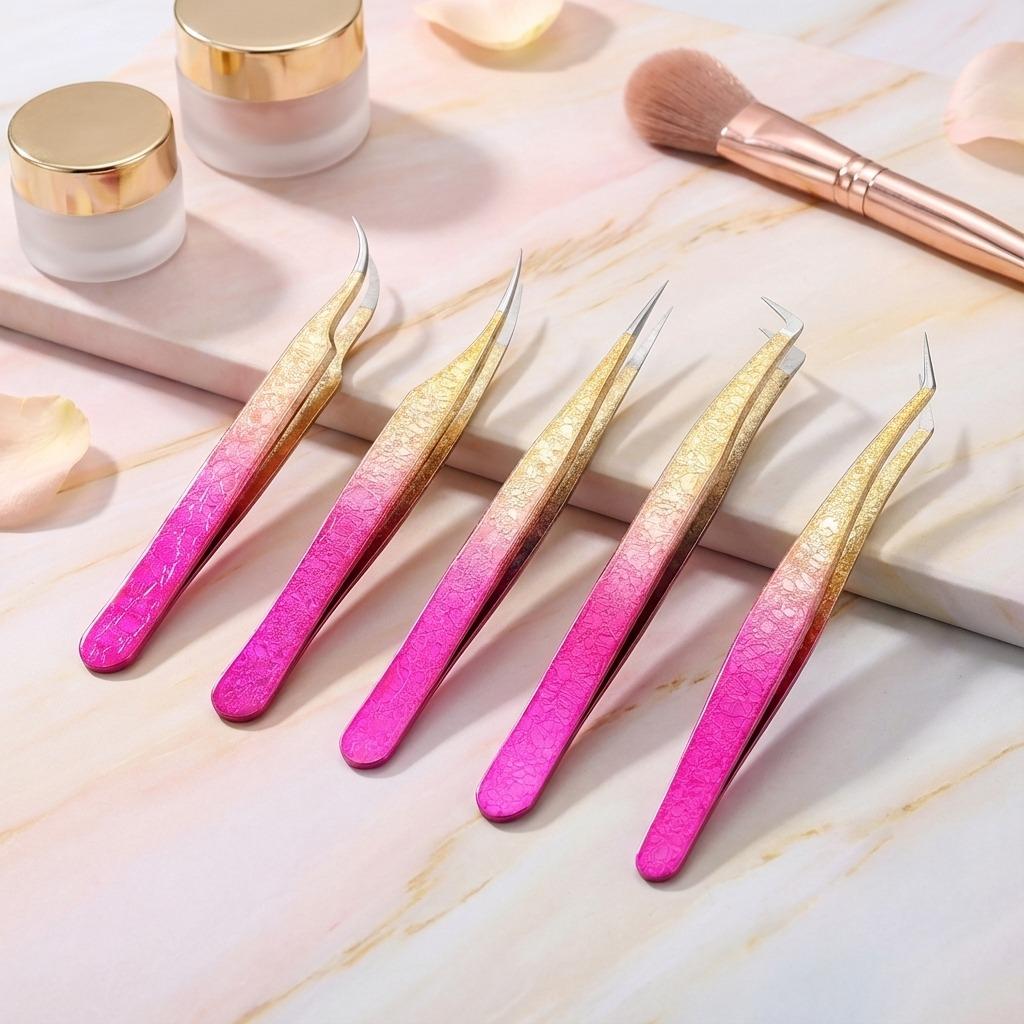
Buy Tweezers in Bulk for Lash and Brow Professionals
Buying tweezers in bulk is not only a cost decision. For lash artists, brow specialists, salon owners, beauty academies, and distributors, tweezers affect speed, comfort, sanitation workflow, and the consistency of close-detail work. A tweezer that feels acceptable for occasional personal use may not perform well through repeated isolation, pickup, shaping, cleaning, and storage in a professional environment.
Bulk purchasing also changes the way you evaluate tools. Instead of asking whether one pair looks attractive, the better question is whether a batch can support different techniques, different hand preferences, and repeated use across multiple workstations. Olimor Beauty supplies beauty tools for professional buyers, including tweezer options suited to lash and brow work. If you are comparing beauty tool products for a salon, retail program, or distribution order, the checklist below can help you choose with more confidence.
Why Bulk Tweezers Need a Professional Buying Standard
Professional tweezers are used in situations where millimeters matter. Lash isolation requires a clean separation between natural lashes. Volume lash work needs a tip that supports controlled fan pickup. Brow shaping demands accurate hair removal without excessive pressure on the skin. When a salon buys in bulk, every pair should support repeatable handling, not just look uniform in packaging.
Bulk buying is especially useful when a business wants the same tool feel across multiple technicians. It helps reduce the mismatch that happens when artists gradually collect random tweezers from different retailers. A consistent set can make training easier, simplify replacement planning, and support a cleaner workstation setup.
However, bulk buying can also multiply a poor decision. If the tips are misaligned, the tension is too stiff, or the finish wears poorly, the problem affects the whole team. That is why a professional sourcing process should include more than price comparison. Tip geometry, closing tension, grip surface, material choice, finish quality, and assortment planning all matter.
Match Tweezer Types to the Work You Actually Do
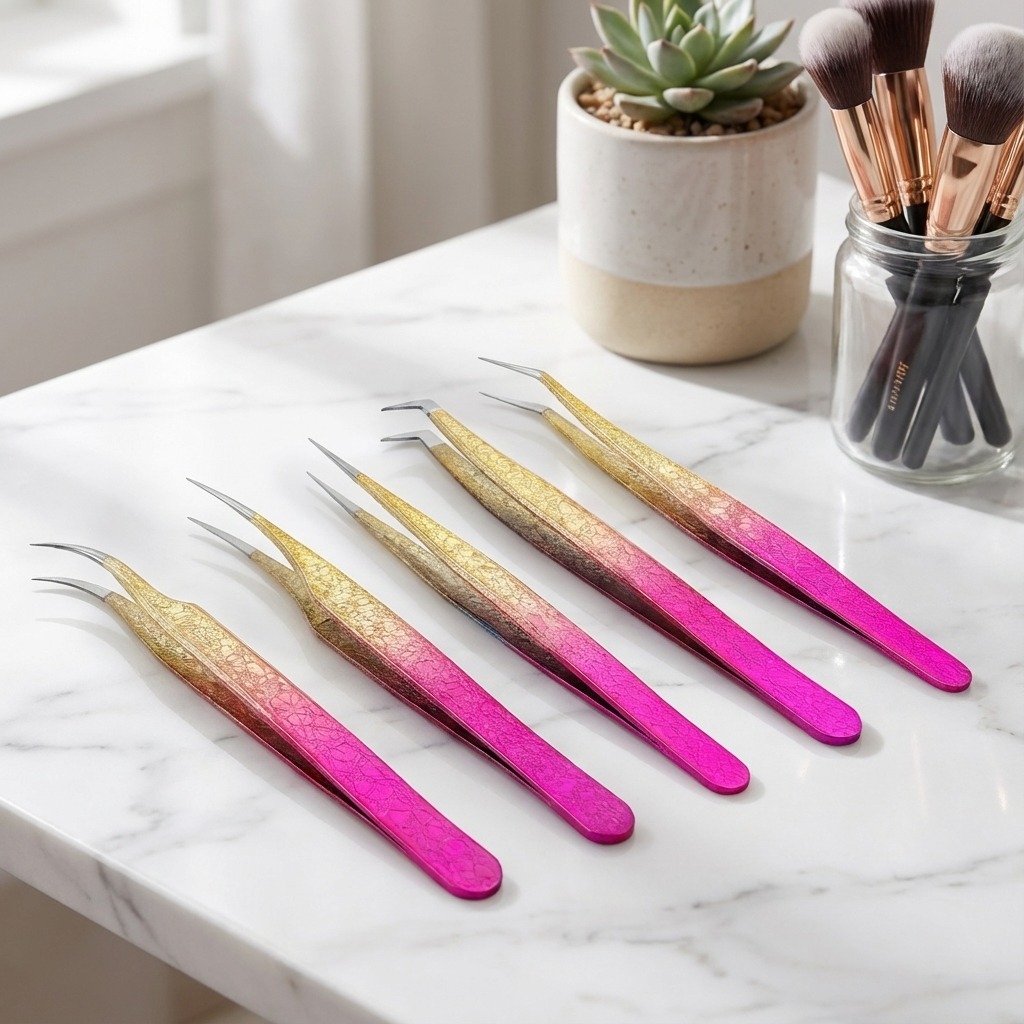
Before placing a bulk order, define the main services the tweezers must support. A lash studio, brow bar, nail salon, training school, and beauty distributor may need different assortments. Olimor Beauty’s referenced tweezer range includes options such as a Volume Tweezer and a Precision Isolation Tweezer, as well as curved and angled variants in five-piece sets. These names point to an important buying principle: one tweezer shape rarely covers every professional task equally well.
- Isolation work: Choose a tweezer intended for clean separation and controlled visibility around natural lashes. The closing point should feel precise without forcing the hand into an awkward angle.
- Volume lash pickup: A volume tweezer should support fan creation or pickup with a stable sweet spot. Artists often prefer to test how the tips meet before committing to large quantities.
- Brow shaping: Angled tweezers are widely used for controlled hair removal and shaping because the slanted edge can approach the skin at a practical angle.
- Curved applications: Curved tweezers can help with visibility and access in certain lash techniques, depending on the artist’s preferred hand position.
- Retail or starter kits: A mixed set may be more useful than a single style when selling to beginners or stocking beauty academies.
If your team includes several artists, gather feedback from each role before standardizing. A lash trainer may prioritize tip consistency, while a salon manager may focus on easy replacement and clear set organization. Distributors may need an assortment that is simple to explain to downstream customers.
What to Check Before You Buy Tweezers in Bulk
A good bulk order starts with inspection criteria. Even when the design looks appealing, professional buyers should review functional details. The original Olimor Beauty description references stainless steel construction and a gold-to-pink gradient finish in the Kaleidoscope Collection. Those visible and material elements are useful, but professional buyers should still evaluate how the tool performs in hand.
| Buying factor | Why it matters | What to check |
|---|---|---|
| Tip alignment | Poor alignment reduces grip and accuracy. | Close the tweezer gently and look for even contact at the working point. |
| Tension | Too much resistance can cause hand fatigue; too little can reduce control. | Test repeated opening and closing motions, not just one squeeze. |
| Shape assortment | Different services require different angles and access points. | Confirm whether the order includes isolation, volume, angled, or curved styles as needed. |
| Surface finish | Finish affects appearance, grip feel, and presentation in retail sets. | Review color consistency, smoothness, and whether the finish suits your brand positioning. |
| Packaging plan | Bulk tools need protection during shipping and storage. | Plan how each piece or set will be identified, stored, and distributed to staff or customers. |
This type of checklist is more useful than relying on product photos alone. When possible, compare samples by task: isolate lashes, pick up a fan, remove a fine brow hair, and hold the tool for several minutes. A tweezer that looks refined but feels unstable during repeated work is not the right bulk choice.
Factory, Wholesaler, or Marketplace: Which Channel Fits?
When deciding where to buy tweezers, professional buyers often compare three channels: direct factory-style sourcing, specialized wholesalers, and general online marketplaces. Each has a place, but they do not solve the same problem.
Marketplaces can be convenient for small emergency purchases or quick comparisons. The challenge is consistency. Listings may look similar while coming from different sources, and repeat orders may not always match the first batch. For a professional studio or distributor, that uncertainty can create training and customer service problems.
A specialized tweezers wholesaler or beauty tool supplier is often a better fit for planned bulk purchasing. The advantage is not only volume pricing; it is the ability to discuss assortment, finish, use case, packaging needs, and repeat purchasing with a supplier focused on beauty tools. Olimor Beauty positions its tweezer offering for professional buyers, including sets designed for lash and brow applications. Buyers reviewing broader product collections can also coordinate tweezers with other beauty tools for a more consistent supply plan.
Direct sourcing may be appropriate for larger distributors or brands that need more control over specifications. In that case, prepare a clear brief: intended market, preferred tweezer types, finish direction, packaging format, and inspection priorities. Clear requirements reduce confusion and make comparisons between suppliers more meaningful.
How to Plan a Bulk Tweezer Assortment
The right assortment depends on who will use the tools. A lash-only studio may need more isolation and volume tweezers. A brow-focused business may prioritize angled tweezers. A beauty school may need balanced sets that let students practice multiple techniques. A distributor may need a visually appealing set that is easy for retail buyers to understand.
- List your core services or sales channels. Separate lash extension, brow shaping, academy, retail, and wholesale needs.
- Choose functional categories first. Decide how many isolation, volume, curved, and angled tweezers you need before focusing on color.
- Review visual presentation. A finish such as the gold-to-pink gradient referenced for the Kaleidoscope Collection may be suitable for premium-looking sets, provided it matches your market.
- Plan replacements. Professional tools can be dropped, damaged, misplaced, or assigned to sanitation rotation. Keep spare units in your purchasing plan.
- Document feedback. After trial use, record which shapes technicians prefer and why. Use that information for the next bulk order.
A practical assortment avoids overbuying one attractive style while understocking the tool your artists use most. For many professional buyers, the best order is a controlled mix that supports daily work and provides backups.
Care, Storage, and Handling After Delivery
Even a carefully selected tweezer can perform poorly if it is mishandled. Tips are delicate. Dropping a tweezer, storing it loose with other metal tools, or forcing it against hard surfaces can affect alignment. Bulk buyers should create a simple handling process so every staff member treats the tools consistently.
Store tweezers with tip protection where possible. Keep clean and used tools separated according to your salon’s hygiene procedure. Do not leave precision tips loose in drawers where they can collide with scissors, lash tools, or metal accessories. If a tweezer no longer closes evenly, remove it from precision work rather than forcing technicians to compensate with extra pressure.
For distributors and retailers, storage matters before the product reaches the customer. Keep sets organized by style and finish, and avoid mixing samples with sellable stock. Clear labeling helps prevent shipping the wrong tweezer type to a buyer who ordered for a specific application.
Questions to Settle Before Sending an Inquiry
A strong inquiry saves time for both sides. Instead of asking only for a general quote, prepare the details that affect product fit. Include the intended use, preferred styles, whether you want individual tweezers or sets, and any finish direction you are considering. If you are comparing Olimor Beauty with other suppliers, use the same requirements for each quote so the comparison is fair.
Useful points to prepare include the target customer, expected use case, desired assortment, packaging preference, and inspection expectations. If you need help narrowing the options, you can contact Olimor with your sourcing context or send an inquiry for bulk tweezer purchasing support.
Bulk tweezers are small tools, but they influence professional work every day. By choosing based on tip function, hand comfort, assortment logic, finish quality, and supplier consistency, beauty professionals can build a toolkit that supports accurate lash and brow services while keeping purchasing organized.
Tag: