

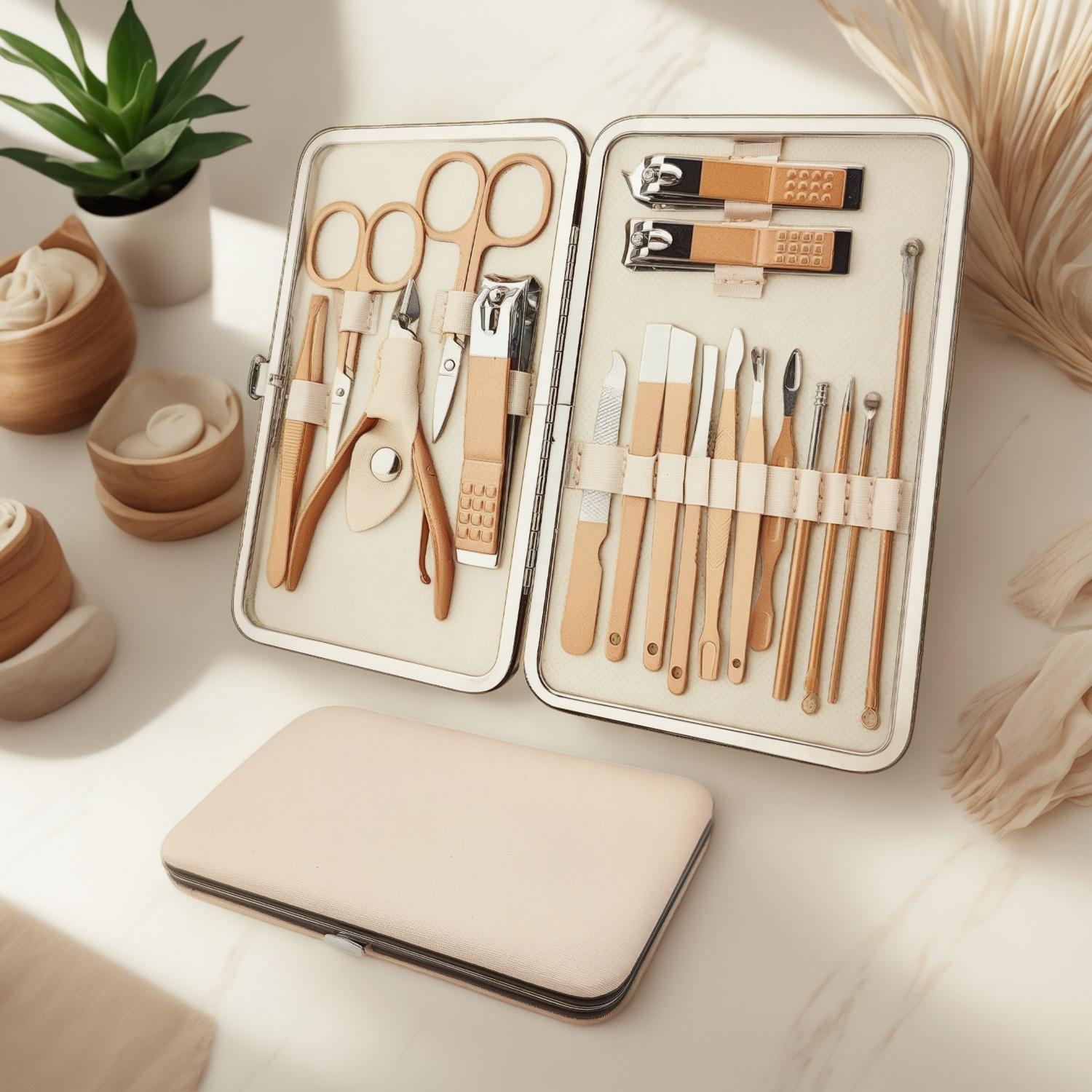
Bulk Purchase of High-Quality Grooming Tools: A Practical Sourcing Guide
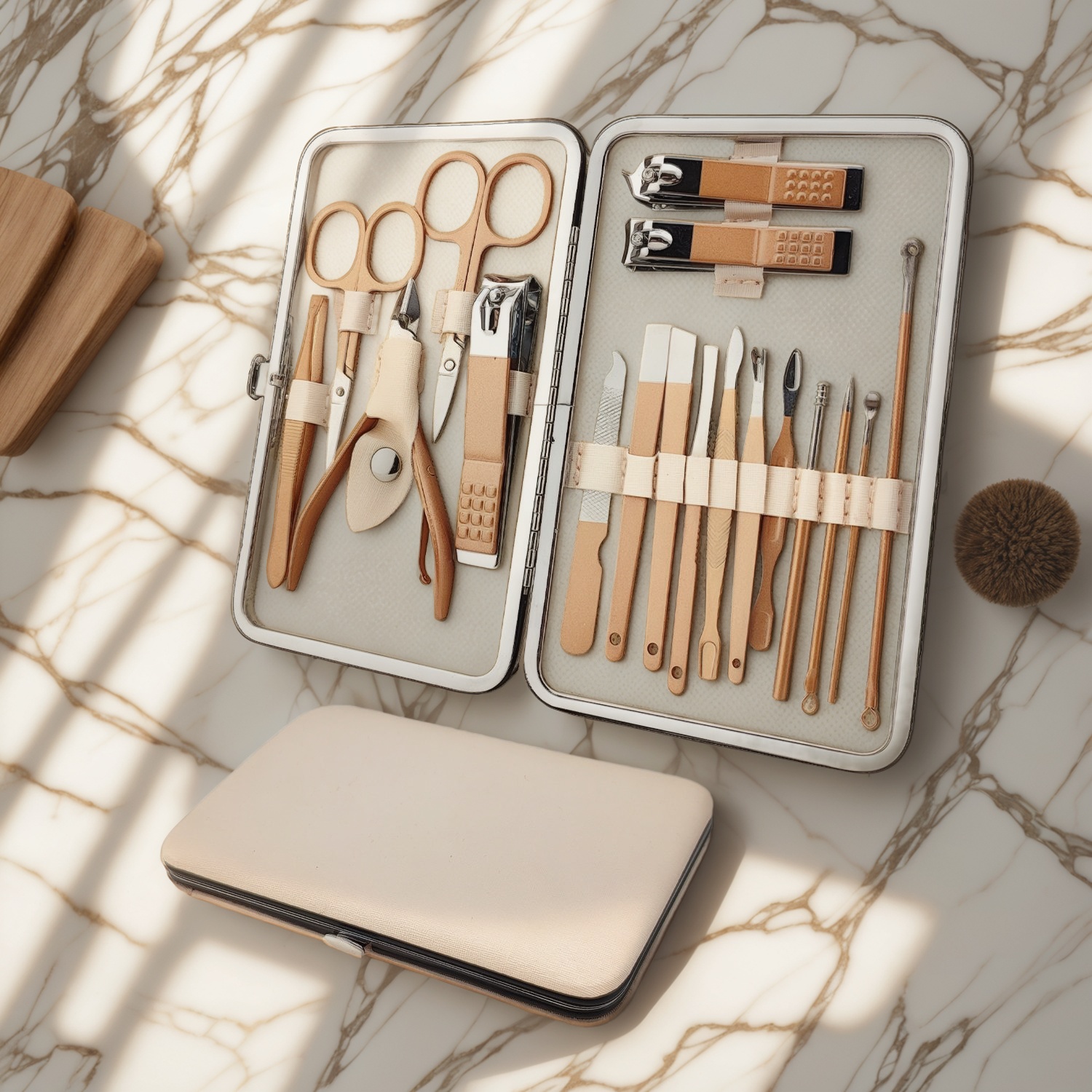
Buying grooming tools in bulk is not only a way to reduce the unit cost. For retailers, salons, e-commerce sellers, beauty distributors, hotel amenity buyers, promotional-gift companies and private-label brands, it is a sourcing decision that affects product consistency, customer satisfaction, inventory planning and brand presentation.
The best bulk purchase starts with a clear product purpose, a practical quality checklist and a supplier discussion that covers samples, packaging, customization and reorder expectations. Grooming tools may look simple, but small differences in finish, grip, alignment, packaging protection or batch consistency become significant when repeated across cartons of stock.
This guide explains how B2B buyers can evaluate high-quality grooming tools wholesale, compare sourcing options and prepare a more reliable inquiry before placing a larger order.
Why Bulk Purchasing Works for Grooming Tool Buyers
Bulk purchase grooming tools are useful because they make operations more predictable. Retailers can keep popular items available on the shelf, salons can standardize the tools used by staff, and distributors can reduce the frequency of small replenishment orders. For private-label brands, ordering in volume also makes it easier to create a consistent identity across the product, pouch, insert card, retail box and outer carton.
The cost per unit generally decreases as order quantity rises because production, packing and logistics can be organized more efficiently. However, price should not be the only reason to place a large order. Grooming tools are handled directly by end users, so comfort, surface finish and reliability matter just as much as the quotation.
Bulk buying is most effective when the buyer already understands the target use. A salon may need practical tools that are comfortable for daily handling and easy to store. A retailer may need compact products with clear consumer packaging. A promotional-gift buyer may prioritize brand visibility and kit assembly. A private-label seller may focus on finish, logo placement, packaging artwork and consistency between reorders.
Define the Product Use Before Comparing Options
Before comparing samples or quotations, create a short product brief. It does not need to be complex, but it should answer the questions that influence product choice, packaging and quality expectations.
- Who will use the tool? Retail consumers, salon staff, hotel guests, gift recipients and online shoppers may have different expectations.
- How will it be sold or supplied? A single item, refill pack, travel set, grooming kit or promotional bundle may require different packaging.
- Which channel matters most? Retail display, e-commerce shipping, salon storage and distribution cartons all create different packaging needs.
- Is branding required? Logo placement, color direction, insert cards, pouch selection and box artwork should be planned early.
- Will the item be reordered? Reorder products need clear reference samples and documented specifications so future batches can be compared consistently.
A clear brief prevents mismatches. A tool that photographs well may feel too light for professional use. A premium box may be unnecessary for salon replenishment. A compact tool may be ideal for a travel kit but less suitable for a higher-value retail set. If you are still deciding the assortment, review Olimor beauty tool products to compare individual tools, coordinated sets and possible category directions.
Quality Criteria That Matter in Grooming Tools
Quality in grooming tools is not only about material claims. It is also about how the tool is formed, finished, aligned, cleaned, packed and protected before shipment. The original Olimor range includes stainless steel tools, a material commonly valued in grooming applications because buyers often associate it with a clean appearance and practical handling. Even so, buyers should evaluate the actual sample and production standard rather than relying on material wording alone.
Functional Performance
Use the sample the way the end customer would. Tweezers should meet evenly for their intended use. Scissors should open and close without rough movement. Nail clippers and nail tools should feel stable, not loose or unfinished. Cuticle pushers and contact surfaces should be appropriately finished for their function.
Surface Finish and Contact Safety
Inspect under normal light, not only studio conditions. Look for burrs, unwanted sharp edges, scratches, discoloration, uneven polishing or visible marks from ordinary handling. For tools that touch skin, nails, brows or hair, the contact points deserve particular attention.
Grip, Balance and Ergonomics
A grooming tool should feel controlled in the hand. Grip, weight balance and shape affect precision, especially for detailed beauty tasks. A product may look attractive online but still disappoint if it slips easily, feels awkward or does not support steady use.
Consistency Across Units
One good sample is not enough. Bulk orders require repeatable quality across units, inner boxes and cartons. Compare several pieces from the same sample set where possible. For production orders, confirm whether the finished goods match the approved sample in finish, alignment, tension, packaging and presentation.
Packaging Protection
Packaging should protect the tool against rubbing, moisture exposure and handling damage during transit and warehouse storage. It should also match the sales channel. Retail packaging needs clear product communication. E-commerce packaging may need added protection. Salon storage may require practical, simple formats. Gift and travel sets may require a more coordinated presentation.
Wholesale, Kits or Custom Manufacturing: Which Route Fits?
Not every bulk purchase has the same sourcing goal. Some buyers want dependable ready-to-sell wholesale stock. Others need assorted grooming kits or private-label presentation. Understanding the difference helps you prepare a clearer request and reduces delays during quotation and sampling.
| Buying approach | Best suited for | What to evaluate |
|---|---|---|
| Standard wholesale | Retailers, salons and distributors needing dependable stock | Tool quality, availability, packaging protection, reorder suitability and consistency across units |
| Assorted grooming kits | Gift sets, travel ranges, starter kits, hotel amenities and promotions | Product mix, pouch or case format, size balance, finish consistency and overall value perception |
| Custom or private-label supply | Brands seeking differentiated presentation | Logo method, packaging artwork, color direction, insert cards, sample approval and production consistency |
A custom beauty tools manufacturer can help create a more distinct product offer, but customization should support function rather than interfere with it. Branding should not reduce grip, cleaning practicality or product usability. Packaging that appears premium should still protect the tool and remain practical for the sales channel.
Common customization decisions include product finish, logo placement, packaging style, pouch or case selection, insert cards, outer carton markings and assortment structure for kits. If your project requires a private-label presentation or a coordinated grooming set, prepare visual references and functional requirements before you send a sourcing inquiry.
How to Judge Quality Beyond the First Sample
A first sample is only the beginning. For bulk grooming tools, quality should be judged in three stages: sample review, pre-order confirmation and batch consistency.
During sample review, handle the product as the customer would. Open and close it if it has moving parts, check the finish under normal light and compare the product against the intended retail price point or professional use case. If the item belongs in a grooming kit, assess how it sits beside the other tools. A single strong item can still feel mismatched if the set lacks a coherent finish, size balance or packaging concept.
Before confirming an order, document what has been approved. This may include product photos, packaging layout, color references, logo placement, pouch details and any functional features that are essential to the order. Documentation helps prevent misunderstanding when the buyer, supplier, designer and quality team are all involved.
For reorder planning, keep the approved reference information connected to the purchase record. Retail customers notice when the same product varies in finish, alignment or packaging. Salons notice when tools feel inconsistent in daily routines. E-commerce sellers may face complaints if products do not match images or prior customer expectations.
Packaging Choices for Retail, Salon and E-Commerce
Packaging is not decoration alone. It protects the tool, explains the product and shapes the buyer’s first impression. The right packaging depends on where the product will be used or sold.
- Retail shelf: Packaging should communicate the item clearly, display the tool attractively and support barcode, label or product information needs where applicable.
- E-commerce: Packaging should help the item arrive in good condition and provide enough information for customers who cannot inspect the product before purchase.
- Salon replenishment: Practical storage, simple identification and easy access may matter more than decorative presentation.
- Gift or travel kits: The case, pouch or box should make the assortment feel coordinated and protect each item from rubbing.
- Distribution: Inner boxes and outer cartons should support handling, warehousing and onward shipment requirements.
Packaging decisions also affect cost. Cost factors may include the number of items in a kit, the tool finish, the packaging structure, print requirements, pouch or case selection, labeling, inspection expectations and shipping configuration. Buyers do not need to finalize every detail before the first conversation, but they should identify which features are essential and which can be adjusted for practicality.
Working With a Beauty Tools Supplier in China
China remains an important sourcing base for beauty tools because buyers can find a wide range of grooming categories, manufacturing approaches and packaging options. The benefit is choice; the challenge is filtering that choice into a dependable supply program.
A useful supplier conversation should cover product category, intended market, packaging preference, branding needs, sample approval process and expected order timing. Small details such as tip alignment, handle shape, surface finish, pouch material or carton markings can affect the final customer experience. Clear communication is more valuable than vague requests for premium quality.
When comparing suppliers, look for practical answers: what can be made, what needs confirmation, which sample option best matches the intended use and how the final order will be checked before dispatch. Buyers can explore Olimor grooming tool collections when planning assortment direction, then refine the brief based on use case, channel and packaging needs.
Inspection and Compliance Considerations
Bulk buyers should set inspection expectations before production is complete. Checks may include appearance review, packaging confirmation, comparison against approved samples, count verification and functional review for relevant tools. The exact inspection plan should match the product type and risk level.
For sampling inspection, many buyers refer to recognized frameworks such as ISO 2859-1 when defining acceptance sampling plans. For products sold into specific markets, general product safety rules may also apply, such as the EU General Product Safety Regulation for consumer products placed on the EU market. These references do not replace legal or technical advice. Buyers should verify the applicable version, market requirements and supplier documentation for the exact product and destination.
Do not assume that a supplier holds a certification unless current documentation is provided and verified. A responsible sourcing process asks for relevant documents where needed, checks whether they apply to the product being purchased and confirms that packaging, labeling and instructions are suitable for the target market.
Supplier-Evaluation Checklist for Bulk Grooming Tools
Use this checklist when comparing wholesale grooming tools, private-label options or a custom beauty tools manufacturer:
- Define the product purpose: resale, salon use, e-commerce, gifting, travel set, hotel amenity or promotional campaign.
- Review multiple samples, not only one attractive piece.
- Check function, finish, grip, alignment, contact points and unwanted sharp edges.
- Confirm packaging protection for the intended channel.
- Document approved samples, artwork, logo placement and product references.
- Discuss how changes will be confirmed before production.
- Clarify inspection expectations before shipment.
- Plan reorder records so future batches can be compared with the same standard.
- Evaluate supplier communication for clarity, not only price.
This process helps buyers avoid common problems such as excess inventory, inconsistent quality, packaging that does not fit the channel or tools that look acceptable online but disappoint in daily use.
A Practical Next Step
If you are preparing a bulk grooming tools project, start with the intended user, product mix and packaging channel. Then request samples that reflect the real selling or service environment, not just a generic option. Olimor can discuss product direction, packaging considerations and private-label requirements for suitable beauty tool programs. To share your brief or ask about available options, contact Olimor with your product category, target channel and branding needs.
FAQ
Can I request samples before placing a bulk grooming tools order?
Sample review is an important step before a larger order. Buyers should use samples to check handling, finish, function, packaging and whether the product fits the intended retail, salon or private-label use.
What MOQ should I expect for wholesale or custom grooming tools?
MOQ depends on the product type, packaging, customization level and production arrangement. Buyers should confirm the applicable MOQ during the inquiry stage rather than assuming one number applies to every tool or kit.
Can grooming tools be customized with private-label packaging?
Customization may include logo placement, packaging artwork, pouch or case selection, insert cards and kit assortment structure. The best option depends on the tool function, target market and required presentation.
How should buyers check quality before shipment?
Buyers should compare production goods with approved samples, review appearance and packaging, confirm counts and inspect relevant functional details such as alignment, movement, finish and contact surfaces.
What affects lead time for bulk grooming tool orders?
Lead time can be affected by sample confirmation, packaging artwork, customization, production scheduling, inspection requirements and shipping arrangements. Confirm the expected timeline with the supplier for the specific project.
Tag: