

Bulk Purchase Grooming Tools: A Practical Sourcing Guide for Beauty Businesses
Buying grooming tools in bulk can support retail growth, salon operations, promotional kits, e-commerce bundles, and private label programs. It can also create costly problems if the tools are inconsistent, poorly finished, uncomfortable to use, or difficult to package. For beauty and personal care businesses, the goal is not simply to find the lowest unit price. The better goal is to build a repeatable sourcing process that delivers safe-feeling, well-made, attractive tools your customers will trust.
When you make a bulk purchase grooming tools decision, you are choosing products that may represent your store, salon, or brand for months. Small details matter: the smoothness of an extractor loop, the alignment of tweezer tips, the finish on a handle, the cleanliness of packaging, and the way each item performs during regular use. This guide explains how to evaluate grooming tools for wholesale supply and how to reduce sourcing risk before you commit to a larger order.
Why Bulk Grooming Tool Orders Need More Than a Price Comparison
Bulk buying creates scale, but it also magnifies mistakes. A minor issue on one sample becomes a major issue when repeated across hundreds or thousands of units. For example, an extractor with a rough edge may look acceptable in a quick photo review, but it can feel uncomfortable in the hand and disappointing to the end user. A pair of tweezers with uneven tips may appear fine in packaging, yet fail when customers try to grip fine hairs. These problems can lead to returns, negative reviews, and reduced repeat sales.
A strong procurement process should compare three areas at the same time: product function, production consistency, and commercial fit. Product function asks whether the tool does what customers expect. Production consistency asks whether the same level of finish can be maintained across a bulk order. Commercial fit asks whether the product, packaging, and delivery approach match your sales channel.
For buyers exploring beauty tool products, this means looking beyond catalog images. Review the tool category, intended user, cleaning requirements, finish, packaging style, and how the item will be presented online or in store. A grooming tool used in a salon kit may need different presentation than one sold as a giftable retail item.
Key Quality Checks Before You Confirm a Bulk Purchase
Quality evaluation does not have to be complicated, but it should be systematic. Whether you are buying blackhead removers, tweezers, cuticle tools, brow tools, or other personal care implements, the following checks help identify problems before they reach customers.
- Surface finish: Look for burrs, sharp unintended edges, uneven coating, discoloration, visible scratches, or rough polishing marks.
- Working edges and contact points: For tweezers, check tip alignment and grip. For extractors, check that the loop and lance areas are cleanly formed and comfortable to control.
- Handle comfort: A tool should feel stable in the hand. Slippery, overly thin, or poorly balanced tools can affect user confidence.
- Consistency across samples: Do not judge by the best-looking unit only. Compare several pieces for finish, weight feel, shape, and performance.
- Packaging compatibility: Confirm that the tool sits securely in its packaging and is protected from rubbing, bending, or contamination during transit.
- Cleaning and care communication: If the tool needs careful cleaning, drying, or storage, make sure your customer-facing instructions are clear and realistic.
These checks are especially important for personal care tools wholesale programs where the product may be resold under a retailer’s own merchandising structure. A tool that looks attractive in a product photo still needs to withstand handling, storage, fulfillment, and repeated customer use.
Example Focus: Dual-Ended Stainless Steel Blackhead Remover
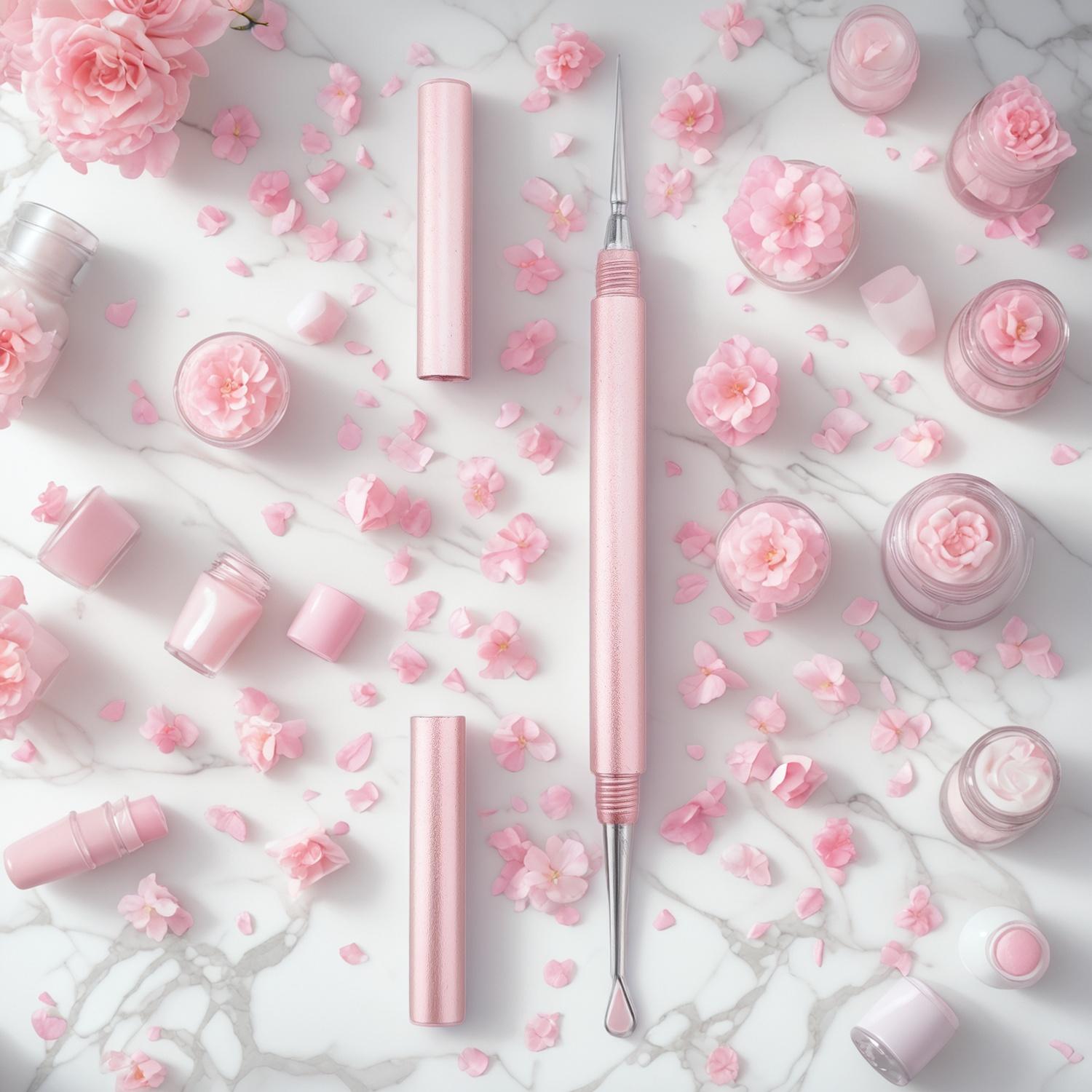
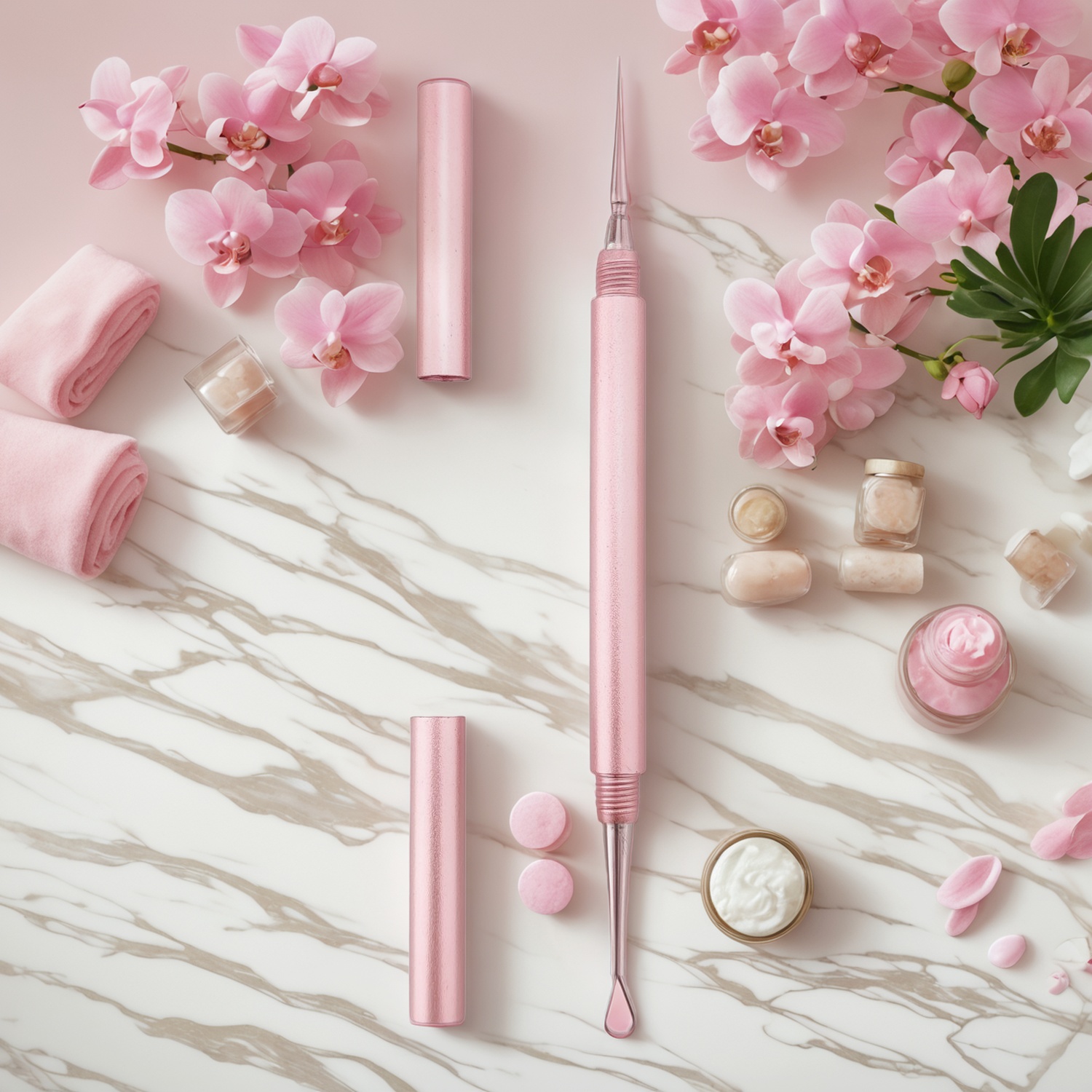
A useful example is the dual-ended stainless steel blackhead remover described in Olimor Beauty’s grooming tool range. It features a rose gold finish and a two-sided design: one end includes a precision lance for stubborn blemishes, while the other uses a gentle loop extractor for impurity removal. This type of product shows why thoughtful design matters in bulk sourcing.
With a dual-ended extractor, buyers should examine how each end is shaped and finished. The loop should be smooth enough for controlled use, while the lance should be formed with care and protected appropriately in packaging. The handle should support steady placement because facial tools require precision. A decorative finish, such as rose gold, can improve shelf appeal, but it must also look consistent across the order. Inconsistent color tone or visible coating defects can make a bulk shipment feel less professional.
This tool category also highlights the need for responsible customer education. Blackhead removers and blemish tools should be sold with clear usage and hygiene guidance. Retailers can improve customer satisfaction by explaining that tools should be cleaned before and after use, used gently, and stored dry. Good product content helps reduce misuse and builds trust in the tool.
How to Compare a Beauty Tools Supplier in China
Many buyers search for a beauty tools supplier China because China has a broad manufacturing base for personal care accessories. The challenge is not finding a supplier; it is identifying one that fits your quality expectations, communication style, and order needs. A reliable evaluation process should include documentation, samples, production discussion, and inspection planning.
Use the following table as a practical comparison framework when reviewing supplier options:
| Evaluation Area | What to Review | Why It Matters |
|---|---|---|
| Product range | Categories, finishes, tool types, and available packaging approaches | Helps determine whether the supplier can support future expansion beyond one item |
| Sample quality | Finish, function, packaging fit, and consistency between pieces | Reveals practical details that catalog images cannot show |
| Quality control process | Raw material checks, in-process checks, final inspection, and packaging review | Reduces the risk of inconsistent bulk shipments |
| Communication | Clarity on specifications, artwork, packing, timelines, and approval steps | Prevents misunderstandings before production begins |
| Commercial fit | Order planning, shipping requirements, labeling needs, and sales channel expectations | Ensures the final product works for retail, salon, e-commerce, or promotional use |
Olimor Beauty focuses on beauty and personal care tools, including items such as tweezers and extractors. Buyers reviewing product collections can use the same framework to compare tools across different grooming categories.
Packaging, Labeling, and Presentation for Wholesale Grooming Tools
Packaging is not only a visual decision. It affects product protection, customer perception, warehouse handling, and retail readiness. A sharp or pointed grooming tool needs secure placement so it does not shift during shipping. A polished or coated tool should be protected from unnecessary scratches. If the item is sold online, packaging also needs to survive fulfillment and customer delivery without looking damaged on arrival.
Before confirming packaging, consider the sales environment. Salon supplies may prioritize practicality and clean storage. Retail stores may need hangable packaging, barcode placement, and clear product naming. E-commerce bundles may need compact packaging that photographs well and fits shipping cartons efficiently. Promotional kits may need consistent appearance across multiple small tools.
Labeling should be accurate and simple. Avoid exaggerated claims. Instead, state the tool type, basic use, care guidance, and any necessary caution language appropriate for your market. If you plan to create custom packaging or private label presentation, prepare artwork files, color expectations, and placement instructions early. Delays often happen when product approval is complete but packaging details remain unclear.
Building a Repeatable Bulk Buying Process
A good sourcing process becomes easier each time it is repeated. Start with a clear product brief, then request samples, review them against your checklist, confirm packaging, and document the approved version. Keep records of approved photos, measurements if relevant, packaging layout, finish expectations, and inspection points. This documentation helps maintain consistency if you reorder later or add related tools to your range.
- Define the use case: Retail resale, salon supply, gifting, kit assembly, or online marketplace sales.
- List functional priorities: Grip, edge finish, comfort, appearance, packaging protection, and cleaning guidance.
- Approve representative samples: Compare multiple pieces rather than relying on one ideal sample.
- Confirm packaging details: Include inserts, labels, cartons, and any required product information.
- Set inspection criteria: Identify what counts as acceptable and unacceptable before shipment.
- Collect customer feedback: Use reviews and return reasons to improve the next order.
This process protects your brand even when you expand into new grooming tool categories. It also gives your supplier a clearer target, which can reduce avoidable back-and-forth during production.
When to Contact Olimor Beauty About a Bulk Order
If you are comparing suppliers for personal care tools wholesale, prepare a concise inquiry that includes the product type, expected sales channel, packaging preference, finish expectations, and any artwork or labeling needs. If you already have a reference sample or a target product style, include that information so the discussion can be more precise.
Olimor Beauty can be considered by buyers looking for grooming tools such as extractors, tweezers, and related beauty implements. To discuss product options or sourcing requirements, you can contact Olimor. If you are ready to share order details, packaging needs, or a product brief, you can also send an inquiry.
A successful bulk purchase is built on clear specifications, careful sample review, practical packaging decisions, and quality checks that match the product’s real use. By applying these steps before placing a larger order, beauty businesses can source grooming tools with greater confidence and offer customers products that feel considered, consistent, and suitable for daily personal care.
Tag: