

Bulk Purchase Grooming Tools: Quality Checks for Beauty Buyers
Buying grooming tools in bulk is different from choosing a few pieces for personal use. Retailers, spas, salons, distributors, and private-label buyers need tools that feel consistent from unit to unit, look presentable on the shelf, and perform safely in repeated daily use. A low-cost tool can become expensive if it arrives with rough edges, weak packaging, inconsistent finish, or a design that customers do not trust near the skin.
For businesses sourcing personal care tools wholesale, the goal is not simply to find a supplier with a long product list. The better question is whether each tool is suitable for the intended user, sales channel, hygiene expectations, and after-sale risk. Olimor Beauty focuses on beauty and grooming tools for business buyers who need practical sourcing support, stable presentation, and careful attention to product details.
What Business Buyers Should Check Before a Bulk Purchase
Bulk purchase grooming tools are often small in size, but the quality differences are easy to notice. A customer may immediately feel whether a tweezer closes evenly, whether an extractor loop is smooth, or whether a handle is too slippery. For a spa or salon, these details affect professional confidence. For a retailer, they affect reviews, repeat sales, and return rates.
Before placing a bulk order, create a clear evaluation list based on the product type and how it will be sold. The same tool may need different packaging or finish standards depending on whether it is sold as an individual retail item, included in a beauty kit, or supplied for professional treatment rooms.
- Function: Does the tool perform the intended grooming task with control and accuracy?
- Surface finish: Are edges, tips, loops, and handles smooth enough for close skin contact?
- Consistency: Do multiple samples have the same shape, alignment, and finish?
- Hygiene suitability: Is the material and design easy to clean according to the buyer’s usage scenario?
- Packaging strength: Can the product survive storage, shipping, and retail handling without damage?
- Presentation: Does the tool look suitable for the target market and price position?
These checks help buyers compare options in a structured way instead of relying only on photos or unit price.
Design Details That Matter in Grooming and Extraction Tools
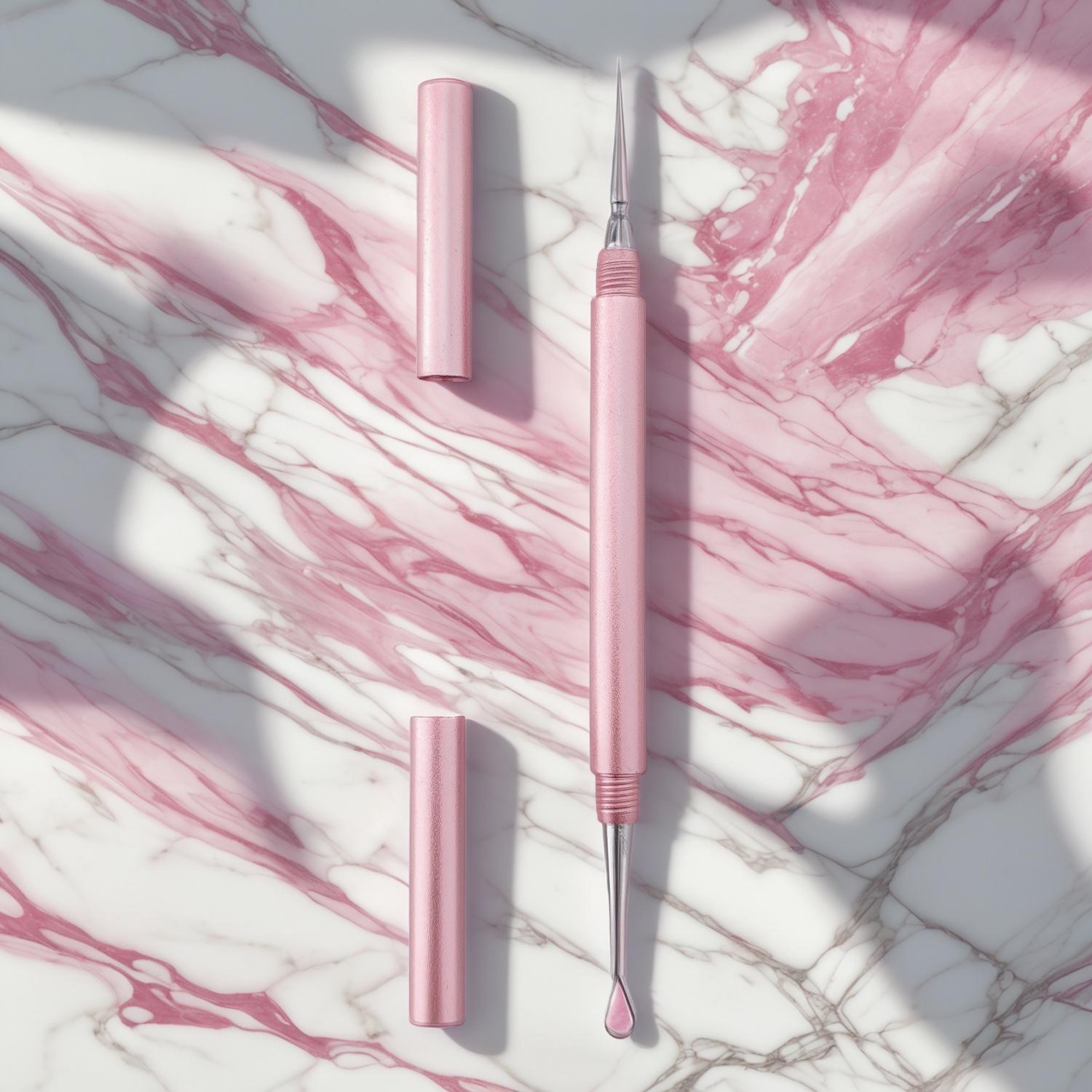
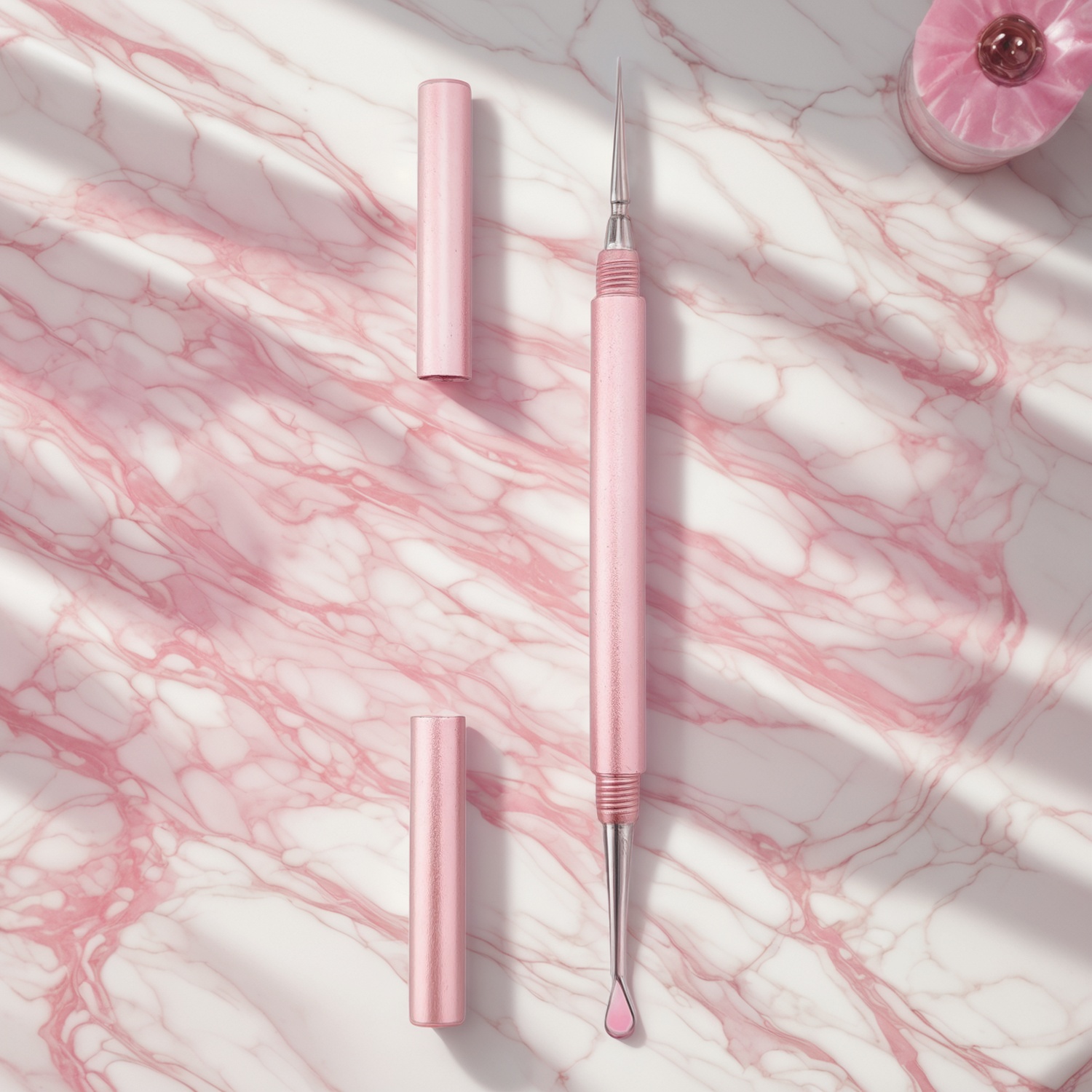
Grooming tools are used close to delicate areas such as the face, brows, nails, and cuticles. Because of this, shape and finishing matter as much as material. The original Olimor Beauty article highlighted tools such as the Dual-End Acne Tool and the 2-in-1 Blackhead and Blemish Extractor, described as being made from high-grade surgical stainless steel. For this type of product, buyers should pay close attention to how the working ends are formed and polished.
For acne, blackhead, and blemish extraction tools, loops and tips should be shaped for controlled pressure rather than aggressive scraping. A poorly finished loop can mark the skin, while a tip that is too blunt or too sharp may be difficult for users to control. Protective caps, when included, should fit securely enough to protect the working end during storage and transport.
For tweezers, scissors, nail tools, or multi-purpose grooming accessories, alignment is a key quality sign. If the contact points do not meet evenly, the tool may slip, pull unevenly, or fail to grip fine hair. Handle design also matters. A tool that is too thin, too heavy, or too smooth may feel attractive in product photos but less reliable during actual use.
How to Evaluate Material and Hygiene Claims
Stainless steel is commonly valued in grooming tools because it can offer durability, corrosion resistance, and a clean appearance when properly manufactured. However, buyers should avoid treating a material name alone as a full quality guarantee. Manufacturing accuracy, polishing, cleaning, and packaging all influence the final product.
When evaluating stainless steel grooming tools, look at the complete product rather than only the description. Check whether the surface has visible scratches, dark marks, burrs, uneven color, or residue. For tools used near the skin, smooth transitions between handle and working end can reduce dirt traps and improve the user’s perception of cleanliness.
Hygiene-related wording should also match the sales channel. Professional buyers may have their own sanitation procedures, while retail customers need safe handling instructions and clear expectations. If your brand sells to consumers, packaging copy and care instructions should avoid medical-style claims unless those claims are properly supported for your market.
Supplier Selection for Personal Care Tools Wholesale
A reliable beauty tools supplier should make the buying process easier, not more uncertain. For companies sourcing from China or building a new wholesale program, communication quality is an early signal. Product photos, sample discussions, packaging options, and inspection points should be handled with enough detail for the buyer to make decisions before production.
Olimor Beauty supports buyers looking for beauty and grooming tools across different retail and professional use cases. You can review broader categories through beauty tool products or compare related items through product collections when planning an assortment.
A good supplier discussion should cover the intended use, target customer, packaging format, finish expectations, and any compliance or labeling needs for the destination market. This is especially important when a product will be sold under a retailer’s own brand or included in a kit with other personal care items.
| Buyer question | Why it matters | What to review |
|---|---|---|
| Who will use the tool? | Professional and consumer users may expect different packaging, instructions, and durability. | User scenario, skill level, retail price range. |
| Which part touches the skin? | Working ends need more careful finishing than decorative areas. | Loops, tips, blades, grips, caps. |
| How will it be sold? | Single items, sets, and kits have different display and protection needs. | Box, pouch, tray, label, barcode space. |
| What quality issues are unacceptable? | Clear defect definitions reduce misunderstandings during inspection. | Burrs, stains, loose caps, poor alignment, packaging dents. |
Packaging and Presentation for Retail and Professional Channels
Packaging is not only decoration. For bulk purchase grooming tools, it protects small metal parts, keeps sets organized, and communicates basic care information. A tool with a polished finish can still create a poor first impression if it arrives loose in a damaged box or if the cap is missing when the customer opens the package.
Retail packaging should make the product easy to understand quickly. The customer should be able to identify what the tool is for, how to handle it safely, and how to store it after use. For professional supply, packaging may prioritize clean organization, efficient storage, and protection during transport. In both cases, packaging should fit the product tightly enough to prevent unnecessary movement.
Buyers should also consider the risks of mixed assortments. A beauty kit may include extraction tools, tweezers, scissors, and nail accessories. If one item in the set looks lower in quality, the perceived value of the whole kit drops. When building a kit, evaluate the set as a complete product rather than approving each piece separately.
Inspection Points Before Confirming a Bulk Order
For grooming tools, inspection should focus on the details that affect function and customer trust. Random visual checking is helpful, but it should be supported by product-specific criteria. For example, an extractor needs smooth loops, a tweezer needs aligned tips, and a capped tool needs a cap that stays in place.
- Review approved samples: Keep a reference sample for finish, shape, weight, and packaging appearance.
- Check functional parts first: Inspect tips, loops, blades, hinges, and gripping areas before reviewing decorative details.
- Test multiple units: Compare several pieces to identify variation in alignment, polishing, and cap fit.
- Inspect packaging: Look for crushed corners, weak inserts, unclear printing, and poor product placement.
- Confirm labeling needs: Make sure product names, warnings, care instructions, and barcode areas match your channel requirements.
These steps are useful whether you are replenishing an existing SKU or preparing a new product launch. They also help your team communicate quality expectations clearly during future orders.
Care and Handling Information Customers Appreciate
Even a well-made grooming tool can receive poor feedback if the end user does not understand proper care. Simple handling guidance can reduce confusion and extend the useful life of the product. For tools used on the face, buyers may want packaging or inserts that remind users to clean the tool before and after use, avoid excessive pressure, and store it dry.
Care language should be practical and suited to the product. Avoid overpromising results or implying professional treatment outcomes for consumer use. Instead, focus on safe handling, cleanliness, and storage. This approach is especially helpful for acne and blackhead tools, where misuse can cause irritation regardless of tool quality.
Building a Better Grooming Tool Assortment with Olimor Beauty
A strong grooming tool assortment is built from many small decisions: the right product shape, consistent finishing, secure packaging, clear presentation, and dependable communication. When these factors work together, bulk purchasing becomes less risky and more scalable for retail, spa, salon, and distribution buyers.
Olimor Beauty provides beauty tool sourcing support for businesses that want carefully selected personal care tools wholesale rather than random low-quality items. If you are comparing grooming tools, planning a kit, or preparing a retail program, you can contact Olimor to discuss suitable options or send an inquiry with your product requirements.
The best bulk purchase grooming tools are not defined only by price. They are defined by how consistently they perform, how cleanly they are finished, how well they are protected, and how confidently they represent your business after they reach the customer.
Tag: