

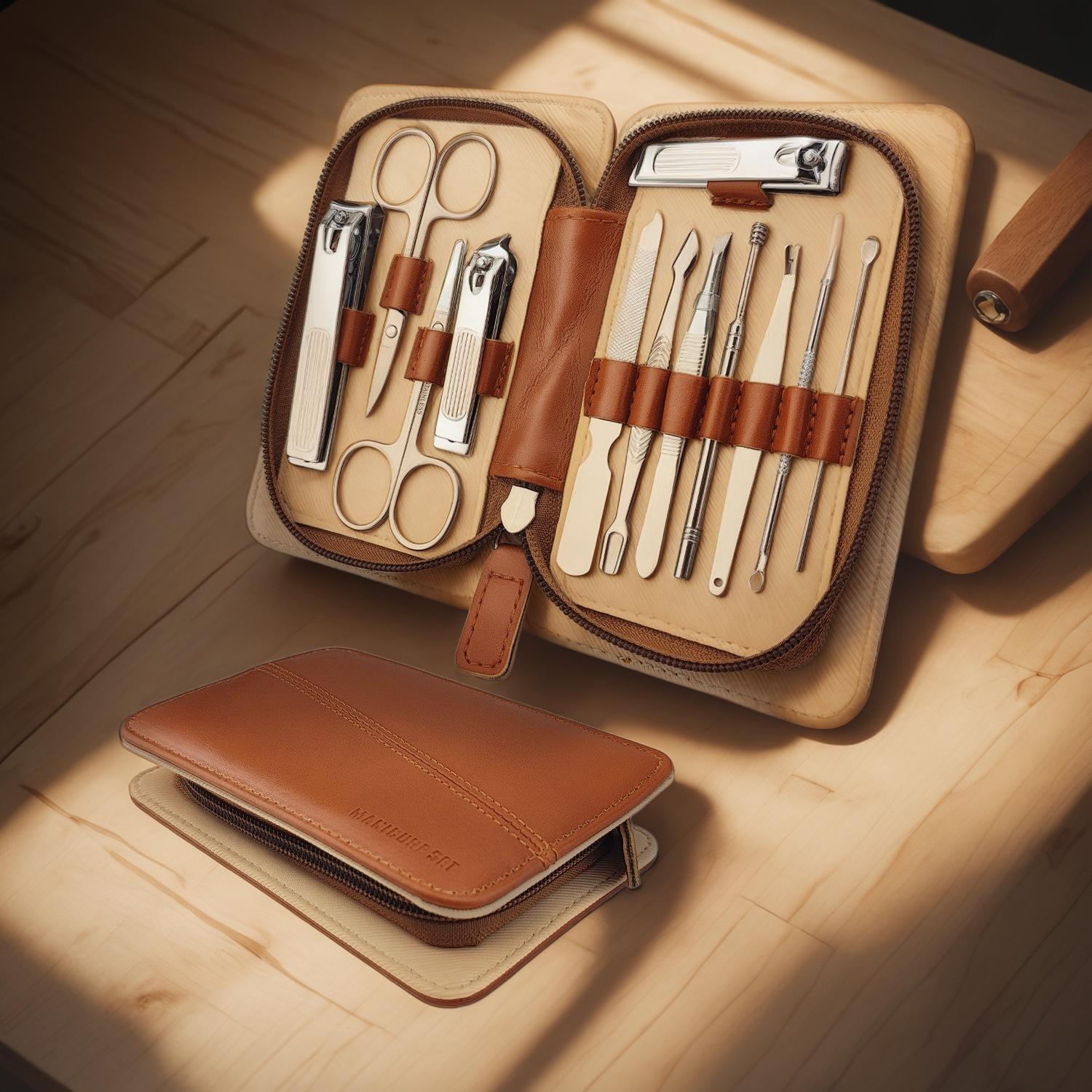
Bulk Purchase Grooming Tools: How to Choose a Supplier for Consistent Quality
For beauty brands, salon groups, wholesalers and private-label buyers, a bulk purchase of grooming tools is not simply a stock order. It affects how customers judge your brand every time they hold a tweezer, clipper, scissors, cuticle tool or other grooming accessory. A tool that feels unstable, looks poorly finished or loses performance quickly can create complaints, returns and weak repeat sales. A well-made tool, on the other hand, supports trust and gives your retail or professional offering a more reliable foundation.
Olimor Beauty works with buyers who need beauty and grooming tools in wholesale quantities, including businesses that require custom development and consistent quality control. When comparing suppliers, the most useful approach is to look beyond the product photo and unit price. You need to understand the supplier’s production discipline, material handling, finishing expectations, packaging support and ability to communicate clearly during repeat orders. This guide explains what to evaluate before placing a bulk order and how to build a more dependable sourcing process.
Start With the Exact Use Case for Your Grooming Tools
Before requesting quotations, define how the tools will be sold or used. A salon chain may prioritize durability, easy sanitation and a comfortable grip for repeated daily handling. A retail brand may care more about finish consistency, packaging presentation and a design that fits a shelf display. A distributor may need a balanced product that can serve multiple customer types without creating quality issues across varied markets.
Clear use cases help prevent common sourcing mistakes. For example, buying the cheapest option for a professional channel can damage the buyer’s reputation if the tool does not withstand frequent use. Choosing an overly complex finish for a basic retail line may increase cost without improving customer satisfaction. The right supplier should help translate your channel needs into practical product choices rather than pushing a one-size-fits-all item.
When reviewing beauty tool products, compare items by application, user environment and expected selling position. A grooming tool for daily professional service should be judged differently from a gift set accessory or entry-level retail product. Bulk purchasing works best when the product brief is specific from the beginning.
What to Look for in a Beauty Tools Supplier in China
Sourcing from a beauty tools supplier in China can offer strong value, broad manufacturing experience and access to customization options. However, buyers should still evaluate the supplier carefully. The goal is not only to find someone who can produce the item once, but to find a partner that can repeat the same standard across ongoing orders.
A reliable supplier should be able to explain the basic production flow, inspection points and packaging process in clear terms. For stainless steel grooming tools, buyers should pay attention to the finishing quality, edge consistency where applicable, joint movement, surface smoothness and user comfort. Olimor Beauty emphasizes precise production steps and internal quality checks, which are important for buyers who need stable wholesale supply rather than inconsistent spot purchasing.
- Product focus: Choose a supplier familiar with beauty and grooming tools rather than a general trader with limited product knowledge.
- Quality control process: Look for inspection during production and before shipment, not only a final visual check.
- Communication clarity: Confirm that product details, packaging requirements and order changes are documented before production begins.
- Customization capability: If branding is important, evaluate whether the supplier can support design, finish and packaging coordination.
- Repeat order consistency: Ask how the supplier manages references, samples and approved production standards for future orders.
Quality Criteria That Matter in Wholesale Grooming Tools
In wholesale grooming tools, quality is often noticed through small details. A buyer may not immediately detect every production flaw during a sample review, but end users will notice if the grip feels uncomfortable, the surface has rough edges or the tool does not perform smoothly. That is why inspection criteria should be built into the buying process before production starts.
For stainless steel tools, assess surface finishing, polishing, alignment, tension, closing action and visible marks. If the tool includes a cutting, trimming or gripping function, the working part should be checked carefully for consistency. Ergonomic design also matters because grooming tools are often used with precision. A tool can look attractive in a product photo but still feel awkward in hand if the shape, weight or balance is not considered.
Buyers should also define acceptable appearance standards. Minor differences may be unavoidable in some production processes, but packaging, visible surfaces and branded areas should meet the standard promised to your market. Creating a written approval reference, even a simple checklist with photos, makes communication easier for both sides.
Customization Without Losing Practical Performance
Customization can help a brand create a distinct identity, but it should not compromise the tool’s function. As a custom beauty tools manufacturer, Olimor Beauty can collaborate with businesses on product lines that reflect brand requirements, including design direction, material considerations, finish choices and packaging alignment. The most successful custom projects begin with both marketing goals and practical use in mind.
For example, a special finish may support a premium retail story, while a practical handle shape may matter more to professional users. Logo placement should be visible but should not interfere with the user’s grip or cleaning habits. Packaging should protect the tool during shipping and storage while matching the intended sales channel. A private-label beauty tool is stronger when the product, finish and presentation all support the same position.
Buyers planning custom grooming tools should prepare a concise development brief. Include the target customer, expected price position, preferred finish, packaging format, brand color references and any functional priorities. If an existing item will be adapted, specify what should remain unchanged and what can be adjusted. This reduces misunderstandings and speeds up sample review.
A Practical Bulk Purchase Checklist
Bulk purchasing should be handled in stages. Instead of moving from a catalog image directly to a large order, use a structured process that gives both the buyer and supplier clear approval points. The checklist below can help reduce risk when sourcing grooming tools wholesale.
- Confirm the product brief. Define the tool type, target user, finish expectations, packaging needs and sales channel.
- Review samples carefully. Test comfort, appearance, movement, surface quality and overall handling, not only dimensions.
- Document approvals. Keep photos, notes and agreed references for product, logo position and packaging.
- Clarify inspection expectations. Decide which details must be checked during production and before shipment.
- Check packaging suitability. Consider protection, labeling, retail display needs and carton organization.
- Plan repeat orders. Keep approved samples and written specifications so the next order can match the first.
This process is especially useful for buyers managing several SKUs or planning a product collection. You can explore broader product collections to compare how individual tools may work together in a branded line, salon supply range or distributor catalog.
Packaging, Presentation and Shipping Readiness
Packaging is often treated as a final step, but it plays a major role in customer perception and product protection. A grooming tool may be well made, yet still arrive with scratches, bent packaging or inconsistent labeling if presentation details are not controlled. For retail brands, packaging also communicates value before the customer touches the tool.
When planning a bulk order, consider whether the product needs individual packaging, protective sleeves, hang cards, boxes or other presentation formats. The right choice depends on your sales channel. Salon supply orders may prioritize practical protection and easy storage, while retail products may require a stronger visual identity. Distributors may need clear labeling and carton organization to simplify warehousing and resale.
It is also important to align packaging with customization decisions early. Logo size, artwork placement and product orientation should be reviewed before bulk production. If multiple tools are sold as a set, the packaging should prevent movement that could damage finished surfaces during transport.
Building a Long-Term Supplier Partnership
The best supplier relationship is built on consistency, not only on the first order. For brands and wholesale buyers, repeatability is often more valuable than a small one-time saving. A dependable partner helps protect your product reputation by keeping production details organized, applying quality checks and communicating clearly when adjustments are needed.
Olimor Beauty focuses on supporting buyers that need high-quality grooming tools wholesale, including custom projects and stainless steel beauty tools. A strong partnership should include shared references, practical feedback after each order and clear records for future production. If a tool receives positive market response, those records make it easier to reorder or expand into related products without starting from zero.
Buyers should also review performance after delivery. Track customer comments, returns, packaging issues and any feedback from sales teams or salon users. These insights can guide the next production run, whether that means refining packaging, adjusting the finish direction or adding complementary products to the line.
When to Contact Olimor Beauty
If you are preparing a bulk purchase of grooming tools, the right time to begin supplier communication is before your specifications are fixed beyond change. Early discussion allows room to compare product options, review customization needs and understand which choices are practical for your target market. This is especially important for buyers developing a private-label line or coordinating multiple tools under one brand presentation.
You can contact Olimor to discuss product direction, or send an inquiry with your tool type, order goals, packaging expectations and customization ideas. A clear brief helps the supplier respond more accurately and helps you compare options with confidence.
Bulk sourcing is not just about obtaining inventory. It is about selecting grooming tools that represent your business consistently in the hands of your customers. By focusing on use case, production discipline, inspection standards, customization practicality and packaging readiness, buyers can create a stronger supply plan and a more reliable product experience.
Tag: