

Bulk Purchase Grooming Tools: How to Choose a Quality Manufacturing Partner
Bulk purchasing grooming tools is not only a question of finding a low unit price. For beauty retailers, importers, salon suppliers, gift set developers and private label teams, the supplier decision affects product consistency, customer reviews, packaging presentation and repeat sales. A nail clipper, cuticle pusher, tweezer or manicure accessory may look simple in a catalog photo, but the customer will judge it by how it feels in the hand, how cleanly it performs and how well it holds up after repeated use.
When businesses decide to bulk purchase grooming tools, they often compare two sourcing routes: buying from a general trading supplier or working with a specialized beauty tools manufacturer. A generic supplier may appear convenient for fast product matching, but a manufacturer with category experience can usually provide stronger support around materials, finishing, ergonomics, packaging and inspection. That difference becomes especially important when grooming tools carry your brand name or are sold as part of a curated retail collection.
Why Supplier Choice Matters in Bulk Grooming Tool Orders
Grooming tools are intimate-use products. They touch nails, skin and facial hair, so buyers need to think beyond surface appearance. Inconsistent edges, uncomfortable handles, weak hinges or poorly finished tips can quickly damage customer confidence. Even if the first shipment sells well, repeat orders depend on whether customers feel the tools are reliable in daily use.
A specialized partner can help you consider the full purchase scenario: who will use the tool, where it will be sold, how it should be displayed, and what level of finish the target customer expects. A budget travel kit, a salon-oriented manicure set and a premium gift package do not require the same sourcing approach. The more clearly these decisions are made before production, the less likely you are to face mismatched expectations after delivery.
For companies comparing beauty tool products, it is useful to evaluate suppliers on communication quality as well as product samples. A responsive partner should be able to discuss tooling, product feel, packaging options and inspection points in practical language, not only quote a price.
Material and Craftsmanship: Details Customers Notice
One of the most important differences between low-value sourcing and quality-focused manufacturing is material selection. The supplied product information highlights grooming tools made from premium stainless steel, a material commonly chosen in beauty tools because it supports durability, clean finishing and a more professional appearance. Stainless steel alone, however, does not automatically guarantee a good tool. The forming, polishing, edge finishing and assembly all affect the final user experience.
For example, nail care tools should feel controlled rather than flimsy. Cutting edges should align properly. Pushers and scrapers should be finished smoothly enough for comfortable use. Tweezers should close evenly and grip with precision. Handles should not create unnecessary pressure points during use. These details are easy to overlook when comparing catalog images, but they are exactly what customers notice after purchase.
Ergonomic design is another factor worth prioritizing. The original product information notes ergonomic designs intended to help users achieve salon-quality results. For bulk buyers, this means looking at more than shape. Consider whether the tool fits different hand sizes, whether it can be used confidently by home users, and whether the handle or grip supports controlled movement. Good ergonomics can reduce user frustration and make a grooming set feel more valuable without relying on exaggerated marketing claims.
Checklist for Evaluating Grooming Tool Samples
Before confirming a bulk purchase, create a sample review process that matches your sales channel. A distributor may focus on durability and packaging efficiency, while a beauty brand may prioritize finish, visual consistency and gift-ready presentation. The following checklist can help structure the evaluation:
- Surface finish: Check for scratches, burrs, rough edges, discoloration or uneven polishing.
- Tool alignment: Inspect whether cutting edges, tweezer tips and hinged parts meet evenly and operate smoothly.
- Hand feel: Test whether the tool is comfortable, balanced and easy to control during normal use.
- Function: Use the sample in realistic grooming tasks instead of judging only by appearance.
- Packaging fit: Confirm that tools sit securely in the case, tray or display packaging without shifting excessively.
- Brand presentation: Review whether the product finish, packaging materials and visual style match your intended price point.
- Consistency: Compare multiple samples where possible to see if quality remains stable from unit to unit.
This process does not need to be complicated, but it should be documented. Written observations make it easier to compare suppliers fairly and avoid choosing based only on the most attractive initial quote.
Generic Supplier or Specialized Manufacturer?
A generic supplier can be useful for simple procurement, especially when a buyer needs a broad range of unrelated items. However, beauty grooming tools have category-specific requirements. A specialized manufacturer is more likely to understand the relationship between tool function, metal finishing, packaging construction and end-user expectations.
| Decision Area | Generic Supplier Approach | Specialized Beauty Tool Partner |
|---|---|---|
| Product knowledge | May focus on matching a catalog item to a price target | Can discuss tool function, finish, ergonomics and packaging details |
| Quality control | Often limited to basic order checking | Can support inspection from raw materials to final packaging |
| Brand fit | Standardized products may limit differentiation | More suitable for tailored presentation and private label planning |
| Long-term value | Lower upfront cost may be the main advantage | Better consistency can support repeat sales and customer trust |
Olimor Beauty positions its work around technical commitment and quality assurance, including internal quality control from raw material inspection to final packaging approval. For buyers, that kind of process matters because quality is not created at the end of production. It has to be considered at every stage, from material selection to how the tools are protected for shipment and retail display.
Packaging and Brand Presentation for Wholesale Orders
Bulk grooming tool sourcing often includes a packaging decision. A strong tool in weak packaging can look underpriced, while attractive packaging cannot compensate for poor performance. The goal is alignment. The case, tray, insert, box or retail sleeve should support the product story without creating unrealistic expectations.
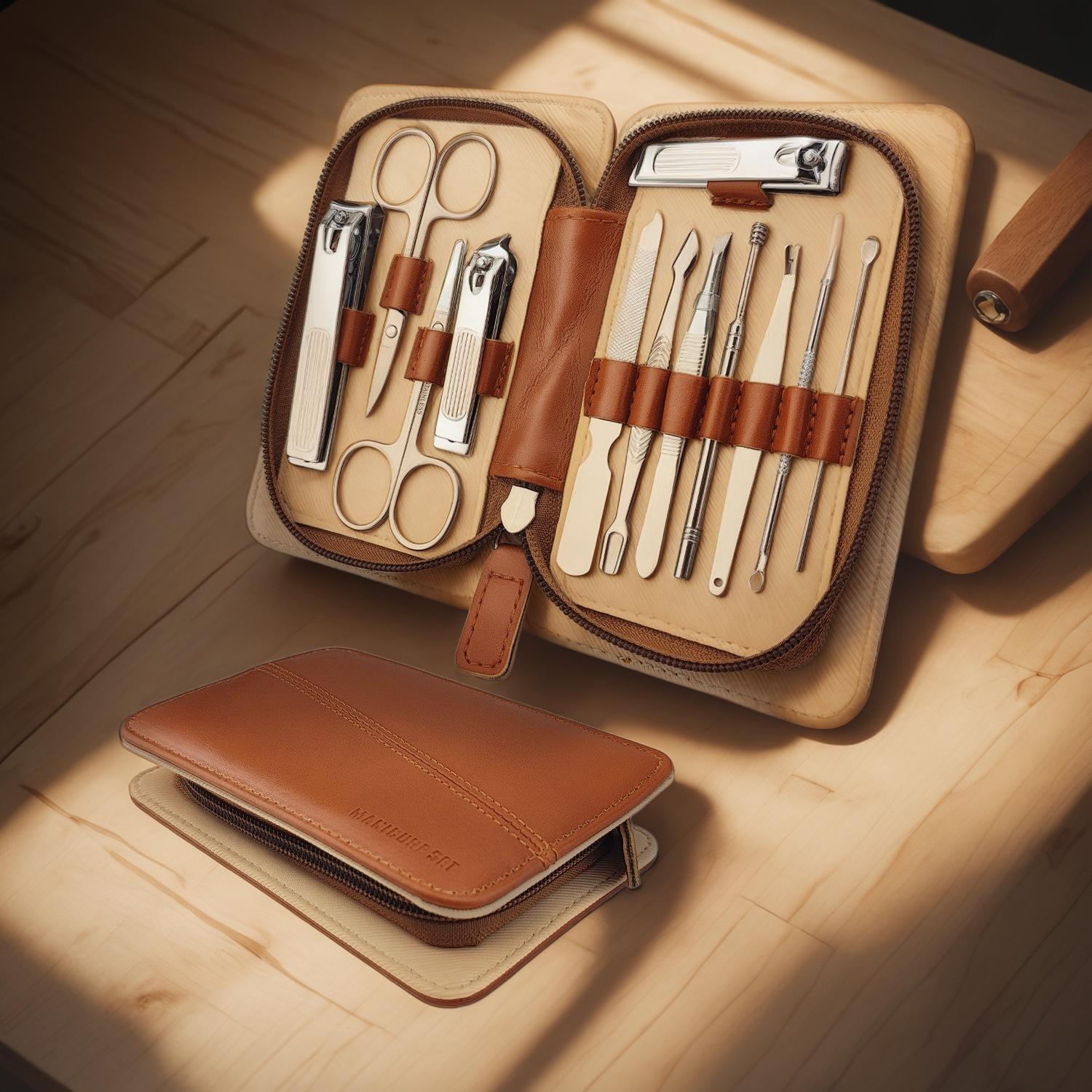
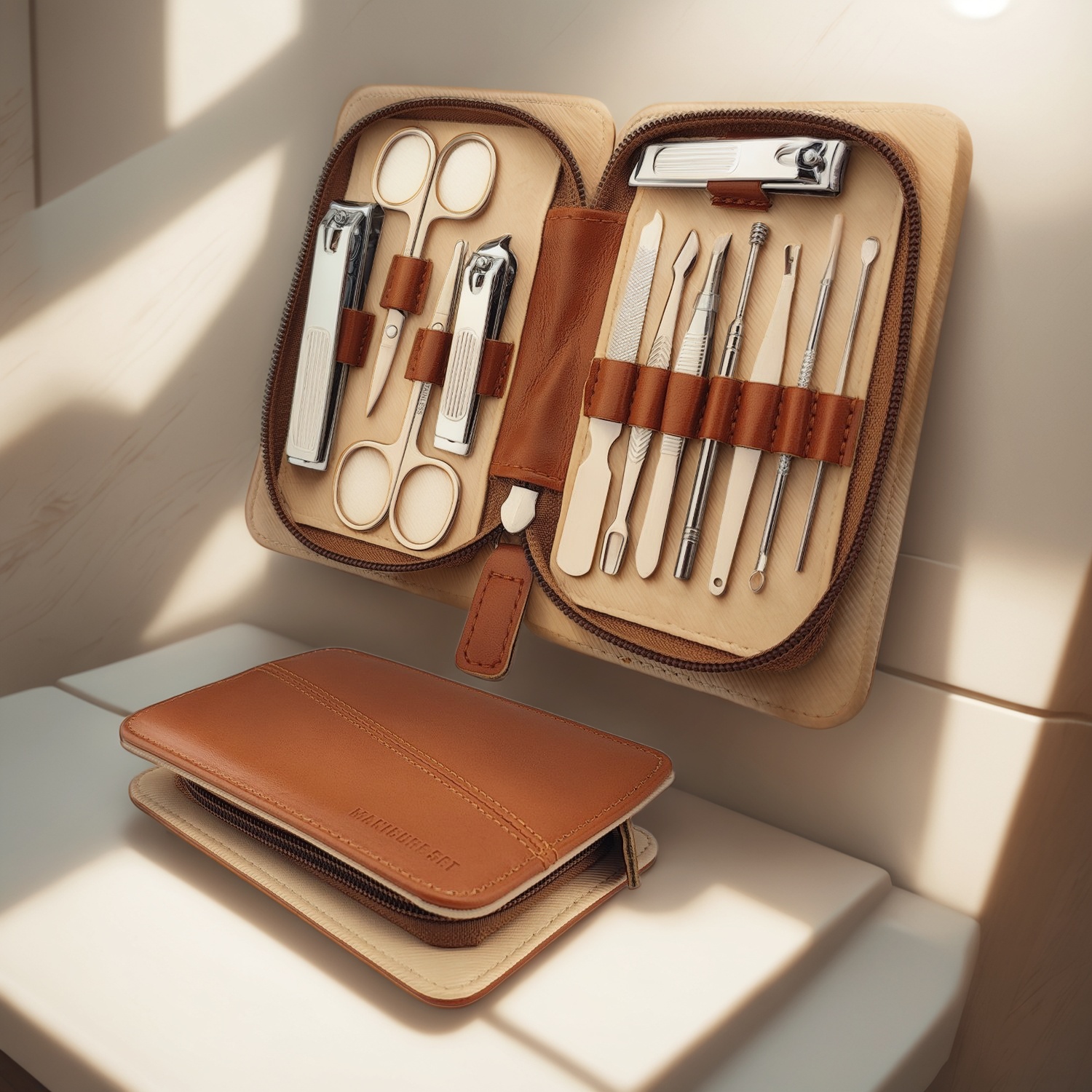
Manicure sets, in particular, are often purchased as gifts, travel essentials or personal care upgrades. If your brand sells through e-commerce, packaging must also protect the tools during shipping and photograph well for product pages. If your products are sold in stores, packaging should make the tool type, quantity and intended use easy to understand at a glance.
When browsing product collections, consider how different grooming tools might work together as a set. A cohesive kit can make purchasing easier for customers, but only if every included item has a clear purpose. Avoid overfilling a set with tools that look impressive but are rarely used by the target buyer. A smaller, well-chosen assortment may deliver better customer satisfaction than a larger kit with inconsistent quality.
Quality Control Questions to Set Before Ordering
Good sourcing conversations are specific. Instead of asking only whether the product is “high quality,” define what quality means for your order. For grooming tools, useful questions include how raw materials are inspected, how edges and tips are checked, how finished products are cleaned and packed, and what standards are used to approve packaging before shipment.
It is also important to clarify how differences will be handled between the approved sample and bulk production. A sample can look excellent, but the real test is whether production remains consistent at scale. Documenting approved samples, packaging references and inspection expectations reduces ambiguity. This is especially helpful for private label teams that need repeat orders to match earlier batches.
Buyers who are preparing a new grooming tool program can send an inquiry with target use case, sales channel, preferred packaging direction and any sample requirements. If your project is still in the planning stage, you can also contact Olimor to discuss which product details should be finalized before quotation.
How to Make Bulk Purchasing More Strategic
The strongest grooming tool programs start with a clear customer profile. Are you selling to home manicure users, salons, travel retail buyers, men’s grooming customers, gift shoppers or professional distributors? Each audience values different features. Home users may prioritize safety and ease of use. Salons may focus on durability and control. Gift buyers may care about presentation and completeness. Importers may need stable repeatability across orders.
Once the customer is defined, product decisions become more disciplined. Choose tools that match real use cases. Select packaging that supports the channel. Review samples with a written checklist. Confirm quality control expectations before production. These steps help prevent common sourcing problems such as attractive samples that do not perform well, packaging that damages easily, or sets that include too many low-value accessories.
Bulk purchase grooming tools can be a profitable category when the sourcing strategy is built around function, consistency and brand fit. By working with a specialized beauty tools partner rather than treating the order as a simple commodity purchase, brands and distributors can offer products that feel more reliable, look more cohesive and support stronger customer confidence over time.
Tag: